Climate Change (Grade 11 NSC Matric Life Orientation): Revision Notes
📚Revision Notes
Climate Change
What is climate change?
Climate change refers to long-term shifts in global weather patterns and temperatures. It's particularly associated with global warming, which is the gradual heating of Earth's atmosphere. This happens when certain gases in our atmosphere trap heat from the sun, creating what we call the greenhouse effect.
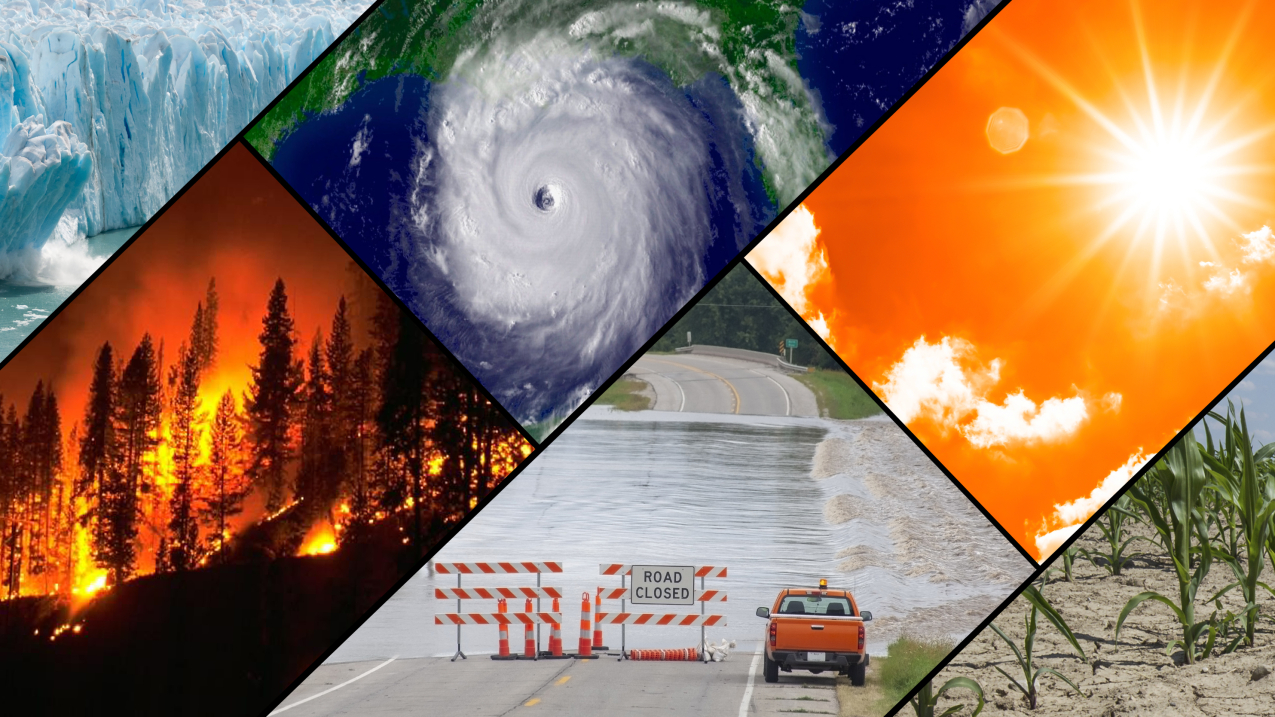
These changes don't just mean it gets a bit warmer - they affect rainfall patterns, seasonal weather, and can lead to more extreme weather events like severe storms, droughts, and floods.
Note
Climate change is a complex system of interconnected changes. When global temperatures rise by even a few degrees, it can trigger cascading effects throughout Earth's climate system, affecting everything from ocean currents to wildlife migration patterns.
Causes of climate change
Climate change is primarily caused by human activities that release greenhouse gases into the atmosphere. The main culprits include:
Important
Human activities are the dominant driver of climate change since the mid-20th century. While natural climate variations occur, the overwhelming scientific evidence shows that current warming is primarily due to human activities, particularly the burning of fossil fuels.
Carbon dioxide sources
- Burning fossil fuels: When we burn coal for electricity or fuel for cars, large amounts of carbon dioxide are released
- Deforestation: Cutting down trees reduces the Earth's ability to absorb carbon dioxide
Methane sources
- Agriculture: Rice farming and livestock (like cattle) produce significant amounts of methane
- Animal waste: Manure from farm animals releases methane as it decomposes
- Waste disposal: Burning rubbish and organic waste contributes to methane emissions
These gases accumulate in the atmosphere and trap the sun's heat, causing global temperatures to rise and weather patterns to change.
Impact of climate change on development
Climate change creates serious challenges for human development and economic growth:
Water resources
- Reduced rainfall in many regions leads to drought conditions
- Water sources dry up, affecting farming, drinking water supplies, and industry
- Rivers and streams may disappear, making water scarce for communities
Food production and security
- Crop failures become more common due to changing weather patterns
- Farmers lose income when harvests fail, leading to rural unemployment
- Food prices increase, making it harder for poor families to afford adequate nutrition
- Traditional farming areas may become unsuitable for growing certain crops
Environmental disasters
- Increased forest fires due to drier conditions and higher temperatures
- Reduced tree growth as rainfall patterns change
- Rising sea levels threaten coastal communities and may flood inhabited areas
Health impacts
- Extreme weather events pose direct threats to human health and safety
- Disease outbreaks like cholera may occur more frequently, especially in poor communities where many people live in close proximity
- Heat-related illnesses become more common
Important
Climate change disproportionately affects the poor and vulnerable. Those with fewer resources have less ability to adapt to changing conditions, making climate change not just an environmental issue, but also a social justice concern.
Marine ecosystems
- Warmer oceans affect fish populations and marine biodiversity
- Fishing communities may struggle as fish species move or decline
- This affects both livelihoods and food security for coastal populations
Mitigation and adaptation strategies
There are two main approaches to dealing with climate change: mitigation (reducing the problem) and adaptation (adjusting to the changes).
Mitigation strategies - reducing greenhouse gas emissions
- Use sustainable transport: Walk, cycle, or use public transport instead of private cars
- Energy conservation: Switch off lights and appliances when not needed
- Insulation and solar power: Make homes more energy-efficient and use renewable energy
- Recycling: Save paper and reduce waste to decrease the energy needed for production
Adaptation strategies - adjusting to climate change
- Smart building practices: Avoid constructing homes in flood-prone areas
- Water conservation: Collect rainwater and use water-saving techniques
- Drought-resistant agriculture: Plant indigenous trees and crops that can survive with less water
- Environmental restoration: Plant trees that absorb carbon dioxide and produce oxygen
Note
Both mitigation and adaptation are essential. Even if we successfully reduce greenhouse gas emissions today, some climate change is already inevitable due to gases already in the atmosphere. This means we need both strategies working together.
South African context - food security case study
Climate change is already affecting South Africa's agricultural sector and food security:
Historical impacts
- South Africa was once a major exporter of fruits like apples and pears
- Rising temperatures have made it difficult for fruit trees to get the cold period they need in winter
- Many fruit-producing areas can no longer grow these crops effectively
Example
Real-World Impact: South African Fruit Production
Before climate change: South Africa exported large quantities of apples and pears globally
Current situation: Many traditional fruit-growing regions can no longer provide the cold winter temperatures (below 7°C for several weeks) that apple and pear trees need to produce fruit
Result: Significant economic losses for farming communities and reduced agricultural exports for the country

Current challenges
- Livestock diseases: Warmer temperatures have allowed diseases that typically affect animals in hotter climates to spread to areas like the Karoo, affecting sheep farming
- Crop production: Maize and wheat production is becoming more difficult and expensive
- Urban pressure: More people moving to cities increases demand for food while agricultural production struggles
Future concerns
- South Africa may need to import more food, which will be costly
- Temperatures will continue rising and rainfall will decrease over the coming decades
- The country's food security is protected by the Constitution, but climate change makes this increasingly challenging to guarantee
Key vocabulary
- Climate change: Long-term changes in global weather patterns caused mainly by carbon dioxide and other greenhouse gases in the atmosphere
- Global warming: The gradual heating of Earth's atmosphere due to trapped greenhouse gases
- Greenhouse gases: Gases like carbon dioxide and methane that trap heat in the atmosphere
- Mitigation: Actions taken to reduce or prevent the causes of climate change
- Adaptation: Adjusting human activities and systems to cope with climate change effects
- Extreme weather events: Severe weather conditions like floods, hurricanes, droughts, and unusual temperature extremes
- Food security: Having reliable access to enough affordable, nutritious food
Remember!
Summary
Key Points to Remember:
-
Climate change is primarily caused by human activities that release greenhouse gases, especially carbon dioxide from burning fossil fuels and methane from agriculture
-
The impacts affect development by threatening water supplies, food production, human health, and economic stability - particularly harming poor communities most
-
Both mitigation and adaptation are necessary - we need to reduce greenhouse gas emissions while also preparing for unavoidable climate changes
-
South Africa is already experiencing effects including changes to fruit production, livestock health, and increased pressure on food security
-
Individual actions matter - using less energy, sustainable transport, water conservation, and supporting environmentally friendly practices all contribute to solutions