Biotechnology and Traditional Technology (Grade 11 NSC Matric Life Sciences): Revision Notes
📚Revision Notes
Biotechnology and Traditional Technology
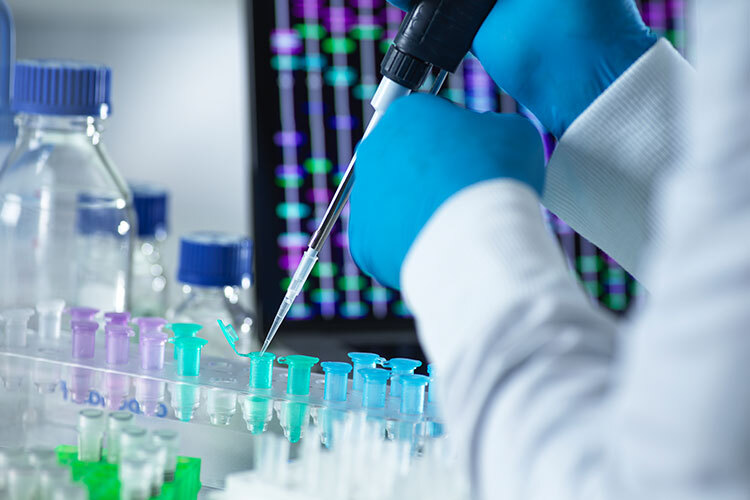
What is biotechnology?
Biotechnology is the use of micro-organisms to produce substances that benefit humans. This fascinating field combines biology and technology to create important products including:
- Medicines like antibiotics and insulin
- Food products such as fermented milk (maas), bread, wine and cheese
Biotechnology has revolutionised modern medicine and food production by harnessing the natural abilities of tiny organisms to work for us.
Note
The term "biotechnology" comes from combining "bio" (life) and "technology" (applied science). While modern biotechnology involves sophisticated genetic engineering, humans have actually been using biotechnology for thousands of years through fermentation processes in food production.
Modern biotechnology applications
Modern biotechnology represents a scientific revolution where we can manipulate the genetic material of organisms to produce specific substances on an industrial scale.
Production of antibiotics
Antibiotics are life-saving medicines that fight bacterial infections. The discovery of antibiotics has saved millions of lives and transformed modern medicine.
Penicillium, a type of mould fungus, naturally produces penicillin (the first antibiotic discovered). This mould can be found growing on fruit skins, demonstrating how nature provides solutions that science can harness and scale up.
Example
Worked Example: Industrial Penicillin Production
Step 1: Collection - The Penicillium mould is collected and isolated
Step 2: Cultivation - The mould is placed in large sterile vats
Step 3: Nutrition - Sugar and amino acids are added as nutrients for growth
Step 4: Optimal conditions - Temperature is maintained at approximately 25°C
Step 5: Growth period - The mould grows and multiplies rapidly over about five days
Step 6: Extraction - The penicillin produced by the mould is extracted and purified for medical use
This process allows us to produce large quantities of antibiotics that would be impossible to obtain from natural sources alone.
Production of insulin using genetic engineering
Insulin is a hormone that regulates blood glucose levels. People with diabetes mellitus cannot produce enough insulin naturally and need regular injections to stay healthy.
Important
Understanding Diabetes The pancreas produces insulin naturally, but when it doesn't function properly, people develop diabetes. Without proper insulin levels, blood glucose becomes dangerously high. Diabetic patients must carefully control their sugar intake and inject insulin daily to manage their condition effectively.
How bacteria are modified to produce insulin:
Genetic engineering allows us to programme bacteria to produce human insulin, creating a reliable and safe source for diabetic patients worldwide.
Example
Worked Example: Genetic Engineering Process for Insulin Production
Step 1: Extract a plasmid - A small, circular piece of DNA is removed from a bacterium
Step 2: Cut the plasmid - Special restriction enzymes slice open the plasmid like molecular scissors
Step 3: Extract the insulin gene - The DNA section containing instructions for making insulin is taken from a human pancreas cell chromosome
Step 4: Join the DNA - The human insulin gene is inserted into the opened bacterial plasmid, creating recombinant DNA
Step 5: Insert into bacterium - The modified plasmid is placed back into the bacterium
Step 6: Grow the bacteria - The genetically engineered bacteria multiply in large vats with optimal nutrients
Step 7: Harvest insulin - The bacteria follow the new DNA instructions to produce human insulin
Step 8: Extract and purify - The insulin is removed and purified for safe medical use
The most commonly used bacterium for this process is E. coli, chosen for its rapid reproduction rate and well-understood genetics.
Traditional technology
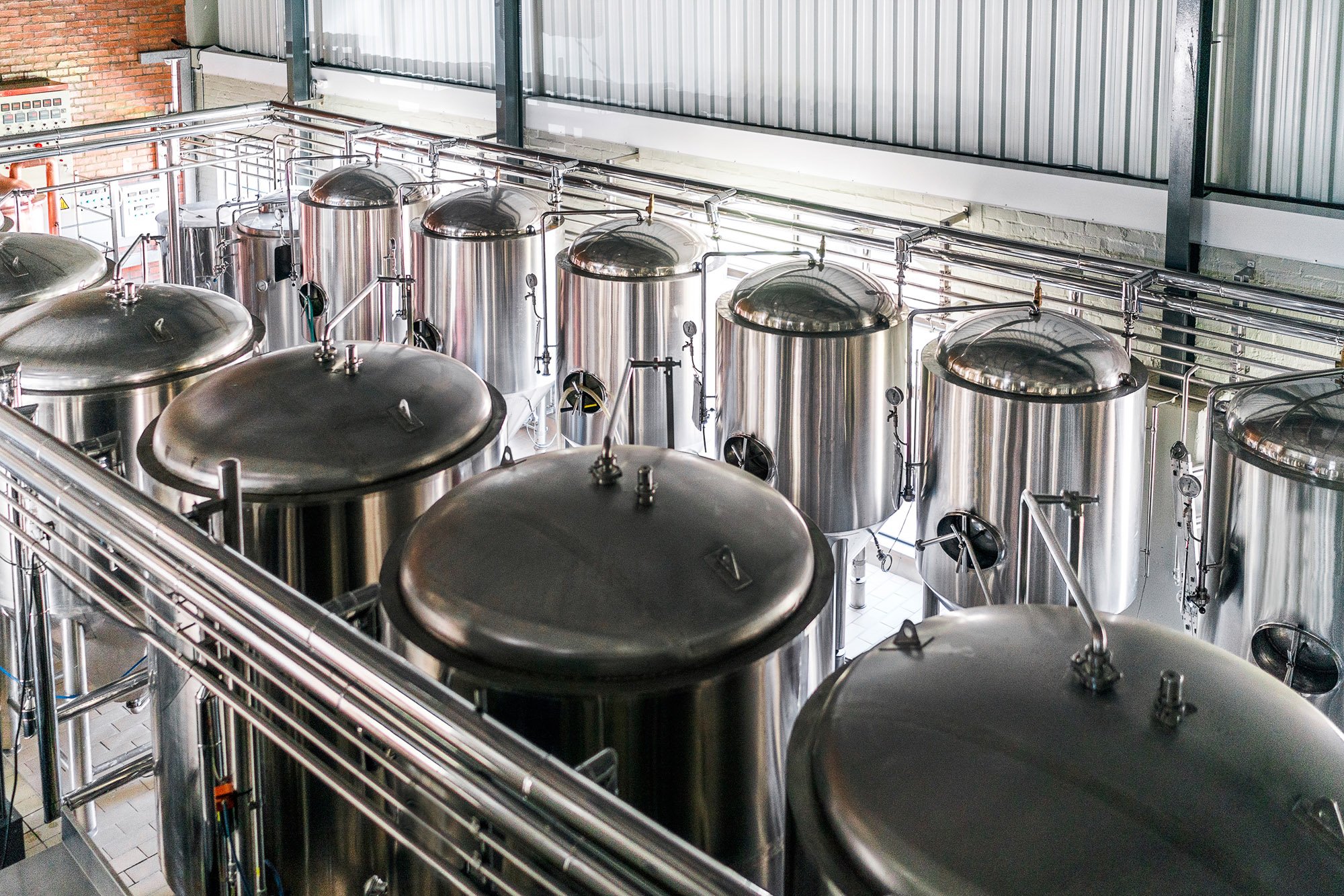
Traditional technology involves using micro-organisms (particularly yeasts) in processes that humans have used for thousands of years. The key process is alcoholic fermentation.
Note
The History of Fermentation Fermentation is one of humanity's oldest biotechnologies. Archaeological evidence shows that humans have been fermenting beverages and foods for over 9,000 years, long before understanding the science behind the process.
Alcoholic fermentation process
During fermentation, yeasts break down glucose in the absence of oxygen, producing:
- Ethyl alcohol
- Carbon dioxide gas
- Energy for the yeast cells
The chemical equation for alcoholic fermentation can be expressed as:
Traditional biotechnology applications
Beer production
- Made from grains like maize, sorghum, millet, barley or rice
- Hops are added for flavour and as a natural preservative
- Yeasts ferment the sugars from the grains into alcohol over several weeks
Wine production
- Traditionally made from grapes containing natural sugars
- Natural yeasts present on grape skins begin fermentation automatically
- The grape sugars are converted to alcohol after the grapes are crushed and left to ferment
Bread making
- Yeasts are added to bread dough to make it rise through carbon dioxide production
- During fermentation, carbon dioxide gas creates air pockets in the dough
- When heated in the oven, the gas expands further, creating the bread's light, fluffy texture
- The alcohol produced during fermentation evaporates during the baking process
Cheese production
- Lactobacillus bacteria convert milk sugar (lactose) into lactic acid
- Lactic acid causes the milk proteins to curdle, forming solid curds
- Curds are separated from the liquid whey and processed into various types of cheese
Maas production
- Similar to yoghurt, made through bacterial fermentation of milk
- Lactic acid bacteria thicken the milk and act as a natural preservative
- The acid gives maas its characteristic tangy flavour and extended shelf life
Summary
Key Points to Remember:
- Biotechnology uses living organisms (especially micro-organisms) to produce useful substances for humans
- Modern biotechnology includes genetic engineering to produce medicines like insulin and antibiotics using controlled laboratory conditions
- Traditional technology relies on natural fermentation processes that have been used for centuries in food and beverage production
- Fermentation is the key process in traditional biotechnology, converting sugars into alcohol, acids, and gases
- Both modern and traditional biotechnology play essential roles in medicine, food production, and daily life
- The same fundamental biological processes power both ancient bread-making and cutting-edge insulin production