Diseases Caused by Bacteria (Grade 11 NSC Matric Life Sciences): Revision Notes
📚Revision Notes
Diseases Caused by Bacteria
Bacteria are single-celled microorganisms that can cause serious diseases in both plants and animals, including humans. Unlike viruses, bacterial infections can typically be treated with antibiotics, though some bacteria have developed resistance to these medicines. Understanding bacterial diseases is crucial for public health and agricultural management.
Note
Key Difference: While viral infections cannot be treated with antibiotics, bacterial diseases respond to antibiotic treatment. However, the growing problem of antibiotic resistance makes prevention and proper treatment completion more important than ever.
Blight in plants
Blight refers to a condition where plants suddenly wilt, droop, and die due to bacterial infection. This disease significantly impacts commercial farming because it destroys valuable crops including apples, grapes, and tomatoes. Several different types of bacteria can cause blight, making it a widespread agricultural problem.

When plants become infected with blight, they display several distinct symptoms that help farmers identify the problem. The shoots and stalks begin drooping and eventually dry up completely. Lesions, which look like open wounds or sores, appear on the leaves and gradually spread across the plant. The flowers turn black and die, and if left untreated, the entire plant will eventually die.
Important
Critical Management Practices for Blight Prevention:
- Only plant disease-free stock
- Disinfect all pruning tools between uses
- Cut and prune only during dry, windless conditions
- Burn infected plant material immediately
Managing blight requires careful agricultural practices to prevent the disease from spreading. Farmers should only plant disease-free stock to avoid introducing infected material to their crops. All pruning tools must be disinfected between uses to prevent transferring bacteria from infected plants to healthy ones. Cutting and pruning should only be done during dry, windless conditions because moisture and wind can help spread bacterial spores. Any plant material that shows signs of infection must be burned immediately to prevent the spores from spreading to other plants.
Cholera
Cholera represents one of the most serious waterborne bacterial diseases affecting humans worldwide. The bacterium Vibrio cholerae causes this infection, which typically occurs in areas with overcrowding, unsafe drinking water, and inadequate sanitation systems. Understanding cholera helps explain why proper sanitation and clean water access are essential for public health.

People infected with cholera experience severe symptoms that can quickly become life-threatening. The main symptom is watery diarrhoea, often described as having a "runny tummy," which leads to rapid dehydration as the body loses essential fluids and salts. Many patients also experience vomiting, which further contributes to fluid loss. Interestingly, some people can become carriers of cholera without showing any symptoms themselves, but they can still spread the disease to others.
Example
Disease Management Example: Cholera Outbreak Response
Immediate Actions:
- Provide clean drinking water or water purification tablets
- Begin fluid replacement therapy with electrolyte drinks
- Isolate infected individuals and sterilise contaminated items
Long-term Prevention:
- Improve sanitation systems and sewerage disposal
- Educate communities about boiling water before drinking
- Implement proper hygiene practices
Managing cholera requires both immediate medical care and long-term public health measures. Access to clean drinking water or water purification tablets becomes critical for preventing infection. Communities must focus on preventing disease spread through proper sanitation systems and appropriate disposal of sewerage. Infected individuals need immediate fluid replacement with special drinks containing added electrolytes to replace what their bodies have lost. Severely infected patients may require intravenous drips administered in medical facilities. All bed linens and clothing used by infected people must be disposed of safely, and any items touched by cholera patients must be washed in hot water and sterilised using chlorine bleach.
People living in areas where cholera occurs should receive education about hygiene importance and be encouraged to boil water before drinking. Treatment involves rehydration therapy combined with antibiotic treatment to eliminate the bacteria from the patient's system.
Tuberculosis
Tuberculosis, commonly called TB, is caused by the bacterium Mycobacterium tuberculosis and primarily affects the lungs, though it can also attack other body parts including the kidneys, brain, and spinal cord. This airborne disease spreads when infected people cough or sneeze, releasing bacteria into the air that others can breathe in.
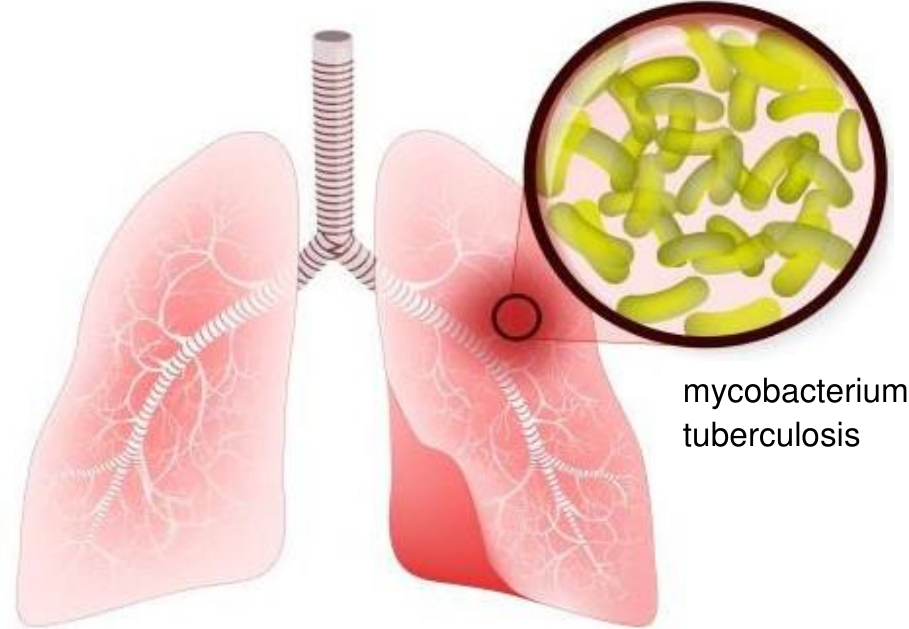
TB spreads most rapidly in confined, overcrowded spaces where poverty and poor sanitation create ideal conditions for bacterial transmission. While anyone can breathe in TB bacteria, the disease typically only develops in people with weakened immune systems. This includes babies, young children, people living with HIV, drug users, diabetics, and those experiencing poverty-related malnutrition.
People infected with TB experience a range of debilitating symptoms that gradually worsen over time. Extreme tiredness and weakness make daily activities difficult, while loss of appetite leads to significant weight loss. Patients often experience chills, fever, and night sweats that disrupt their sleep. Excessive coughing becomes a constant problem, often accompanied by chest pains. In advanced cases, patients may cough up blood, indicating serious lung damage.
Managing TB requires careful identification and comprehensive treatment approaches. Medical professionals use X-rays, skin tests, and tissue cultures to diagnose infections accurately. Patient education becomes crucial because successful treatment requires completing the entire medication course, even when symptoms improve.
Important
Critical TB Treatment Facts:
- Treatment involves taking multiple drugs over approximately six months
- Incomplete treatment leads to drug-resistant TB forms
- Drug-resistant TB is extremely difficult to treat
- Many patients require hospitalisation to ensure proper treatment adherence
TB treatment involves taking multiple drugs over approximately six months. When patients fail to complete their treatment, they risk developing drug-resistant forms of TB that become extremely difficult to treat. Many patients require hospitalisation in specialised TB facilities to ensure proper medication adherence and prevent further transmission.
Note
The DOTS Programme
The DOTS programme (Directly Observed Treatment Short Course) was developed specifically to address treatment completion problems. Under this system, healthcare workers or trained community members directly observe patients taking their daily medication, ensuring they complete the full treatment course and recover completely.
Anthrax
Anthrax is caused by the bacterium Bacillus anthracis and primarily affects grazing animals including goats, cattle, sheep, and horses. The bacterial spores can enter animal bodies through inhalation or through open wounds. Once inside the body, the bacteria multiply rapidly in the bloodstream and release powerful toxins that cause tissue breakdown, internal bleeding, and eventual death.
Humans become infected when they come into contact with infected animals or animal products, making this a zoonotic disease (transmitted from animals to humans). When humans contract anthrax, they develop several serious symptoms including severe breathing difficulties and shock. The gastro-intestinal tract becomes inflamed, causing severe digestive problems.
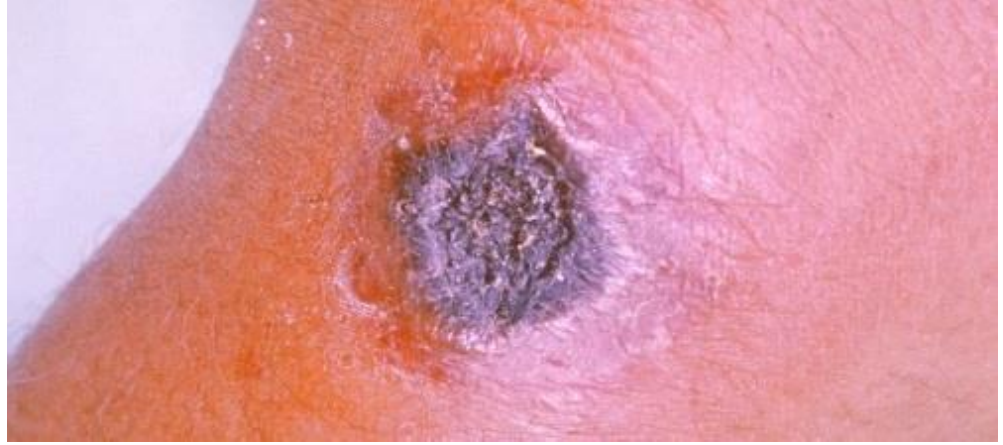
One of the most recognisable signs of human anthrax infection is the development of a painless skin ulcer with a distinctive black necrotic area in the centre. This characteristic lesion helps medical professionals identify anthrax infections quickly.
Important
Critical Anthrax Management Protocols:
Animal Health Measures:
- Regular vaccinations for stock animals
- Immediate isolation and antibiotic treatment for infected animals
- Vaccination of contact animals as precaution
Human Safety Protocols:
- Thorough washing with antimicrobial soap after contact
- Burning of contaminated clothing
- Complete burning of dead animal bodies (spores remain viable for up to 90 years)
- Cremation rather than burial for human deaths
Managing anthrax requires both animal health measures and human safety protocols. Stock animals should receive regular vaccinations to prevent initial infections. When anthrax outbreaks occur, infected animals must be isolated and treated with antibiotics immediately. All animals that have been in contact with infected ones must also receive vaccination as a precautionary measure.
Dead animal bodies must be burned completely to destroy bacterial spores, which can remain viable in the environment for up to 90 years. Humans who have come into contact with anthrax must wash thoroughly with antimicrobial soap and have their clothing burned to prevent further contamination. When humans die from anthrax, their bodies should be cremated rather than buried to prevent the disease from spreading further through soil contamination.
Summary
Key Points to Remember:
-
Bacterial diseases can be treated with antibiotics, unlike viral infections, but some bacteria are developing resistance to these medicines
-
Prevention is better than treatment - proper sanitation, clean water, and vaccination programmes help prevent bacterial disease outbreaks
-
Different bacteria spread in different ways - cholera through contaminated water, TB through airborne droplets, and anthrax through contact with infected animals
-
Complete treatment courses are essential- stopping antibiotic treatment early can lead to drug-resistant bacteria that are much harder to treat
-
Bacterial diseases often affect vulnerable populations most severely - people with weak immune systems, those living in poverty, and animals in overcrowded conditions face the highest risks