The Role of Invertebrates (Grade 11 NSC Matric Life Sciences): Revision Notes
📚Revision Notes
The Role of Invertebrates
Invertebrates are animals without backbones that play absolutely vital roles in keeping our ecosystems healthy and functioning. These amazing creatures help provide us with food, clean water, clean air, and even the materials for our clothes! Let's explore the three most important ways that invertebrates support agriculture and natural ecosystems.
Understanding key terms
Before diving into the main roles, let's understand some important vocabulary that will help us grasp these concepts better.
Note
These terms are essential for understanding how invertebrates contribute to healthy soil and plant growth in our ecosystems. Take time to familiarise yourself with this vocabulary as it will appear throughout our discussion of invertebrate roles.
Pollination - helping plants reproduce
Pollination is the movement of pollen grains from the male parts of a flower to the female parts of a flower within the same plant species. This process is carried out by special animals called pollinators.
Why pollination matters
When pollination occurs successfully, it leads to fertilisation, which allows plants to produce fruits and seeds. Without this process, many of the foods we eat simply wouldn't exist!
Important
Critical Fact: Without invertebrate pollinators, approximately one-third of the food we eat would disappear from our tables. This includes fruits, vegetables, nuts, and seeds that depend on pollination.
The amazing role of bees
Bees are considered the most important pollinators in the natural world. What makes them so special is that they dedicate their entire lives to collecting pollen and nectar to feed their developing young. As they move from flower to flower gathering these resources, they accidentally transfer pollen between plants, making reproduction possible.
Other invertebrate pollinators
While bees get most of the attention, many other invertebrates also serve as pollinators. These include:
- Ants that crawl between flowers
- Moths that visit flowers at night
- Butterflies that feed on flower nectar during the day
All of these creatures help ensure that plants can reproduce and continue thriving in our ecosystems.
Decomposition - nature's recycling system
Decomposition is nature's way of recycling organic materials. This process breaks down complex organic molecules from dead organisms into much simpler molecules that can be released back into the environment and used again in nutrient cycles.
How invertebrates contribute to decomposition
Invertebrates such as worms and beetles act as the first stage in breaking down complex organic matter called detritus. Detritus includes things like fallen leaves, dead plant material, and dead animal remains. These invertebrates chew and digest this material, breaking it down into smaller pieces.
Note
Think of invertebrates as nature's cleanup crew! They work tirelessly to process dead organic matter, starting the recycling process that keeps ecosystems functioning smoothly.
The formation of humus
After invertebrates do their initial work, microscopic decomposers like bacteria and fungi continue the process. They further break down the organic matter into humus - the rich, dark organic component of soil. Humus dramatically improves soil quality, making it much more fertile and suitable for plant growth.
Why decomposition is essential
Without decomposition, dead organic matter would simply pile up everywhere, and valuable nutrients would remain locked away and unavailable to living plants. This recycling process ensures that nutrients continue flowing through ecosystems, supporting new life.
Important
Remember: Decomposition is not just about cleanup - it's about recycling! This process releases essential nutrients like nitrogen, phosphorus, and carbon back into the ecosystem where they can be used by living organisms.
Soil aeration - creating healthy underground environments
Soil aeration refers to creating spaces in soil that allow air and water to move freely through the ground. This process is absolutely crucial for healthy plant growth and ecosystem functioning.
How earthworms improve soil
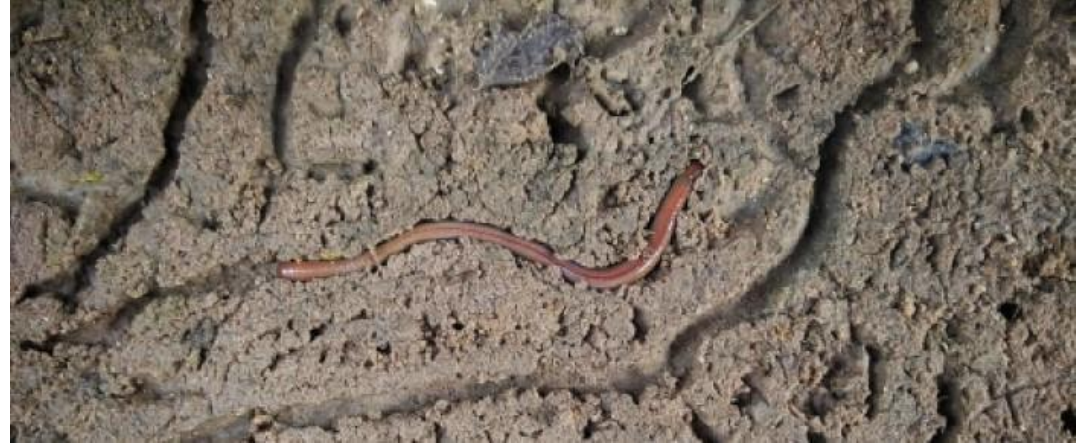
Earthworms are true ecosystem engineers! As they burrow through the soil, they create an extensive network of tunnels that serve multiple important functions.
Benefits of earthworm tunnelling
The tunnel systems created by earthworms provide numerous benefits:
- Faster nutrient cycling: The tunnels speed up the decomposition process, allowing nutrients to be recycled more quickly for plant use
- Better drainage: Water can flow through the tunnels, preventing waterlogging that could damage plant roots
- Improved air circulation: The tunnels act like tiny ventilation systems, allowing oxygen to reach plant roots underground
- Easier root growth: Loosened soil makes it much easier for plant roots to spread deeper and wider
- Natural soil mixing: Earthworms act like living pumps, moving air and nutrients around as they travel through their tunnel systems
Note
Fascinating Fact: A single earthworm can process its own body weight in organic matter every single day! Over the course of a year, earthworms in just one acre of soil can bring up to 18 tonnes of soil to the surface through their activities.
Supporting ecosystem health
The community structure of any habitat depends heavily on healthy soil with good nutrient availability. When earthworms improve soil quality through their tunnelling activities, they're supporting the growth of plants, which in turn supports all the other organisms that depend on those plants for food and shelter.
Summary
Key Points to Remember:
- Invertebrates perform three crucial ecosystem functions: pollination, decomposition, and soil aeration
- Bees are the most important pollinators because they spend their entire lives collecting pollen and nectar, accidentally transferring pollen between flowers
- Decomposition breaks down dead organic matter into humus, which greatly improves soil fertility for plant growth
- Earthworm tunnels create healthier soil by improving drainage, air circulation, and root penetration while speeding up nutrient cycling
- All these invertebrate activities work together to maintain healthy ecosystems that provide us with food, clean water, and clean air