Seeds (Grade 11 NSC Matric Life Sciences): Revision Notes
📚Revision Notes
Seeds
Seeds are fascinating structures that play a crucial role in plant reproduction and human survival. Understanding their structure, significance, and uses helps us appreciate the incredible diversity of plant life around us.

What are seeds and why are they important?
A seed develops from a fertilised ovule after successful pollination and fertilisation. Think of seeds as nature's survival packages - they contain everything needed to start a new plant life, including a tiny embryo, food supplies, and protective covering.
Seeds are incredibly important because they result from sexual reproduction, which means every single seed carries unique genetic information. This genetic diversity increases the chances of species survival when environmental conditions change. Many seeds have special adaptations that help them spread to new locations, and some can remain dormant for long periods until conditions become favourable for growth.
Important
Why Genetic Diversity Matters
The genetic diversity created through sexual reproduction is essential for species survival. When environmental conditions change (like climate shifts or new diseases), plants with varied genetic traits have a better chance of surviving and adapting.
Key terminology you need to know
Understanding seed anatomy requires knowing some important botanical terms:
Note
Essential Seed Terminology
- Radicle: The embryonic root that will develop into the plant's root system
- Plumule: The embryonic shoot that will become the stem and leaves
- Monocotyledons: Plants with just one cotyledon (seed leaf), often having flower parts in groups of three
- Dicotyledons: Plants with two cotyledons that store food for the developing embryo
Seed structure and types
Seeds can be classified into two main groups based on the number of cotyledons they contain. Cotyledons are special seed leaves that store nutrients for the growing embryo.
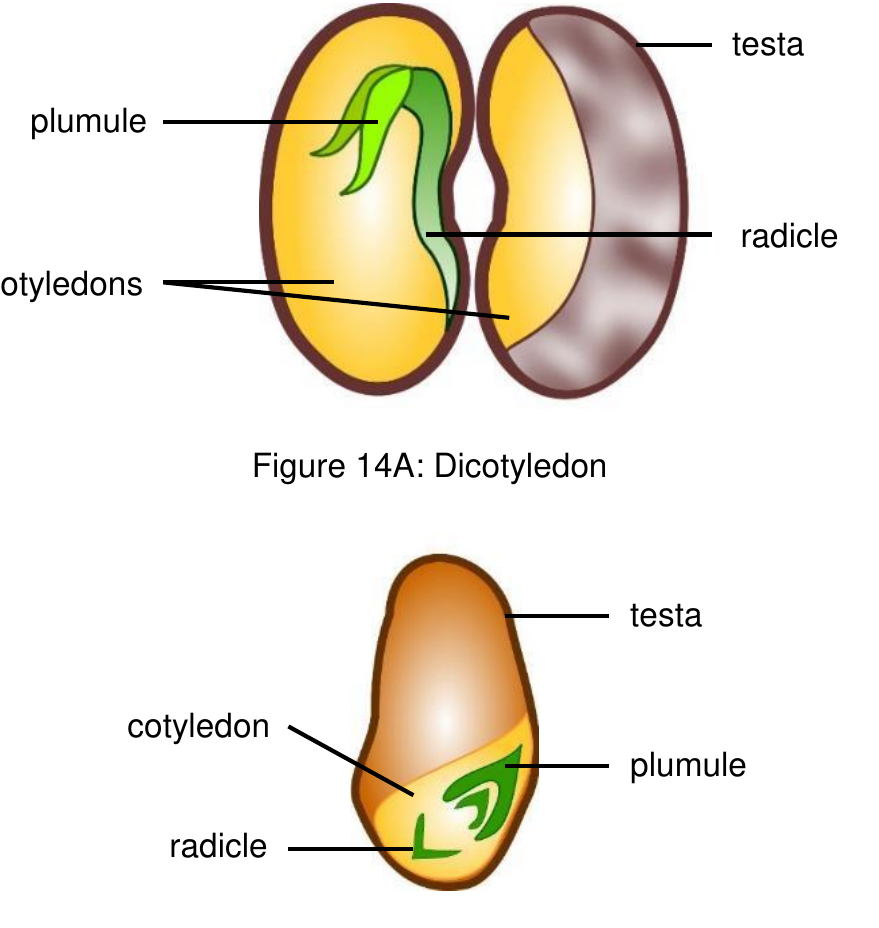
Dicotyledon seeds have two cotyledons and include plants like beans, peas, and sunflowers. The cotyledons are usually quite large because they need to store enough food to support the young plant until it can make its own food through photosynthesis.
Monocotyledon seeds have only one cotyledon and include plants like grasses, corn, and lilies. The single cotyledon is often smaller, and these plants frequently have additional food storage tissue.
All seeds are surrounded by a tough, protective covering called the testa (seed coat). This protective barrier shields the delicate embryo from damage, disease, and harsh environmental conditions while allowing the seed to remain viable until germination conditions are right.
Important
The Protective Role of the Testa
Never underestimate the importance of the seed coat! The testa is what allows seeds to survive in harsh conditions, sometimes for years or even decades, until the perfect conditions for germination arrive.
Seed banks and conservation
Seed banks are specialised facilities designed to preserve seeds from both cultivated crops and wild plants. These important institutions serve as genetic libraries, ensuring that plant species don't disappear forever and maintaining the biodiversity that our planet depends on.
The work of seed banks involves several important functions. They store seeds from rare and endangered plants to prevent extinction. They also preserve the original varieties of crop plants that were used to develop modern, hardier varieties through selective breeding. Additionally, many stored seeds are used for scientific research purposes.
Note
The Seed Storage Process
The storage process requires careful preparation. Seeds must be thoroughly dried before freezing to prevent harmful bacteria and fungi from causing decay. Once prepared, seeds are stored at temperatures below freezing point, which significantly extends their viability - some seeds can remain viable for decades when properly stored.
Seed banks often focus on collecting seeds from unusual or rare plants, recognising that genetic diversity is crucial for the future of agriculture and natural ecosystems. The seeds of original plant varieties used in hybridisation programmes are particularly valuable for developing new crop varieties.
Seeds as an essential food source
Seeds form the foundation of human nutrition worldwide. We cultivate and harvest many different types of seeds that provide essential nutrients for our diets.
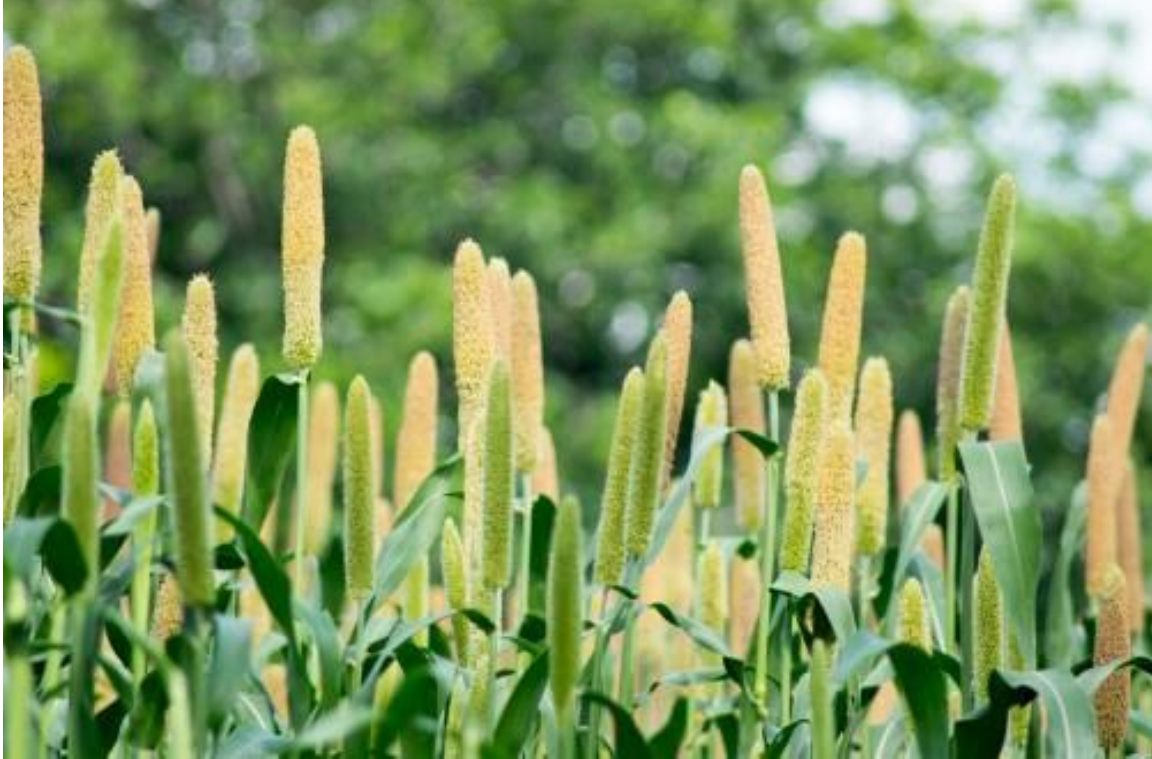
Common seed crops that humans depend on include coffee, maize (corn), wheat, peas, soya beans, and rice. These seeds can be grouped into different categories based on their nutritional content:
Pulses are seeds like beans, peas, and soya beans that are excellent sources of protein. These protein-rich seeds are particularly important in vegetarian diets and in regions where meat is scarce or expensive.
Grains such as wheat, rice, and maize provide high levels of carbohydrates, which give us the energy we need for daily activities. These carbohydrate-rich crops form the staple diet for many populations, especially in developing countries.
Example
Nutritional Classification of Seeds
Protein-rich Pulses:
- Beans - provide complete amino acid profiles
- Peas - excellent protein source for vegetarians
- Soya beans - contain all essential amino acids
Carbohydrate-rich Grains:
- Wheat - primary ingredient in bread and pasta
- Rice - staple food for over half the world's population
- Maize - provides energy-dense nutrition
Endemic seeds with special significance
Some seeds have particular cultural and nutritional importance in specific regions:
Sorghum is naturally found only in certain areas (endemic to Africa) but is now cultivated worldwide. In traditional African cuisine, sorghum is commonly eaten as porridge or used to brew traditional African beer, making it both a nutritional and cultural cornerstone.
Maize provides versatile food options - the dried, crushed kernels are used to make samp, a traditional dish often cooked with red beans to create a complete protein source.
Millet offers an important alternative for people with dietary restrictions because it contains no gluten. This makes it particularly valuable for individuals who are allergic to gluten or have coeliac disease.
Note
Cultural and Nutritional Significance
These endemic varieties demonstrate how different cultures have developed relationships with specific seed crops over thousands of years, creating traditional foods that are both nutritious and culturally significant.
Summary
Key Points to Remember:
- Seeds develop from fertilised ovules and contain an embryo (radicle and plumule), food storage (cotyledons), and protective coating (testa)
- Seeds are classified as either monocotyledons (one cotyledon) or dicotyledons (two cotyledons)
- Seed banks preserve genetic diversity by storing seeds at freezing temperatures after careful drying
- Seeds provide essential nutrition as both protein-rich pulses and carbohydrate-rich grains
- Endemic seeds like sorghum, maize, and millet have special cultural and nutritional significance in different regions