The Four Major Plant Divisions (Grade 11 NSC Matric Life Sciences): Revision Notes
📚Revision Notes
The Four Major Plant Divisions
Introduction to plant evolution
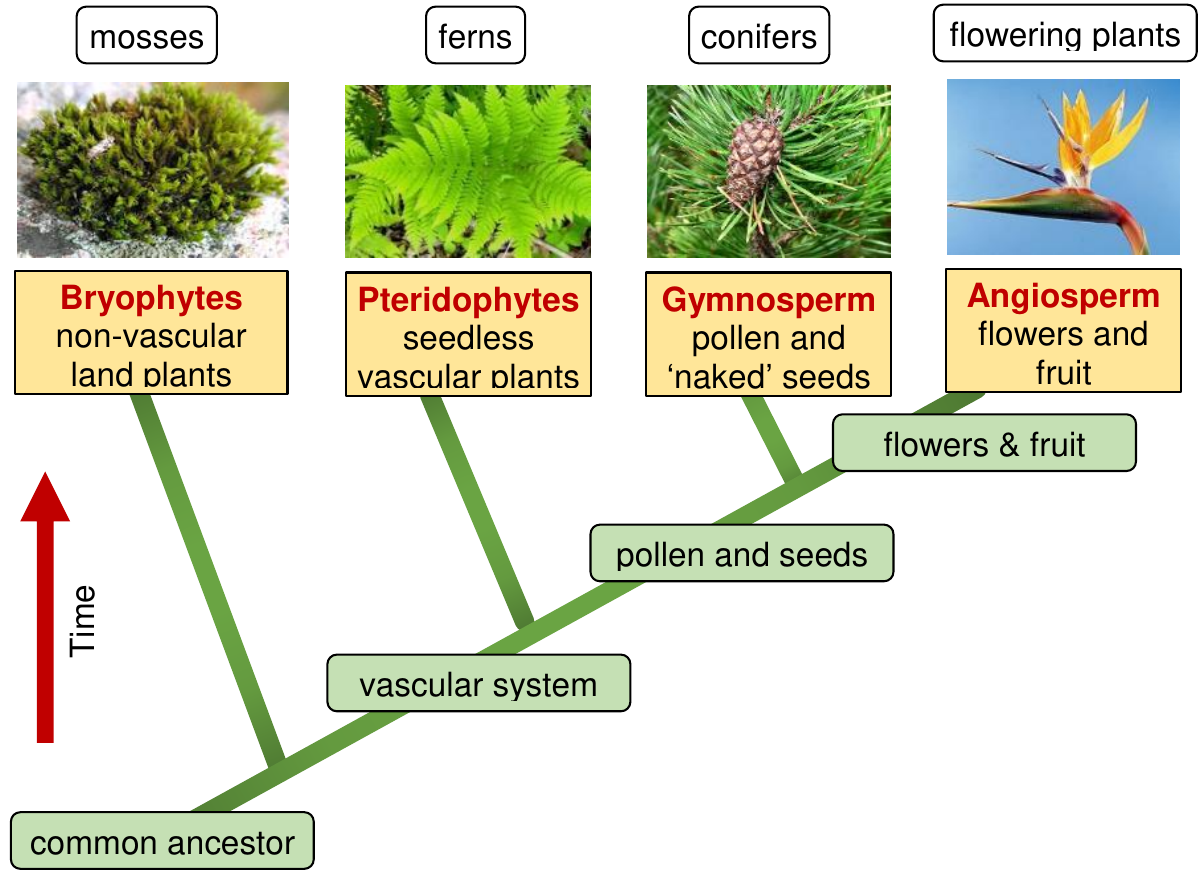
Plants have evolved from simple single-celled algae over millions of years. Today, we can group all plants into four major divisions based on their evolutionary relationships and shared characteristics. These divisions represent important steps in plant evolution, showing how plants gradually adapted to life on land.
Note
A phylogenetic diagram (also called a cladogram) shows the evolutionary relationship between organisms, helping us understand how different plant groups are related to each other.
The four major plant divisions are:
- Division Bryophyta (mosses, liverworts, and hornworts)
- Division Pteridophyta (ferns and their relatives)
- Division Gymnospermae (conifers, cycads, and related plants)
- Division Angiospermae (flowering plants)
Common characteristics of all plants
Before we explore each division, it's important to understand what all plants share. Every plant in the Kingdom Plantae has these basic features:
- Multicellular structure - Plants are made up of many cells working together
- Eukaryotic cells - Each plant cell has a membrane-bound nucleus containing genetic material
- Cell walls made of cellulose - This provides structure and support
- Autotrophic nutrition - Plants can make their own food through photosynthesis using chloroplasts
- Alternation of generations - Plants have a life cycle with two distinct phases: a diploid sporophyte generation that produces spores, and a haploid gametophyte generation that produces gametes
Note
Key Definitions:
- Multicellular: An organism made up of many cells
- Eukaryotic: Any single or multicellular group of organisms that have a membrane-bound nucleus containing genetic material
- Autotrophic: Organisms which can synthesise their own food (e.g. green plants, algae and some bacteria)
What makes each division unique
Scientists classify plants into these four divisions based on several key characteristics:
- Whether they have vascular tissues (specialised tubes for transporting water and nutrients)
- The presence of true roots, stems, and leaves
- Their reproductive methods and structures
- How much they depend on water for reproduction
Let's examine each division in detail.
Division Bryophyta
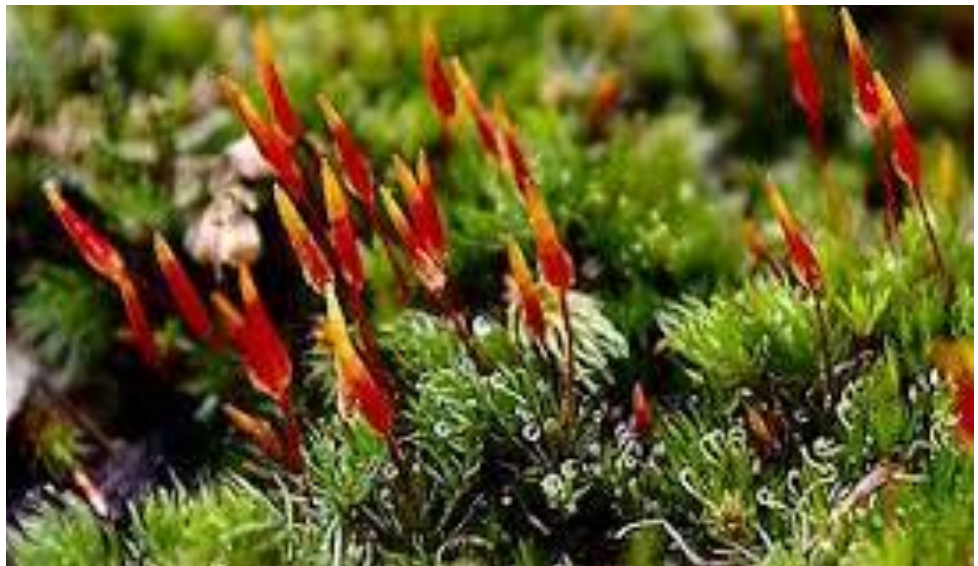
Bryophytes are the most primitive land plants and include mosses, liverworts, and hornworts. You'll commonly find mosses growing in damp, shady areas like forest floors or on rocks near streams.
Key characteristics of bryophytes
Size and structure:
- Bryophytes are generally small plants, usually less than 20 cm tall
- They don't have true roots, stems, or leaves - instead, their plant body is called a thallus
- What look like "leaves" are actually called leaflets
Water and nutrient transport:
- Bryophytes lack vascular tissues (no xylem or phloem)
- This limitation keeps them small because they can't efficiently transport materials over long distances
- Water can be absorbed directly through their surfaces since they don't have a waxy cuticle
Anchoring system:
- Instead of true roots, bryophytes have rhizoids - thread-like structures that anchor the plant to its substrate
- Rhizoids also help absorb water and minerals from the environment
Reproduction:
- The gametophyte generation is dominant (the green, leafy part you see)
- They can reproduce both sexually and asexually
- No fruits or seeds are produced - instead, they release spores for reproduction
- Bryophytes are heavily dependent on water for reproduction because sperm must swim to reach eggs
Important
Why Bryophytes Stay Small
Without vascular tissues to transport water and nutrients efficiently, bryophytes cannot grow tall. This is why you'll never see a "moss tree" - their simple structure limits their size and keeps them close to water sources.
Division Pteridophyta
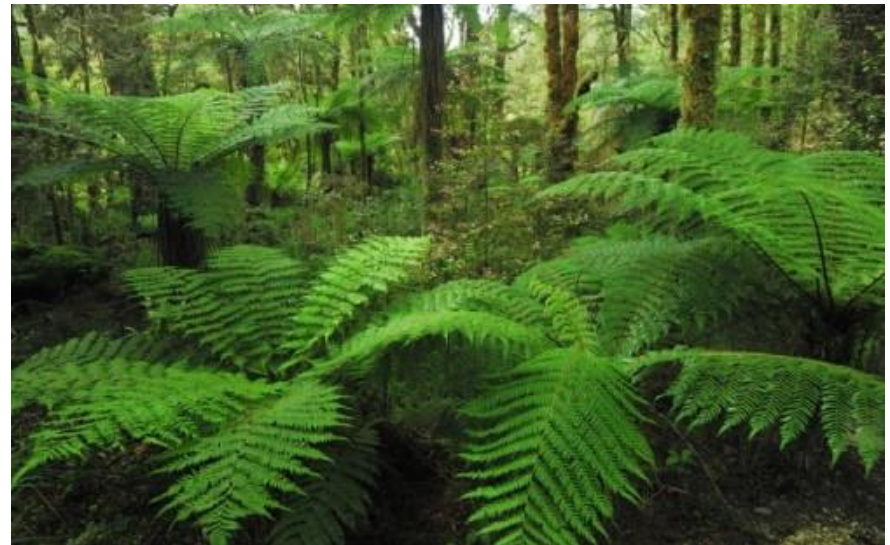
The pteridophytes include all ferns and represent a major evolutionary advance over bryophytes. There are approximately 12,000 different species of ferns worldwide, ranging from tiny 1 cm plants to tree ferns that can reach 25 metres in height.
Key characteristics of pteridophytes
Vascular system:
- Ferns have true vascular tissues - xylem for transporting water and phloem for transporting photosynthetic products
- This vascular system allows ferns to grow much taller than mosses
True plant structures:
- Ferns have genuine roots, stems, and leaves
- The leaves, called fronds, often have many divisions and are covered by a waxy cuticle to prevent water loss
- The stems, called rhizomes, usually grow horizontally underground
- Adventitious roots grow from the nodes of the rhizome - these are true roots with xylem and phloem
Reproduction:
- The sporophyte generation is dominant (the large fern plant you see)
- Ferns reproduce using spores, not seeds
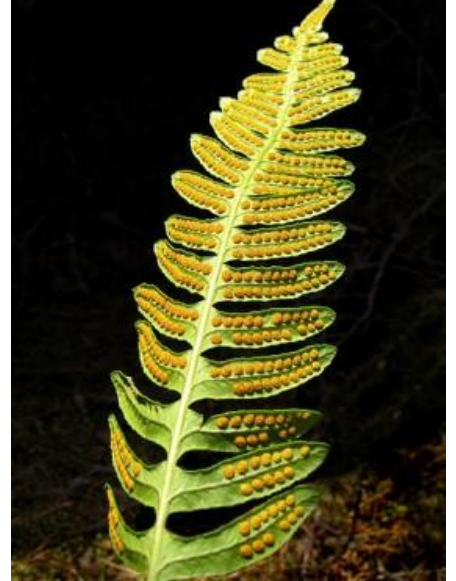
- Spores are produced in structures called sporangia, which cluster together in groups called sori
- You can see sori as brown or orange spots on the undersides of fern fronds
Note
Fern Terminology:
- Frond: The leaf of a fern, usually with many divisions
- Rhizome: A stem which grows horizontally underground
- Sori: A cluster of sporangia found on the underside of fern leaves
Example
Evolutionary Advancement: Bryophytes vs Pteridophytes
Bryophytes: Small size (max 20 cm) → No vascular tissues → Dependent on water
Pteridophytes: Can grow very tall (up to 25 m) → Have xylem and phloem → Less water dependent
This shows how the evolution of vascular tissues was a major breakthrough that allowed plants to colonise drier environments and grow to much larger sizes.
Division Gymnosperms
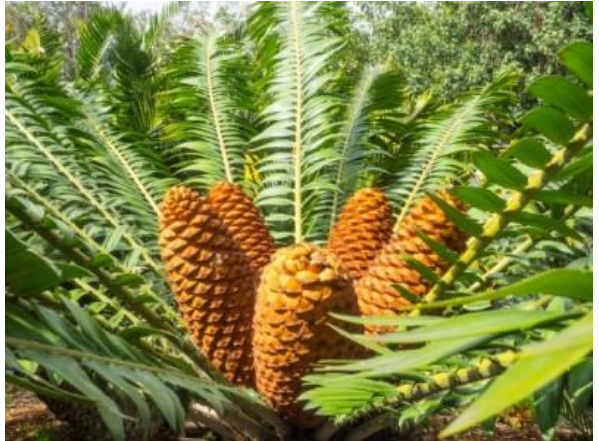
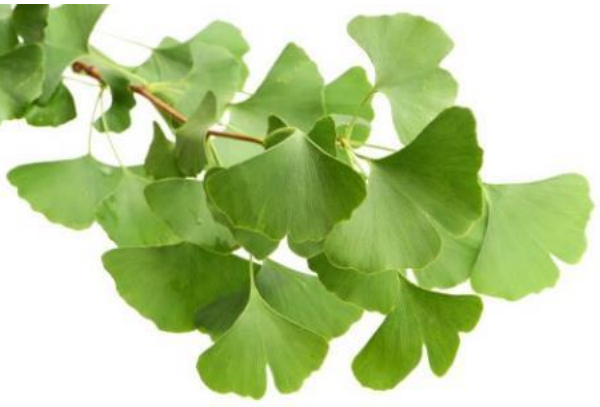
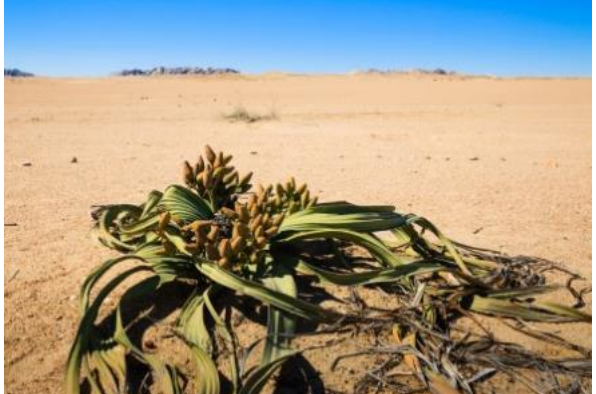
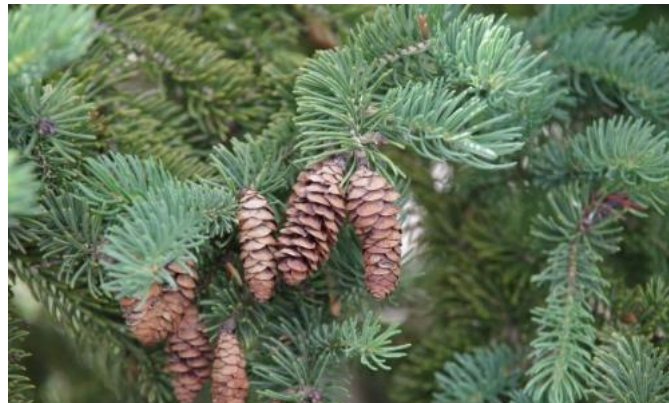
Gymnosperms represent another major evolutionary leap - they were the first plants to produce seeds. The name "gymnosperm" means "naked seed" because their seeds aren't enclosed in fruits. This division includes conifers (like pine trees), cycads, ginkgo trees, and welwitschia.
Key characteristics of gymnosperms
Advanced structure:
- Gymnosperms have true roots, stems, and leaves
- They possess vascular tissues, though pine tree xylem is simpler than in flowering plants (only xylem tracheids, no vessel elements)
- This makes pine wood softer than hardwood from flowering trees
Leaf adaptations:
- Many gymnosperms have needle-like leaves (like pine needles) with thick cuticles
- These adaptations help reduce water loss through evaporation
- The needle shape also prevents ice crystal formation in cold climates and stops snow from collecting on branches
Root systems:
- Gymnosperms typically have well-developed root systems for anchoring and nutrient absorption
Reproduction:
- The sporophyte generation is dominant
- Gymnosperms don't produce flowers - instead, they form separate male and female cones
- Fertilisation doesn't depend on water because pollen is carried by wind from male to female cones
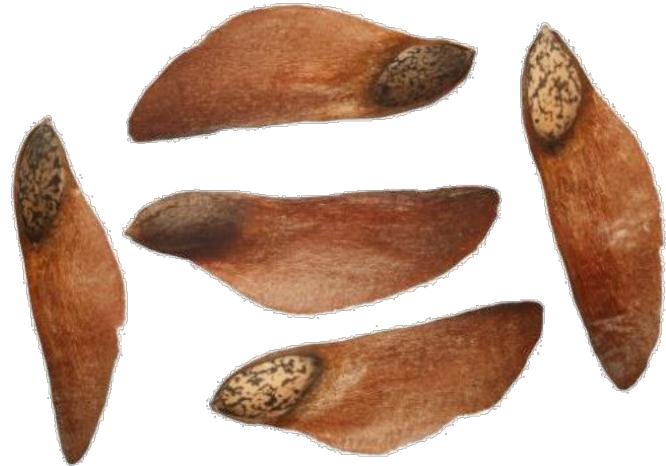
- Seeds are "naked" - carried on the exposed scales of female cones rather than enclosed in fruit
- When seeds are mature, they fall from cones and are dispersed by wind
Ecological importance:
- Many gymnosperms can tolerate harsh conditions better than other plants
- Pine trees aren't native to South Africa but are widely planted because they use available water more efficiently than local vegetation
Important
The Seed Advantage
The evolution of seeds was revolutionary! Unlike spores, seeds contain:
- A protective coat
- Stored food for the developing plant
- An embryo ready to grow
This means seeds can survive harsh conditions and don't need water for fertilisation - a huge evolutionary advantage over spore-producing plants.
Division Angiosperms
Angiosperms, commonly called "flowering plants," are the most diverse and successful group of plants on Earth. They include everything from tiny daisies to massive oak trees. Most angiosperms are autotrophic, though some species are parasitic or saprophytic.
Key characteristics of angiosperms
Advanced structure:
- The sporophyte generation is dominant, consisting of true roots, stems, and leaves
- Angiosperms have the most sophisticated vascular system, with both xylem and phloem for efficient transport
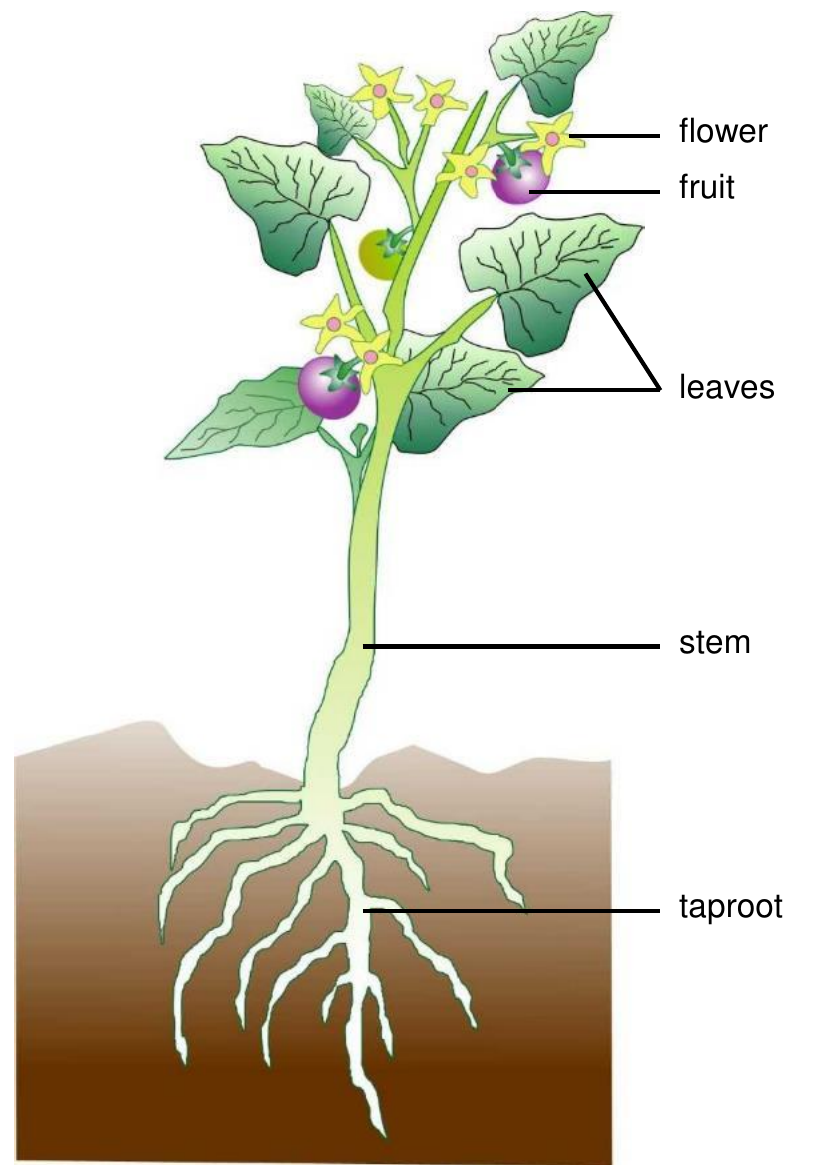
Root systems: Angiosperms have two main types of root systems:
| Root System Type | Description |
|---|---|
| Fibrous/adventitious | Many thin, moderately branching roots growing from the stem - common in monocotyledons (like grasses) |
| Tap root | One main primary root growing vertically downward - common in dicotyledons (like carrots and oak trees) |
Stems and leaves:
- Stems are divided into sections called nodes (where leaves attach) and internodes (sections between nodes)
- Leaves form at nodes and are covered with a waxy cuticle to prevent excessive water loss
Reproduction - the key advantage:
- Angiosperms produce flowers for reproduction
- After fertilisation, seeds develop inside fruits
- This protection gives angiosperm seeds a major advantage over "naked" gymnosperm seeds
- The fruit also helps with seed dispersal - animals eat fruits and spread seeds in their droppings
Life cycle:
- Similar to gymnosperms, but seeds are protected by fruit instead of being naked
- Flowers attract pollinators (like insects or birds) rather than relying solely on wind pollination
Example
Why Angiosperms Are So Successful
Innovation 1: Flowers attract specific pollinators → More efficient reproduction
Innovation 2: Seeds protected in fruits → Better survival rates
Innovation 3: Fruits aid seed dispersal → Plants can colonise new areas
Result: Angiosperms now dominate most ecosystems on Earth!
Summary
Key Points to Remember:
- Plant evolution shows increasing complexity: Bryophytes → Pteridophytes → Gymnosperms → Angiosperms
- Vascular tissues were a major breakthrough - they allowed plants to grow larger and live in drier environments
- Seeds gave gymnosperms and angiosperms a huge advantage - they can survive harsh conditions and don't need water for fertilisation
- Flowers and fruits made angiosperms the most successful plant group - they provide better reproduction and seed dispersal methods
- Each division represents millions of years of evolution - from simple mosses dependent on water to complex flowering plants that dominate most ecosystems today