Food Security (Grade 11 NSC Matric Life Sciences): Revision Notes
📚Revision Notes
Food Security
What is food security?
Food security is the guarantee that nutritious food will be available to all people at all times and in sufficient quantities. According to the World Health Organisation, it exists when everyone has physical and economic access to safe, nutritious food that meets their dietary needs and food preferences for an active, healthy life.
Note
The WHO definition emphasises both physical access (food must be available) and economic access (people must be able to afford it). This dual requirement shows why food security is such a complex global challenge.
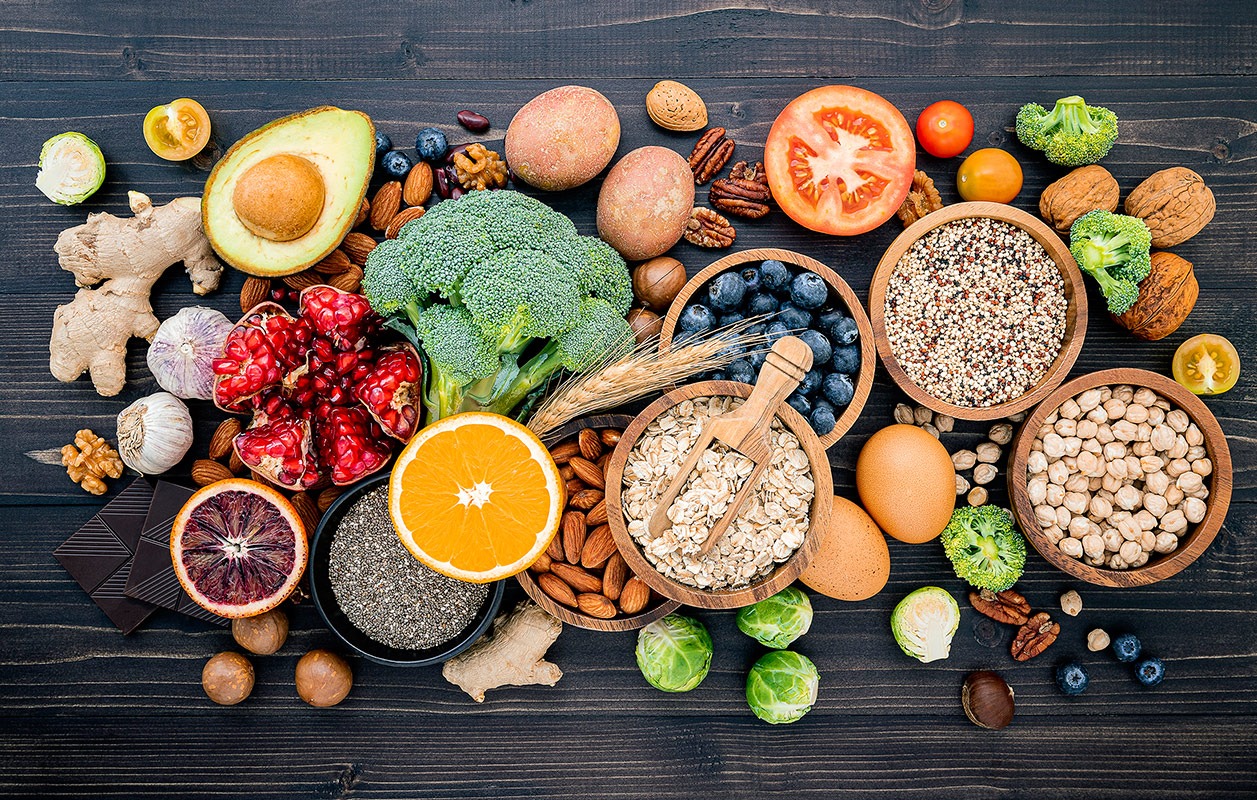
However, healthy and nutritious foods are often too expensive for poor people to access, even when there is enough food available.
Food insecurity occurs when there is evidence of malnutrition and starvation. This often results from socio-political conditions such as wars, refugee migrations, diseases and epidemics.
Key terminology
Understanding food security requires knowing these important terms:
| Term | Definition |
|---|---|
| Food security | The guarantee that nutritious food will be available to all people at all times and in sufficient quantities |
| Exponential growth | Where size increases at a greater and greater rate |
| Famine | Severe shortage of food that causes starvation |
| Monoculture | Farming a single crop or breed over a large area |
| Pesticide | Insect or rodent killer or poisons |
| Herbicide | Weed/plant killer |
| Fertiliser | Food for plants |
| Gene pool | All the different genes in a breeding population |
| Genetic engineering | Altering the genes of organisms |
| Subsistence farming | Farming traditionally to feed themselves to survive |
| Commercial farming | Farming with machinery to sell products for profit |
Note
These terms form the foundation for understanding food security challenges. Pay particular attention to the difference between subsistence and commercial farming, as this distinction helps explain many global food security patterns.
Factors that influence food security
Food security faces many challenges in our modern world. The main factors that threaten our ability to feed everyone include:
- Human exponential population growth
- Droughts and floods caused by climate change
- Alien plants reducing agricultural land
- Loss of wild varieties and shrinking gene pools
- Massive food wastage
- Genetically engineered foods (which can help but also create problems)
- Poor farming practices
Human exponential population growth
For thousands of years, human population grew very slowly. It wasn't until the early 1800s that the world's population reached 1 billion people. By 2020, estimates suggest 9 billion people live on our planet. This puts enormous strain on food resources.
The graph shows how human population has grown exponentially, meaning it increases at a faster and faster rate each year. This creates an ever-growing demand for food that becomes increasingly difficult to meet.
Important
Population Growth Impact: The jump from 1 billion to 9 billion people in just over 200 years represents unprecedented pressure on Earth's food systems. This exponential growth pattern means we need to constantly increase food production just to maintain current nutrition levels.
Droughts and floods from climate change
Climate change and extreme weather conditions caused by global warming seriously threaten food security:
Droughts pose a major threat to crops and reduce food security, often resulting in famine. After diseases, famine is the second largest cause of death worldwide. When crops fail due to lack of water, entire communities can face starvation.
Floods are becoming more frequent due to changing rainfall patterns and extreme weather events like hurricanes. Floods put enormous pressure on food production by destroying crops and making it impossible to recover agricultural land quickly after flooding. Floods also increase the spread of diseases.

Alien invasive plants and the reduction of agricultural land
Alien invasive plants reduce food security in several harmful ways:
Water consumption: Alien plants use much more water than indigenous plants, lowering the water table for boreholes. This reduces the water supply available for irrigating food crops.
Fire risk: Aliens such as gum, pine and wattle trees contain volatile oils which burn faster than indigenous species, resulting in devastating veld fires.
Soil changes: The bark, stems and leaves of some alien invasive plants change the soil pH, making it unable to support agricultural production.
Toxic effects: Some alien plants that invade pastures and grasslands are inedible or toxic, negatively affecting livestock that attempt to eat them.
Competition with crops: Weeds outcompete planted crops for nutrients, water and space. This affects food production because they are labour-intensive to remove and expensive to control with pesticides.

Loss of wild varieties impacts biodiversity and the gene pool
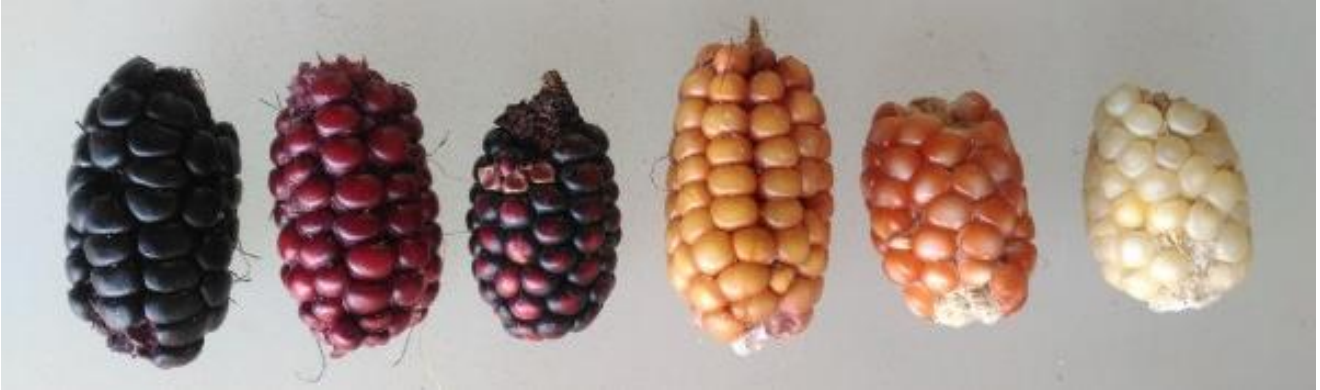
Most modern food crops and meat supplies come from plants and animals that have been selectively bred or domesticated from wild varieties. Over centuries, humans have improved nutrient values and food yields by selectively breeding some varieties over others.
However, wild varieties are often more resistant to pests and diseases. They can be used to breed resistant genes into domesticated crops, which is crucial for maintaining food security.
Note
Understanding Gene Pools
The gene pool refers to the wide variety of genetic characteristics that are passed on through reproduction. Understanding gene pools is important for food security:
- A large gene pool means great genetic diversity, with strong and healthy breeding stock (found in wild varieties)
- A small gene pool means low genetic diversity and more susceptibility to problems, creating weaker stock (often a result of selective breeding)
Ongoing destruction of habitats is resulting in mass extinction of species and shrinking of gene pools across all food species we depend on. This makes our food supply more vulnerable to diseases and pests.
Food wastage
Food security is more threatened by wastage than by any shortage. It is estimated that a third of global food production (1.3 billion tonnes) is wasted worldwide every year! This waste occurs at every step of the food chain: growing, harvesting, processing, retailing and consumption.
Important
Staggering Waste Statistics: 1.3 billion tonnes of food wasted annually represents enough food to feed 3 billion people. This means we already produce enough food to feed everyone on Earth - the problem is distribution and waste, not production capacity.
Wastage in developing countries vs developed countries:
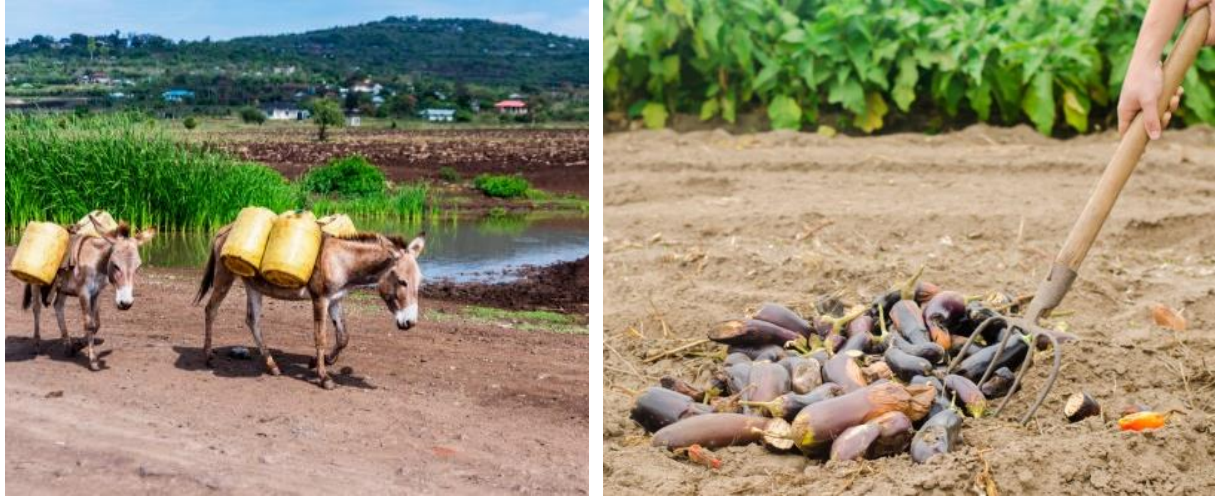
In developing countries, 40% of food is lost during food production and transportation. This happens because subsistence farmers:
- Often farm in poor-quality soil or areas unsuitable for agriculture
- Lack adequate storage and cooling facilities
- Cannot protect crops and livestock from extreme weather, pests and diseases
- Cannot afford expensive long-distance transportation and struggle with bad roads and limited railway access
In developed countries, food is wasted at all stages of the food supply. The total food waste is estimated at 222 million tonnes per year - almost the entire food production of sub-Saharan Africa! This waste occurs because of:
- Machinery harvesting that takes ripe and unripe crops together, wasting the unripe ones
- Laws requiring disease-infected stocks to be completely destroyed
- Commercial farming surpluses being discarded when selling prices are too low
- Supermarkets marking foods with 'sell-by' and 'eat-by' dates, leading to dumping of perfectly edible food
Genetically engineered foods
Genetically modified (GM) foods can actually improve food security in several ways:
- They are modified to be pest and disease resistant, which reduces the cost of pesticides
- They are modified to provide extra nutrients and achieve greater yields
- They can be altered to tolerate drought conditions and salty soils, allowing growth in previously unsuitable areas
However, GM foods also create concerns about reducing genetic diversity and corporate control over seed supplies.
Poor farming practices
Famine often results from poor farming practices, and climate change is making the situation worse. Several harmful practices threaten food security:
Monoculture
Monoculture refers to growing high-yielding crops of a single species over large areas for many consecutive years. Examples include maize, wheat, carrots, and fruit trees.
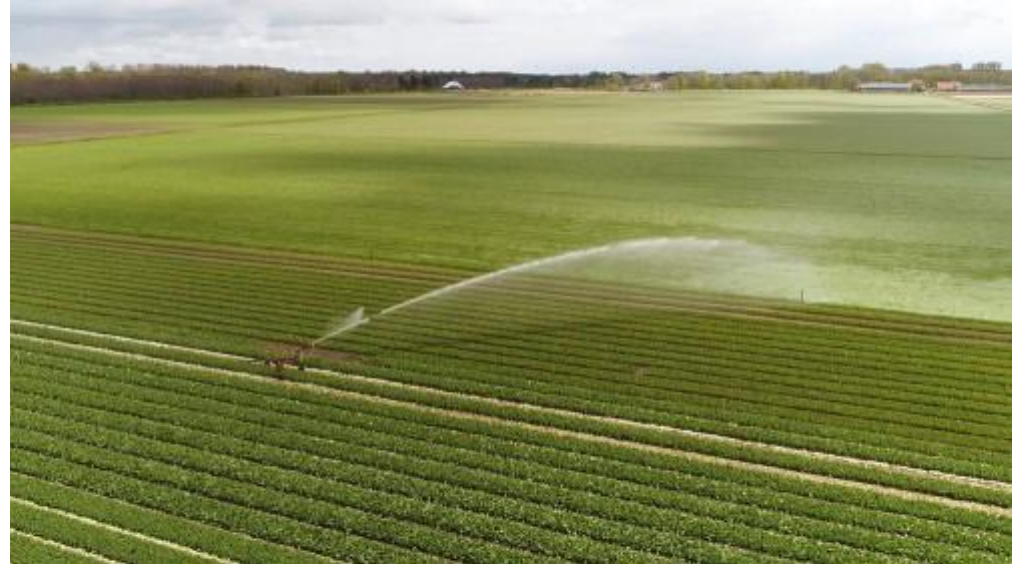
The negative effects of monoculture include:
- Exponential growth of pests attracted by the concentration of their preferred food
- Loss of topsoil once crops are harvested
- Loss of biodiversity as other plants cannot grow
- Increased application of fertilisers and pesticides
- Periods when no food is available for bees and other beneficial insects
Overgrazing and loss of topsoil
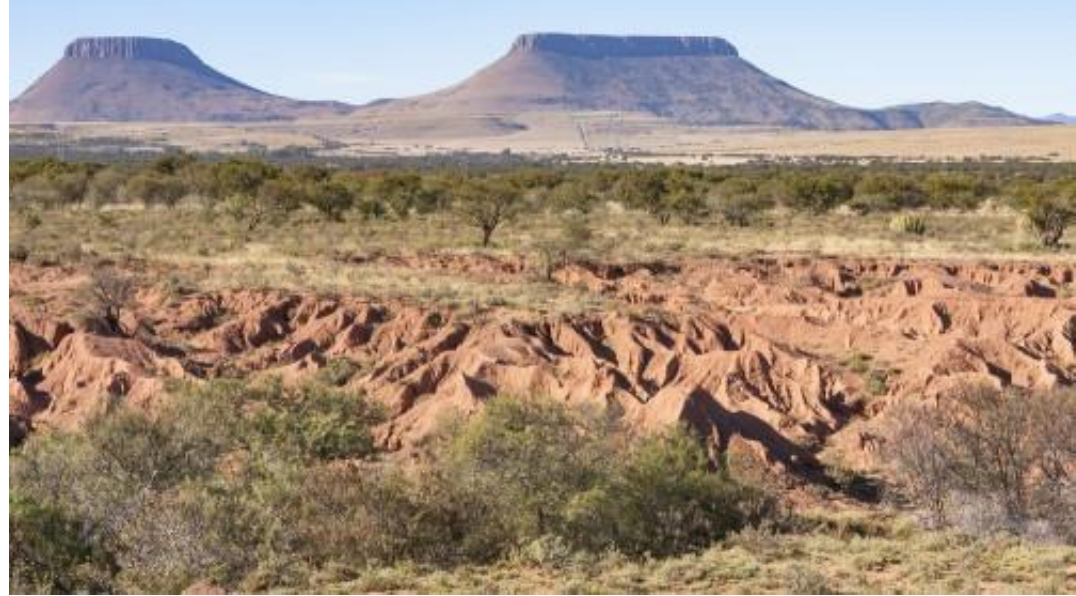
Overgrazing occurs when too many animals graze an area for prolonged periods. The plant cover that protects and binds the soil gets removed. Topsoil is vital for agriculture because it is rich in humus (organic matter), inorganic nutrients (minerals), and organisms like earthworms that aerate and enrich the soil.
Note
South African Context: In South Africa, almost 70% of agricultural land is used for grazing because it is not fertile enough or too dry to support crop planting. This makes proper grazing management crucial for the country's food security.
The effects of overgrazing include:
- Loss of topsoil and erosion because protective plants have been removed
- Increased growth of unpalatable species as grazers selectively remove the palatable ones
- Topsoil washing into dams and rivers, causing silting
The use of fertilisers
Artificial fertilisers are industrially manufactured chemicals containing nitrates, phosphates and potassium. They increase crop yields and quality while reducing growing time. However, they are expensive and drive up the cost of food production, thereby lowering food security for poor communities.
The use of pesticides
Currently, over a third of global food crops are lost to pests. Farmers use large quantities of chemical pesticides to control pests including:
- Microorganisms that cause diseases such as rust and blight
- Insects such as aphids, beetles, caterpillars and locusts
- Rodents such as rabbits, rats and mice
However, chemical pesticides create serious problems:
Environmental toxicity: Pesticides are toxic to the environment and affect useful species as well as the pests they target.
Bio-accumulation: Concentrations of toxins accumulate (build up) in the food chain. For example, an owl that eats poisoned rats and mice will accumulate more poison than the amount consumed by just one of its prey. This is called bio-accumulation of poisons.
Example
Bio-accumulation Example: If a pesticide concentration is 1 unit in plants, it might be 10 units in the rats that eat those plants, and 100 units in the owl that eats 10 rats. This multiplying effect makes top predators particularly vulnerable to pesticide poisoning.
Water contamination: When heavy rains fall, pesticides wash from sprayed crops and poisoned soil into surface water bodies, affecting fish and other aquatic organisms. Birds that prey on these contaminated animals also die, reducing food supplies for humans.
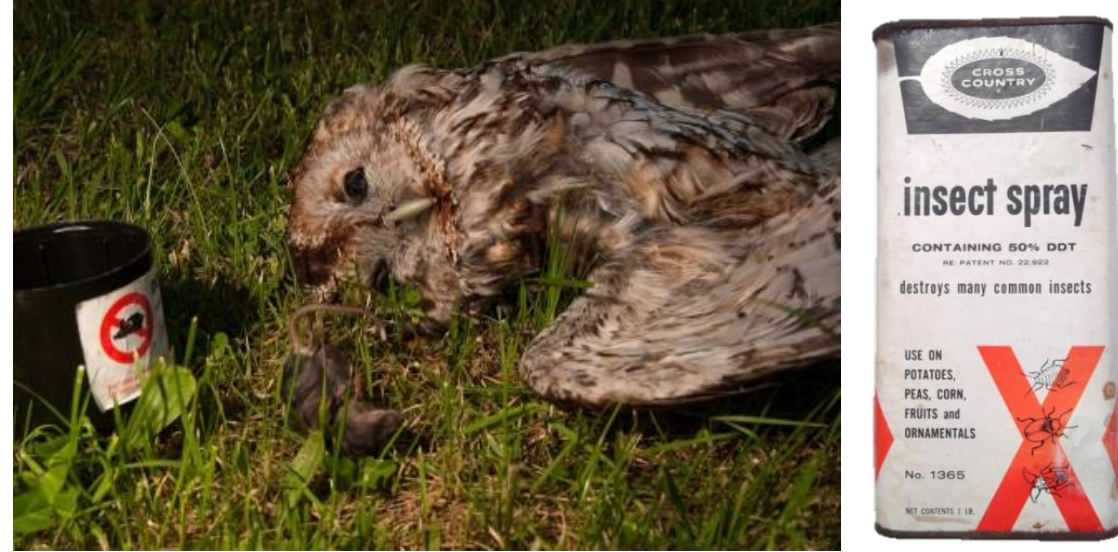
The image shows how pesticides can kill non-target species like owls, demonstrating the serious environmental consequences of chemical pest control.
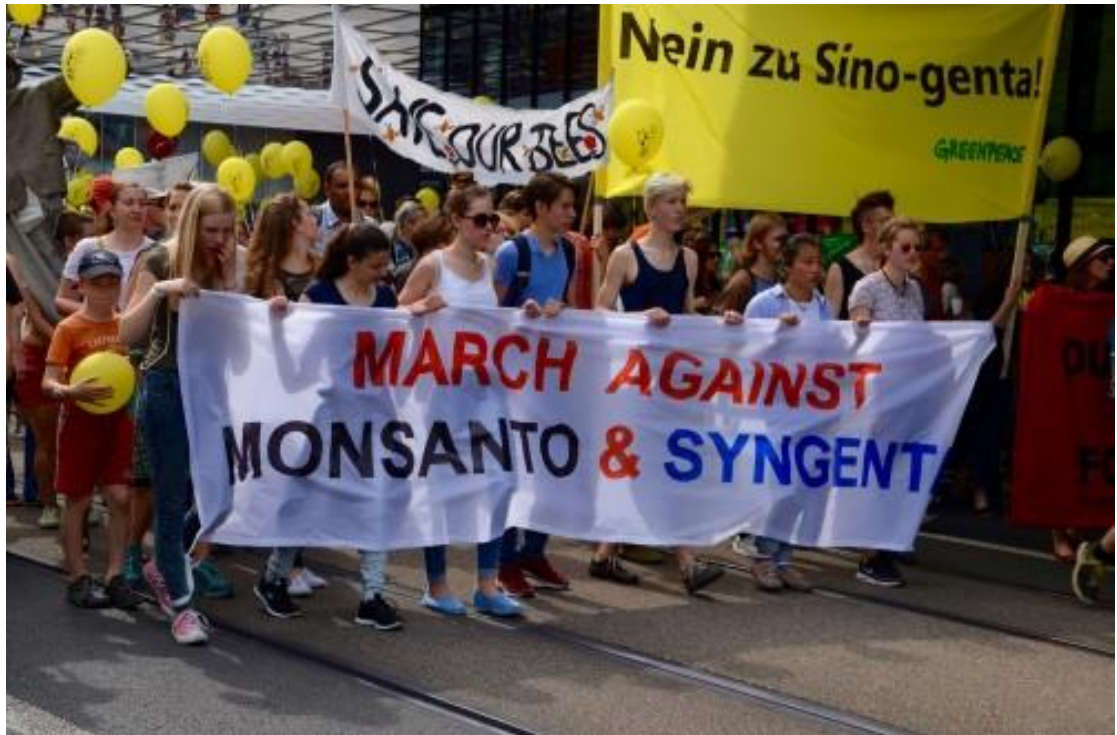
There is growing opposition to large multinational companies that control agricultural economics and limit farmers' rights to save and exchange seeds.
Summary
Key Points to Remember:
- Food security means everyone has access to enough safe, nutritious food at all times
- Population growth puts increasing pressure on food resources as more people need to be fed each year
- Climate change causes droughts and floods that destroy crops and reduce food production
- Poor farming practices like monoculture, overgrazing, and excessive pesticide use damage the environment and reduce long-term food security
- Food wastage is a bigger threat to food security than food shortages - a third of all food produced globally is wasted each year