The Atmosphere and Climate Change (Grade 11 NSC Matric Life Sciences): Revision Notes
📚Revision Notes
The Atmosphere and Climate Change
Introduction and key concepts
Climate refers to the average weather conditions (temperature, rainfall and air pressure) of a large area over a long period of time. Climate change refers to any change or disturbance to an established climate pattern that has happened in the past and is occurring now.
Understanding how human activities affect our atmosphere is crucial for protecting our planet's future. The atmosphere acts like a protective blanket around Earth, but human actions are changing its composition and affecting global climate patterns.
Note
The distinction between weather and climate is important: weather describes short-term conditions (what's happening today), while climate describes long-term patterns (what typically happens over decades).
Composition of the atmosphere
Earth's atmosphere consists of a critical mixture of gases that sustain life. The main components are:
- 78% nitrogen (N₂) - the most abundant gas
- 21% oxygen (O₂) - essential for respiration
- 1% trace gases - including carbon dioxide (CO₂), argon, and other small amounts
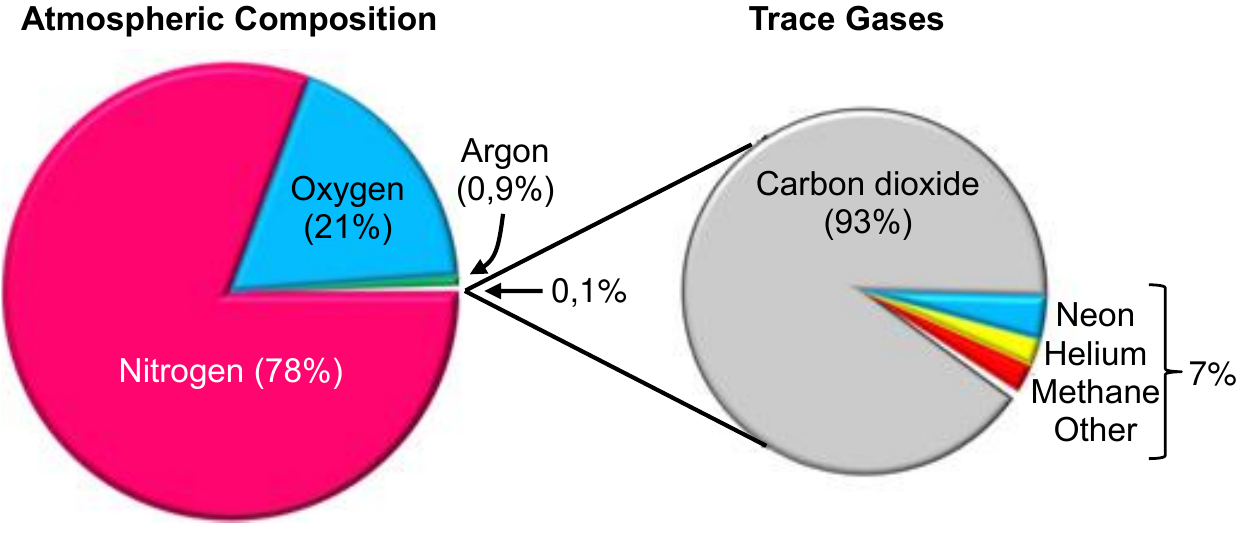
Within that 1% of trace gases, carbon dioxide makes up about 93%, with the remaining 7% consisting of gases like neon, helium, and methane. Although these trace gases make up a tiny fraction of the atmosphere, they play a huge role in regulating Earth's temperature.
Important
Despite making up only 1% of the atmosphere, trace gases are responsible for controlling Earth's temperature through the greenhouse effect. Without them, our planet would be frozen and uninhabitable.
Key terminology
Understanding climate science requires knowing some important terms:
- Greenhouse gases (GHGS): Gases that trap heat in the atmosphere, mainly carbon dioxide and methane
- Emissions: Released gases that are usually harmful to the environment
- The greenhouse effect: Warming of Earth's surface by greenhouse gases trapping heat
- The natural greenhouse effect: When greenhouse gases are balanced, they regulate Earth's temperature and enable life
- The enhanced greenhouse effect: When excessive greenhouse gases trap too much heat in the atmosphere
- Global warming: Rising average Earth temperature due to the enhanced greenhouse effect
- Carbon sink: Any natural system (soil, water, or plants) that absorbs and stores carbon dioxide
- Carbon footprint: The amount of carbon dioxide released due to individual or group energy needs
Sources of greenhouse gas emissions
Carbon dioxide (CO₂) emissions
Carbon dioxide is the most significant greenhouse gas produced by human activities. Major sources include:
- Cellular respiration - when living organisms exhale CO₂
- Decomposition of dead plants and animals
- Burning fossil fuels for electricity and transport - the largest human source
- Chemical reactions in cement production and fertiliser manufacturing
- Fires including veld fires and domestic wood burning
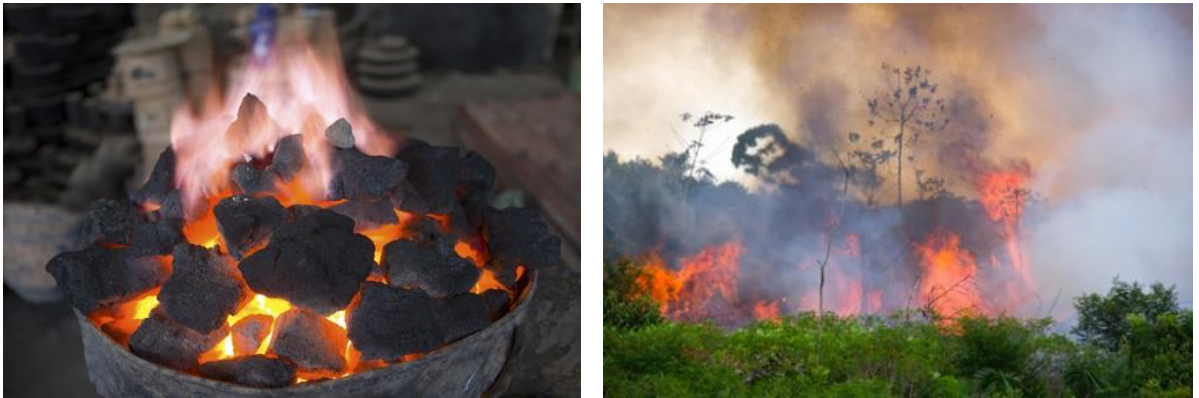
When we burn coal for electricity or petrol in cars, we release stored carbon that has been locked away for millions of years. Forest fires also release large amounts of CO₂ and contribute to deforestation.
Methane (CH₄) emissions
Methane is the second-largest contributor to the enhanced greenhouse effect. As the planet warms, methane's contribution increases even faster. Human activities account for over 60% of atmospheric methane.
Note
Methane is particularly concerning because it traps heat much more effectively than CO₂ - about 25 times more potent over a 100-year period. Even small increases in methane can have significant warming effects.
Sources of methane include:
- Natural decomposition of organic materials in wetlands without oxygen
- Melting ice in polar regions releasing trapped methane bubbles from permafrost
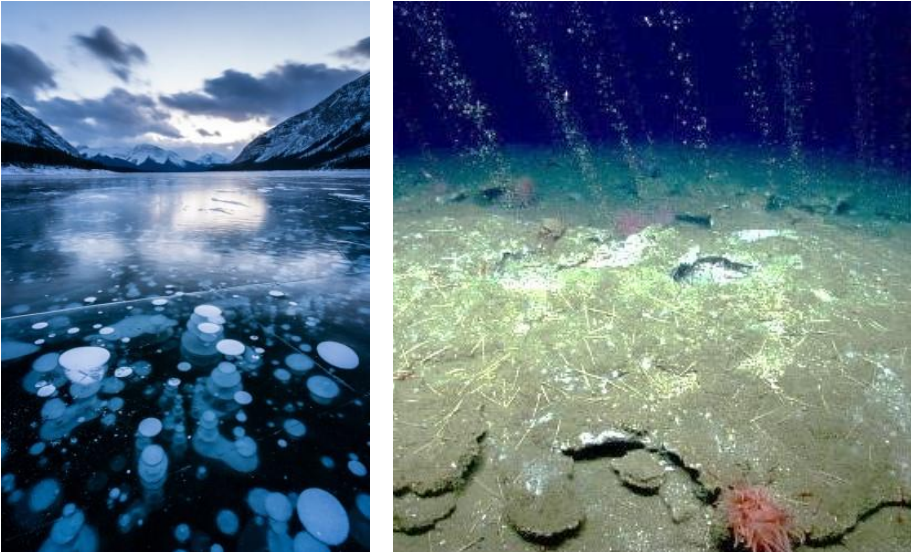
- Ocean floor decomposition - marine organisms release methane as ocean temperatures rise
- Intensive agriculture:
- Decomposing animal waste and compost for fertilising
- Ruminant animals (cattle, sheep, goats) releasing gas during digestion
- Industrial processes:
- Refining fossil fuels like crude oil and natural gas
- Hydraulic fracturing (fracking) for extracting natural gas from rock
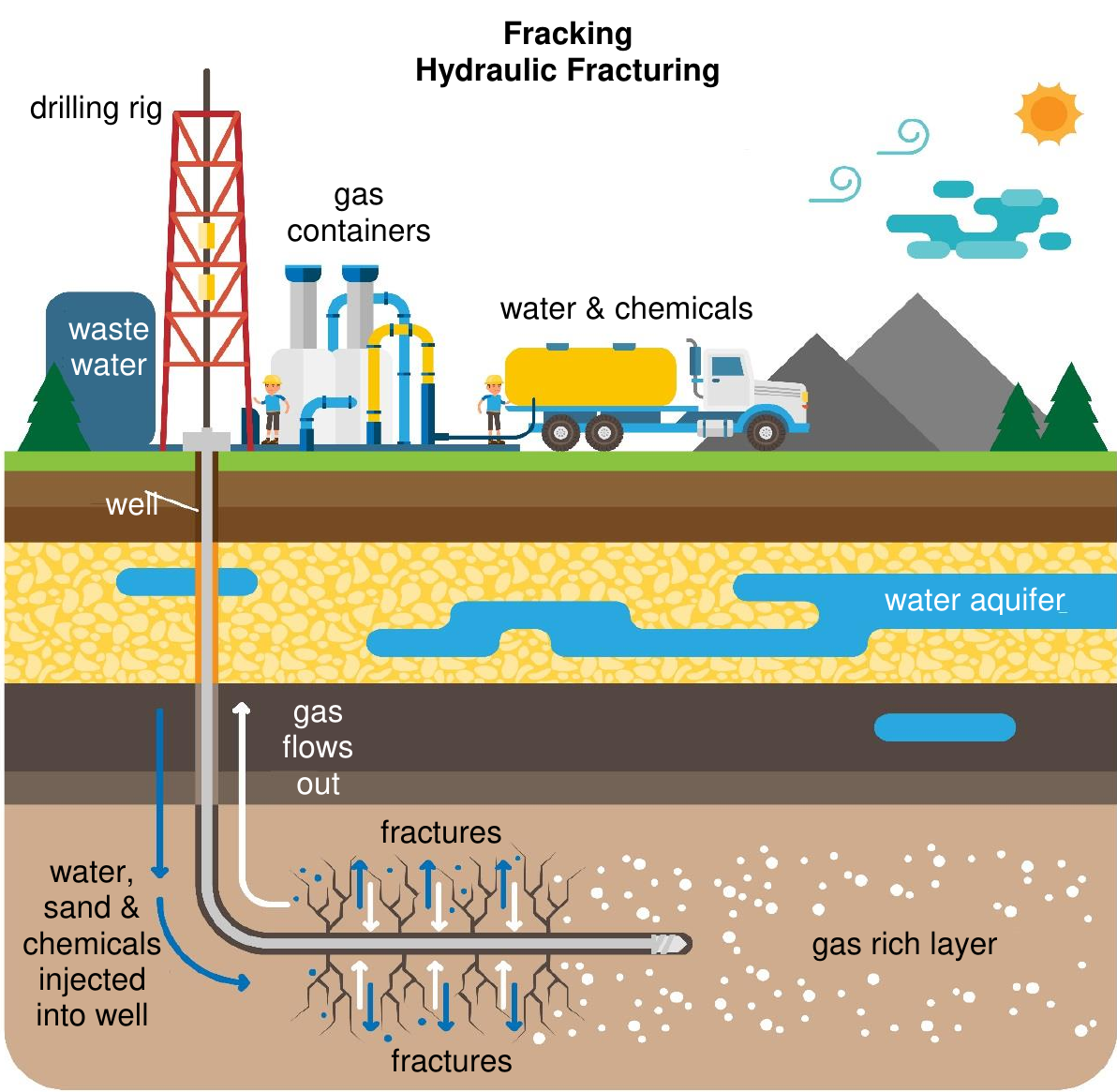
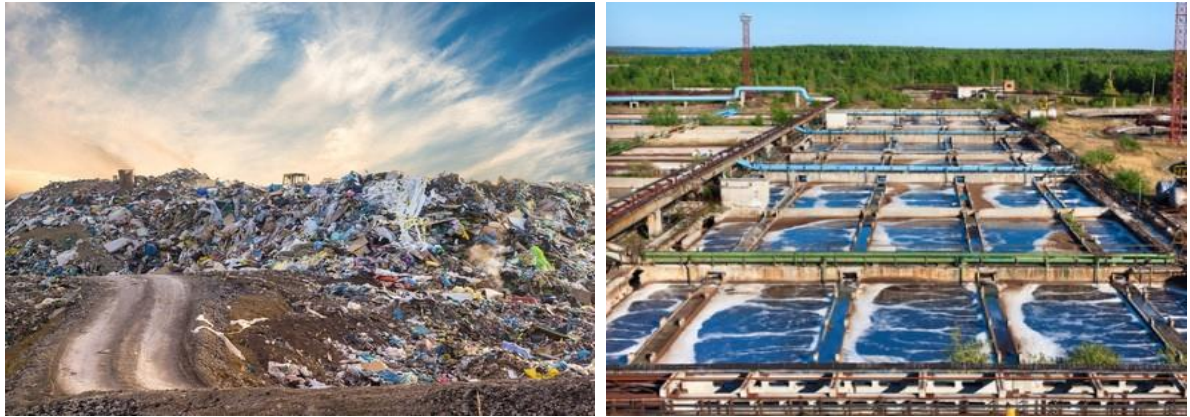
- Waste management - landfills and sewage treatment plants produce methane during decomposition
- Termite populations feeding on dead trees from logging activities
Other greenhouse gases
Water vapour is actually the largest volume greenhouse gas that warms the planet naturally, but human activities don't directly control its levels.
Nitrous oxide (N₂O) comes from:
- Burning wood and fossil fuels
- Biological processes breaking down organic matter in soil and sea
- Nitrogen fertilisers used in commercial farming
Ozone (O₃) has two faces - it can be helpful or harmful depending on location:
- Ground-level ozone from vehicle emissions is a pollutant and harmful greenhouse gas
- Stratospheric ozone (15-50 km above Earth) is helpful, protecting life by absorbing up to 99% of dangerous ultraviolet radiation
Chlorofluorocarbons (CFCs) are found in aerosol sprays, solvents, refrigerators, and fast food packaging foam.
The greenhouse effect and its importance for life on Earth
How a greenhouse works
A greenhouse is built with transparent walls (glass or plastic) that allow sunlight to enter and warm the space inside. Although some heat escapes through the walls, trapped heat keeps the interior warm enough for plants to grow in all weather conditions.
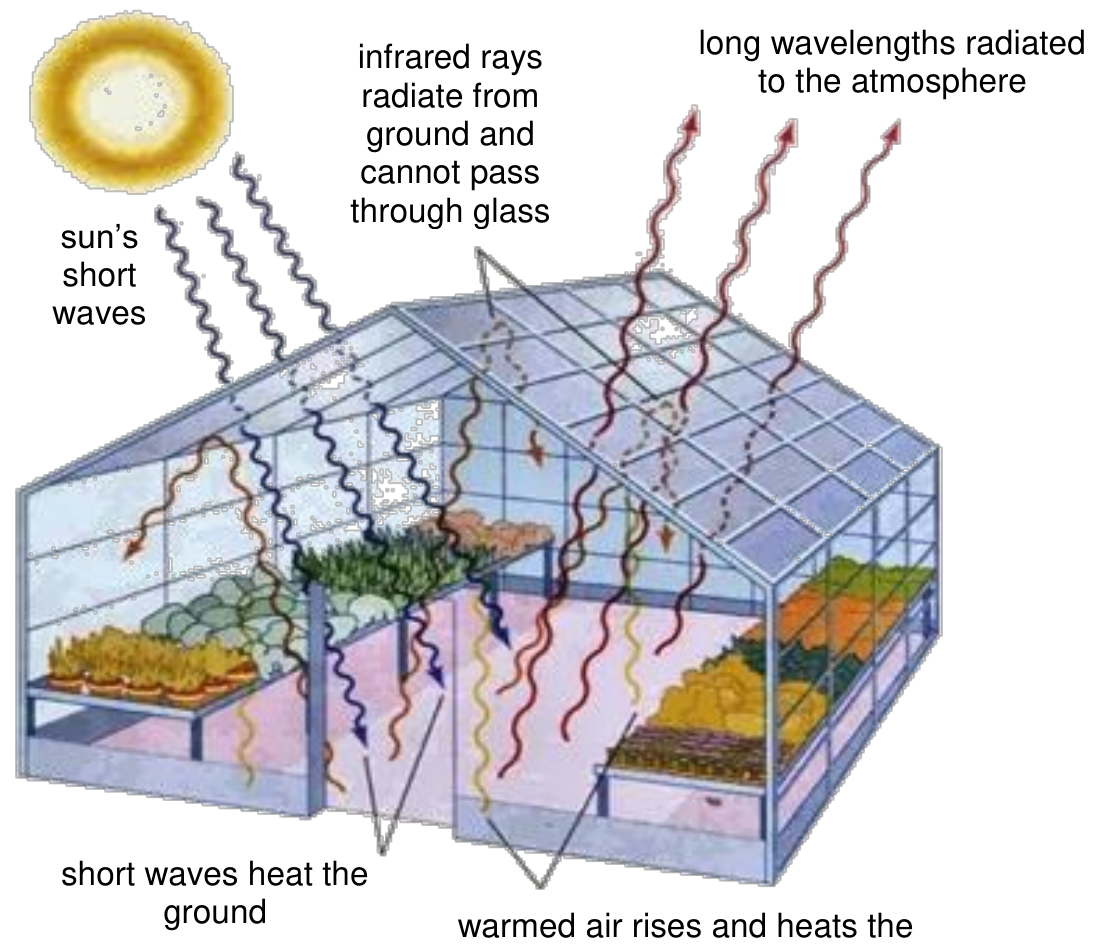
The sun's short-wave radiation passes through the glass, but the longer infrared waves radiating from the warmed ground cannot easily pass back out, creating a warming effect.
The natural greenhouse effect
The greenhouse effect refers to natural warming of Earth by heat trapped by atmospheric greenhouse gases like water vapour, carbon dioxide, and methane. These gases act as an insulating blanket, keeping temperatures evenly warm at a range that supports life.
Important
Without any greenhouse gases, Earth's atmosphere would have a temperature of -18°C - too cold to sustain life as we know it. The natural greenhouse effect is essential for life on Earth.
The process works in five steps:
- The sun emits radiation towards Earth - some reflects off the atmosphere back into space
- Solar radiation passes through the atmosphere and warms Earth's surface
- Earth's surface releases radiation back into the atmosphere - some escapes to space
- Most reflected radiation is absorbed and trapped by greenhouse gases, warming Earth
- Trapped radiation reflects back to Earth as well, warming and insulating the surface even more
The enhanced greenhouse effect
When human activities increase greenhouse gas concentrations, we get an enhanced greenhouse effect. This results in significantly higher average surface temperatures over time, causing global warming.
The enhanced greenhouse effect is responsible for the climate changes we're experiencing today.
The effects of global warming
Global warming is causing widespread environmental changes with serious consequences:
Temperature and weather changes:
- Sharply rising temperatures increase heat waves
- More extreme weather conditions and powerful storms
- Changing rainfall patterns - dry areas getting heavy rain while wet areas become drier
- Longer, more frequent droughts leading to fires, soil erosion, and desertification
Sea and water impacts:
- Rising sea levels causing coastal flooding - many coastal cities face submersion
- Seawater becoming too acidic from increased CO₂, weakening marine animal shells and coral reefs
- Warmer sea water killing corals in shallow oceans (corals are important carbon sinks)
Food and land changes:
- Decreasing food production as crops cannot adapt to changing seasons
- Food insecurity increases globally
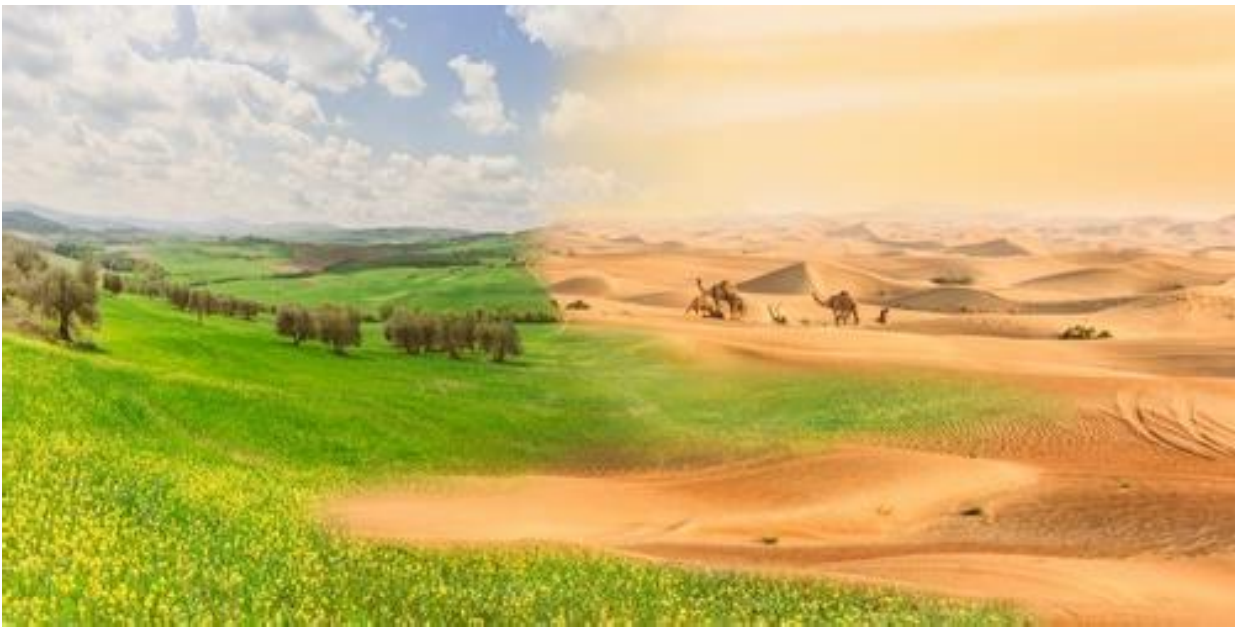
- Desertification - fertile land becoming desert (33% of land is becoming desert, putting a billion people at risk of famine; 90% of South Africa is classified as desert or semi-desert)
Important
Critical Warning: Desertification threatens food security for over 1 billion people worldwide. This represents one of the most immediate threats of climate change to human survival.
Polar regions:
- Melting polar ice caps and glaciers cause multiple problems:
- Polar species like bears, Arctic foxes, and Emperor penguins unable to adapt face extinction
- Global temperatures rise further as ice reflects solar radiation but liquid water absorbs heat
- Methane trapped in ice is released, accelerating warming and melting more ice
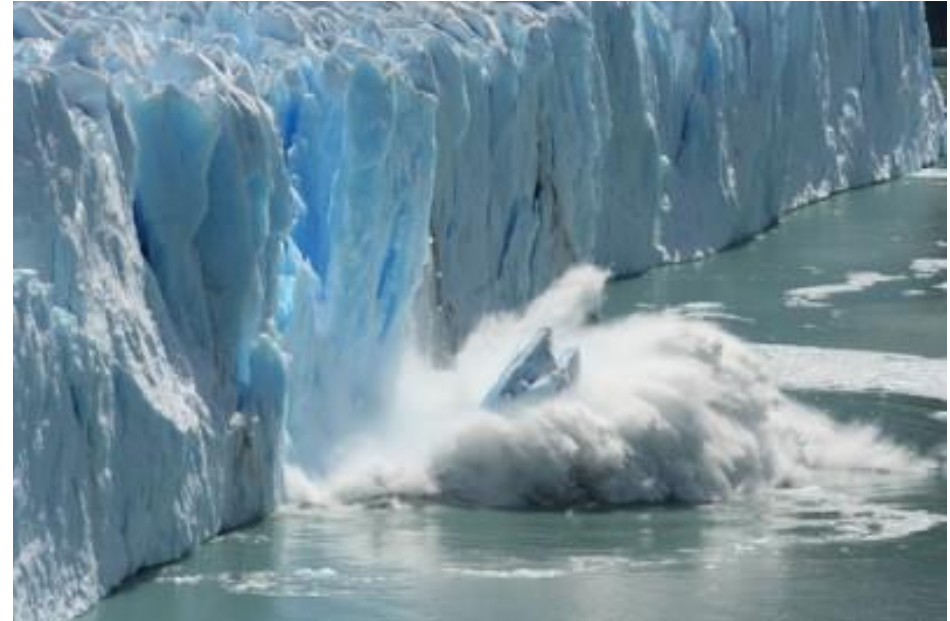
- Melting permafrost in Arctic regions releases stored CO₂ and methane
Social impacts:
- Economic, political, and social conflicts increase as natural resources become limited
- Climate refugees migrate from war-torn, developing countries suffering climate change consequences
Deforestation and its influence on CO₂ concentration
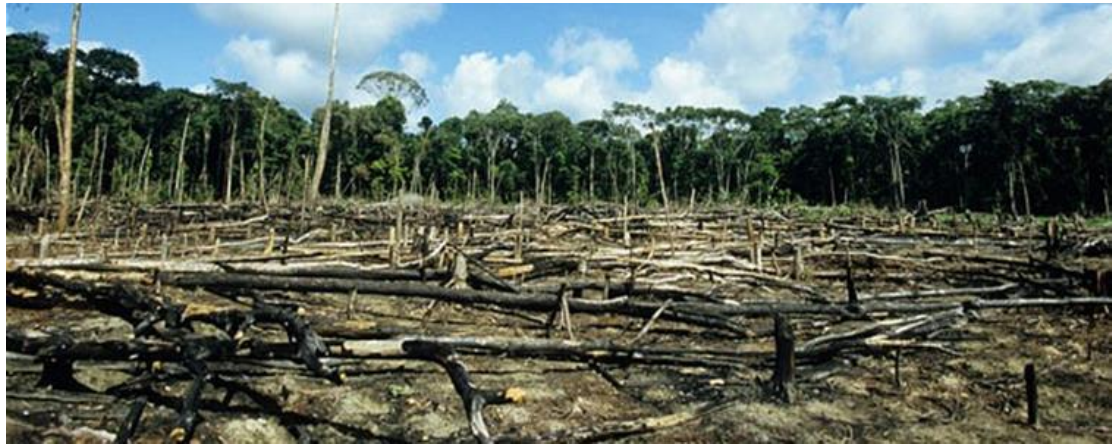
Deforestation is the large-scale destruction of indigenous forests through human activities like felling and burning trees to clear space for other purposes. This contributes an estimated 20% of total global greenhouse gas emissions.
Reasons for deforestation
- Land clearance for farming and urban development
- Commercial logging to supply world timber market demands
- Plantation removal - clearing indigenous forests to plant fast-growing commercial trees for building materials and paper
- Mining operations requiring vegetation clearing over large areas
- Fuel collection - cutting trees for firewood and charcoal where people lack gas or electricity
- Traditional medicine harvesting - stripping bark and roots from indigenous trees
- Forest fires (deliberate or accidental) destroying vast natural vegetation areas
- Acid rain weakening trees by damaging leaves and limiting nutrient uptake
Effects of deforestation
Increased atmospheric carbon dioxide:
- Forests act as natural carbon sinks - they absorb CO₂ during photosynthesis and store carbon in wood and soil
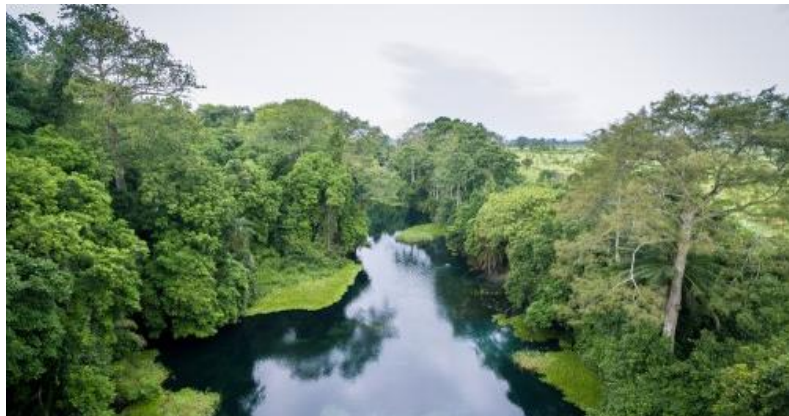
- When forests are removed, CO₂ remains in the atmosphere instead of being absorbed, contributing to global warming
- Manufacturing wood and paper products releases additional CO₂
- Burning felled trees releases the CO₂ that was previously stored in the trees
Note
The carbon cycle disruption from deforestation creates a double impact: we lose the trees that would absorb CO₂ from the atmosphere, while simultaneously releasing the carbon that was stored in those trees.
Increased atmospheric methane:
- Livestock in cleared areas produce methane through digestion
- Termite populations feeding on dead trees release large quantities of methane
Other environmental effects:
- Soil degradation from nitrogen loss and exposure to wind and water erosion
- More frequent flooding and mudslides as vegetation can no longer absorb heavy rainfall
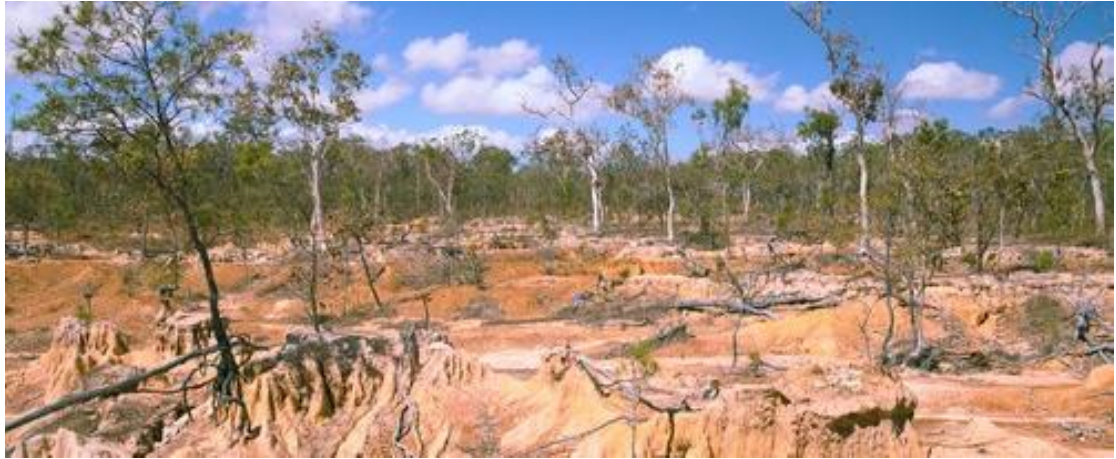
- Desertification and species extinction occur more rapidly - an estimated 50,000 species disappear annually due to deforestation
Carbon footprint: ways of reducing our carbon footprint
A carbon footprint refers to the total amount of CO₂ emitted by an individual or group in one year. We can have either a heavy carbon footprint (releasing large quantities of CO₂) or a light carbon footprint (releasing small quantities).
Human activities increase CO₂ emissions daily through:
- Direct use of fossil fuels (driving cars, heating homes)
- Indirect use by consuming products and services processed with fossil fuel energy
Important
Reducing our carbon footprint is the most important long-term step we can take to ensure our future on this planet.
Strategies to reduce carbon footprint
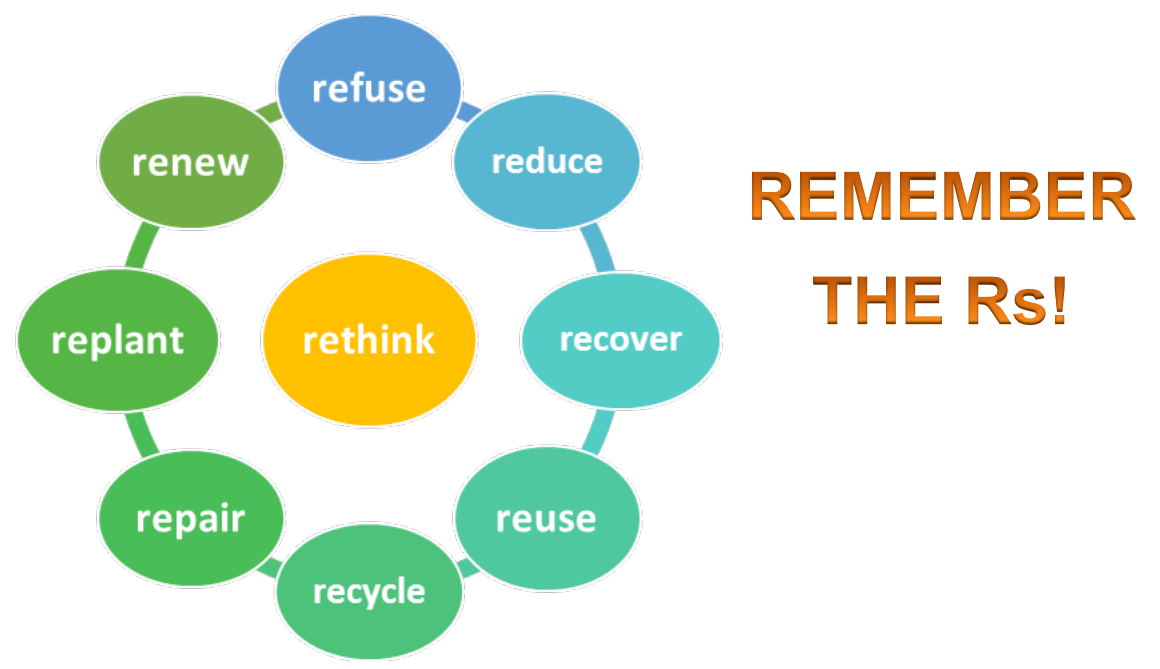
The key is to "Remember the Rs!" - nine strategies that can significantly reduce our environmental impact:
Example
Practical Example: The 9 Rs in Action
- Refuse - don't use or buy disposable items like plastic straws, cutlery, and nappies
- Reduce - cut back on burning wood, gas, and coal; reduce appliance use, shopping, and transport
- Reuse - find new purposes for items like water bottles, mugs, and shopping bags whenever possible
- Recover - replace items with recycled, donated, or upcycled alternatives
- Recycle - separate waste so paper, plastics, glass, metal, and electronics can be processed into new products
- Repair - fix clothing, furniture, and appliances instead of buying new ones
- Replant - establish indigenous vegetation as carbon sinks in densely populated areas
- Renew - find creative and inventive ways of producing energy and making items
- Rethink - consider the carbon footprint impact of everything you use
Practical examples
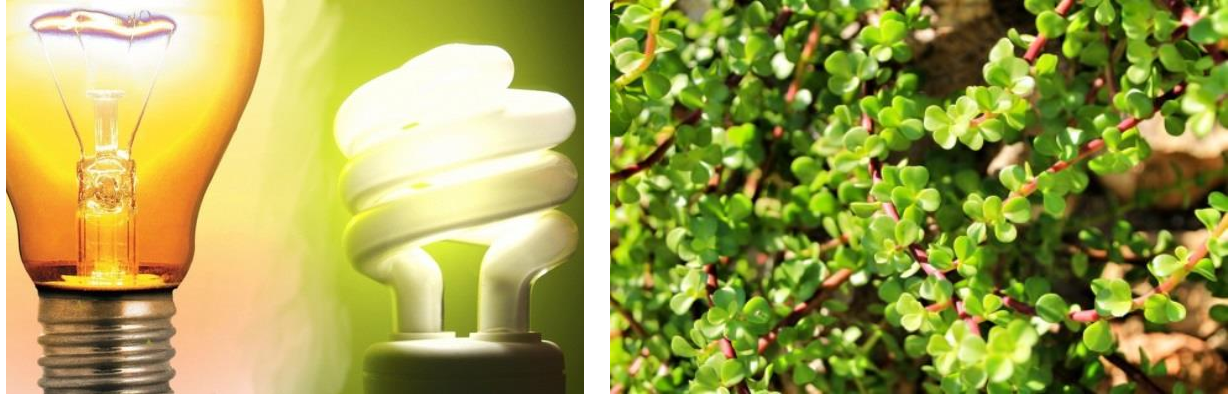
- Replace old light bulbs with energy-saving alternatives
- Plant indigenous spekboom - these plants remove 100 times more carbon from the atmosphere than pine trees
Ozone depletion
Ozone in the stratosphere forms a protective layer absorbing 97-99% of the sun's dangerous ultraviolet radiation. In the 1970s, scientists discovered a "hole" forming in the ozone layer above the South Pole, with ozone thinning and sometimes disappearing over polar regions. This allows harmful UV radiation to penetrate the atmosphere.
Scientists call this phenomenon ozone depletion - the hole was larger than the continent of Antarctica.
Causes of ozone depletion
Ozone depletion results from various chemicals and pollutants reacting with ozone molecules:
- CFCs (chlorofluorocarbons) and HCFCs (hydrofluorocarbons) from older refrigerators, air conditioners, and aerosol sprays release chlorine that destroys ozone
- Bromine from pesticides and fire extinguishers
- Carbon tetrachloride used as solvent in dry cleaning and paints
Consequences of ozone depletion
When the ozone layer is thinner or damaged, more harmful ultraviolet radiation reaches Earth's surface, causing:
Human health damage:
- Increased UV exposure weakens immune systems
- Higher rates of skin cancer, sunburn, and premature skin ageing
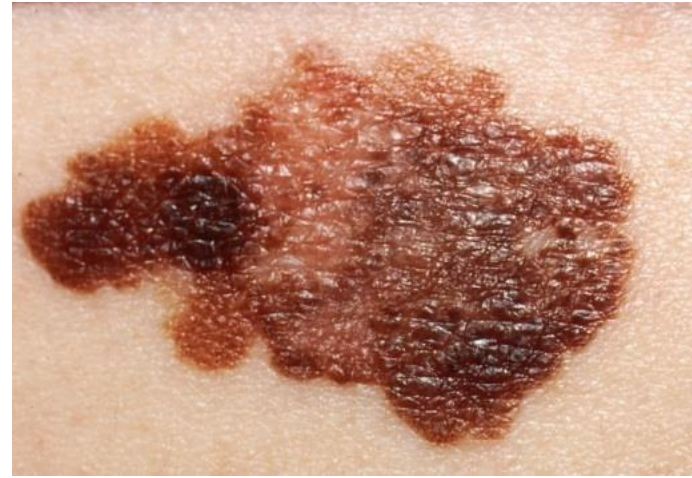
- Cataracts and chromosome damage
Agricultural damage:
- UV radiation interferes with photosynthesis in plants
- Reduced plant growth leads to rising greenhouse CO₂ levels as plants absorb less CO₂
- Threatened food security as crop yields decline dramatically
Environmental damage:
- Marine life suffers from excessive UV radiation
- Construction materials like wood, plastics, rubber, and textiles break down faster
Strategies to decrease ozone depletion
The Montreal Protocol was signed in 1987 by 30 nations as a global treaty to reduce and eventually stop production of ozone-destroying substances like CFCs.
Note
This international agreement has been one of the most successful environmental treaties in history - ozone depletion has been stopped, though the ozone layer hasn't fully recovered yet.
Continued care is needed through:
- Developing ozone-friendly products
- Maintaining laws preventing ozone depletion
- Monitoring skin cancer rates
- Increasing public awareness
Global greenhouse gas contributions
Different greenhouse gases contribute varying amounts to climate change:
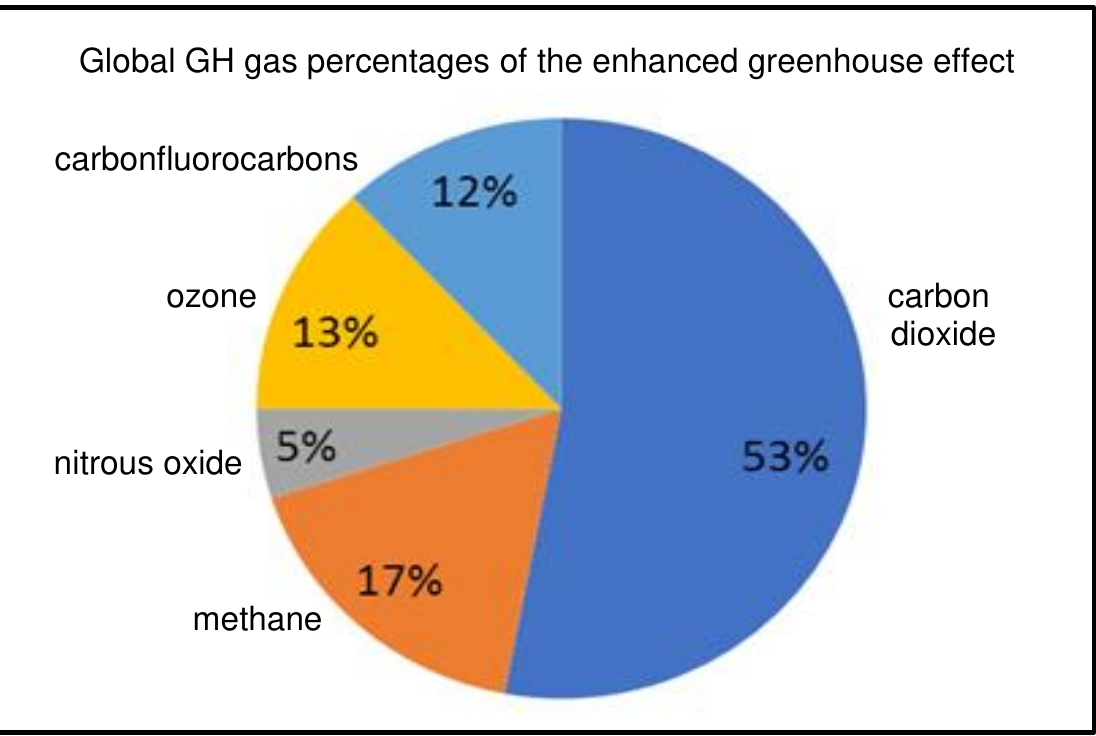
| Greenhouse Gas | Sources of Emissions | Percentage |
|---|---|---|
| Carbon dioxide | Respiration, fires, fossil fuel burning, decomposition | 53% |
| Methane | Gas leaks, agriculture, wetlands, waste treatment | 17% |
| Ozone | Industrial processes, vehicle emissions | 13% |
| Carbonfluorocarbons | Refrigerants, aerosols, cleaning solvents | 12% |
| Nitrous oxide | Fertilisers, organic decomposition, fires, deforestation | 5% |
Summary
Key Points to Remember:
- The atmosphere is 78% nitrogen, 21% oxygen, and 1% trace gases - but these trace gases control Earth's temperature
- The natural greenhouse effect is essential for life - without it, Earth would be -18°C and uninhabitable
- Human activities cause the enhanced greenhouse effect leading to global warming through increased CO₂, methane, and other greenhouse gas emissions
- Global warming has widespread serious effects including rising temperatures and sea levels, changing weather patterns, deforestation impacts, and threats to polar regions
- "Remember the Rs!" - refuse, reduce, reuse, recover, recycle, repair, replant, renew, and rethink to reduce your carbon footprint and help protect our planet's future