Water Quality (Grade 11 NSC Matric Life Sciences): Revision Notes
📚Revision Notes
Water Quality
Water quality refers to how clean and safe water is for drinking, supporting aquatic life, and meeting human needs. Good water quality means the water is free from harmful bacteria, chemicals, and pollutants that could cause disease or environmental damage.
Water serves many purposes including domestic use, industrial processes, agriculture, and mining. However, these same activities often reduce water quality through contamination and pollution.
Note
Water quality is fundamental to both human survival and ecosystem health. Even small amounts of contamination can have serious consequences for entire communities and wildlife populations.
Understanding water quality problems
Poor water quality poses serious health risks to humans and ecosystems. Diseases such as cholera, typhoid, and dysentery spread through contaminated water and can cause severe illness or death. These waterborne diseases occur when harmful microorganisms contaminate drinking water sources.
When water becomes polluted, it affects entire ecosystems. Aquatic plants and animals depend on clean water to survive, and pollution can disrupt food chains and destroy habitats.
Important
Health Warning: Waterborne diseases kill millions of people worldwide each year, particularly in developing countries where water treatment facilities are inadequate. Children and elderly people are especially vulnerable to these diseases.
Major factors reducing water quality
Several human activities contribute to declining water quality. Understanding these pollution sources helps us recognise how our actions impact water systems.
Eutrophication and algal blooms
Eutrophication happens when water bodies receive excessive nutrients, particularly nitrogen and phosphorus from fertilisers and sewage. These nutrients act like food for algae, causing them to multiply rapidly.
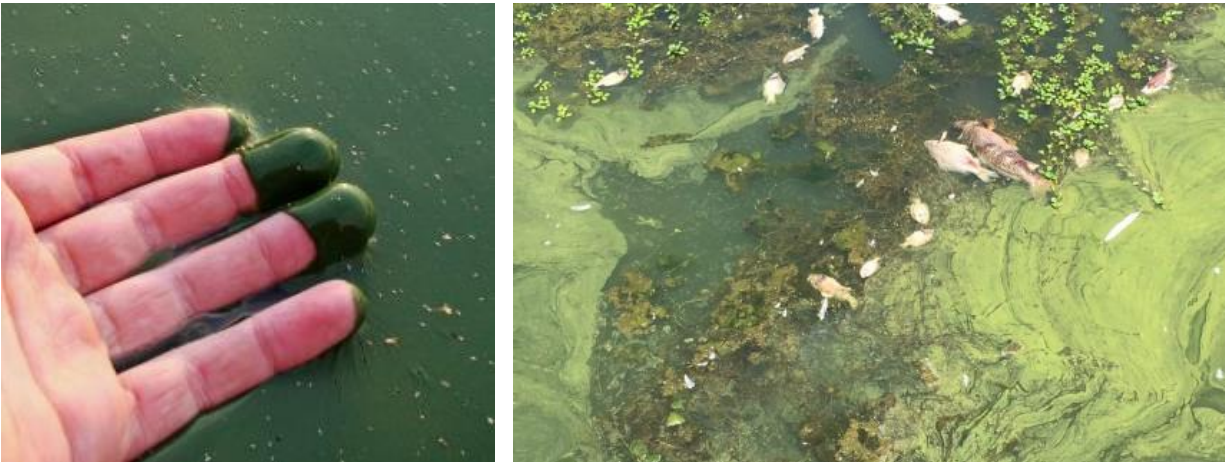
This rapid algae growth creates an algal bloom - a thick, green layer covering the water surface. The algae block sunlight from reaching underwater plants, preventing photosynthesis. When the algae die, bacteria decompose them using up oxygen in the water.
Important
Critical Process: The loss of oxygen kills fish and other aquatic animals, creating dead zones where nothing can survive. This process severely damages water ecosystems and makes water unsafe for human use.
Domestic and agricultural pollution
Human settlements and farming practices introduce various contaminants into water systems.
Domestic pollution occurs when household waste enters water sources improperly. Poor sanitation systems allow sewage to contaminate groundwater and surface water.
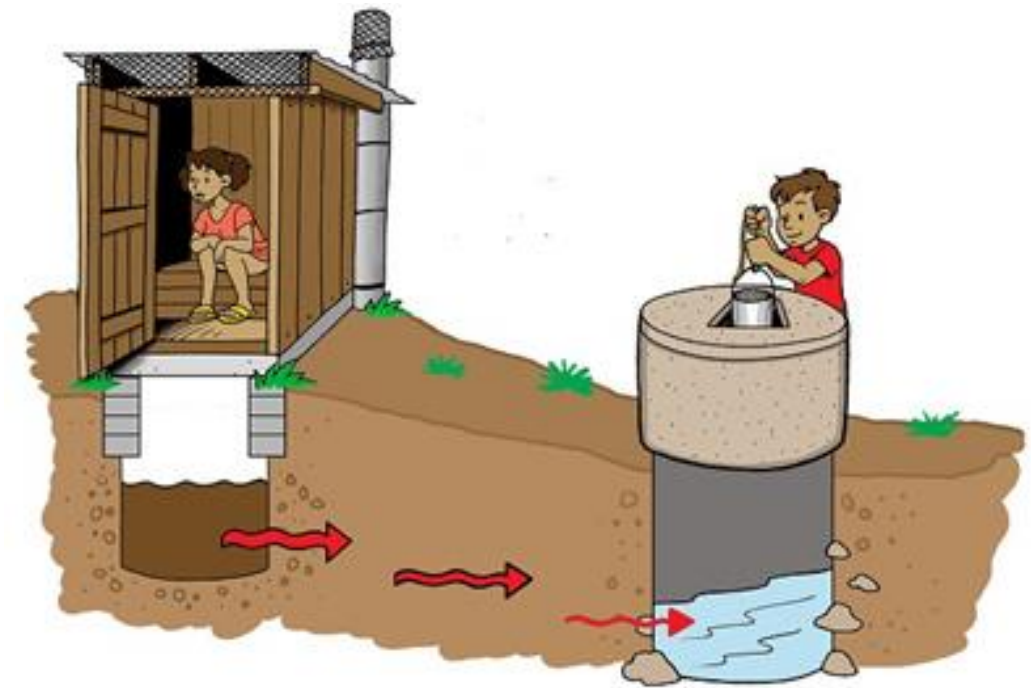
Agricultural contamination represents a major threat to water quality. Commercial farms use large quantities of fertilisers, pesticides, and herbicides to increase crop yields and control pests.
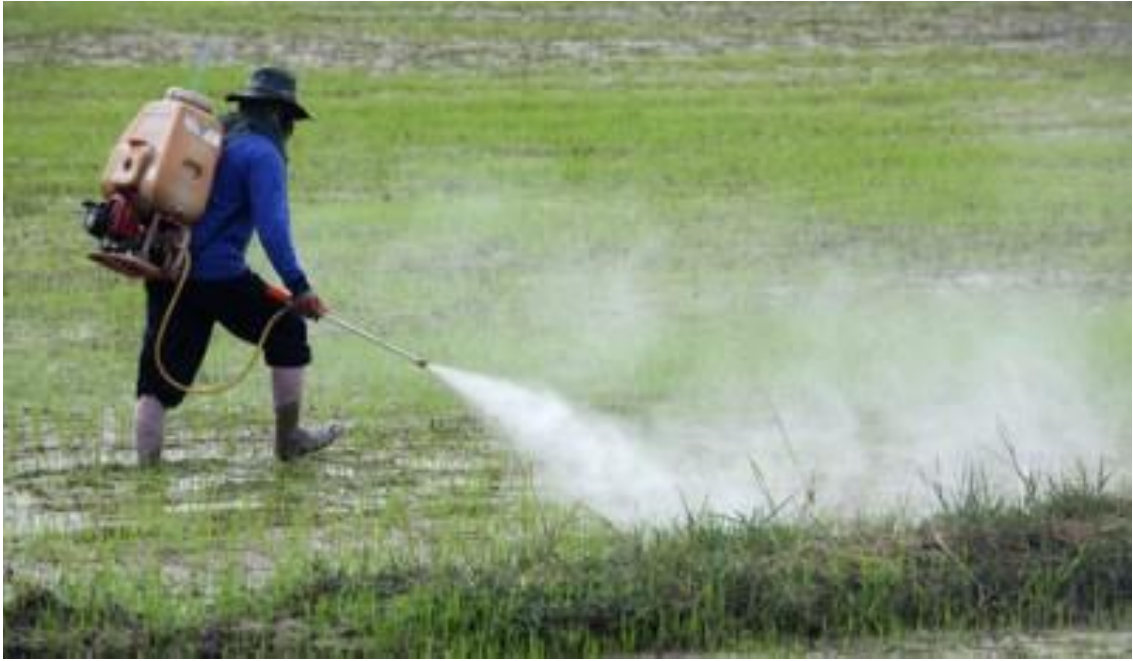
When it rains, these chemicals wash off fields into nearby rivers, dams, and groundwater systems. This agricultural runoff carries:
Note
Agricultural Runoff Contains:
- Nitrates and phosphates from fertilisers
- Toxic pesticides and herbicides
- Animal waste from livestock operations
These pollutants harm aquatic life and make water unsafe for drinking without extensive treatment.
Industrial pollution
Industries produce liquid waste called industrial effluent that often contains dangerous chemicals and contaminants.
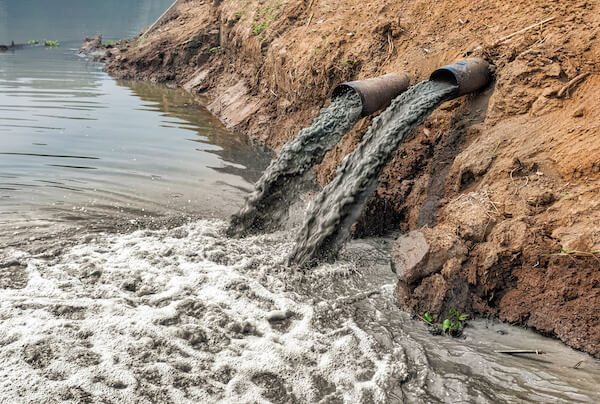
Industrial pollution affects water quality through:
- Toxic chemical pollution: Heavy metals like mercury and lead from manufacturing processes cause poisoning in humans and animals
- Increased salinity: Salt from industrial processes kills sensitive aquatic organisms
- Oil and petroleum spills: These substances coat water surfaces, preventing oxygen exchange and poisoning wildlife
Mining impacts on water quality
Mining operations create multiple forms of water pollution that can persist for decades after mines close.
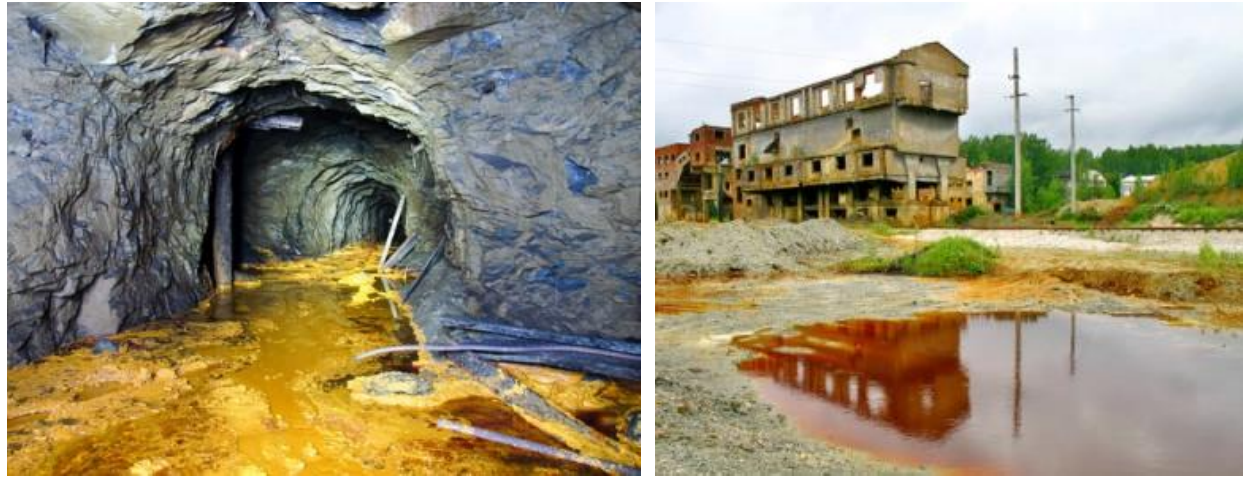
Mining affects water quality through:
- Thermal pollution: Large volumes of hot water discharged from mining operations kill temperature-sensitive organisms
- Chemical contamination: Toxic substances like cyanide used in gold extraction contaminate surrounding water sources
- Metal contamination: Mining waste contains dangerous metals including arsenic, mercury, lead, and zinc
- Acid mine drainage (AMD): When groundwater contacts sulphide minerals in exposed rock, it forms sulfuric acid that creates highly acidic, orange-coloured water
Important
Long-term Environmental Impact: Acid mine drainage (AMD) represents one of the most serious long-term environmental consequences of mining, as it can contaminate water sources for generations after mining operations have ceased.
Thermal pollution
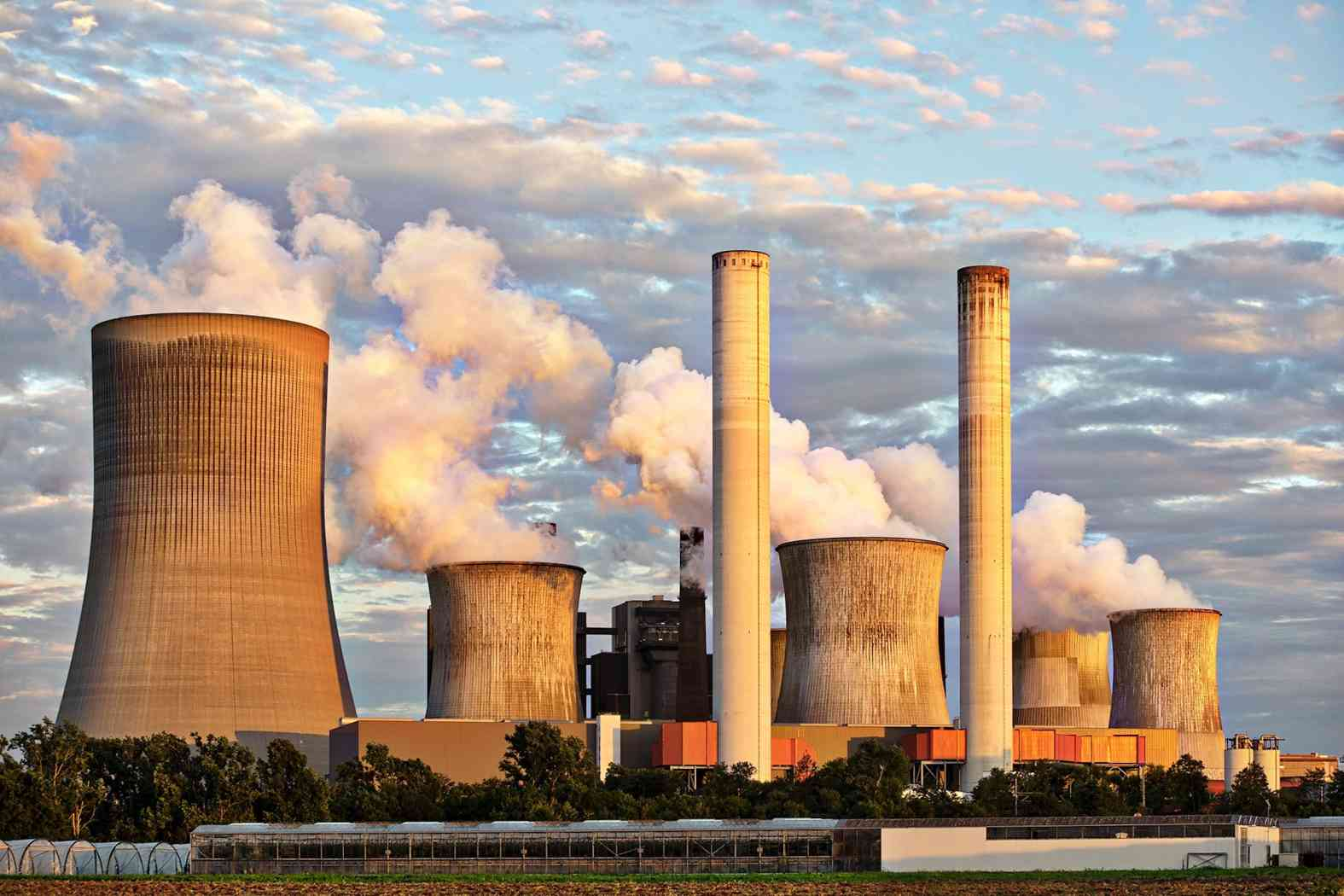
Thermal pollution occurs when industries discharge heated water into natural water bodies, typically from power plants and industrial cooling systems.
Note
Effects of Hot Water Discharge:
- Kills organisms that cannot tolerate temperature changes
- Reduces oxygen levels in water since warm water holds less dissolved oxygen
- Creates favourable conditions for harmful algal growth
- Disrupts reproduction cycles of aquatic species
Alien invasive plants
Alien invasive plants are non-native species that establish themselves in water bodies and outcompete indigenous plants for resources and space.
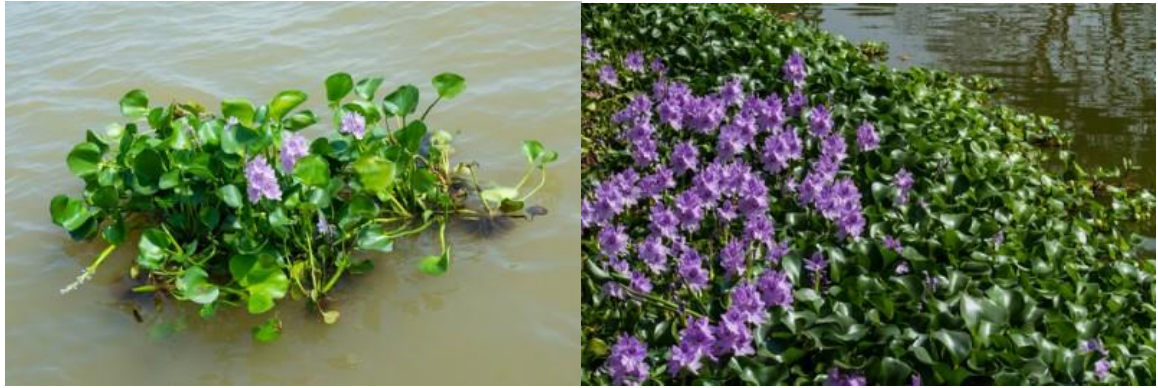
The water hyacinth (Eichornia crassipes) poses the greatest threat to South African water systems. This floating plant:
- Reproduces extremely rapidly, forming dense mats across water surfaces
- Blocks sunlight needed by underwater plants for photosynthesis
- Clogs irrigation channels, pipes, and pumps
- Provides breeding grounds for disease-carrying mosquitoes
- Severely reduces water quality and threatens aquatic biodiversity
Important
Ecosystem Threat: Water hyacinth can double its population in just 12 days under ideal conditions, making it one of the most aggressive aquatic invaders. Once established, it can completely transform water ecosystems within months.
Improving water quality through purification
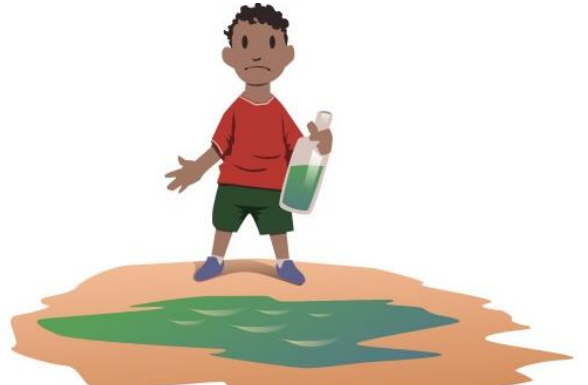
Poor water quality represents a more significant challenge than water scarcity in many regions. Effective water treatment ensures safe drinking water and protects public health.
Large-scale water treatment
Municipal water treatment plants use sophisticated processes to purify water for entire communities. These facilities remove physical, chemical, and biological contaminants through multiple treatment stages.
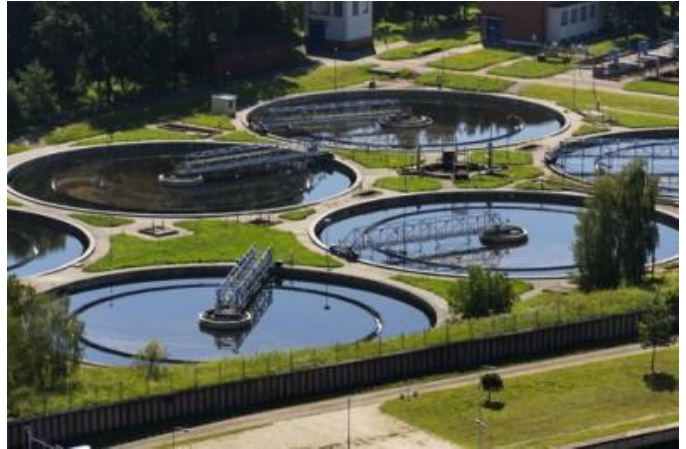
Note
Municipal Treatment Process:
- Physical filtration to remove large particles and debris
- Chemical treatment to neutralise harmful substances
- Biological treatment using beneficial bacteria
- Disinfection to kill disease-causing microorganisms
Home water filtration
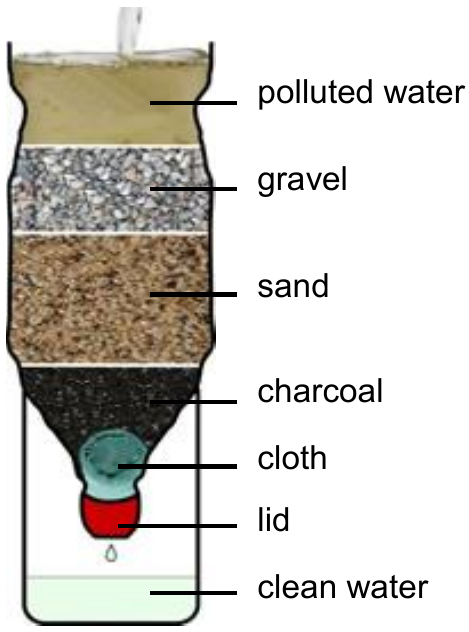
Individuals can improve water quality using simple filtration methods at home. A basic water philtre can remove many contaminants and improve water safety.
Example
Worked Example: Creating a Homemade Water Filter
Step 1: Prepare the container
- Use a plastic bottle with the bottom removed
Step 2: Layer the filtering materials from bottom to top
- Cloth (finest philtre)
- Activated charcoal
- Fine sand
- Coarse sand
- Gravel (largest particles)
Step 3: Philtre the water
- Pour contaminated water through the top
- Collect filtered water at the bottom
Step 4: Final purification
- Boil the filtered water or add purification tablets for complete safety
Note: This method removes physical particles and some chemicals but requires additional treatment to eliminate all microorganisms.
Water recycling and conservation
Water recycling involves treating and reusing water that has already been used, providing an essential water source especially during droughts or in water-scarce regions.
Effective recycling strategies include:
- Industrial facilities treating and reusing their process water
- Households using greywater from washing for garden irrigation
- Municipal systems reclaiming wastewater for drinking water supply
- Mining and power generation operations recycling cooling water
Note
Why Water Conservation Matters: Continued pollution threatens our water resources by:
- Damaging ecosystems that provide natural water sources
- Reducing available water for human activities
- Increasing treatment costs for consumers
- Spreading waterborne diseases in communities
Summary
Key Points to Remember:
- Water quality means water is clean, safe, and free from harmful contaminants that cause disease or environmental damage
- Eutrophication occurs when excess nutrients cause rapid algae growth, leading to oxygen depletion and death of aquatic life
- Industrial, agricultural, and domestic activities all contribute to water pollution through chemical contamination, nutrient loading, and improper waste disposal
- Mining creates long-term pollution including acid mine drainage, thermal pollution, and toxic metal contamination that can persist for decades
- Water treatment and recycling are essential for maintaining safe water supplies and protecting both human health and ecosystem function