The South African Cultural Uniqueness (Grade 11 NSC Matric Tourism): Revision Notes
📚Revision Notes
The South African Cultural Uniqueness
Introduction to South Africa's cultural diversity
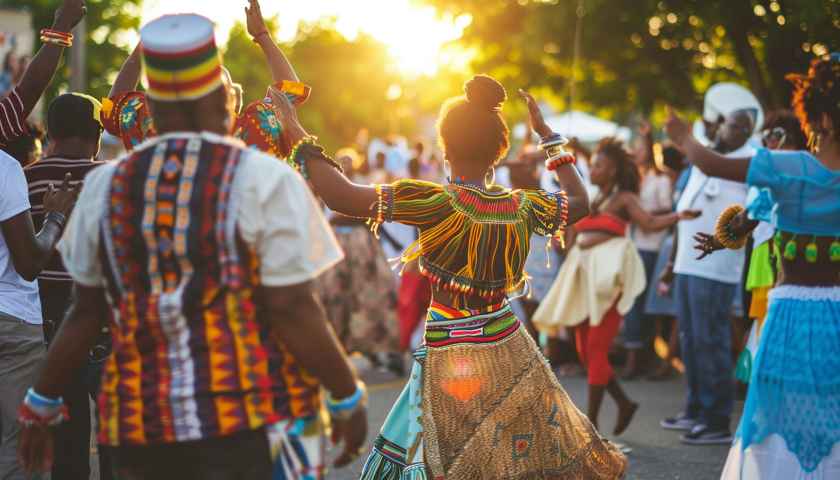
South Africa is known as the "Rainbow Nation" because it is home to an incredibly rich mix of different cultures, languages, and traditions. Cultural heritage sites and attractions have become some of the most popular tourist destinations in the country. Each of South Africa's nine provinces showcases unique cultural practices that attract both international and local visitors. Understanding these cultural differences helps us appreciate the diversity that makes South Africa special and supports the growth of tourism across the nation.
Note
The term "Rainbow Nation" was coined to celebrate South Africa's multicultural diversity and unity following the end of apartheid, symbolising how different colours come together to create something beautiful.
Tourism importance of cultures in the Eastern Cape
The Eastern Cape province is home to the Xhosa people, who have a vibrant cultural heritage that attracts many tourists.
Arts and crafts
The Xhosa people are known for their artistic skills, particularly in creating beautiful decorative items. Their beadwork is especially famous, featuring colourful patterns and designs that carry symbolic meanings. Traditional craftspeople also wear animal horns as part of their cultural identity. Skilled artisans create woven grass and reed baskets, pottery pieces, and wooden sculptures that are popular souvenirs for tourists.
Important
Xhosa beadwork is not merely decorative - each colour and pattern carries specific symbolic meanings that communicate messages about the wearer's status, feelings, and life stage.
Cuisine
Traditional Xhosa food offers visitors an authentic taste of the culture. The signature dish is umngusho, which combines samp (crushed maize kernels), beans, and spices to create a hearty meal. Other traditional foods include Xhosa bread, sour milk, and sorghum beer, which are often served during cultural experiences and village visits.
Cultural villages
Tourists can experience authentic Xhosa culture at various cultural villages. The Isinamva Cultural Village in Mount Frere provides an immersive experience where visitors can stay in traditional round huts called rondavels and participate in daily cultural activities. These villages also offer visits to Tribal Authority Schools where traditional knowledge is taught, and tourists can meet traditional healers who share their knowledge of plant-based medicines.
Dress
Xhosa traditional clothing is visually striking and rich in cultural meaning. Married Xhosa women wear distinctive bright beaded wraps over underskirts and beaded head rings that signify their marital status. Some Xhosa groups are known as the "red blanket people" because they wear ochre-coloured blankets as part of their traditional dress. Today, decorative beadwork is often combined with modern clothing, creating a unique blend of traditional and contemporary styles.
Note
The beaded head rings worn by married Xhosa women are called "isicholo" and serve as a clear visual indicator of marital status, similar to a wedding ring in Western cultures.
Festivals
The Eastern Cape hosts one of South Africa's oldest and most celebrated cultural events. The Grahamstown National Arts Festival brings together artists, performers, and craftspeople from across the country. This festival showcases art, craft, entertainment, music, theatre, and dance, making it a major attraction for cultural tourism.
Folklore
Traditional storytelling plays a vital role in preserving Xhosa culture. The tokoloshe is a well-known figure in Xhosa folklore, often featured in traditional stories told by adults. Cultural villages keep these oral traditions alive through storytelling activities that help younger generations connect with their heritage and provide tourists with insight into Xhosa beliefs and values.
Historical sites and buildings
The Eastern Cape is home to significant historical sites that commemorate important figures in South African history. The Nelson Mandela Museum comprises three separate historical locations: Mvezo (Mandela's birthplace), Qunu (where he grew up), and the Mthatha Museum (which houses exhibits about his life and legacy). Another important site is the Amathole Museum in King Williams Town, which displays the remains of Huberta, the famous wandering hippopotamus who captured the nation's imagination.
Note
Huberta the hippopotamus became a national sensation in the 1920s and 1930s when she travelled over 1,600 kilometres from her home in the St Lucia estuary, capturing public imagination and demonstrating the special connection South Africans have with their wildlife.
Music and dance
Music and dance are essential elements of Xhosa rituals and ceremonies. The traditional "shaking" dance demonstrates the importance of movement in cultural expression. Musicians use wind and string instruments to create traditional melodies. Notably, the song "Nkosi Sikelel' iAfrika" was composed by Enoch Sontonga, a Xhosa composer. This powerful song later became part of South Africa's national anthem, highlighting the Xhosa people's contribution to national culture.
Important
"Nkosi Sikelel' iAfrika" (God Bless Africa) was originally composed as a hymn in 1897 and has become one of Africa's most recognised songs, later incorporated into South Africa's national anthem in 1994.
Traditional leaders
The Eastern Cape has been the birthplace of many influential leaders in South African history, including Nelson Mandela, Robert Sobukwe, Steve Biko, Chris Hani, Govan Mbeki, Thabo Mbeki, and Oliver Tambo. These leaders have shaped South Africa's journey towards democracy and freedom.
Traditional medicine and healing
Traditional healing remains an important aspect of Xhosa culture. A sangoma is a traditional healer who acts as a bridge between the physical world and the spiritual world, helping people connect with their ancestors and find spiritual guidance. A nyanga is a traditional doctor who uses herbal medicines and natural remedies to treat physical ailments.
Note
The distinction between a sangoma (spiritual healer) and a nyanga (herbalist) is important in Xhosa culture - while both are respected healers, they serve different roles in the community's healthcare system.
Tourism importance of cultures in the Free State
The Basotho people are the dominant cultural group in the Free State province, with rich traditions that attract cultural tourists.
Arts and crafts
The Free State offers numerous opportunities for tourists to purchase traditional crafts. The Bolata Pottery Project specialises in creating clay pots and dishes using traditional techniques. The Letweneng Grass Project focuses on grass products such as woven bags, floor mats, and baskets. Lesedi Arts and Crafts sells beaded cutlery, bags, and ties that showcase Basotho design. The men of the Basotho nation create a distinctive hat called the mokorotlo, which has become an iconic symbol of Basotho culture.
Important
The mokorotlo hat is so significant to Basotho identity that it appears on the national flag of Lesotho and is recognised throughout Southern Africa as a symbol of Basotho heritage.
Cuisine
Basotho traditional dishes are characterised by their fermented flavours and hearty ingredients. Ting is a yoghurt-like flavoured porridge that serves as a staple food. Legebekoane are steamed dumplings often served alongside main dishes. Morogo is wild spinach gathered from the fields. Mangangajane refers to sun-dried vegetables preserved for later use. Ground marula seeds add a unique spicy flavour to traditional dishes.
Cultural villages
At the Basotho Cultural Village located in the Golden Gate Highlands National Park, tourists can take guided tours that provide comprehensive insight into Basotho life. Visitors can observe the gathering place where men traditionally meet, watch women grinding maize using traditional methods, purchase authentic Basotho huts as decorative items, taste traditional foods, watch traditional dancing performances, and buy handcrafted arts and crafts directly from local artisans.
Dress
Basotho traditional dress carries deep cultural significance. The Basotho blanket is central to their cultural identity, with different colours and patterns linked to various life stages and specific events such as initiation ceremonies. The Basotho straw hat indicates the social status of a man within the community. Headmen may wear intricately woven hats that demonstrate their leadership position.
Note
Basotho blankets are not just clothing but cultural markers - specific patterns and colours indicate whether someone is married, unmarried, in mourning, or celebrating, making the blanket a form of visual communication.
Festivals
The Free State hosts vibrant cultural festivals that celebrate African heritage and local traditions. The Mangaung African Cultural Festival in Bloemfontein features storytelling sessions, art exhibitions, music performances, poetry recitals, and dance presentations. The Ficksburg Cherry Festival celebrates the local cherry harvest and includes the traditional making of cherry mampoer (a type of fruit brandy).
Folklore
Basotho folklore serves important cultural and educational purposes. Folktales are traditionally told at night because the Basotho people believe that evil spirits will harm those who tell these stories during daylight hours. The folklore often focuses on themes of origin, death, and marriage, teaching important life lessons. Stories frequently feature animals as characters to convey moral principles and traditional values.
Important
The practice of telling stories only at night is taken seriously in Basotho culture - this tradition serves both to preserve the sacred nature of storytelling and to ensure that daily work is completed before entertainment begins.
Historical sites and buildings
The Free State contains important historical sites that document South African history. The Vredefort Dome Conservancy is a significant geological and archaeological site. Anglo-Boer War battlefield sites commemorate this important period in South African history. The War Museum in Bloemfontein provides detailed exhibitions about conflicts that shaped the nation. The Catharine Brand Museum specifically focuses on Basotho culture and history, offering visitors a deeper understanding of this cultural group.
Music and dance
Music and dance form an integral part of Basotho social, ceremonial, and religious events. Different dances are designated specifically for men or for women, reflecting traditional gender roles. During initiation ceremonies, special songs teach young men about their ancestors and instil values of loyalty to their chiefs. Traditional drums are crafted from hollowed-out aloe trees and covered with cowhide to create distinctive sounds.
Traditional leaders
The Basotho chieftainship system operates with the support of advisors who help chiefs make important decisions. Various districts have their own headmen who oversee local matters. The Free State also has a House of Traditional Leaders that advises the provincial government on the role of traditional leaders in modern society and helps preserve customary law.
Note
The House of Traditional Leaders represents an important bridge between traditional governance systems and modern democratic structures, ensuring that customary law and cultural practices are respected in contemporary South Africa.
Traditional medicine and healing
The Basotho culture maintains strong beliefs in traditional healing practices. They believe in diviners and healers who possess special abilities. Bone-throwers can solve mysteries of sickness and personal disasters by casting and interpreting bones. Seers use magic potions to diagnose illnesses and claim to "see" the future. Healers use special dolls to explain a person's complaints and troubles, providing spiritual and physical healing.
Tourism importance of cultures in Gauteng
Gauteng province is South Africa's economic heartland and showcases a diverse mix of cultures.
Arts and crafts
Gauteng offers tourists numerous opportunities to purchase traditional African arts and crafts. Popular markets include the Bruma Lake Flea Market, Hatfield Market, Rosebank Rooftop Flea Market, Irene Village Market, and the Village African Cultural Walk. These markets bring together craftspeople from across the country, offering a wide variety of traditional and contemporary African art.
Cuisine
Gauteng's diverse population means the province offers an exceptional variety of cuisines. Traditional dishes include fried Mopani worms (a protein-rich delicacy), tripe (cleaned animal stomach), and venison (game meat) dishes. The cosmopolitan nature of Johannesburg and Pretoria means visitors can experience foods from numerous South African cultures in one province.
Note
Mopani worms (actually caterpillars of the Emperor moth) are a traditional delicacy rich in protein and are considered a sustainable food source. They're dried, fried, and eaten as a snack or added to stews.
Cultural villages
Cultural villages in Gauteng provide authentic experiences of traditional African life. The Mapoch Ndebele Village is situated northwest of Pretoria and showcases Ndebele culture. The Credo Mutwa Cultural Village in Soweto celebrates African traditions and the work of the famous traditional healer and artist Credo Mutwa.
Dress
Gauteng's fashion scene reflects the province's cultural diversity. Johannesburg has become a hub for fashion designers who blend traditional African elements with modern styles. The diverse communities living in Gauteng wear a wide variety of traditional and contemporary dress styles. The Ndebele people are particularly known for their colourful traditional clothing and artistic beadwork that features geometric patterns.
Festivals
Gauteng hosts numerous cultural festivals throughout the year. Popular events include the Newtown Precinct Standard Bank Joy of Jazz festival, the Cellar Rats Wine Festival, Jazz on the Lake, the Arts Alive Festival, and the Joburg Gay Pride Festival. These festivals celebrate different aspects of South African culture and attract both local and international visitors.
Folklore
Gauteng's multicultural population contributes to a rich folklore tradition. The "Pale Ya Rona" (Our Story) Carnival is held during Heritage Month in Soweto, where stories are told on the streets and artists present traditional music and dance performances. This event helps preserve and share traditional stories with new generations.
Historical sites and buildings
Gauteng contains numerous sites of historical importance. The Tswaing Meteorite Crater provides geological and archaeological interest. The Cradle of Humankind is a World Heritage Site where some of the oldest human ancestor fossils have been discovered. The Voortrekker Monument commemorates the Afrikaner pioneers. Union Buildings in Pretoria serve as the seat of government. The Apartheid Museum documents South Africa's struggle against racial segregation. Freedom Park honours those who fought for South African freedom. Hector Petersen Square and Freedom Square commemorate important events in the anti-apartheid struggle.
Important
The Cradle of Humankind is one of the world's most important palaeontological sites, containing fossils dating back millions of years that provide crucial evidence about human evolution and our ancestors.
Music and dance
Gauteng has been central to the development of several important South African music genres. Gumboot dancing evolved from the movements of mine workers and has become a recognised cultural dance form. Kwaito music started in Johannesburg townships and addresses social issues facing young people in urban areas.
Note
Gumboot dancing originated in the gold mines where workers were not allowed to speak to each other. They developed this rhythmic dance using their rubber boots to communicate and maintain morale in difficult working conditions.
Traditional leaders
Traditional leaders in Gauteng work to ensure that cultural practices are respected and not exploited for purely commercial purposes. They balance the preservation of traditions with the demands of modern urban life.
Traditional medicine and healing
Traditional medicine remains popular in Gauteng despite the province's urban character. The Faraday Muti Market in Johannesburg is famous for selling traditional herbal medicines, where visitors can learn about various plants and their healing properties from experienced traditional healers.
Tourism importance of cultures in KwaZulu-Natal
The Zulu people form the dominant cultural group in KwaZulu-Natal, and their traditions attract significant tourism interest.
Arts and crafts
Zulu beadwork is world-renowned for its intricate geometric patterns that convey specific messages about the wearer's status, feelings, and intentions. This craft is traditionally passed down from mothers to daughters, preserving ancient techniques. The province is also home to skilled basket weavers, and some of their finest work is exported internationally. The two-wheeled rickshaw has become a popular tourist attraction in Durban, with rickshaw pullers wearing colourful traditional clothing and decorative headgear.
Important
Zulu beadwork is a sophisticated form of visual communication - different colour combinations and patterns can express messages ranging from "I love you" to "I'm waiting for you" to "You make me angry."
Cuisine
Traditional Zulu cuisine includes distinctive dishes that tourists can experience. Phutu is a type of crumbly maize porridge served with various accompaniments. Boiled madumbes (a root vegetable similar to sweet potato) and sorghum beer are traditional favourites. The large Indian population in KwaZulu-Natal also means that Indian cuisine is extremely popular, with dishes like samosas, rotis, curries, and bunny chows (curry served in hollowed-out bread) widely available.
Note
The bunny chow is a uniquely South African fast food invention that originated in Durban's Indian community. Despite its name, it contains no rabbit - the "bunny" refers to the bread "bun."
Cultural villages
KwaZulu-Natal offers excellent cultural village experiences. Shakaland is a cultural village near Eshowe where tourists can observe traditional beehive homesteads, watch beadwork being created, see pottery being made, observe beer-making processes, and witness the making of traditional spears and skin shields. Visitors can also participate in spear throwing, visit sangomas (traditional healers), enjoy traditional dances, and share meals with community members. The Dumazulu Traditional Village provides similar immersive cultural experiences.
Dress
Traditional Zulu dress varies according to gender and life stage. Zulu men traditionally wear clothing made from animal skins, decorated with cow's tail fringes and feathers that indicate status and achievements. Zulu women wear different types of attire at different stages of their lives, with older women covering more of their bodies as a sign of respect and maturity.
Festivals
KwaZulu-Natal celebrates several important cultural festivals. The Reed Dance is a significant ceremony that promotes respect for young Zulu women and celebrates their transition to adulthood. Diwali, or the "festival of lights", is a major Hindu celebration that reflects the province's diverse cultural heritage.
Important
The Reed Dance (Umkhosi woMhlanga) is an annual ceremony attended by thousands of young Zulu women who present reeds to the Zulu king. It serves to promote respect for young women and preserve cultural values of dignity and pride.
Folklore
Zulu myths and legends are carefully preserved and passed down by elders through the oral tradition of storytelling. These stories teach important cultural values and explain natural phenomena, helping younger generations understand their heritage.
Historical sites and buildings
The province contains numerous historically significant sites. The KwaZulu Natal Cultural Museum showcases Zulu cultural heritage. Isandlwana Historic Reserve and Battlefield marks a famous Anglo-Zulu War battle. The Mgungundlovu Museum explores Zulu history. The Ncome Museum and Monument Complex commemorates important historical events in the region.
Music and dance
Zulu people use horns and rattles combined with vocal harmonies to create their distinctive music. Traditional dances include the Bull Dance, the Hunting Dance, and the Dance of the Small Shield, each with specific cultural significance and performed during particular ceremonies.
Traditional leaders
The Zulu king rules with the advice and support of his indunas (senior advisors and headmen). This system of traditional leadership continues to play an important role in Zulu society alongside modern democratic governance.
Note
The Zulu monarchy is one of the most visible and influential traditional leadership structures in South Africa, with the king serving as both a cultural figurehead and an important voice in contemporary South African society.
Traditional medicine and healing
Zulu traditional medicine relies on herbalists who use medicinal plants to cure various ailments. These traditional healers possess extensive knowledge of indigenous plants and their healing properties, knowledge that has been accumulated over many generations.
Tourism importance of cultures in Limpopo
Limpopo province is home to diverse cultures including Northern Sotho, Tsonga, and Venda peoples.
Arts and crafts
Traditional crafts in Limpopo include pottery, woodcarving, intricate beadwork, woven grass mats, and dressmaking. The Ribolla Open Africa Route provides tourists with opportunities to meet crafters in their communities and purchase authentic handmade products directly from the artisans.
Cuisine
Local Limpopo cuisine reflects the agricultural traditions of the region. Traditional dishes include various types of porridge, vhuswa (a specific type of traditional porridge), baobab porridge made from the fruit of the iconic baobab tree, marula wine produced from local marula fruit, and mopane worms which are a nutritious protein source.
Cultural villages
Limpopo offers several cultural village experiences where tourists can learn about traditional lifestyles. These include the Vhasonga Cultural Village, BaPedi Cultural Village, and Nyani Cultural Village. The Bakone Malapa Open Air Museum provides an authentic recreation of traditional village life.
Dress
The Venda people particularly favour the colour pale blue in their traditional clothing. Venda women wear distinctive striped cotton capes that double as skirts, creating a unique and recognisable style. Traditional dress is often completed with necklaces, bracelets, and anklets made from natural materials.
Festivals
Limpopo hosts cultural festivals that celebrate the province's heritage. The Mapungubwe Arts and Cultural Festival and the Oppikoppi Music Festival attract visitors interested in experiencing traditional and contemporary South African culture.
Folklore
Venda folklore is rich with spiritual significance. Lake Funduzi and the Thathe Vondo forest are considered sacred sites by the Venda people. Water and drums feature prominently in their folklore and rituals. The Venda believe that water spirits inhabit pools below waterfalls, and these beliefs shape their relationship with the natural environment.
Important
Lake Funduzi is one of the most sacred sites in Venda culture. According to tradition, it is the home of the python god and must be approached with great respect. Local customs prohibit swimming in the lake or pointing at it.
Historical sites and buildings
Limpopo contains sites of great historical and cultural importance. The Mapungubwe Cultural Landscape is a World Heritage Site that provides evidence of an ancient African kingdom. Magoebaskoof is known as the home of the Rain Queen, a hereditary female leader with special cultural significance in traditional beliefs.
Note
The Rain Queen (Modjadji) is a unique hereditary position of female leadership that has existed for over 400 years. The Rain Queen is believed to have special powers over the clouds and rainfall, making her one of the most powerful traditional leaders in Southern Africa.
Music and dance
Traditional music and dance play important roles in Limpopo cultures. Special dances are performed at initiation ceremonies for girls, weddings, feasts, and funerals. The Tsonga people traditionally use bows and flutes as their main musical instruments.
Traditional leaders
In traditional Limpopo cultures, the chief holds a position comparable to that of a high priest, with both political and spiritual responsibilities. The first-born son typically succeeds his father as chief, continuing the family's leadership lineage. Chiefs are supported by councillors who help them make important decisions affecting the community.
Traditional medicine and healing
Traditional healing practices remain strong in Limpopo. Diviners and healers use bones or shells to consult with ancestors to determine the cause of illnesses that have persisted for a long time. The vessels used by diviners and healers are often passed from one generation to the next because they are believed to belong to the ancestors themselves, carrying spiritual power accumulated over time.
Tourism importance of cultures in Mpumalanga
The Ndebele people are the main cultural group in Mpumalanga, known for their distinctive artistic traditions.
Arts and crafts
Ndebele art is internationally recognised for its bold geometric patterns and vibrant colours. Traditional art was created freehand without rulers or guides, demonstrating exceptional skill. Historically, Ndebele artists used triangular and rectangular shapes, but modern Ndebele art incorporates contemporary motifs whilst maintaining traditional techniques. Esther Mahlangu is an internationally celebrated Ndebele artist whose painted work has gained global recognition.
Important
Esther Mahlangu is the first woman to transfer traditional Ndebele wall designs onto canvas. Her work has been exhibited internationally, and she has collaborated with major brands including BMW, showcasing Ndebele art to a global audience.
Cuisine
Mpumalanga offers a variety of traditional dishes that reflect the region's agricultural heritage. These include honey-glazed sweet potatoes, baked butternut squash, and fire-grilled corn on the cob, all prepared using traditional cooking methods.
Cultural villages
Cultural villages in Mpumalanga preserve and showcase traditional ways of life. Visitors can experience authentic Ndebele culture at the Shangana Cultural Village, Matsamo Cultural Village, and the village at Botshabelo Mission Station.
Dress
Ndebele traditional dress is visually striking and instantly recognisable. The stacked metal rings worn by Ndebele women around their necks, arms, and legs are particularly eye-catching and have become an iconic image of Ndebele culture. Beadwork is incorporated into many different clothing items, and the dress and accessories of Ndebele women reflect their age, social status, and personal preference for colour.
Note
The metal rings worn by Ndebele women are called "idzilla" (for the neck), "iindzila" (for the legs), and "ingagabi" (for the arms). They are traditionally worn by married women and signify wealth and status.
Festivals
Mpumalanga celebrates its cultural diversity through various festivals. The Dullstroom Festival of Art and Culture and the Uban'inkunzi Cultural Competition and Exhibition showcase traditional arts, crafts, music, and dance.
Folklore
Traditional Ndebele beliefs centre on ancestral worship and the belief that all creatures and objects possess a soul or personality. The Ndebele believe that ancestral spirits communicate through diviners who act as intermediaries between the spiritual world and their descendants.
Historical sites and buildings
Mpumalanga contains several sites of historical significance. Pilgrim's Rest is a reconstructed replica of an old gold mining town that gives visitors insight into South Africa's mining history. Makonjwa Mountain and Songimvelo Reserve contain well-preserved sedimentary rocks that provide geological evidence of Earth's ancient history. The Lydenberg (Mashishing) Museum houses important archaeological finds including ancient clay masks. The Samora Machel Monument marks the 1986 plane crash site where the then-President of Mozambique died.
Music and dance
Traditional Ndebele music uses simple instruments effectively. The flute and a bow-plus-calabash (a hollowed gourd used as a resonator) are primary instruments. During Luma, a traditional ceremony, the chief or headman samples the first fruits of the harvest season, accompanied by music and celebration.
Traditional leaders
Traditional Ndebele governance follows a consultative model. The chief listens carefully to his councillors who are responsible to the people they represent. Traditional government decisions are made through consensus rather than by decree alone. Headmen at the local level handle matters affecting their specific communities.
Note
The Ndebele consultative governance model demonstrates the democratic principles embedded in traditional African leadership systems, where decisions are made collectively after extensive discussion and consideration of all viewpoints.
Traditional medicine and healing
Traditional Ndebele healing practices rely on sangomas who use a combination of spiritual guidance and herbal treatments to cure people. These healers possess extensive knowledge of medicinal plants and traditional healing rituals.
Tourism importance of cultures in Northern Cape
The San people are among the last surviving indigenous peoples in Southern Africa, with a small community remaining in the Kalahari region.
Arts and crafts
San rock art can be found throughout the Northern Cape, particularly featuring depictions of the eland antelope, which holds special spiritual significance. The San people traditionally use ostrich eggshell to create beads for necklaces, bracelets, wraps, and bags, demonstrating their resourceful use of natural materials.
Important
San rock art is some of the oldest in the world, with some paintings dating back thousands of years. The eland features prominently because it holds deep spiritual significance in San beliefs and is associated with shamanic practices.
Cuisine
The San people live sustainably off the land, ensuring nothing goes to waste. They utilise every part of any animal they hunt, reflecting a deep respect for nature and efficient use of resources.
Cultural villages
The San traditionally lived a nomadic lifestyle, moving across the land with the seasons. Today, a small San community remains in the Kalahari Desert. The Riemvasmakers community offers tourists an opportunity to witness traditional San dances and taste authentic local food, providing insight into their enduring cultural practices.
Dress
San people historically wore minimal clothing made from animal skins, perfectly adapted to the warm climate of their environment. Large animal hides would be worn around the shoulders during cold weather for warmth. Accessories such as bracelets were worn not just for decoration but also for beauty and spiritual reasons, often believed to provide protection or connection to spiritual forces.
Festivals
The Northern Cape hosts cultural celebrations including the Namakwa Festival which celebrates local heritage, and the Apollo Film Festival which showcases South African cinema.
Folklore
San spiritual beliefs centre on /Kaggen, the most important spiritual being in San culture. The word /Kaggen translates as "mantis" in English. According to San beliefs, /Kaggen is a shape-shifter who can transform into various forms including an eland, hare, snake, or any other creature. These beliefs shape San understanding of the natural world.
Note
The / symbol in /Kaggen represents a click sound in the San language. San languages are known for their complex system of click consonants, which are among the most distinctive features of these ancient languages.
Historical sites and buildings
The Northern Cape contains important historical and cultural sites. The Kimberley Mine Museum documents the diamond mining history that transformed the region. The Eye of Kuruman is a natural spring with cultural significance. The Wildebeestkuil Rock Art Centre preserves ancient San rock art.
Music and dance
The most important traditional dance among the San people is the trance dance. During this spiritual ceremony, men dance whilst women clap rhythmically and sing, creating a powerful communal experience. The trance dance serves multiple purposes including healing, spiritual connection, and community bonding.
Important
The trance dance is a sacred healing ceremony where dancers enter altered states of consciousness. This practice has been central to San culture for thousands of years and represents one of humanity's oldest spiritual traditions.
Traditional leaders
Unlike many other South African cultures, the San people do not have a formal hierarchical leadership structure. Decision-making is typically communal and consensus-based.
Traditional medicine and healing
Traditional San medicine uses the trance dance as a medium for healing, where healers enter altered states of consciousness to diagnose and treat ailments. The San also use roots and other plant materials to cure fevers, flu, and various other illnesses, demonstrating sophisticated knowledge of medicinal plants in their environment.
Tourism importance of cultures in North West
The North West province is home to BaTswana, Ndebele, and Sotho peoples.
Arts and crafts
The Tswana people are known for their use of geometric patterns and chevron (V-shaped) motifs in their artistic designs. Local crafters create goods from recycled materials including paper, leather, beads, and wood, demonstrating creativity and environmental awareness.
Cuisine
Sorghum and maize meal porridge form the staple diet of the BaTswana people. The region is also famous for its mampoer, a traditional fruit brandy.
Cultural villages
Tourists can visit the Lesedi Cultural Village and the Mapoch Ndebele Village to experience traditional cultures. These villages provide authentic insights into traditional lifestyles and customs.
Dress
Traditional Tswana dress varies by gender and occasion. Tswana men wear tribal feathers and tunics and may appear topless during certain ceremonies. Women must cover their thighs and most of their bodies as a sign of respect and adherence to religious and cultural customs.
Festivals
The North West hosts cultural events including the Aardklop National Arts Festival which celebrates Afrikaans arts and culture, and the Bosman Weekend which includes cultural activities and wine tasting.
Folklore
BaTswana spiritual beliefs include reverence for ancestral spirits, who are seen as guardians of the family and community. There is also widespread acceptance of the existence of Modimo, a creator deity responsible for all things. These beliefs shape daily life and cultural practices.
Historical sites and buildings
The North West contains three World Heritage Sites of immense importance. The Taung World Heritage Site Extension is where the famous Taung skull (evidence of early human ancestors) was discovered. The Cradle of Humankind World Heritage Site contains crucial fossil evidence of human evolution. The Vredefort Dome World Heritage Site is the world's largest and oldest visible meteorite impact crater.
Important
The Taung skull, discovered in 1924, was the first fossil evidence that human ancestors originated in Africa rather than Asia or Europe, fundamentally changing our understanding of human evolution.
Music and dance
The people of North West perform a distinctive stately dance routine where each man plays a pipe whilst dancing. A whistle made of reed flutes accompanies the dance. Other traditional instruments including drums, rattles, horns, and stringed instruments are used to create music for various ceremonies and celebrations.
Traditional leaders
The Tswana people have a chief who serves multiple important roles including provider of gifts to the people, leader in times of war, priest conducting religious ceremonies, and magician who mediates between the physical and spiritual worlds.
Traditional medicine and healing
The BaTswana people use a sangoma to consult spiritual ancestors for guidance and healing. Traditional healers address ailments and sickness using knowledge passed down through generations.
Tourism importance of cultures in Western Cape
The Western Cape is home to a remarkable variety of cultures, reflecting centuries of diverse settlement and interaction.
Arts and crafts
Due to the cosmopolitan and multicultural nature of the Western Cape population, there is an extraordinarily wide variety of arts and crafts products available. The province boasts many art galleries and craft outlets that showcase both traditional African crafts and contemporary artistic innovations.
Cuisine
The cultural diversity of the Western Cape is reflected in its food. Three particularly unique dishes originate from this region: bobotie (a spiced mince dish with an egg topping), bokkoms (salted, dried fish), and waterblommetjiebredie (a stew made with water flowers, typically water lilies). These dishes represent the fusion of indigenous, Malay, and European culinary traditions.
Note
Bobotie is considered South Africa's national dish and reflects the Cape's multicultural heritage, combining Indonesian, Dutch, and indigenous influences into a uniquely South African creation.
Cultural villages
The !Khwa ttu Culture and Education Centre focuses specifically on San people and their culture, providing educational experiences for visitors interested in learning about this ancient culture.
Dress
Traditional dress in the Western Cape reflects the diversity of cultures in the region. The famous Madiba shirt, with its bright colours and distinctive patterns, has its origins in the Western Cape and has become an iconic symbol of South African style, named after Nelson Mandela who popularised wearing these colourful shirts.
Festivals
The Western Cape hosts numerous festivals celebrating its cultural diversity. Popular events include the Hermanus Whale Festival which combines cultural celebrations with whale watching, the Cape Town Diwali Festival celebrating the Hindu festival of lights, the Cape Town Minstrel Carnival (also called Kaapse Klopse), and the Klein Karoo National Arts Festival (KKNK) which celebrates Afrikaans arts and culture.
Note
The Cape Town Minstrel Carnival has roots dating back to the 1800s and was traditionally held on January 2nd - the only day of the year when slaves were given a day off. Today it celebrates freedom and cultural expression.
Folklore
The Afrikaner and coloured communities of the Western Cape share ghost stories that originate from the folklore of slaves brought from India and Malaysia centuries ago. The Southeaster wind that blows strongly across the Cape is nicknamed the "Cape Doctor" because it was believed to blow away diseases and pollution, clearing the air.
Historical sites and buildings
The Western Cape contains several sites of major historical importance. The Castle of Good Hope in Cape Town is the oldest surviving colonial building in South Africa. District Six is a museum commemorating the forced removals during apartheid. Iziko Slave Lodge documents the history of slavery at the Cape. These sites help visitors understand South Africa's complex history.
Important
District Six was a vibrant multicultural neighbourhood before 60,000 residents were forcibly removed during apartheid. Today, the museum serves as a powerful reminder of the human cost of apartheid policies.
Music and dance
Jazz music is extremely popular in the Western Cape, particularly in Cape Town. The Cape Town International Jazz Festival is held annually and attracts world-class musicians and music lovers from around the globe.
Traditional leaders
The South African Parliament sits in Cape Town, housed in the Houses of Parliament complex. This makes the Western Cape the legislative capital of South Africa, where important national decisions are made.
Traditional medicine and healing
Traditional medicine is practised in the Western Cape alongside modern healthcare. Rooibos tea, indigenous to the Cederberg region, is consumed widely for its health benefits. Sangomas (traditional healers) also practise throughout the province, offering traditional healing services to those who seek them.
Tourism importance of cultures across South Africa
Promoting inbound tourism
International tourists are increasingly interested in discovering the cultural differences and uniqueness of the destinations they visit. South Africa's remarkable cultural diversity provides a significant competitive advantage in attracting tourists. Countries that actively develop and promote their cultural diversity as a tourism attraction successfully draw tourists seeking authentic cultural experiences. When international visitors experience South African cultural heritage, they contribute to the local economy, create jobs, and help preserve traditional practices.
Note
Cultural tourism has become one of the fastest-growing sectors in global tourism, with travellers seeking authentic experiences that provide insight into local ways of life, traditions, and heritage.
Promoting domestic tourism
Encouraging South Africans to explore their own country's cultural diversity is equally important. Local marketing campaigns are designed to motivate South Africans to discover cultures different from their own within their own borders. Art festivals and cultural celebrations are strategically used to reduce seasonality problems in the domestic tourism market, spreading tourist visits more evenly throughout the year rather than concentrating them in peak holiday periods.
Remember!
Summary
Key Points to Remember:
-
South Africa is called the "Rainbow Nation" because of its incredible cultural diversity, which has become a major tourism attraction.
-
Each of South Africa's nine provinces showcases unique cultural practices including distinctive arts and crafts, traditional cuisine, cultural villages, traditional dress, festivals, folklore, historical sites, music and dance, traditional leadership systems, and healing practices.
-
Key cultural groups include:
- Xhosa (Eastern Cape)
- Basotho (Free State)
- Zulu (KwaZulu-Natal)
- Venda and Northern Sotho (Limpopo)
- Ndebele (Mpumalanga)
- San (Northern Cape)
- BaTswana (North West)
- Diverse communities in Gauteng and the Western Cape
-
Cultural tourism promotes both inbound international tourism and domestic tourism, helping preserve traditions whilst creating economic opportunities for communities.