The Tourism Bus Industry (Grade 11 NSC Matric Tourism): Revision Notes
📚Revision Notes
The Tourism Bus Industry
The tourism bus industry provides essential transport services for both domestic and international tourists in South Africa. Different types of buses serve various purposes, from short local trips to long-distance journeys, and understanding these options helps tourists and tourism professionals make informed transport decisions.
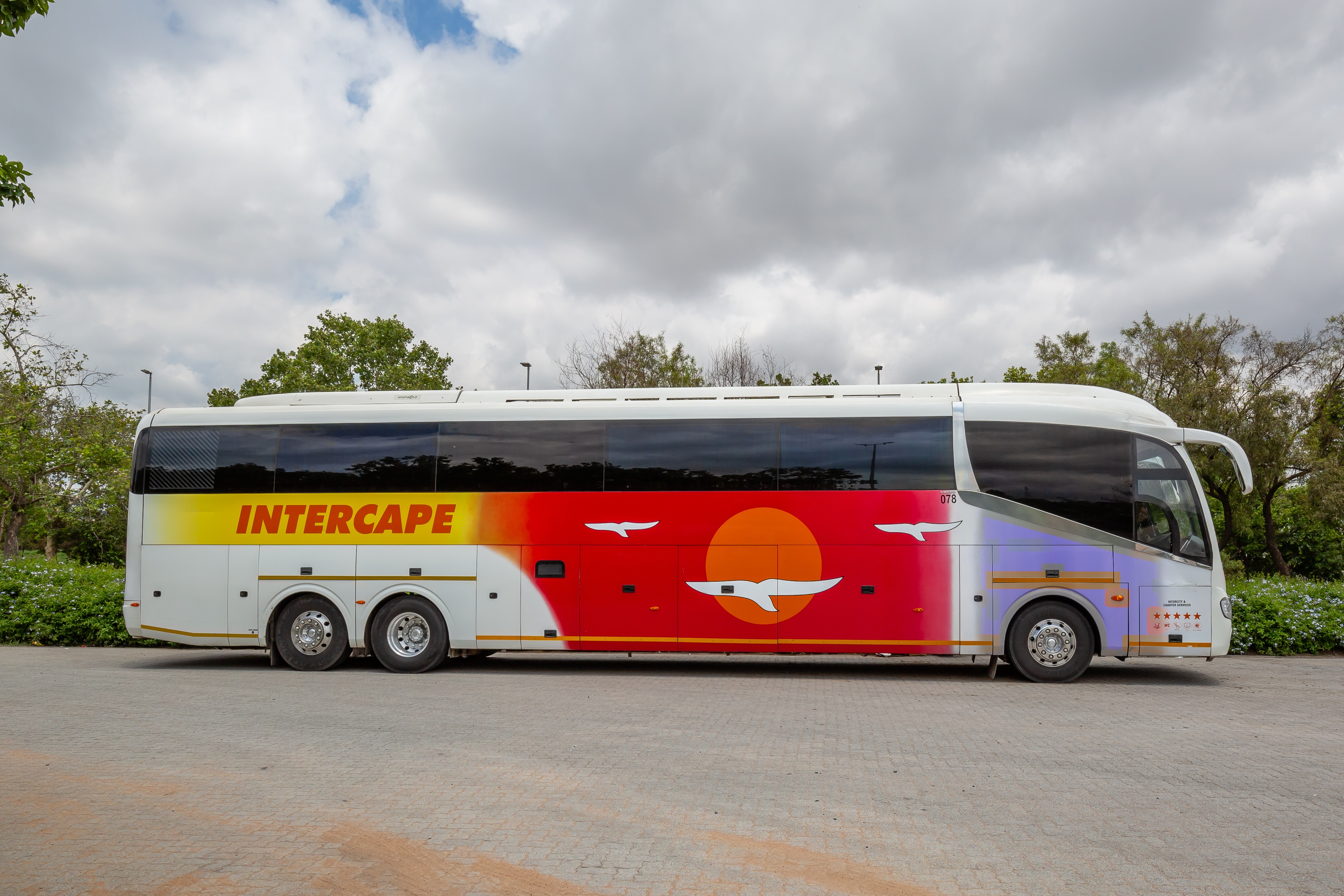
Types of buses
Minibuses
Minibuses are small vehicles that typically carry around 12 passengers. In South Africa, these vehicles play an important role in both local and tourist transport.
Uses for local commuters:
- Taxi operators use minibuses as unmetered taxis to transport people between their homes and workplaces
- Local residents without personal transport use taxi minibuses to reach nearby attractions
- Families travelling long distances to visit friends and relatives in other provinces during holidays rely on these services
Uses for tourists:
- Tourists use minibuses to travel between their accommodation and tourist attractions
- During major events and festivals, such as the Soccer World Cup, taxi minibuses transport tourists from stations and parking areas to event venues
- Private tour operators use minibuses to offer small group and personalised tours to selected attractions
Note
The VFR (Visiting Friends and Relatives) tourist market represents a significant segment of domestic tourism in South Africa. Minibuses serve this market well because they offer affordable, flexible transport for families travelling between provinces during holiday periods.
Coaches, megabuses and sleeper coaches
Coaches
Coaches are larger buses designed for longer journeys. The key difference between coaches and commuter buses is the distance they travel. Coaches make trips longer than 24 km, whilst commuter buses travel 24 km or less. An example of a South African coach service is Translux.
Important
Critical Distance Rule: The 24 km boundary is the key distinction between coaches and commuter buses. Coaches = journeys longer than 24 km. Commuter buses = journeys of 24 km or less. This distinction is important for understanding bus classification in the tourism industry.
Features of luxury coaches:
- Reclining or sleeper seats for passenger comfort
- Air conditioning to maintain a pleasant temperature
- On-board entertainment systems
- Reading lights and heaters
- On-board toilets
- Many luxury coaches have cabin attendants to assist passengers
Booking and travel requirements:
- Passengers must book their tickets in advance
- Travellers should arrive at the departure point 30 minutes before the scheduled departure time
- The standard baggage allowance is 30 kg per person
Note
The "30-30 Rule" for Coach Travel: Remember that coach passengers need to arrive 30 minutes early and can bring 30 kg of baggage. This makes planning and preparation easier for tourists.
Popular uses:
- Coach transport is particularly popular with the VFR tourist market (people Visiting Friends and Relatives)
- Tour operators such as Hilton Ross use coaches and megabuses as tour buses for day excursions (day tours) and longer overnight tours
- International tourists often use tour buses because they form part of the tourism experience itself—this is known as 'transport as tourism'
Note
Transport as Tourism: This concept refers to situations where the bus journey itself becomes part of the tourist experience, not merely a means of getting from point A to point B. Tour buses with special features, scenic routes, and guided commentary transform transport into an attraction.
Megabuses
Megabuses are very large buses with high passenger capacity. These vehicles can seat more than 70 passengers, making them ideal for moving large groups. An example is Translux's double-decker coaches, which provide two levels of seating.
Sleeper coaches
Sleeper coaches specialise in long journeys that often continue through the night. These buses have reclining seats that allow passengers to rest comfortably during extended trips. Intercape's Sleepliner is an example of this type of service.
Key features:
- Used for inter-city travel between major towns and cities
- Popular with domestic tourists who don't own their own vehicles
- Provide an affordable alternative to air travel for long-distance journeys
Special-purpose buses
Charter buses
Tour operators use charter buses for organised group tours. The size of the bus selected depends on two main factors: the type of tour being offered and the number of people in the tour group. This flexibility allows tour operators to match the vehicle to their specific needs, whether it's a small intimate group or a larger party.
Open-top buses for sightseeing
Open-top buses are specifically designed for sightseeing experiences. These distinctive buses follow set tourist routes that connect the main tourist attractions at a destination, allowing passengers to see the sights from an elevated, open-air position.
Features and benefits:
- Often include audio commentary that provides information about the attractions along the route
- Give tourists an effective way to explore the main attractions when they have limited time at a destination
- Ideal for tourists who cannot drive themselves or are unfamiliar with the area
- Allow passengers to experience the destination whilst receiving expert guidance
Note
Open-top buses exemplify the concept of "transport as tourism" by combining sightseeing with transportation. The journey itself becomes an attraction, with passengers enjoying panoramic views and learning about destinations through guided commentary.
Shuttle services
A shuttle is a bus or minibus that travels at regular intervals between two specific locations. This reliable, scheduled service connects important points that tourists need to access.
Common shuttle routes:
- Between hotels and airports
- Between accommodation establishments and conference or meeting venues
- Between airports and car rental agencies
Many tourist establishments operate their own shuttle services to provide convenient transport for their guests.
Baz Bus
Baz Bus is a specialised long-distance bus service that operates on a hop-on, hop-off basis. This service specifically caters to budget travellers, including students and backpackers who need flexible, affordable transport.
Key features:
- Picks up and drops off passengers at more than 180 backpacking hostels
- Operates on set routes between major cities: Cape Town to Johannesburg via Port Elizabeth and Durban
- Allows passengers to get on and off at any stop along the route, providing maximum flexibility
- Designed for travellers who want to explore multiple destinations without rigid schedules
Bus schedules and route maps
Bus schedules are essential documents that provide tourists with important information about their journey. Understanding how to read a bus schedule helps travellers plan their trips effectively.
Information typically found on a bus schedule:
| Column | Information provided | Example |
|---|---|---|
| Board | Point of departure | Durban Station |
| Destination | Arrival location | Port Elizabeth Station |
| From Date | Date of departure | 10 Dec 2011 |
| From Time | Scheduled departure time | 06:30 |
| Until Date | Date of arrival | 10 Dec 2011 |
| Until Time | Scheduled arrival time | 20:55 |
| Service | Specific trip number for that day | 1115 |
| Carrier | Bus company operating the service | TRANSLUX |
| Available | Number of seats still available | 39 |
| Fare | Cost per person | R380 |
How to use a bus schedule:
When reading a timetable, start by identifying your departure point and destination. Check the date and time of departure to find a journey that suits your travel plans. Look at the arrival time to see how long the journey will take. Check the number of available seats to ensure space is available, and note the fare to budget for your trip. The service number identifies the specific journey, which is important when booking tickets or making enquiries.
Example
Worked Example: Reading a Bus Schedule
Using the sample schedule above for a Durban to Port Elizabeth journey:
Step 1: Identify your route
- Departure: Durban Station
- Destination: Port Elizabeth Station
Step 2: Check travel times
- Departure: 10 Dec 2011 at 06:30
- Arrival: 10 Dec 2011 at 20:55
- Journey duration: 14 hours 25 minutes
Step 3: Verify availability and cost
- Available seats: 39 seats
- Fare: R380 per person
Step 4: Note the service details
- Service number: 1115
- Carrier: TRANSLUX
This information tells you that TRANSLUX service 1115 has plenty of availability (39 seats) and will get you to Port Elizabeth in under 15 hours for R380.
Important
Exam Tip: You may be asked to extract specific information from a bus schedule in your examination. Practice reading different timetables and identifying key details quickly and accurately. Focus on: departure/arrival times, journey duration, availability, and fare calculations.
Remember!
Summary
Key Points to Remember:
-
Minibuses are 12-seater vehicles used by both local commuters and tourists for short-distance travel and small group tours.
-
Coaches travel distances longer than 24 km and offer luxury features. Passengers must book in advance, arrive 30 minutes early, and can bring up to 30 kg of baggage.
-
Megabuses can seat more than 70 passengers, making them ideal for large group transport.
-
Sleeper coaches specialise in overnight journeys with reclining seats for passenger comfort during extended trips.
-
Special-purpose buses include:
- Charter buses (group tours with flexible sizing)
- Open-top buses (sightseeing with audio commentary)
- Shuttle services (regular routes between two specific points)
- Baz Bus (budget backpacker travel with 180+ hostel stops and hop-on, hop-off flexibility)
-
"Transport as tourism" means the bus journey itself forms part of the tourist experience, not just a way to get from one place to another.
-
VFR tourist market refers to people Visiting Friends and Relatives, a significant segment of domestic tourism.
-
Bus schedules provide essential information including departure/arrival times, dates, available seats, fares, and carrier details—learn to read these documents accurately for exam success.