Key Concepts (Grade 12 NSC Matric Accounting): Revision Notes
📚Revision Notes
Key Concepts
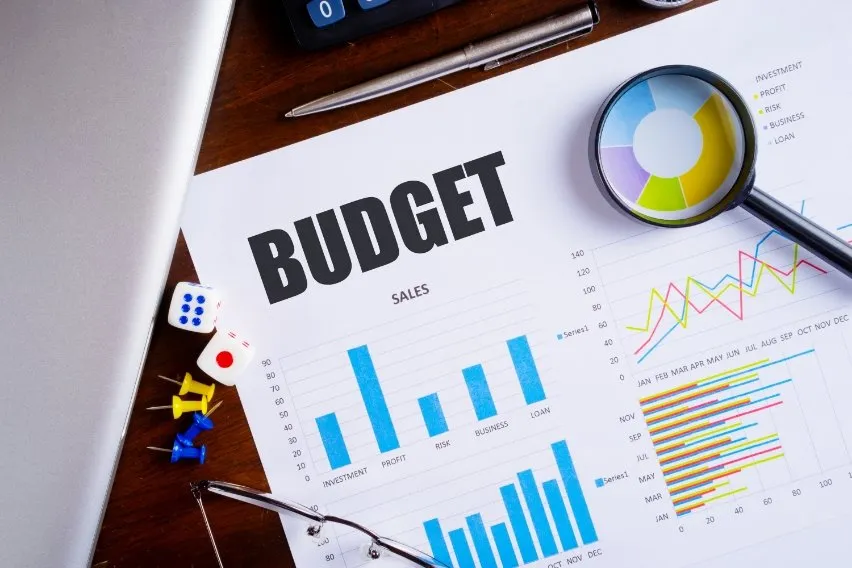
Understanding budgeting
Budgeting serves as a crucial planning tool that helps businesses maintain internal control and make informed decisions. When you create a budget, you are essentially making educated predictions about what your business will experience in the future, including expected income and expenses.
Note
Think of budgeting as creating a financial roadmap for your business. Just like you might plan a trip by mapping out your route and estimating costs, businesses use budgets to plan their financial journey and anticipate potential challenges or opportunities.
Core budget concepts
Understanding the different types of budgets and schedules is essential for effective financial planning. Each type serves a specific purpose in helping businesses forecast and control their operations.
Cash budget
A cash budget focuses specifically on predicting the flow of actual money in and out of your business. This type of budget tracks when you expect to receive cash payments from customers and when you need to make cash payments to suppliers, employees, and other creditors.
Note
Purpose: To forecast future cash receipts and payments, ensuring the business maintains adequate cash flow to meet its obligations.
Projected income statement
A projected income statement takes a broader view by forecasting all income and expenses for a future period, regardless of when cash actually changes hands. This includes credit sales (where payment comes later) and expenses that may be paid on credit.
Note
Purpose: To forecast future profits or losses, helping management understand the overall financial performance expected for the period.
Debtors' collection schedule
This schedule creates a systematic plan for collecting money that customers owe to the business. It considers factors like payment terms, customer payment habits, and potential bad debts to predict when cash will actually be received from credit sales.
Note
Purpose: To forecast receipts from debtors, helping businesses plan their cash flow more accurately.
Creditors' payment schedule
Similar to the debtors' schedule, this plan outlines when and how the business intends to pay money it owes to suppliers and other creditors. It helps ensure the business meets its payment obligations while managing cash flow effectively.
Note
Purpose: To forecast payments to creditors, supporting better cash flow management and maintaining good supplier relationships.
Sales and budget planning
Sales represent the primary source of income for most businesses, but understanding how different types of sales affect your budgets is crucial for accurate forecasting.
Cash vs credit sales
Cash sales provide immediate money to your business and appear as receipts in your cash budget during the month when the sale occurs. These sales strengthen your immediate cash position.
Credit sales, however, create a delay between making the sale and receiving payment. While the sale appears in your projected income statement immediately, the actual cash will only be collected from debtors at a later date according to your collection schedule.
Important
Critical Timing Difference: Credit sales appear in income projections immediately but only affect cash budgets when payment is actually received. This timing difference is essential to understand for accurate budget preparation.
Calculating sales figures
When preparing budgets, you may need to work backwards from given information to determine both cash and credit sales components. Understanding the relationship between total sales, cash sales, and credit sales helps you create more accurate forecasts.
Summary
Key Points to Remember:
-
Budgeting is forecasting - It helps businesses predict and plan for future financial activities rather than just recording what has already happened
-
Different budgets serve different purposes - Cash budgets focus on actual money flow, while projected income statements show overall profitability
-
Timing matters - Credit sales appear in income projections immediately but only affect cash budgets when payment is actually received
-
Collection and payment schedules - These tools help bridge the gap between making sales or incurring expenses and the actual movement of cash
-
Sales planning is fundamental - Understanding the difference between cash and credit sales is essential for accurate budget preparation