Convergence (Grade 12 NSC Matric Computer Application Technology): Revision Notes
📚Revision Notes
Convergence
What is convergence?
Convergence refers to the combining of different technologies to create a single, more advanced product that can perform multiple functions. Instead of having separate devices for different tasks, convergence allows us to have one device that does many things.
Think of convergence as bringing together various technologies under one roof to create something more powerful and convenient than the individual parts would be on their own.
Important
Convergence is fundamentally about integration - taking multiple separate functions and combining them into a single, unified device or system.
The smartphone: a perfect example of convergence
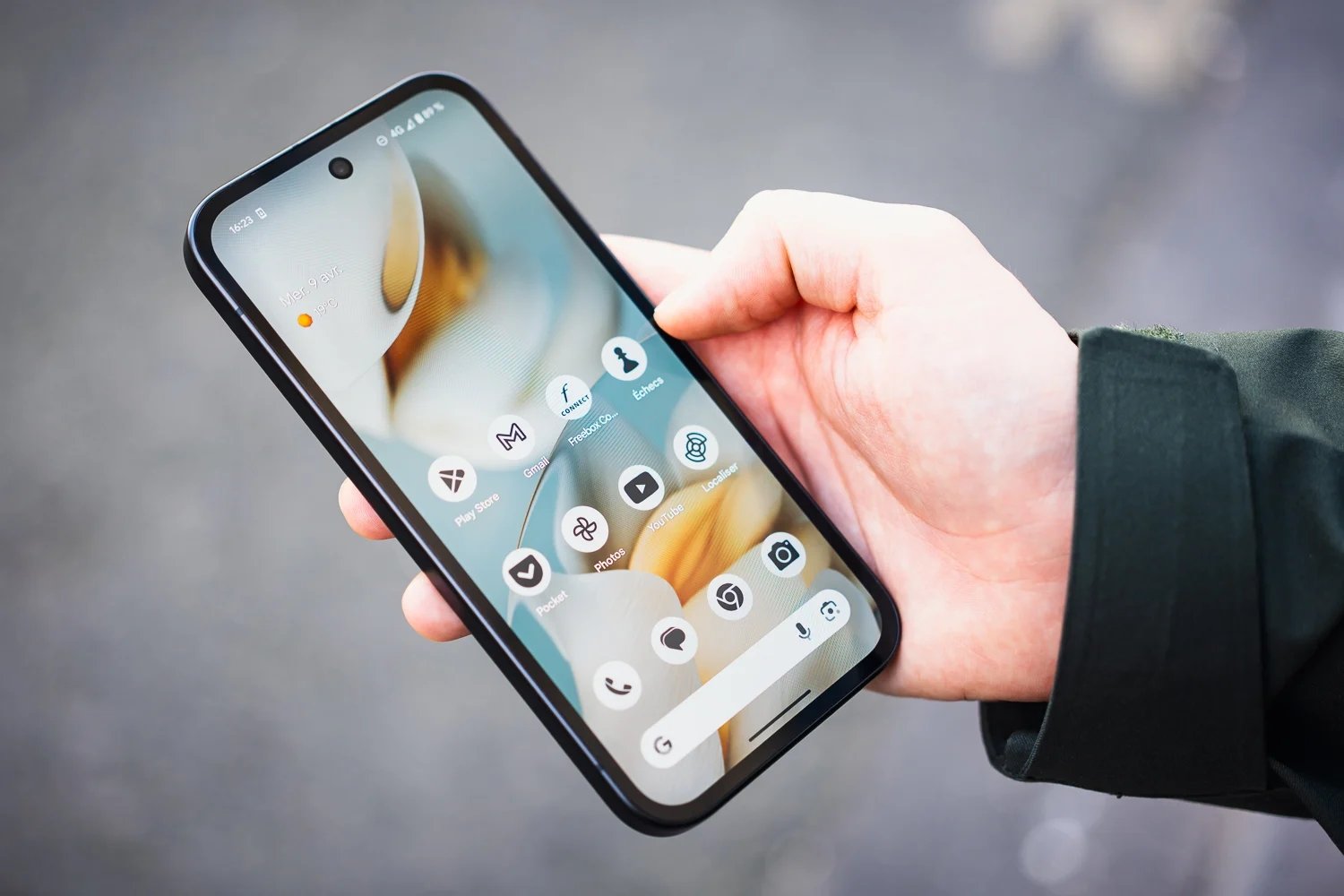
The smartphone is an excellent example of how convergence works in practice. Rather than carrying multiple separate devices, a smartphone combines several technologies into one portable device.
Example
Real-World Example: Smartphone Integration
Consider what you would have needed to carry in the year 2000 versus today:
Year 2000 setup:
- Mobile phone for calls
- Digital camera for photos
- MP3 player for music
- GPS navigation device for directions
- Handheld gaming device for entertainment
- Personal organiser for scheduling
Today with smartphone convergence: All of these functions are integrated into a single smartphone device, demonstrating how convergence has revolutionised our daily technology use.
Technologies integrated in smartphones
Modern smartphones demonstrate convergence by including:
Phone functionality The core feature that allows you to make and receive phone calls, just like traditional mobile phones.
Camera technology Built-in cameras enable you to capture photographs without needing a separate digital camera.
Video recording capabilities The same camera system can record videos, eliminating the need for a separate video camera.
GPS (Global Positioning System) Smartphones include GPS technology that helps you track your location and get directions, replacing the need for separate satellite navigation devices.
Music player functionality Built-in speakers and music applications allow you to listen to music, replacing dedicated music players.
Additional examples of convergence in everyday life
Convergence isn't limited to smartphones. You'll find it in many modern devices throughout your daily life.
Note
The trend towards convergence has accelerated rapidly in recent years, with "smart" versions of traditional appliances becoming increasingly common in homes and businesses.
Smart cars combine traditional driving with computer systems and video displays for features like parking assistance and entertainment.
Smart televisions merge traditional TV broadcasting with internet browsing capabilities and gaming functions.
Smart refrigerators combine food storage with features like music streaming, creating shopping lists, and sending messages.
Benefits of technological convergence
Understanding why convergence has become so popular helps explain its rapid adoption across different industries.
Summary
Key Benefits of Convergence:
- Cost savings: Instead of purchasing multiple separate devices, you only need to buy one convergent device
- Convenience: Carrying one device instead of several reduces bulk and complexity
- Space efficiency: Less storage space needed for multiple gadgets
- Simplified management: Only one device to charge, update, and maintain
Understanding the convergence diagram
Note
Visual Learning Aid
The visual representation shows various technology icons (representing music, gaming, TV, camera, internet, phone, GPS, and messaging) all pointing towards a central cluster of smartphones. This illustrates how all these separate technologies have been brought together and integrated into the single smartphone platform.
Remember!
Summary
Essential Points About Convergence:
- Convergence combines multiple technologies into one advanced product
- Smartphones are the most common example of convergence in daily life
- Convergence saves money by reducing the number of devices you need to buy
- Modern convergent devices include smart cars, smart TVs, and smart appliances
- The main benefit is convenience - having multiple functions in a single device