Social Implications: Environmental (Grade 12 NSC Matric Computer Application Technology): Revision Notes
📚Revision Notes
Social Implications: Environmental
Introduction to environmental impact
Technology has transformed our world in remarkable ways. Computers have given people worldwide better access to food, water, education, and social connections, making us wealthier and more informed than ever before. However, this technological revolution comes with significant environmental consequences that we must understand and address.
Note
The relationship between technology and the environment presents a fascinating paradox: the same innovations that improve human quality of life worldwide also create some of our most pressing environmental challenges.
Energy consumption and greenhouse gases
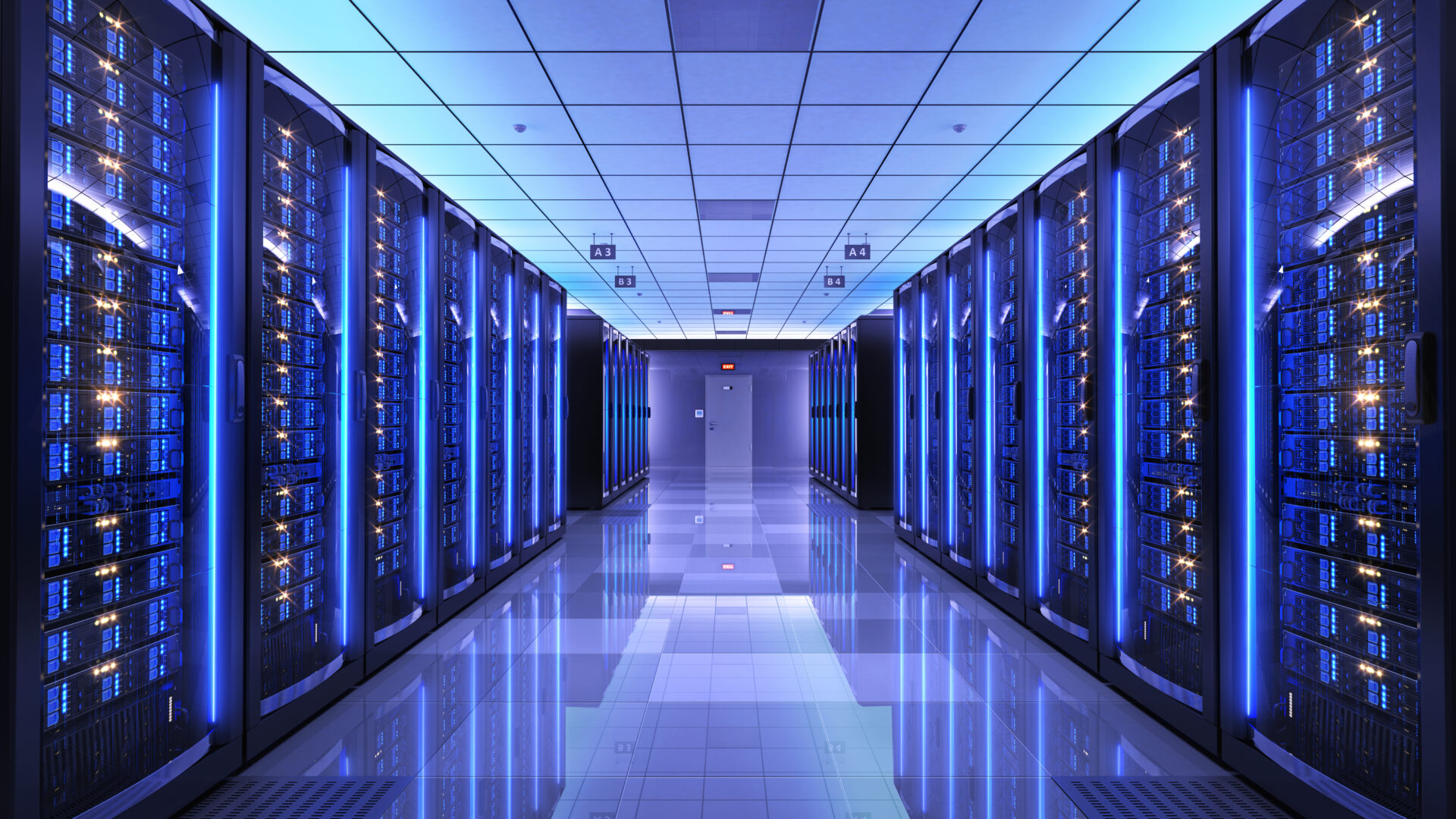
Data centres that host websites and support internet services consume more than 3% of all electricity generated worldwide. This figure doesn't even include the electricity used by personal computers and work devices. Since most electricity is still produced by burning fossil fuels like coal, computers contribute significantly to greenhouse gas emissions that cause climate change.
This massive energy consumption represents one of the most pressing environmental challenges of our digital age. Every time you stream a video, send an email, or browse social media, you're contributing to this energy demand.
Important
Your Digital Footprint Matters
Every online activity you perform - from streaming videos to sending emails - directly contributes to global energy consumption and greenhouse gas emissions. Understanding this connection is the first step towards more responsible technology use.
Major environmental problems caused by technology
The environmental impact of technology extends far beyond energy consumption, creating a complex web of interconnected problems that affect our planet and human health.
Note
Manufacturing Pollution
The factories that manufacture computers and electronic components create serious environmental problems. These facilities contribute to:
- Air pollution: Toxic gases released during manufacturing processes
- Water pollution: Chemical waste contaminating water sources
- Noise pollution: Industrial processes affecting local communities
Important
The E-waste Crisis
E-waste refers to discarded electronic devices that end up in landfills. This creates several serious problems:
- Most electronic devices contain non-biodegradable materials that never break down naturally
- Devices contain heavy metals like lead, cadmium, and mercury that are highly toxic
- These toxic substances can leak into the ground and contaminate groundwater supplies
- The volume of e-waste is growing rapidly as people replace devices more frequently
Health hazards from material extraction
To extract valuable materials like copper, silver, and gold from old electronic devices, companies often burn the devices. This burning process releases toxic smoke into the atmosphere, which can cause serious health problems including:
- Cancer
- Kidney disease
- Respiratory problems
Communities near these extraction facilities face the greatest health risks.
Green computing: A sustainable solution
Green computing is the practice of designing, manufacturing, using, and disposing of computer hardware, software, and networks in ways that reduce their environmental impact. This approach focuses on making technology more efficient whilst ensuring computers are built from biodegradable materials wherever possible.
Key green computing practices
Sustainable printing practices
- Use paper made from recycled materials
- Print on both sides of the paper to reduce paper consumption
- Only print when absolutely necessary
Energy conservation
- Enable the Sleep function on your computer so it enters hibernation mode when not in use
- This significantly reduces electricity consumption during idle periods
- Choose energy-efficient devices when purchasing new technology
Proper disposal methods
- Recycle old electronic devices through certified e-waste programmes
- Never throw electronic devices in regular household waste
- Donate working devices to extend their useful life
Industry standards and tools
The Electronic Product Environmental Assessment Tool (EPEAT) is a comprehensive system developed to help evaluate the environmental impact of computer products. This tool uses three classifications based on the materials used in manufacturing:
- Gold standard (highest environmental performance)
- Silver standard (moderate environmental performance)
- Bronze standard (basic environmental performance)
The system considers factors such as product longevity, potential for reuse and recycling, energy consumption, and end-of-life management. Major technology companies like Dell and Apple have begun producing products that meet EPEAT standards, demonstrating the industry's growing commitment to environmental responsibility.
Note
Industry Leadership
The adoption of EPEAT standards by major technology companies represents a significant shift towards environmental responsibility in the tech industry. This demonstrates that sustainable technology solutions are not only possible but increasingly becoming the industry standard.
Summary
Key Points to Remember:
-
Technology has both positive and negative environmental impacts - whilst it improves quality of life globally, it also contributes significantly to pollution and energy consumption
-
Data centres consume over 3% of the world's electricity, making them major contributors to greenhouse gas emissions
-
The three main environmental problems are pollution (air, water, noise), e-waste (toxic materials in landfills), and health hazards (from material extraction processes)
-
Green computing offers practical solutions through sustainable design, energy-efficient practices, and proper disposal methods
-
Everyone can contribute by using energy-saving settings, printing responsibly, and recycling electronic devices properly