Communication Devices (Grade 12 NSC Matric Computer Application Technology): Revision Notes
📚Revision Notes
Communication Devices
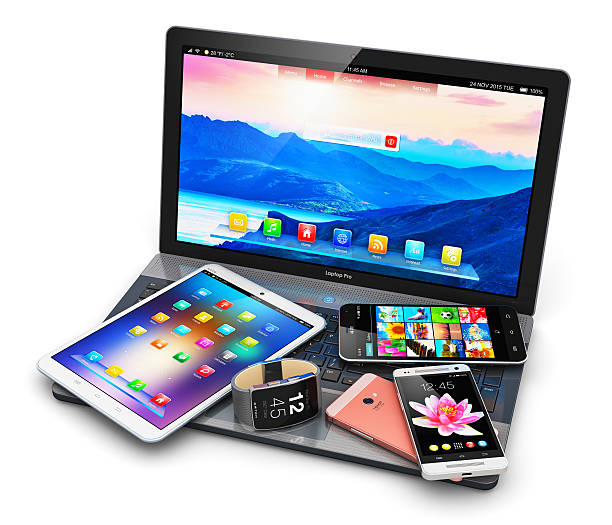
Communication devices have revolutionised how we connect with others in our modern world. These electronic tools allow us to communicate with friends, family, colleagues, and even strangers across the internet using various methods. Understanding these devices is essential for navigating our digital society effectively.
Note
In today's interconnected world, communication devices have become indispensable tools that shape how we work, learn, and maintain relationships. Mastering these technologies is crucial for personal and professional success.
Computers and laptops
Desktop and laptop computers serve as powerful communication hubs in our daily lives. These devices provide access to multiple digital communication methods that keep us connected across distances.
Primary communication functions
Modern computers enable three main types of digital communication:
- Written communication - This includes instant messaging services and email platforms that allow you to send text-based messages quickly and efficiently
- Audio communication - Voice over Internet Protocol (VoIP) services let you make voice calls over the internet without traditional phone lines
- Video communication - Video conferencing tools enable face-to-face conversations with people anywhere in the world
Example
Communication Methods in Action:
Written: Sending an email to a colleague or using WhatsApp to message friends Audio: Making a Skype call to family overseas or joining a conference call Video: Participating in a Zoom meeting or FaceTiming with relatives
System integration capabilities
Computers also function as central communication hubs within electronic device networks. They can communicate with other devices to ensure systems operate correctly and share information seamlessly. This interconnectivity makes computers essential for coordinating multiple communication channels.
Note
This integration capability allows computers to act as the "brain" of your digital ecosystem, managing connections between smartphones, tablets, smart home devices, and cloud services.
Smartphones
Smartphones represent one of the most significant technological advances in personal communication. These portable computers are incredibly powerful - thousands of times more capable than the computers used during the first moon landing - yet small enough to fit in your pocket.
Core communication features
Smartphones excel at traditional communication methods:
- Voice calls - Make and receive phone calls anywhere with network coverage
- Text messaging - Send and receive written messages instantly
- Audio messaging - Record and share voice messages for more personal communication
Advanced connectivity options
Modern smartphones offer sophisticated communication tools that go far beyond traditional calling:
- Video conferencing - Participate in face-to-face meetings from anywhere
- Social networking - Stay connected through various social media platforms
- GPS navigation - Share your location and find directions to meet others
Important
The combination of internet connectivity, GPS, cameras, and processing power makes smartphones the most versatile communication devices available today. They've essentially replaced multiple separate devices that people once carried.
Entertainment and productivity
Beyond communication, smartphones provide:
- Music streaming - Listen to your favourite songs and podcasts
- Photography and videography - Capture and share moments instantly
- Mobile gaming - Play games for entertainment and social connection
Wearables
Wearable technology represents an exciting new category of communication devices. These small, body-worn computers integrate seamlessly into your daily routine while keeping you connected.
Types of wearable devices
Smartwatches function as extensions of your smartphone, allowing you to view messages and answer calls directly from your wrist. This convenience means you stay connected without constantly checking your phone.
Note
Smartwatches have become particularly popular because they offer the perfect balance between staying connected and maintaining focus on real-world activities. You can receive important notifications without the distraction of a full smartphone screen.
Smart clothing incorporates technology into specially designed garments that monitor various aspects of your health, such as heart rate and blood glucose levels. This data can be shared with healthcare providers for better medical care.
Fitness trackers help you monitor and record daily activities including workouts, heart rate, step counts, and calories burned. Healthcare companies often promote these devices to encourage healthier lifestyles among their customers.
Tablets
Tablets occupy a unique position between smartphones and laptops in terms of size and functionality. These hand-held computers are larger than smartphones but more portable than laptops, making them ideal for specific communication and entertainment purposes.
Primary uses and advantages
Tablets work similarly to smartphones but offer several distinct advantages due to their larger screens. Families commonly use tablets for shared entertainment activities, such as watching films and television programmes together at home.
The larger screen size makes tablets particularly suitable for video calls, reading, and consuming media content. When you need to communicate with others while away from home, smartphones typically provide more convenient portability, while tablets excel for home-based communication and entertainment activities.
Note
The tablet's screen size creates a "sweet spot" for many activities - large enough for comfortable viewing and interaction, yet portable enough for casual use around the home or during travel.
Summary
Key Points to Remember:
- Communication devices include computers, smartphones, wearables, and tablets, each serving different communication needs
- Smartphones are incredibly powerful pocket computers that combine traditional calling with internet-based communication tools
- Wearable technology keeps you connected through body-worn devices like smartwatches and fitness trackers
- Tablets bridge the gap between smartphones and laptops, offering larger screens for shared communication and entertainment
- Digital communication methods include written (messaging/email), audio (VoIP), and video (conferencing) options across all these devices