Computer Communications (Grade 12 NSC Matric Computer Application Technology): Revision Notes
📚Revision Notes
Computer Communications
Introduction
Computer communications have revolutionised how we share information and connect with others around the world. This section explores various digital communication tools that have become essential parts of our daily lives. These tools allow us to express ourselves, share knowledge, and stay connected with friends, family, and communities globally.

Note
Understanding these communication methods helps you choose the right tool for different purposes, whether you want to share your thoughts, distribute content, or collaborate with others online. Each tool has its own strengths and is suited for different types of communication needs.
Blogging
What is blogging?
A blog (short for "weblog") is essentially an online diary or informational website where content appears in reverse chronological order. This means the newest posts show up first, making it easy for readers to see your latest thoughts and updates. Think of it as your personal corner of the internet where you can write about anything that interests you.
Advantages of blogging
Blogging offers several fantastic benefits for content creators:
- Express yourself freely - You can write about any topic that interests you, from hobbies to professional insights
- Quick and simple setup - Most blogging platforms make it incredibly easy to get started
- Easy content management - Adding new posts and updating content is straightforward
- Interactive community - Readers can leave comments, creating conversations around your content
Disadvantages of blogging
However, blogging also comes with some challenges you should consider:
- Public visibility - Once published, your content is available for everyone to see online
- Potential bias concerns - Personal blogs may reflect individual viewpoints rather than balanced perspectives
- Time investment - Creating quality content regularly requires dedication and effort
- Comment management - You may receive inappropriate or rude comments that need moderation
Important
Remember that once you publish content on a blog, it becomes publicly visible to anyone on the internet. Always think carefully about what you share and consider the long-term implications of your posts.
Creating and publishing a blog
The easiest way to start blogging is through free platforms like WordPress or Blogger.com. Here's how the process typically works:
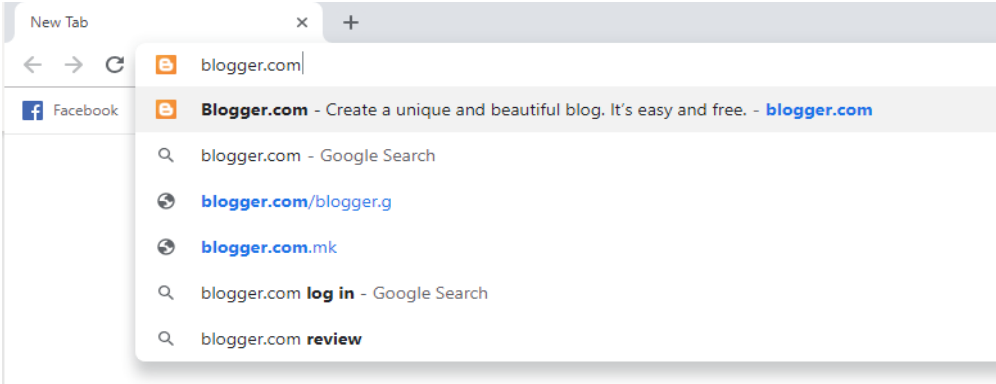
First, you'll need an internet connection and an email account (Gmail works well). Navigate to your chosen blogging platform by typing the URL into your browser or searching for it online.
Next, you'll create your account by clicking options like "Get Started" or "Create Your Blog" and following the step-by-step registration process. This includes choosing a unique web address for your blog.

Once registered, you can start writing your first post. Many platforms integrate with word processors like Microsoft Word, allowing you to write your content in familiar software before publishing it online.
Note
When people search for your blog, they'll find it by typing the web address you registered during setup into their browsers. Choose your web address carefully as it becomes your blog's permanent identity online.
Vlogging
Vlogging takes blogging into the video realm. A vlog (video blog) uses video as the primary medium instead of written text. Vlogs often combine video content with supporting text, images, and other multimedia elements, creating rich, engaging content similar to personal television shows.
Advantages of vlogging
Video content offers unique benefits for creators:
- Direct audience connection - Video allows for more personal interaction with viewers
- No website required - Platforms like YouTube host your content for you
- Accessible to everyone - You don't need professional training to start creating videos
Disadvantages of vlogging
However, vlogging presents some challenges:
- Equipment requirements - You need basic recording equipment like a camera or smartphone
- Technical skills needed - Basic video editing knowledge helps create polished content
- Time-intensive - Recording, editing, and uploading videos takes considerable time
Podcasting and vodcasting
Understanding podcasting
Podcasting allows internet users to download audio files (typically MP3s) from websites to listen on computers or portable devices. The term combines "iPod" (Apple's popular audio player) with "broadcasting." Podcasts are audio programmes produced regularly and distributed online in compressed formats designed for easy playback on various devices.
A vodcast extends this concept by including video recordings alongside audio content.
Advantages of podcasting and vodcasting
These audio and video formats offer several benefits:
- Perfect for multitasking - Listen while travelling, exercising, or doing other activities
- Regular updates - Provides a reliable way to get fresh content daily
- Flexible tone - Content can be professional, educational, or completely relaxed
- Highly informative - Covers diverse topics in depth
Disadvantages of podcasting and vodcasting
Consider these challenges before starting:
- Production time - Creating scripted content, recording, and editing requires significant time investment
- Content quality demands - Success requires good presentation skills, interesting topics, and quality writing
- Limited audience - Podcast audiences are generally smaller than other media formats
Example
Best Practice Tips for Podcasting:
Planning Phase:
- Allow enough time for scripting, recording, and editing
- Choose topics you're genuinely passionate about
Production Phase:
- Speak naturally and communicate clearly
- Be polite and maintain a conversational tone
Distribution Phase:
- Maintain consistent upload schedules
- Share information about new episodes on social media to attract listeners
Wikis
Wiki websites enable collaborative information sharing where multiple users can access, edit, and update content from anywhere in the world, provided they have internet access. This collaborative approach means information stays current through community contributions.
Advantages of wikis
Wikis offer powerful collaborative benefits:
- Community editing - Anyone can contribute, ensuring regular updates and improvements
- Free access - Most wikis are completely free to use
- Device flexibility - Access from any internet-connected device
Disadvantages of wikis
However, wikis also present some concerns:
- Information accuracy - Anyone can edit content, potentially leading to misinformation
- Spam and vandalism - Without proper moderation, wikis can become cluttered with irrelevant content
- Internet dependency - Requires active internet connection for access
Important
Wikipedia Accuracy Warning: While Wikipedia is a valuable starting point for research, always verify information from wikis using additional reliable sources. Since anyone can edit wiki content, misinformation can sometimes appear, even if temporarily.
Wikipedia serves as the most famous example, functioning as a comprehensive online encyclopaedia, though many specialised wikis exist covering specific topics.
RSS feeds
What is RSS?
RSS stands for "Really Simple Syndication." It provides an efficient way to distribute headlines, updates, and content to large audiences. RSS technology helps computer programmes organise and present information for easy reading.
Problems RSS solves
Many people want to follow multiple websites whose content changes unpredictably - news sites, community organisations, product pages, medical websites, and blogs. Manually checking each site for updates becomes tedious and time-consuming.
Email notifications were an early solution, but multiple website subscriptions quickly become overwhelming and often get mistaken for spam.
Note
RSS offers a better notification system than email subscriptions. Changes to multiple websites are handled efficiently, with results presented in well-organised, distinct formats separate from your email inbox.
How RSS works
Website authors maintain notification lists called "RSS Feeds" on their sites using standardised formats. People interested in updates can check these feeds for latest headlines or changes. Special computer programmes called "RSS aggregators" (also known as "RSS Channels" or "RSS Readers") automatically access multiple RSS feeds and organise results for users.
Creating RSS feeds has become simple, with hundreds of thousands of websites now providing this feature, including major news organisations like the New York Times, BBC, and Reuters, as well as countless blogs.
RSS feed information
RSS feeds contain basic notification information organised from newest to oldest items. Each item typically includes a simple title describing the content, along with either a complete description or summary, plus a link to the full webpage content.
GPS
GPS represents a form of digital communication using satellite-based radio navigation to determine your location worldwide. This location information enables navigation to new destinations or sharing your current position with others.

Advantages of GPS
GPS technology offers several practical benefits:
- Global availability - Works anywhere in the world with clear sky access
- Emergency assistance - Quickly and efficiently locates people in trouble
- Regular updates - Software updates account for landscape and infrastructure changes
- Trip planning - Helps plan routes, get directions, and find retail locations
Disadvantages of GPS
GPS also has some limitations to consider:
- Battery consumption - GPS devices use significant power, requiring regular charging
- Signal interference - Weather, tall buildings, and structures can affect signal quality
- Accuracy variations - Signal strength affects precision; weak signals can provide inaccurate information (always keep a physical map as backup)
- Cost considerations - GPS devices can be expensive to purchase
Note
Modern smartphones include built-in GPS functionality along with navigation software like Google Maps, eliminating the need for separate GPS devices for most users.
Geotagging
Geotagging involves attaching geographical data (obtained through GPS) to media and websites. This process adds location information including latitude and longitude coordinates, timestamps, altitude, distance, and place names to videos, photos, messages, and QR codes.
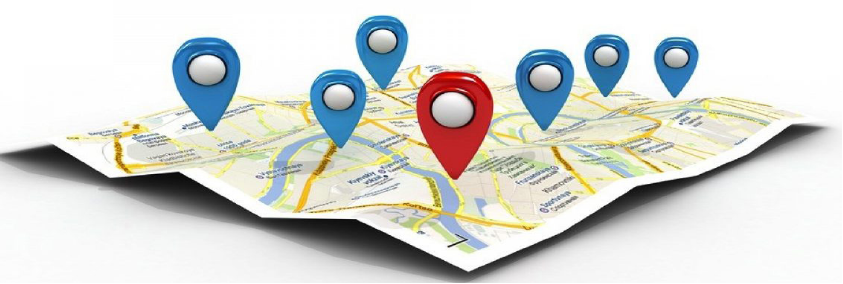
This technology enables location-based services and helps organise content by geographic relevance.
Social networks
Understanding social networks
Social networking services are online platforms enabling users to communicate and share information with others worldwide. Simply put, these websites connect you to people, helping you make friends and discover what others are doing. Users typically post pictures, share photos, videos, and ideas either individually through direct messages or with groups through general posts.

Advantages of social networks
Social media platforms provide valuable connection opportunities:
- Maintain relationships - Stay connected with friends and family regardless of distance
- Meet like-minded people - Find others who share your interests and hobbies
- Business promotion - Advertise products and discover items you're interested in purchasing
- Stay informed - Get latest news and updates from around the world
Disadvantages of social networks
However, social media also presents significant challenges:
- Cyberbullying concerns - Online harassment has become a growing problem
- Privacy risks - Personal information can be misused for profiling and discrimination
- Addiction potential - Some users become overly dependent on social media engagement
- Misinformation spread - Social media can be a major source of false and misleading information
Important
Social Media Safety Reminders:
- Always review your privacy settings regularly
- Think before you post - content can be screenshot and shared
- Be cautious about sharing personal information like location data
- Report cyberbullying and inappropriate content when you encounter it
- Verify news and information before sharing it with others
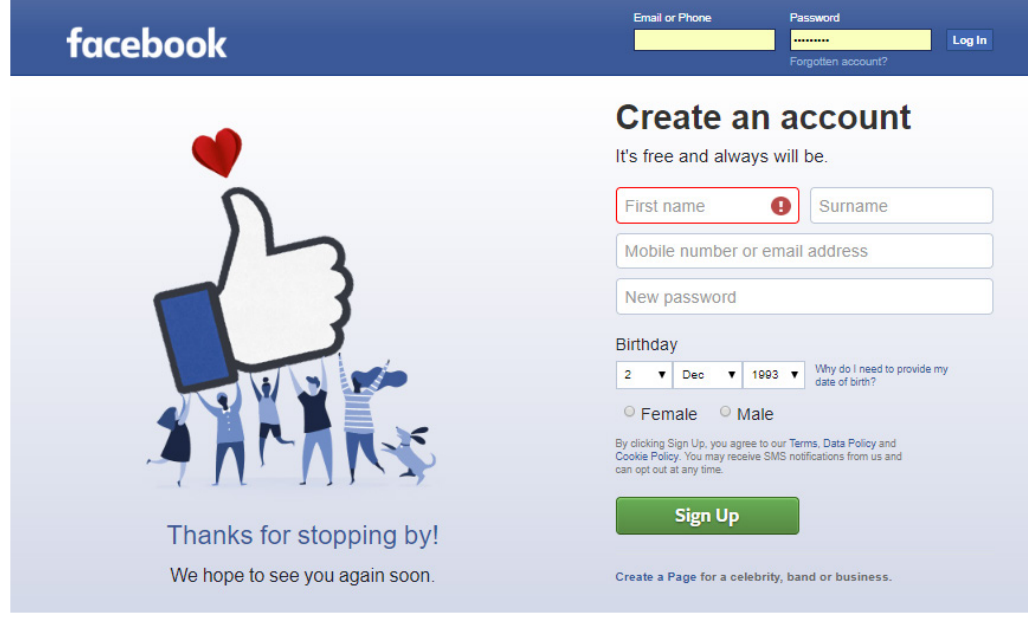
Creating social media accounts typically involves visiting the platform's website (like www.facebook.com) and completing an account registration form, then clicking "Sign Up" to begin using the service.
Summary
Key Points to Remember:
- Blogging provides an excellent way to share your thoughts online, but remember that everything you publish becomes publicly visible
- Video and audio content (vlogging, podcasting) creates more personal connections with audiences but requires more time and technical skills
- Wikis enable collaborative information sharing, though you should always verify information accuracy since anyone can edit content
- RSS feeds solve the problem of tracking multiple websites by automatically organising updates in one place
- GPS technology provides global navigation capabilities but depends on battery power and clear signal reception
- Social networks offer fantastic opportunities to connect with others, but always be mindful of privacy settings and potential risks like cyberbullying and misinformation