Social Networking Sites and Technologies (Grade 12 NSC Matric Computer Application Technology): Revision Notes
📚Revision Notes
Social Networking Sites and Technologies
What are social networking sites?
Modern technology and the internet have revolutionised how we connect with others around the world. Social networking has become an integral part of daily life for millions of people globally.
A social networking website is an online platform that enables users to build a digital version of themselves. This digital profile includes information about their interests, preferences, personal details, and much more. Once created, this profile becomes the foundation for connecting with friends, family, and even strangers who share similar interests or backgrounds.
Note
The concept of creating a "digital version" of ourselves has fundamentally changed how we present our identities and interact with others in the modern world.
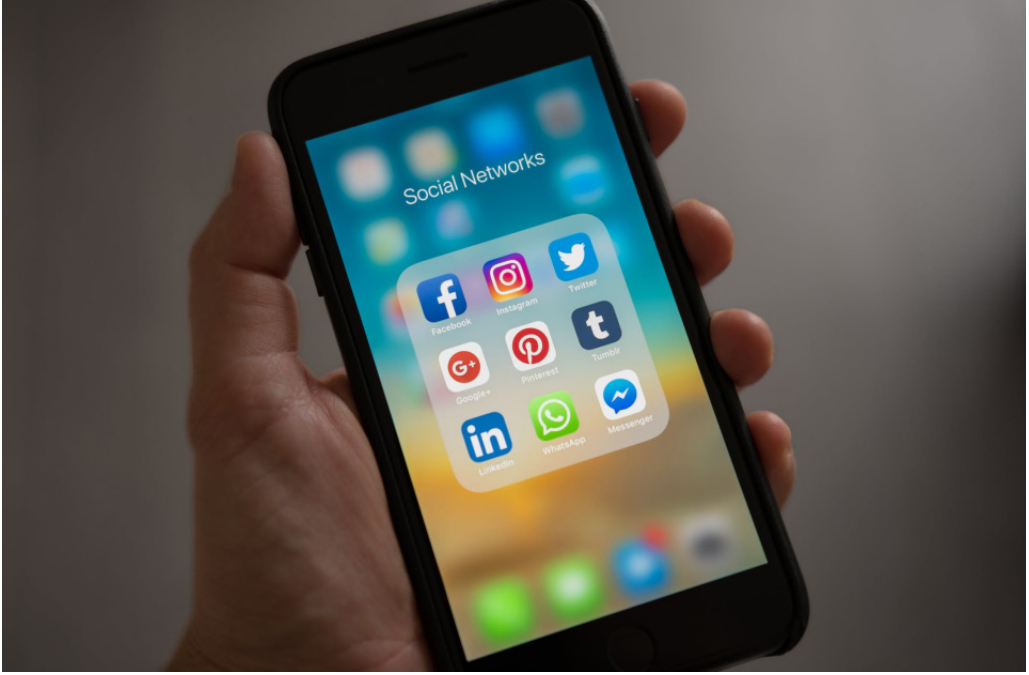
Major social networking platforms
Let's explore some of the most popular social networking platforms and understand their unique purposes:
Facebook stands as the world's most widely used social networking platform. Users can create comprehensive profiles to share photos, videos, and messages whilst staying connected with their social circles.
Twitter operates as both a social media and news platform, allowing people to express their thoughts and opinions in short messages of 280 characters or fewer. It's particularly popular for real-time news and commentary.
Instagram focuses specifically on visual content, enabling users to share photographs and videos with their followers in an aesthetically pleasing format.
YouTube serves as the internet's primary video-sharing platform where users can upload, view, and interact with video content covering virtually any topic imaginable.
GoFundMe represents a different type of social networking - crowdfunding platforms that allow people to raise money for personal causes, charitable projects, or business ventures.
WhatsApp functions as a messaging application for smartphones, facilitating the exchange of text messages, images, audio clips, and videos via internet connection.
LinkedIn caters specifically to professional networking, helping users showcase their business credentials, work experience, and career achievements. Many people use LinkedIn to search for employment opportunities and build professional relationships.
Impact of social networking sites
Social networking platforms have fundamentally changed how we interact with each other, bringing both remarkable benefits and significant challenges. Understanding these impacts is crucial for using these platforms responsibly.
Positive effects of social media
Social networking sites have created numerous opportunities that weren't possible before the digital age.
Educational opportunities have expanded dramatically through platforms like YouTube, which has become a vast library of educational content. Students can access tutorials on everything from basic cooking skills to advanced scientific concepts, making learning more accessible than ever before.
Raising awareness for important causes has become much easier through social media. Platforms like Facebook and Twitter enable people to quickly share information about social issues, create support groups for those facing challenges, and educate others about topics like disability awareness or disease prevention.
Encouraging creativity has become a hallmark of social media platforms. YouTube and Instagram have enabled countless users to build professional careers from their creative talents, whether through video creation, photography, or artistic expression. These platforms provide a global stage for showcasing creativity.
Increasing professional visibility through platforms like LinkedIn allows individuals to present their qualifications and experience to potential employers worldwide. Users can share their achievements, work samples, and professional journey, creating opportunities that extend far beyond their local area.
Building communities represents one of social media's greatest strengths. These platforms enable people with shared interests, beliefs, or experiences to find each other and form supportive communities, regardless of geographical distance.
Supporting causes and fundraising has been revolutionised through crowdfunding platforms like GoFundMe. Whether someone needs help with medical expenses, education costs, or starting a business, these platforms make it easier to reach potential supporters and explain their situation to a wider audience.
Example
Real-World Example: Community Building Through Social Media
A rare disease support group on Facebook connects patients and families from around the world, sharing treatment experiences, emotional support, and latest research updates. Members who may be the only person in their city with this condition can now access a community of hundreds who understand their journey.
Negative effects of social media
However, social media also presents several concerning challenges that users must understand and navigate carefully.
Creating false relationships has become increasingly common as people find it easier to communicate through screens rather than face-to-face interaction. This shift can lead to a reduction in genuine, real-world relationships and may contribute to feelings of isolation and depression among heavy users.
Compromising privacy represents a major concern in the social media age. Users often share extensive personal information about their lives, preferences, and locations. This data can be exploited by individuals with malicious intentions, as demonstrated by incidents like the Cambridge Analytica case where Facebook took steps to improve user privacy protection.
Reducing productivity occurs when social media platforms design their content to match users' interests and preferences, creating an engaging but potentially addictive experience. Users may find themselves spending excessive time browsing content instead of focusing on important tasks or responsibilities.
Creating peer pressure emerges naturally as users can observe the thoughts and activities of their social groups. This visibility may pressure individuals to change their opinions or behaviour to fit in with their online community, potentially compromising their authentic selves.
Influencing behaviour differently online than in person has become a notable phenomenon. Some people become more confident and outspoken online, whilst others may use the anonymity of the internet to engage in bullying or other harmful behaviours they wouldn't exhibit in person.
Important
The Fake News Problem
Spreading fake news has become a significant problem in the digital age. Fake news consists of deliberately false or misleading stories created to deceive readers. These fabricated stories often aim to influence political opinions, create confusion, or generate profit for their creators. The ease of sharing information on social media can cause these false stories to spread rapidly, making them appear credible even when they're completely untrue.
Understanding your digital presence
Every action you take online contributes to your digital footprint - a comprehensive record of your internet activities that forms your cyber profile. This includes websites you visit, files you download, and updates you make to social media accounts. Understanding this concept is crucial because your digital footprint can have long-lasting consequences for your personal and professional life.
Important
Since the Cambridge Analytica incident, social media companies have implemented stronger security measures to better protect user information. However, users must remain vigilant about what they share online and understand that their digital activities create a permanent record.
Summary
Key Points to Remember:
-
Social networking sites are online platforms that allow users to create digital profiles and connect with others based on shared interests and relationships
-
These platforms offer significant benefits including educational opportunities, community building, creative expression, and professional networking possibilities
-
However, social media also presents risks such as privacy concerns, reduced face-to-face relationships, productivity challenges, and exposure to misinformation
-
Your digital footprint consists of all your online activities and can impact your future personal and professional opportunities
-
Using social media responsibly means understanding both its benefits and risks whilst being mindful of what information you share online