Computer-Related Crimes (Grade 12 NSC Matric Computer Application Technology): Revision Notes
📚Revision Notes
Computer-Related Crimes
What are computer-related crimes?
Computer-related crimes, also known as cybercrimes, have become increasingly common as criminals discover new ways to infiltrate computers and exploit users. These crimes range from simple attacks like computer viruses to sophisticated schemes such as phishing, where criminals attempt to access people's computers and steal their passwords, bank account details, or personal information.
Cybercriminals can use compromised computers to send spam emails and place unwanted advertisements on websites that users visit. Understanding the basics of computer crimes and how to use computers and the internet safely is essential for all users in today's digital world.
Note
As technology advances, cybercriminals continuously develop new methods to exploit users. Staying informed about these threats and implementing proper security measures is crucial for protecting yourself in the digital age.
Types of computer-related crimes
Computer-related crimes span from physical crimes involving hardware to sophisticated internet-based attacks. Let's explore the different categories of these crimes and how to protect yourself against them.
Theft of computer hardware
Hardware theft involves the physical stealing of computer components and devices. This includes internal parts like RAM and graphics cards, external components such as keyboards and mice, as well as complete devices like laptops or smartphones.
Computer hardware is expensive, making it an attractive target for thieves. Here are some essential protection strategies:
- Never leave your laptop or mobile device unattended in public spaces
- Use strong passwords as a security barrier
- Secure your equipment to tables or desks in offices using cable locks
Important
Never leave your devices unattended in public spaces. This is the most common way hardware theft occurs. Even a moment's inattention can result in the loss of expensive equipment and valuable personal data.
Software theft
Software theft involves the illegal use and distribution of software through unauthorised methods. This includes stealing physical media like CDs or DVDs containing software, as well as downloading pirated software from the internet.
Software piracy is considered a crime in many countries, including South Africa, making it crucial to avoid these activities. Follow these guidelines to stay on the right side of the law:
- Never copy, duplicate, or distribute software without proper copyright licensing
- Avoid downloading and using illegal software from the internet
- Don't lend your legitimate software to others for illegal copying purposes
Important
Software piracy is illegal and can result in serious legal consequences. In South Africa, violating copyright laws can lead to fines and even imprisonment. Always ensure you have legitimate licenses for all software you use.
Bandwidth theft
Bandwidth theft occurs when someone uses internet bandwidth without paying for it. Criminals steal bandwidth through various methods, including stealing usernames and passwords, or connecting to unprotected wireless networks without permission.
A specific type of bandwidth theft is hotlinking, where someone takes a file or video from their website and links it directly to your website. Every time a user clicks the link to download the file or view the video, your bandwidth gets consumed instead of theirs.
Note
How Hotlinking Works: When someone hotlinks to your content, they essentially use your server resources and internet bandwidth to serve content on their website, while you bear the cost. This can significantly increase your hosting expenses without your knowledge.
Protection measures include:
- Implementing strong password policies
- Being cautious when installing free software from the internet, as it might contain malware
Identity theft

Identity theft involves stealing personal data that can be used to impersonate another person. This crime can range from stealing basic personal information like your name, address, or favourite food, to more serious theft of official documents such as ID numbers and telephone numbers.
Stolen identity information enables thieves to take over your social media accounts, post messages while pretending to be you, open new accounts in your name, take out loans, and make purchases using your identity.
Example
Real-World Impact of Identity Theft:
Step 1: Criminal obtains your personal information (name, ID number, address)
Step 2: They use this information to apply for credit cards or loans in your name
Step 3: They make purchases or withdraw money, leaving you responsible for the debt
Step 4: Your credit rating is damaged, affecting future financial applications
This process can take months or years to resolve and can severely impact your financial future.
To protect yourself from identity theft:
- Avoid sharing sensitive information unnecessarily
- Protect your information using secure passwords
- Be selective about which websites you choose to share personal information with
- If you use your email address for multiple websites, don't be surprised if you receive lots of spam emails
Misuse of personal information
Your personal information has significant value in today's digital economy. For example, when you search for computer game rules or watch gaming videos on YouTube, your web browser and search engines record this activity. Even without directly telling them, companies learn about your interests and preferences.
This information becomes valuable to businesses that create games or gaming hardware. Companies often collect personal data from millions of users and sell it to advertisers, who then use it to target specific advertisements to you based on your interests and browsing history.
Note
Your Data is Currency: Every click, search, and interaction online generates data about you. This information is collected, analysed, and often sold to create detailed profiles for targeted advertising. Understanding this helps you make more informed decisions about what information you share online.
Theft of time and services
This type of crime occurs when employees receive payment from their employers for work they didn't actually perform. It typically happens when workers spend their time on non-work-related activities during office hours.
Theft of services involves employees using company equipment, such as computers or internet connections, for personal matters rather than work-related tasks.
Internet-related fraud
A scam represents a fraudulent scheme designed by malicious individuals to obtain money or valuable items from victims through deception.
Phishing and email spoofing
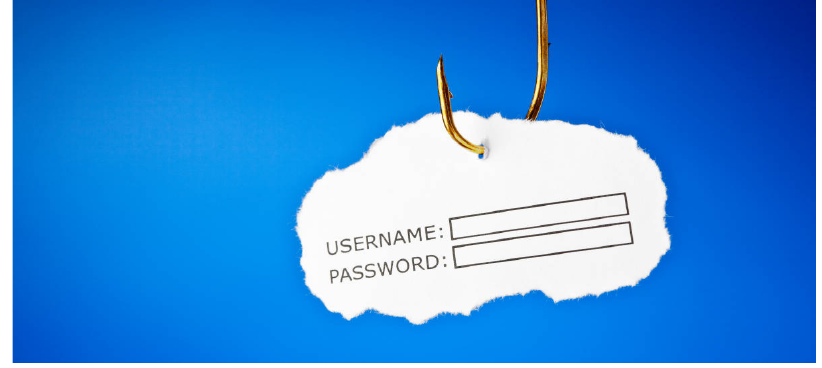
Phishing and email spoofing attacks attempt to obtain sensitive information such as usernames, passwords, and banking details by sending emails that appear to come from official sources. These emails either directly request sensitive information or redirect users to official-looking websites designed to steal their login credentials.
Example
Common Phishing Attack Pattern:
Step 1: You receive an email claiming to be from your bank
Step 2: The email states there's a "security issue" with your account
Step 3: You're asked to click a link to "verify" your account information
Step 4: The link takes you to a fake website that looks like your bank's site
Step 5: You enter your login details, which are then stolen by the criminals
Remember: Legitimate banks will never ask for sensitive information via email.
Important
Protection Against Phishing:
- Never share sensitive information like usernames and passwords through email
- No legitimate company will request this information via email or phone
- Always verify suspicious email addresses and domain names
- Check that any email requesting sensitive information comes from a legitimate source
Summary
Key Points to Remember:
- Cybercrime is widespread: Computer-related crimes have become more frequent as criminals develop new methods to exploit technology and steal from users
- Physical security matters: Protect your hardware by never leaving devices unattended and using security cables in offices
- Software piracy is illegal: Only use properly licensed software and avoid downloading or sharing pirated programmes
- Guard your identity: Be cautious about sharing personal information online and use strong, unique passwords for different accounts
- Stay alert to scams: Be suspicious of emails requesting sensitive information, especially those claiming to be from banks or official organisations