The Playwright: Athol Fugard (Grade 12 NSC Matric English FAL): Revision Notes
📚Revision Notes
The Playwright: Athol Fugard
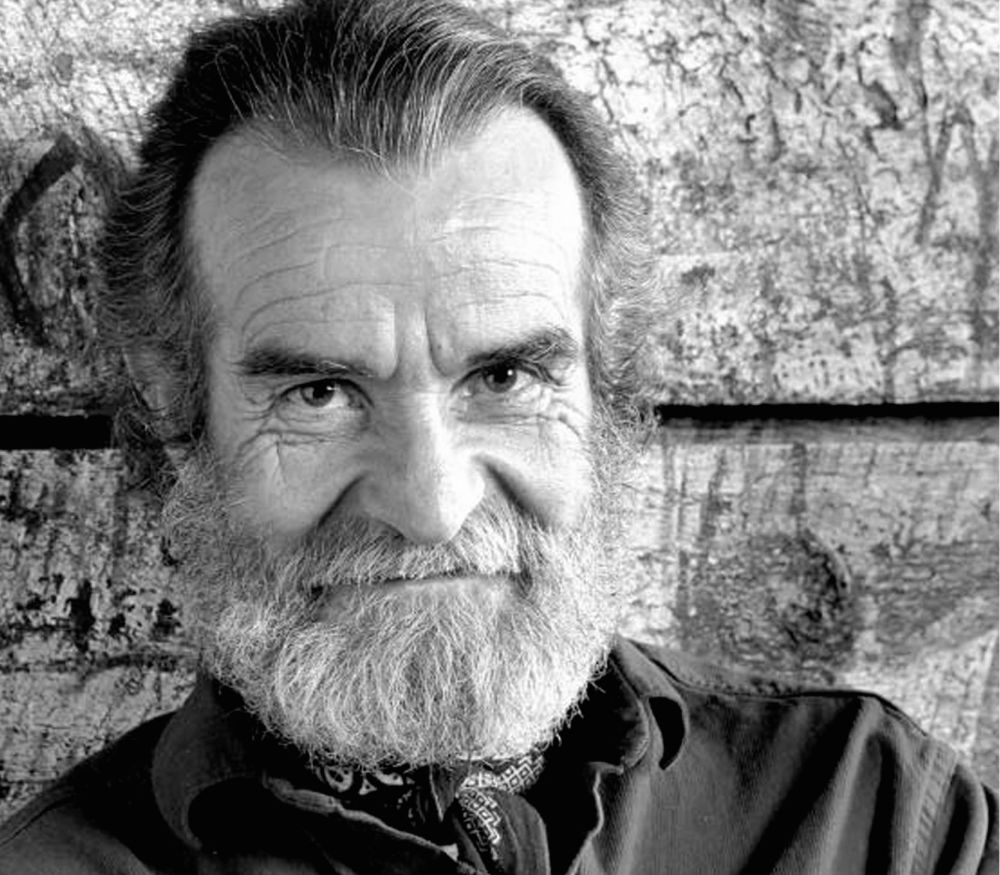
Personal background and early life
Harold Athol Lanigan Fugard is a renowned South African playwright, director, actor, and novelist who brought important political stories to the stage. Understanding his background helps us appreciate why he wrote "My Children! My Africa!" and what influenced his perspective.
Fugard was born in the small town of Middleburg and spent his childhood in Port Elizabeth. His family background was quite diverse, which shaped his understanding of South African society:
- His mother was Afrikaner (white South African of Dutch descent)
- His father had English, Irish, and French Huguenot ancestry
Note
This mixed heritage meant Fugard grew up with different cultural influences and perspectives, which later informed his writing about the complex relationships between different racial groups in South Africa.
Career as playwright and political themes
Fugard became famous for his powerful theatrical works that focused on political themes. His plays are classified as anti-apartheid protest theatre, meaning they were written to challenge and criticise the unjust apartheid system.
Key term: A playwright is simply a person who writes plays for theatrical performance.
Fugard's work was particularly significant because he didn't just write about political issues from a distance - he lived through them and experienced the complex realities of apartheid South Africa as a white person.
The political context of apartheid and education
To understand "My Children! My Africa!", we need to grasp the historical situation that inspired it:
The education crisis of the 1980s
During the 1980s, young people were leaders in the resistance against apartheid, particularly opposing Bantu Education. This was the deliberately inferior education system designed to limit black South Africans' opportunities.
Student protest movements
- Young people organised protests and resistance activities
- Many students participated in the struggle by boycotting school
- Their rallying cry was "Liberation before Education" - meaning they wanted political freedom before they would accept the inadequate education system
- Over time, these protests became increasingly violent and dangerous
Important
The moral dilemma: Fugard's play explores the difficult question: Was this violent resistance right or wrong? This wasn't a simple issue - while the apartheid system was clearly unjust, the violence and disruption of education also had serious consequences.
The inspiration for "My Children! My Africa!"
The play wasn't just fictional - it was based on real events that shocked South Africa:
Example
Real-Life Inspiration: The 1985 Newspaper Article
In 1985, a newspaper article reported a tragic incident that would inspire Fugard's play:
The incident:
- A teacher was "necklaced" (killed by having a burning tyre placed around his neck)
- He was suspected of being a government informer - someone who gave information to the apartheid authorities
- This brutal method of execution was sometimes used during the resistance, but it raised serious moral questions
The connection to the play:
- The events in the play are directly based on this real newspaper article
- Fugard used this true story to explore the moral complexities of violent resistance
The play was first performed in 1989, just as the apartheid system was beginning to collapse.
Fugard's unique perspective and experiences
What made Fugard's voice so important was his personal experience and complex position in South African society:
Personal connections across racial lines
- Like Isabel, the white character in the play, Fugard grew up with black South Africans working for his family
- His relationships were affected by the apartheid system's rules about how different races could interact
- As an adult, he worked with amateur black actors in a township (ghetto) outside Johannesburg
- This collaboration got him interested in creating activist theatre that specifically criticised segregation
Note
Fugard's Cross-Cultural Experience
Fugard's unique background allowed him to understand multiple perspectives within South African society. His work with black actors in townships gave him insights that many white South African writers of his time didn't have.
His complex stance
Fugard held nuanced views that reflected the moral complexity of the time:
- He strongly disapproved of the injustices of the South African apartheid government
- However, he was against the disruption of black children's education through boycotts and protests
- This tension between supporting the cause of liberation while worrying about its methods is central to "My Children! My Africa!"
The timing and significance of the play
The play was written during a crucial historical moment - "at the time apartheid was ending". This timing is significant because:
- It allowed Fugard to reflect on the entire struggle and its consequences
- It raised questions about whether the sacrifices made during the resistance were worthwhile
- It explored the moral complexities that arose when fighting injustice through disruptive and sometimes violent means
Exam tips
Note
Study Strategy for Exams
- Remember that Fugard's mixed heritage gave him insight into different perspectives in South African society
- Understand the connection between the real 1985 newspaper story and the play's plot
- Be able to explain the "Liberation before Education" slogan and what it meant
- Know that the play explores the moral dilemma of using disruptive methods to fight injustice
Summary
Key Points to Remember:
-
Athol Fugard is a South African playwright with mixed Afrikaner and European heritage who wrote anti-apartheid protest theatre
-
"My Children! My Africa!" was inspired by a real 1985 newspaper article about a teacher who was necklaced for being suspected as a government informer
-
The play explores the moral complexity of the "Liberation before Education" movement, where students boycotted school to protest Bantu Education
-
Fugard's unique perspective came from his experience as a white South African who worked closely with black actors and lived through the apartheid system
-
The play was first performed in 1989 as apartheid was ending, allowing reflexion on whether violent resistance methods were justified in fighting injustice