Overview, Background, and Setting (Grade 12 NSC Matric English HL): Revision Notes
📚Revision Notes
Overview, Background, and Setting
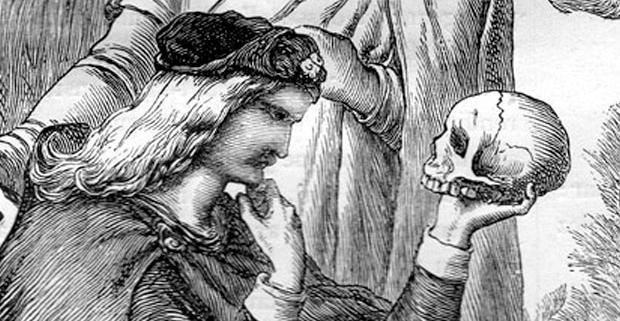
Introduction to Hamlet
Hamlet stands as one of William Shakespeare's most celebrated works and remains a cornerstone of English literature. This tragic masterpiece explores themes of revenge, madness, death, and moral corruption through the story of Prince Hamlet of Denmark. Understanding the play's background and setting provides essential context for appreciating its enduring relevance and complexity.
The play belongs to the revenge tragedy genre, a popular form during Shakespeare's time that focused on a protagonist seeking vengeance for a wrong committed against them or their family. This genre typically features elements of madness, death, and moral conflict, all of which are central to Hamlet's story.
Note
The revenge tragedy genre was particularly popular in Elizabethan England, with audiences drawn to its combination of psychological complexity and dramatic action. Other famous revenge tragedies of the period include Thomas Kyd's "The Spanish Tragedy" and John Webster's "The Duchess of Malfi."
Essential facts about the play
The Tragedy of Hamlet, Prince of Denmark represents Shakespeare's longest and most psychologically complex tragedy. Written between 1599 and 1601, the play centres on Prince Hamlet as its protagonist - a young man torn between his duty to avenge his father's murder and his moral uncertainties about taking such action.
Important
The central conflict revolves around Hamlet's struggle with responsibility and doubt. He believes his uncle Claudius murdered his father, but Claudius now holds the crown, making revenge politically and morally complicated. Additionally, Hamlet questions whether he can trust the ghost of his father and whether killing Claudius represents the right course of action.
Shakespeare crafted this internal struggle to reflect broader themes about the nature of action, duty, and moral certainty that continue to resonate with audiences today.
Historical context and setting
Time and place
The story unfolds in Denmark during the Elizabethan period, though Shakespeare drew inspiration from much earlier sources. The play is based on a Danish revenge story first recorded by Saxo-Grammaticus in the 1100s, giving it deep historical roots in Scandinavian folklore.
Most of the action occurs in and around the royal palace in Elsinore, a real city in Denmark (now Helsingør). This setting is significant because Elsinore represents the seat of political power, making it the perfect backdrop for a story about royal intrigue, corruption, and the abuse of authority.
Note
Interestingly, Shakespeare chose to set many scenes at night or in darkness, creating an atmosphere of uncertainty, secrecy, and moral ambiguity that mirrors Hamlet's internal struggles. This atmospheric choice reinforces the play's themes of hidden truth and moral confusion.
Relevance to audiences
The themes in Hamlet remain surprisingly relevant across cultures and time periods. The play's exploration of family conflict, political corruption, and moral dilemmas continues to speak to modern audiences, including South African readers who may recognise similar dynamics of power, family loyalty, and social upheaval in contemporary contexts.
Background and antecedent action
Understanding the events that occurred before the play begins helps explain the tensions and conflicts that drive the story forwards.
Events thirty years prior
The roots of the current conflict stretch back three decades when the old King of Norway challenged the old King of Denmark (Hamlet's father) to single combat over disputed territory. The Danish king defeated and killed old Fortinbras of Norway in what was described as unfair combat, claiming the contested land as his prize.
This victory established Denmark's dominance but also planted the seeds for future revenge, as young Fortinbras (son of the defeated king) would eventually seek to reclaim his father's lost honour and territory.
Recent events
More immediately relevant to the play's action are the events of the recent past:
Hamlet's father's mysterious death occurred just one month before the play begins. According to Claudius, the king was found dead in his orchard, apparently killed by a poisonous snake bite while he slept. However, this explanation raises suspicions, particularly for Hamlet, who finds the circumstances questionable.
Hamlet's absence during the crisis proves significant - he was studying at the University of Wittenberg when his father died, leaving him unable to influence the succession or properly grieve with his family.
Claudius's rapid ascension to the throne and his quick marriage to Queen Gertrude creates the political and emotional instability that drives the play's central conflicts. Hamlet disapproves of this marriage for multiple reasons: his personal dislike of Claudius, the inappropriately short mourning period, and his growing suspicions about his father's death.
Young Fortinbras's military preparations add external pressure to Denmark's internal conflicts. Without his bedridden uncle's knowledge, Fortinbras gathers an army to invade Denmark and reclaim his father's lost territory, creating a parallel revenge plot that mirrors Hamlet's own situation.
The great chain of being
Understanding the concept
The Great Chain of Being represents a fundamental worldview during Shakespeare's time - the belief that every existing thing in the universe occupies a specific place within a divinely ordered hierarchy. This cosmic order moves from the highest spiritual beings down to the most basic elements:
- Deities: God, Christ, Holy Spirit (highest level)
- Angels: Archangels and angels
- Humanity: Kings, nobles, peasants (in that order)
- Animals: Lions (the noblest), followed by other animals and smaller creatures
- Elements: Fire, air, earth, water (lowest level)
Disruption and tragedy
According to this worldview, any disruption to this natural order results in tragedy and chaos. In Hamlet, Shakespeare demonstrates how the violation of this cosmic hierarchy creates widespread suffering and disorder.
Important
The murder of the rightful king (Hamlet's father) and Claudius's illegitimate claim to the throne represents a fundamental disruption of the natural order. This violation cascades through every level of society, causing:
- Political instability as the wrong person holds power
- Social disorder as people cannot live peacefully under corrupt leadership
- Personal anguish as individuals struggle with moral conflicts and impossible choices
Throughout Hamlet, the Great Chain of Being remains brutally disturbed, and Shakespeare never allows the audience to experience true peace or serenity until the final restoration of order through tragedy and death.
This concept helps explain why the play feels so unsettled and why resolution can only come through the complete destruction of the corrupt order and the establishment of new, legitimate authority.
Summary
Key Points to Remember:
- Hamlet is a revenge tragedy written by Shakespeare between 1599-1601, focusing on Prince Hamlet's struggle to avenge his father's murder
- The setting is Elsinore, Denmark during Elizabethan times, with most scenes occurring at night in and around the royal palace
- Antecedent action spanning 30 years establishes parallel revenge plots between Hamlet and Fortinbras, both seeking to restore their fathers' honour
- The Great Chain of Being concept explains how the disruption of natural order through regicide creates ongoing chaos and prevents peace until legitimate authority is restored
- Contemporary relevance makes the play's themes of corruption, family loyalty, and moral conflict accessible to modern audiences, including South African readers