The World After WWII (Grade 12 NSC Matric History): Revision Notes
📚Revision Notes
The World After WWII
The end of World War Two and its consequences
The Second World War concluded in May 1945, fundamentally transforming the global political landscape. This massive conflict reshaped international power structures and set the stage for decades of social change that would lead to widespread civil society protests.
Note
The end of World War Two marked one of the most significant turning points in modern history, creating ripple effects that would influence global politics, economics, and social structures for generations to come.
The emergence of superpowers
After 1945, the world witnessed a dramatic shift in global power:
- Britain and France lost their dominant positions as world powers
- The United States and Soviet Union (USSR) emerged as the new superpowers
- These two nations represented completely different political and economic systems - democracy versus communism
Important
This ideological divide between democracy and communism would become the defining feature of international relations for the next four decades, forcing nations worldwide to align with one side or the other.
The Cold War begins
Cold War tensions developed rapidly between the democratic USA and the communist USSR. This ideological conflict spread across the globe, creating a divided world where nations had to choose sides. The Cold War would influence international relations for the next four decades.

The "golden age" of economic growth
Following the devastation of World War Two, the world experienced remarkable economic recovery:
- The next 30 years saw rapid economic growth, often called the "golden age"
- This prosperity led to significant social changes that would reshape society
- Economic growth created new opportunities and challenged traditional social structures
Note
This period of sustained economic growth was unprecedented in human history, creating the material conditions necessary for widespread social transformation and the emergence of new forms of political activism.
Social transformation in the post-war world
Educational and social mobility
The post-war boom brought unprecedented changes to society:
- More people attended university in the West than ever before
- Society became more mobile, allowing individuals to advance based on merit rather than inherited wealth and status
- Traditional class barriers began to weaken as education became more accessible
The rise of a new middle class
Economic prosperity created social change:
- A new middle class emerged with specialised skills and higher levels of education
- Women began taking paid work outside the home in greater numbers
- These changes challenged traditional gender roles and family structures
Impact on civil society
These social and economic changes had profound political consequences:
- Society became more open, democratic and insecure
- Traditional authority structures were questioned
- These conditions created the perfect environment for civil protests and social change
- People began to demand greater rights and freedoms
Important
The combination of economic prosperity, increased education, and social mobility created a generation of citizens who were both capable of organising for change and motivated to challenge existing power structures.
The 1950s and 1960s: decades of rebellion
The "Swinging Sixties" phenomenon
The 1960s became known as the "Swinging Sixties" and featured "Swinging London" as a centre of cultural change. This era represented a dramatic break from traditional values and social norms.
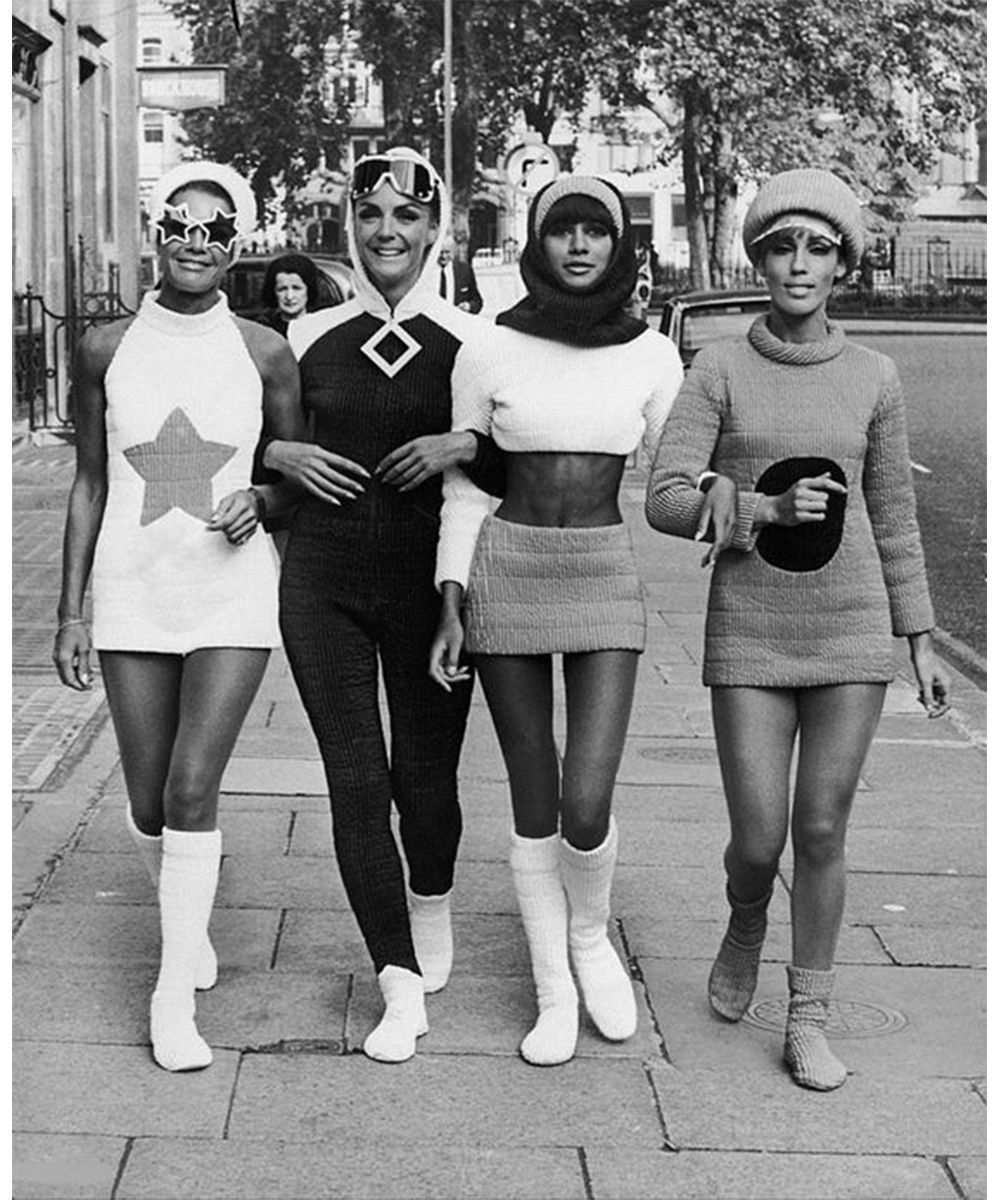
Youth at the forefront
Young people became the driving force behind social transformation:
- The youth movement crossed social barriers as television expanded globally
- However, the emerging youth culture was initially limited to Western Europe
- Young people challenged authority and demanded change in unprecedented ways
Class differences in rebellion
The intensity of generational conflict varied by social class:
- Working class rebellion was most intense - children who had received better education and job opportunities than their parents often clashed with traditional working-class values
- Upper class rebellion was less intense because wealthy families had always enjoyed freedom and opportunities
- The middle classes experienced conflicts between traditional expectations and new possibilities
Note
Understanding these class differences helps explain why social movements of the 1960s took different forms across society. Working-class youth faced the greatest tension between their improved circumstances and their parents' traditional expectations, leading to more intense conflicts.
Key struggles of the era
The 1950s and 1960s became decades of struggle for fundamental rights:
- Gender equality - women demanded equal rights and opportunities
- Civil rights - racial minorities fought against discrimination
- Democratic rights - people demanded greater political participation and freedoms
These struggles would define civil society protests for decades to come, as ordinary citizens organised themselves to challenge injustice and demand social change.
Important
These three interconnected struggles - for gender equality, civil rights, and democratic rights - became the foundation of modern civil society movements and continue to influence political activism today.
Summary
Key Points to Remember:
- World War Two ended in May 1945, creating a new world order with the USA and USSR as superpowers competing in the Cold War
- The "golden age" of economic growth after 1945 led to massive social changes, including the rise of a new middle class and greater educational opportunities
- Young people in the 1950s and 1960s became the driving force behind social change, particularly during the "Swinging Sixties"
- Three key struggles emerged: gender equality, civil rights, and democratic rights - these would shape civil society protests for generations
- Social mobility and education challenged traditional class structures and created conditions for widespread civil society protests and social movements