The African Context (Grade 12 NSC Matric History): Revision Notes
📚Revision Notes
The African Context
How Africa changed after the Cold War
The end of the Cold War brought major changes across Africa. Countries that had been aligned with either the USA or USSR now had to find new ways forwards. This period saw both positive democratic changes and tragic conflicts as African nations adapted to a new world order.
Note
The post-Cold War era represented a fundamental shift for African nations, who could no longer rely on superpower patronage and had to navigate an increasingly complex global landscape independently.
Country case studies
South Africa's peaceful transition
South Africa experienced a remarkable transformation during this period. The ending of the Cold War helped create conditions for accommodation and reconciliation between different groups who had been in conflict for decades. This peaceful process reached its peak when Nelson Mandela became president in 1994, marking the end of apartheid and the beginning of a democratic South Africa.
Note
Key point: South Africa moved from decades of internal conflict to becoming a peaceful, democratic nation.
Rwanda's tragic genocide
While South Africa was celebrating its peaceful transition, Rwanda experienced Africa's worst genocide. Between April and June 1994 (the same year Mandela took office), approximately 800,000 Rwandans were murdered. The majority of victims were members of the Tutsi ethnic group, killed by members of the Hutu group.
Example
Tragic Example: The Scale and Speed of Rwanda's Genocide
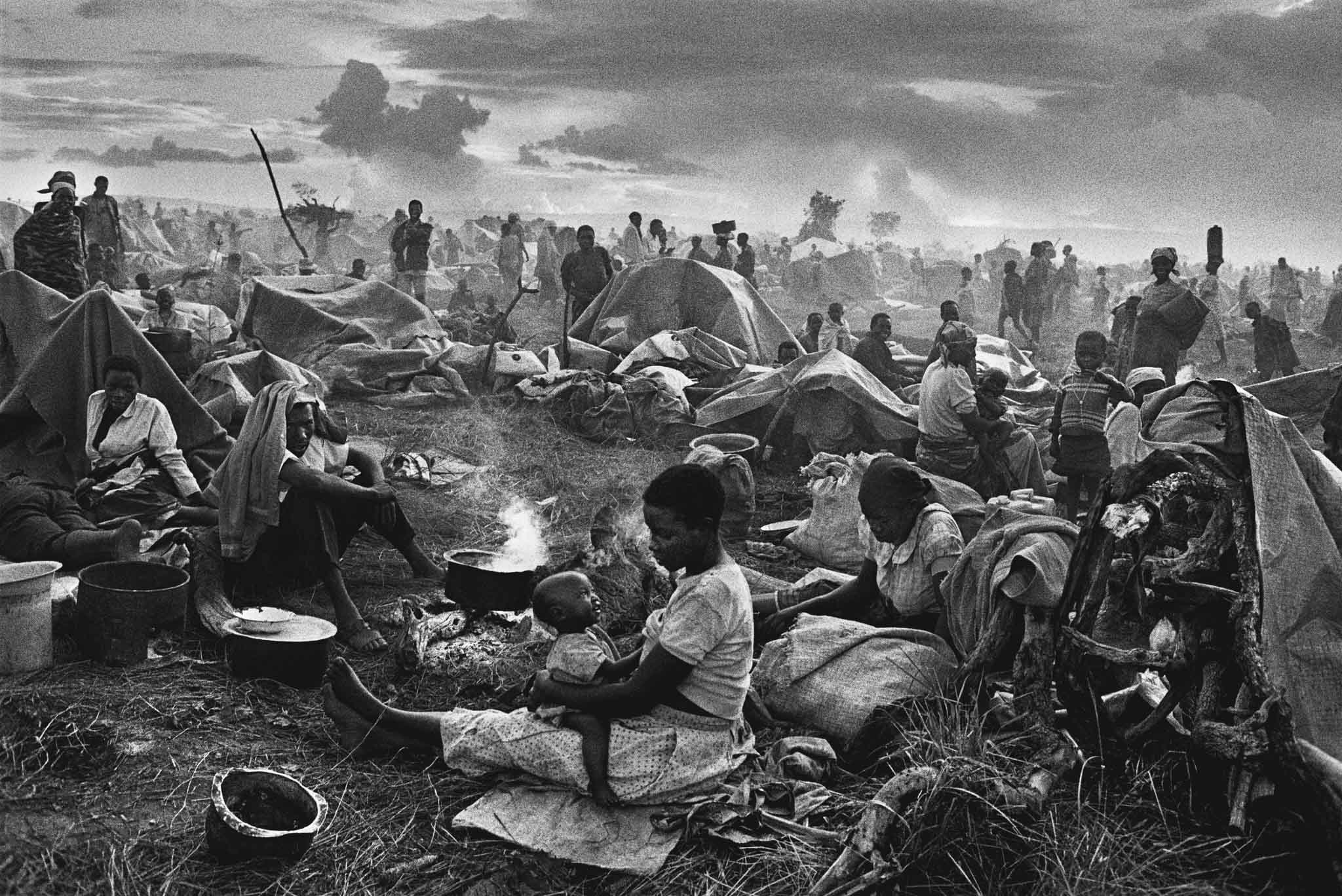
The Rwanda genocide demonstrated how quickly ethnic tensions could escalate:
- Duration: Only 100 days (April-June 1994)
- Scale: Approximately 800,000 people killed
- Rate: About 8,000 people murdered per day
- Method: Mostly carried out with machetes and clubs by ordinary citizens
Important
The United Nations failed to intervene effectively to stop the killing, highlighting the limitations of international peacekeeping mechanisms and the tragic consequences of inaction during humanitarian crises.
This genocide caused deep psychological trauma that affected people worldwide and showed how quickly ethnic tensions could escalate into mass murder.
Exam tip: Remember the timeline - 1994 was significant for both positive change (South Africa) and tragedy (Rwanda).
Mozambique's democratic transformation
Mozambique had to make major adjustments after the Cold War ended. The country had previously been closely associated with the Soviet Bloc, but now needed to rethink its policies completely.
Key changes included:
- Economic policy shifts: Moving away from state-controlled systems towards market-based economics
- Reduced state involvement: The government stopped sponsoring many areas of national life, including healthcare, education, and welfare
- Political competition: Democracy became important for attracting foreign investment and development aid
This created pressure on the ruling FRELIMO government to find ways of working with its long-term rival, RENAMO. Eventually, Mozambique held its first democratic elections in 1994, which FRELIMO won.
Zambia's leadership change
Zambia also experienced its first multi-party democratic election during this period. Kenneth Kaunda, who had been the country's head of state since 1964, lost power after 27 years of rule. This showed how the pressure for democracy was spreading across the continent.
Changes across southern Africa
The democratic trend wasn't limited to these countries. Across southern Africa, there was growing demand for multiparty democracy.
Example
Example: Democratic Change in Malawi
Malawi's transition exemplified the regional democratic wave:
- Held its first multiparty elections in 30 years
- The country's long-time president, Hastings Kamuzu Banda, was defeated
- This pattern of democratic change then spread to neighbouring countries
North-South relations after the Cold War
New economic relationships
Once the Cold War ended, the relationship between developed countries (the North) and developing countries (the South) changed significantly. The new approach was based on the belief that free markets were the best way to guarantee economic development.
Results of market-oriented policies
This new approach had several important consequences for African countries:
Economic changes:
- State spending cuts: Governments had to reduce spending on welfare, education, and health services
- Privatisation: Where appropriate, state-owned institutions were opened up to private investment
- Market forces: Third World economies were required to open up to international market forces
Political changes:
- Pressure to democratise: There was significant pressure to end one-party rule throughout Africa
- Countries had to adopt democratic systems to receive international support and investment
Important
Assessment tip: Be able to explain both the economic and political changes that came with the new world order. These two aspects were interconnected - economic liberalisation often required political democratisation.
Summary
Key Points to Remember:
- 1994 was a crucial year - Nelson Mandela became South Africa's president, Rwanda experienced genocide, and Mozambique held democratic elections
- The end of the Cold War promoted democracy across Africa, with many long-serving leaders losing power in multiparty elections
- Economic policies shifted dramatically - from state-controlled to market-oriented systems
- North-South relations changed to focus on free markets rather than Cold War alignments
- Both positive and negative outcomes occurred - democratic progress alongside tragic conflicts like the Rwanda genocide