The Fall of the Berlin Wall (Grade 12 NSC Matric History): Revision Notes
📚Revision Notes
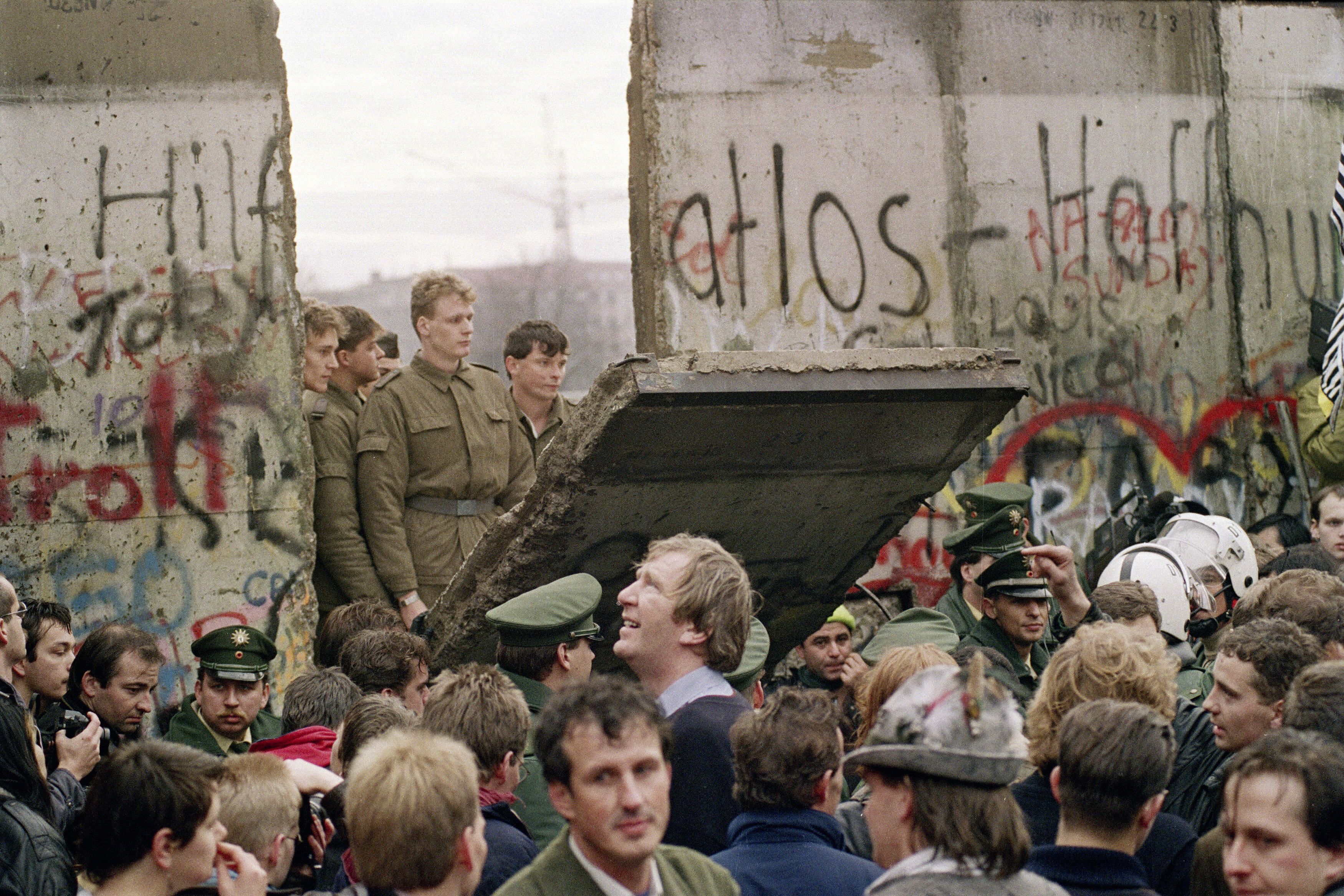
The Fall of the Berlin Wall
Why East Germany initially resisted change
The German Democratic Republic (GDR), commonly known as East Germany, was one of the few Eastern European nations that strongly opposed the reforms introduced by Soviet leader Mikhail Gorbachev. Understanding this resistance is crucial to grasping why the eventual fall was so dramatic.
Note
The GDR's resistance to change was particularly significant because most other Eastern European nations were beginning to embrace Gorbachev's reform policies by the mid-1980s.
Reasons for resistance to Gorbachev's reforms
Economic prosperity: East Germany had achieved the highest standard of living within the entire Soviet Bloc. This prosperity was largely due to substantial support from West Germany, which invested heavily in infrastructure and economic development in its eastern neighbour.
Strong Soviet ties: The GDR maintained exceptionally close relationships with the Soviet Union. Political leaders in East Germany received their training directly in Moscow, creating a loyal communist leadership structure.
Dedicated communist leadership: Erich Honecker, who served as the GDR's president, was a committed communist who firmly believed in the existing system and saw no need for the kind of reforms Gorbachev was promoting.
The policy shift of the mid-1980s
Despite initial resistance, significant changes began to occur during the mid-1980s. Honecker started implementing what can be described as a contradictory policy that would ultimately contribute to the collapse of the Berlin Wall.
Important
This policy shift was crucial because it created the conditions that made the eventual fall of the Berlin Wall possible. By opening dialogue with the West, Honecker inadvertently undermined the very system he was trying to preserve.
Building bridges with the West
Rather than maintaining the traditional hard-line approach of his predecessors, Honecker began developing stronger diplomatic and economic ties with West Germany. This was particularly significant because West Germany was led by Helmut Kohl, who had previously taken a firm stance against Soviet policies.
This softer approach created an atmosphere where change became possible. The concepts of perestroika (restructuring) and glasnost (openness) began to influence political discussions on both sides of the German divide.
The dramatic events of 1989
Popular demonstrations and mass exodus
As Gorbachev's reform policies spread to East Germany, significant popular unrest began to emerge:
- Widespread demonstrations broke out in major East German cities including Leipzig, Dresden, and East Berlin
- Honecker desperately wanted to suppress these protests but faced a critical problem: he could not act without Soviet approval, which would not be granted under Gorbachev's new policies
- In the late summer of 1989, thousands of East German citizens began fleeing the country through Hungary's newly opened border with Austria
Note
The opening of Hungary's border with Austria was a pivotal moment because it provided East Germans with their first real escape route to the West in decades. This mass exodus put enormous pressure on the East German government.
Leadership crisis and change
The pressure became too much for the existing leadership:
- Honecker resigned from his position just one month before the Berlin Wall would fall
- He was replaced by Egon Krenz, a 52-year-old leader of the East German Communist Youth movement
- This change in leadership signalled that the old guard was losing control
The fall and its immediate aftermath
The collapse of communist ideology
When the Berlin Wall finally fell, it represented far more than just the removal of a physical barrier:
- Communist ideology was replaced by new ways of understanding and organising society
- The old methods of governance were permanently abandoned
- This event marked a turning point that would influence global politics for decades to come
Important
The fall of the Berlin Wall was not just a German event—it symbolised the end of the Cold War era and marked the beginning of a new chapter in world history. The ideological divide that had defined global politics for decades was finally crumbling.
Promises of reunification
The fall of the Wall created immediate expectations for German reunification:
- On 19 December 1989, West German Chancellor Helmut Kohl delivered a historic speech in Dresden, East Germany
- Speaking to a crowd of over 100,000 people, Kohl promised to work towards German unification
- He also committed to providing substantial financial support for East Germany's economic development
Example
Historic Moment: Kohl's Dresden Speech

When Helmut Kohl spoke to the massive crowd in Dresden on 19 December 1989, he was making promises that seemed almost impossible just months earlier. Standing before 100,000 East Germans, he committed to:
- Working towards rapid German reunification
- Providing extensive financial support for rebuilding East Germany
- Ensuring that East Germans would enjoy the same living standards as West Germans
This speech gave concrete hope to a population that had lived under communist rule for over four decades.
Summary
Key Points to Remember:
- East Germany initially resisted Gorbachev's reforms because it enjoyed the highest living standards in the Soviet Bloc and had strong ties with Moscow
- Erich Honecker's policy shift in the mid-1980s towards closer ties with West Germany created conditions for change
- Popular demonstrations and mass emigration in 1989 put enormous pressure on the communist government
- The fall of the Berlin Wall represented the end of communist ideology in East Germany and marked a turning point in world history
- Helmut Kohl's promises of unification and financial support gave hope to East Germans for a better future