Recreation and Physical Activity Across Cultures and Genders (Grade 12 NSC Matric Life Orientation): Revision Notes
📚Revision Notes
Recreation and Physical Activity Across Cultures and Genders
Understanding how different cultures and genders approach recreation and physical activity reveals important insights about society, values, and equality. This topic explores how our backgrounds shape our sporting experiences and opportunities.
Cultural perspectives on recreation and physical activity
What influences our approach to sport and recreation?
Note
Ideologies are the fundamental beliefs and values that guide how people think about the world. When it comes to recreation and physical activity, these beliefs vary significantly across different cultures.
The way communities view sport depends on their traditions, religions, social structures, and historical experiences. Each culture develops its own unique relationship with physical activities based on these foundational elements.
Eastern cultural approaches
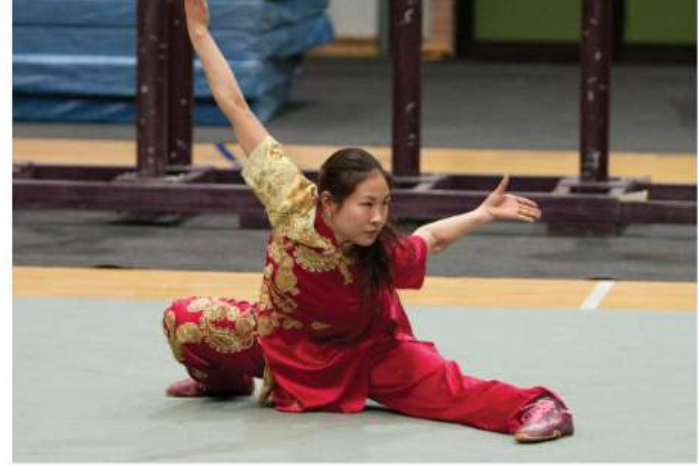
Many Eastern cultures view physical activities as deeply connected to spiritual and philosophical traditions. In countries like China and Japan, martial arts are not just forms of exercise but represent centuries-old cultural practices.
Example
Traditional Eastern Martial Arts Examples
Chinese martial arts such as kung-fu and t'ai chi are practised because they form part of people's belief systems and religious traditions. These activities have developed over many generations and are considered essential parts of cultural identity.
Japanese sumo wrestling holds special significance as it connects to Shinto religious beliefs. Professional sumo wrestlers are highly respected in Japanese society, and the sport consumes their entire way of life.
Similarly, yoga originated in India as a spiritual practice within Hinduism, Buddhism, and Jainism. However, Western societies have often adapted yoga primarily as a physical health activity, showing how the same practice can have different meanings across cultures.
Western cultural approaches
Western cultures tend to approach sport very differently from traditional Eastern perspectives. In these societies, sport has become heavily commercialised and is often seen as a pathway to financial success.
Note
Western countries invest enormous amounts of money in sporting activities, events, and sponsorship deals. Sport has developed into a massive industry that creates many job opportunities.
The focus is often on developing elite athletes with exceptional skills who can compete at the highest levels. Popular Western sports like golf, soccer, and motor racing bring communities together and generate significant economic activity.
South African cultural context
South Africa's sporting history reflects the country's complex past with apartheid. During this period, different sports were designated for specific racial groups as part of the discriminatory system.
Important
Apartheid's Impact on Sport
Rugby was promoted as a sport for white males, with the ideology being to "make men" out of players and encourage them to participate. Most schools for white students offered rugby as a compulsory subject for boys, which helped promote certain cultural beliefs and nationalism.
Meanwhile, African students and female players faced restrictions and were not encouraged to play rugby. Soccer was promoted in African schools but was often not available as an option in many white schools.
Since democracy was established, significant improvements have been made. Now all people are allowed and encouraged to participate in whatever sports they choose, regardless of their background.
Traditional and indigenous games
Cultural traditions play a crucial role in determining recreational choices. Many indigenous games remain important parts of community life and cultural identity.
Example
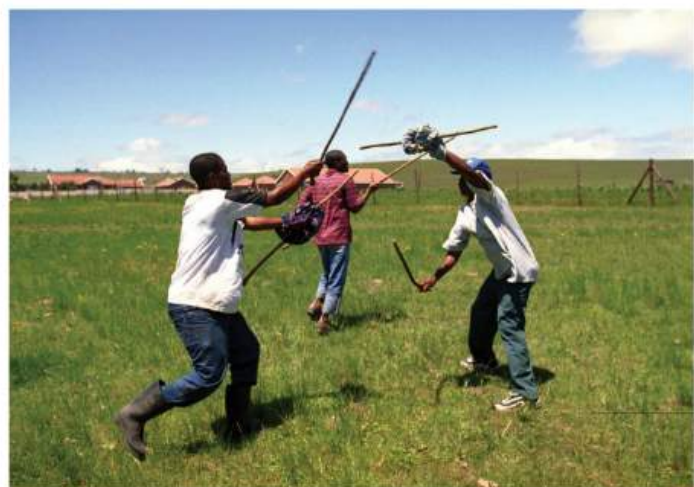
Traditional South African Sport: Intonga
Intonga, or stick fighting, remains very popular in Nguni cultures. This practice has deep historical roots, dating back to isiZulu culture during the time of Chief Amalandela, son of Gumede, who lived in the Umhlatuze valley in the 1670s.
Men were encouraged to practise stick fighting as a form of martial arts to prepare them to become warriors. This traditional sport continues to be practised today and represents an important connection to indigenous heritage.
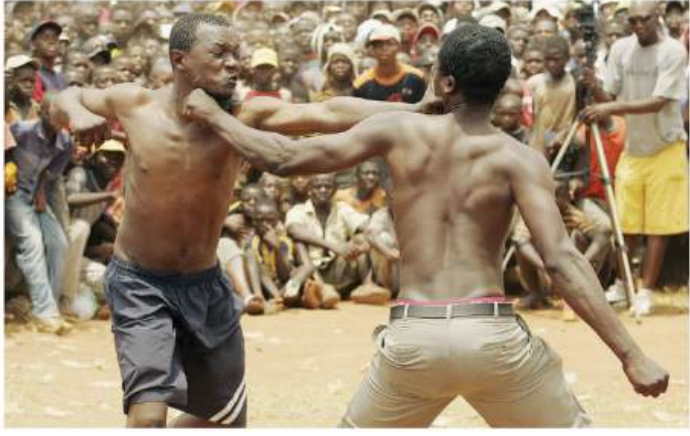
In some Tshivenda communities, bare-knuckle fist fighting serves as a traditional form of boxing that promotes concepts of manliness and upholds cultural traditions. These activities show how sport functions as more than entertainment - they teach community values and strengthen social connections.
The social role of traditional sports
In many traditional cultures, excelling at sport significantly boosts your social status within the community. Sport usually functions as a social or recreational activity rather than a way to make money.
Note
Traditional sports serve important educational purposes, teaching young people essential values such as teamwork and self-discipline. They create opportunities for communities to come together and celebrate their shared heritage while maintaining cultural continuity.
These activities help maintain cultural continuity and provide positive role models for younger generations.
Gender perspectives on recreation and physical activity
Male dominance in sports participation
Despite progress towards equality, men still dominate participation in sport and many recreational activities. This reflects long-standing social beliefs about gender roles and capabilities.
Important
Many people continue to believe that men are naturally more competitive and aggressive, and that these qualities are necessary for sporting success. This creates unfair stereotypes where men who are not interested in sport face criticism for being "too manly", while women who excel at sport are sometimes accused of being "too masculine".
Cultural restrictions on women's participation
Some cultures severely restrict what women can wear when participating in sports, which often marginalises their involvement in recreational activities.
Example
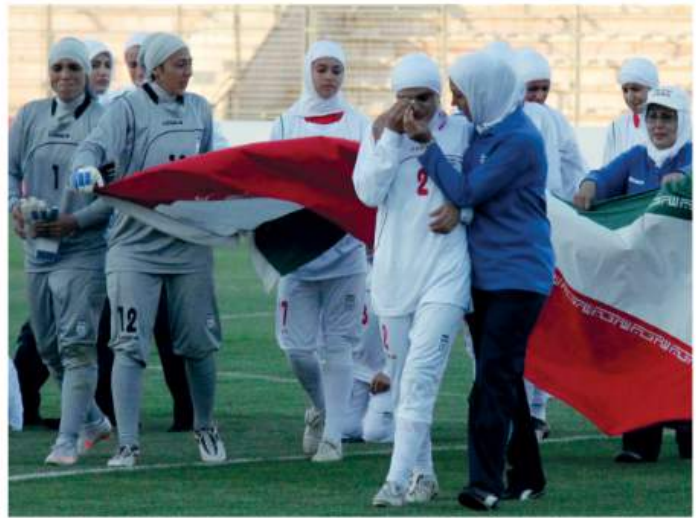
Cultural Dress Code Restrictions: Iran
In Iran, all women must cover their hair, neck, bodies, arms, and legs according to Shiite Islamic laws. This applies to all Iranian women athletes, even those competing internationally in events such as karate and volleyball.
However, they cannot participate in swimming and gymnastics due to these dress requirements. The Iranian women's soccer team faced disqualification from a soccer qualifying match because their dress code violated FIFA's governing body rules.
Dress code debates in women's sports
Female athletes face ongoing debates about appropriate clothing in various sports. These controversies highlight how women's sporting participation is often judged on appearance rather than athletic ability.
Female boxers encounter discussions about whether they should wear mini-skirts in the ring, with most female boxers opposing this requirement. Similarly, female tennis players who choose to wear shorts instead of mini-skirts have faced criticism and even lost sponsorship deals.
Gender discrimination in different regions
Some African countries limit women's sports participation due to gender discrimination. Men sometimes prevent their wives from participating in sport, believing that women should focus on household responsibilities instead.
Important
Barriers to Women's Participation
- Male children typically receive many more opportunities to play sport than female children
- In Morocco, girls who wanted to play soccer have faced stones being thrown at them by those who disapproved of their participation
- These restrictions limit women's access to the physical and social benefits of sport
Efforts towards equality
South African government policies aim to promote equality in sports and recreation. However, worldwide trends still tend to favour male sports over female participation.
Note
Media coverage also demonstrates bias against women in sport. Most sports commentators are men, and male sports receive prominent front-page headlines in newspapers. Advertisements for sports-related products tend to feature more male personalities than female ones.
Promoting inclusive participation
Despite these challenges, there are growing efforts to create more inclusive sporting environments. Events like the Olympic Games have expanded opportunities for women to compete, and more nations are able to send female athletes to international competitions.
The Olympics help encourage all nations to participate in physical activity and provide equal access to sporting opportunities. These events also allow athletes to learn about other cultures while promoting a unified image of sporting participation.
Summary
Key Points to Remember:
-
Cultural background significantly influences how people approach recreation and physical activity, from spiritual practices in Eastern cultures to commercialised sport in Western societies
-
Traditional and indigenous games play crucial roles in preserving cultural identity and teaching community values, such as intonga in South African cultures
-
Gender inequality remains a major challenge in sports participation, with women facing various cultural, religious, and social barriers to equal involvement
-
South Africa's sporting history reflects apartheid's legacy, but democratic changes have created more opportunities for all people to participate in their chosen activities
-
Global events like the Olympics help promote cultural understanding and encourage more inclusive participation across different cultures and genders