Media Reporting as a Reflection of a Democratic Society (Grade 12 NSC Matric Life Orientation): Revision Notes
📚Revision Notes
Media Reporting as a Reflexion of a Democratic Society
Understanding media reflexion of democracy
In a democratic society, the media serves as a mirror that reflects how well democracy is functioning. You can evaluate how democratic a society is by analysing several key aspects of media reporting. These include the topics that media outlets choose to cover, the positions or viewpoints that editors express, how much space or time is given to different stories, and whether all citizens have equal access to information regardless of where they live.
Note
When media truly reflects a democratic society, it should provide balanced coverage, represent diverse viewpoints, and ensure that information reaches all citizens fairly. However, this doesn't always happen in practice, and understanding why helps us think critically about the media we consume.
Topics covered by media outlets
Media editors, radio station managers, and television bosses have significant power in shaping public discourse through their choice of which topics to cover and how much attention to give each story. These decision-makers don't necessarily have neutral opinions - they're often guided by commercial interests rather than purely serving the public good.
The primary question most media executives ask is: "Will this story sell newspapers, attract viewers, or increase advertising revenue?" This commercial focus means that media coverage often prioritises entertainment value over informational importance. Stories that grab attention and keep audiences engaged are more likely to receive prominent coverage.
Popular topics that tend to receive significant media attention include:
- Entertainment news and celebrity gossip
- Sports coverage
- Health information
- Arts and culture
- Politics
- Practical content like job searching advice and educational material
These topics are chosen because they generate high readership, viewership, or website traffic, which in turn allows media companies to charge higher rates for advertising space.
Positions taken by editors
Editors hold considerable influence in shaping public opinion through their editorial choices. An editorial is a short opinion piece that summarises a main news story and expresses the editor's viewpoint about it. Editorials are typically used for positive purposes, such as encouraging government investment in school libraries or urging citizens to avoid criminal activities and drive safely. They reflect both the editor's personal position and their understanding of what their audience wants to hear.
However, editorial positions can also be revealed through subtler means - the type of content that's allowed, the space allocated to different viewpoints, and the overall focus of news reports. Some editors may ignore difficult or controversial issues because they believe their media outlet should focus purely on entertainment, while others prioritise informing the public about important social and political matters.
Editors may take specific stances on individual news items. For example, when police use force against criminals, some editors might argue this prevents crime and protects society, while others might criticise such actions as morally wrong or unconstitutional. These positions depend heavily on the editor's personal viewpoints and their target audience's expectations.
Harmful editorial positions
Sometimes editors can take positions that are harmful and inaccurate, causing real damage to society.
Example
Example: 2010 Soccer World Cup Media Coverage
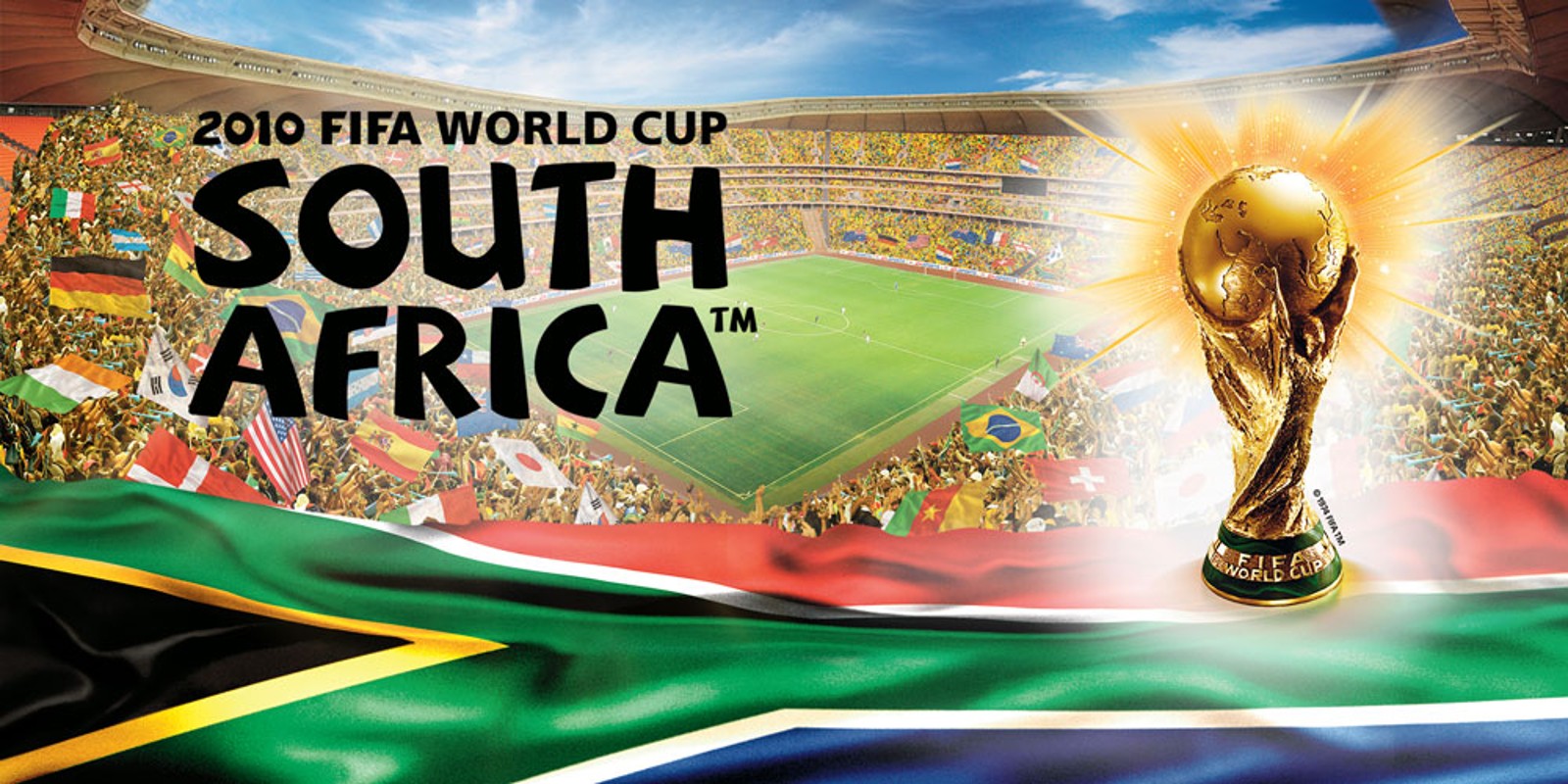
During the 2010 Soccer World Cup in South Africa, British newspapers and BBC television programmes published alarming stories about the dangers of visiting South Africa. Some media outlets even advised spectators to wear bulletproof vests and hire bodyguards, and suggested that football fans should rush between stadiums and hotels to avoid being killed.
These reports were largely untrue and ridiculous, but they caused significant damage - many people cancelled their trips to South Africa, resulting in substantial economic losses. Although some journalists later apologised, recognising that the World Cup was actually one of the safest tournaments ever held, it was too late to recover the lost tourism revenue and repair South Africa's damaged reputation.
Space allocation in media
Space allocation refers to how much room or time different stories receive in newspapers, magazines, television programmes, radio broadcasts, or websites. This isn't simply about the physical size of articles, but also includes factors like page placement, timing within broadcasts, and accessibility on digital platforms.
Important
Space allocation is rarely fair or neutral. Many people feel that important stories don't receive adequate coverage, while trivial matters get excessive attention.
Media companies closely monitor which online stories receive the most clicks, which television programmes attract the largest audiences, and which radio shows have the highest listenership. This data directly influences future editorial decisions about space allocation.
Current events and popular topics typically receive more space than less trendy subjects. For example, during major sporting events like the Olympic Games, soccer matches, rugby tournaments, and cricket competitions, these sports dominate media coverage while other sports receive little to no attention. This creates an uneven information landscape where popular interests overshadow potentially important but less commercially viable topics.
Geographical distribution and access inequality
Access to information varies dramatically across South Africa's geographical regions, creating significant inequalities in how well different communities can participate in democratic processes. People living in deep rural areas often lack access to newspapers, reliable mobile phone coverage, or satellite television services. Internet connectivity is frequently unavailable or unreliable in remote locations.
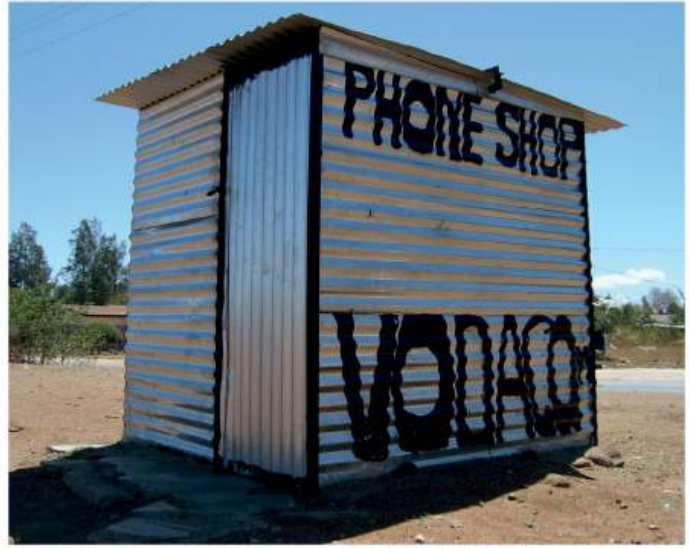
The contrast between modern urban infrastructure (like the pharmacy shown) and basic rural telecommunications facilities (like the simple phone shop) illustrates the digital divide that exists across South Africa. Rural residents may be limited to listening only to local radio stations and may not be able to afford newspapers, computers, internet access, or television services. This means that media coverage doesn't reach everyone equally, and large numbers of South Africans who cannot read rely primarily on radio and television for information access.
Important
During election periods, this inequality becomes particularly problematic. Citizens need access to comprehensive information about political parties, policies, and candidates to make informed voting decisions. However, some citizens lack adequate media access and may not be fully informed about their democratic choices.
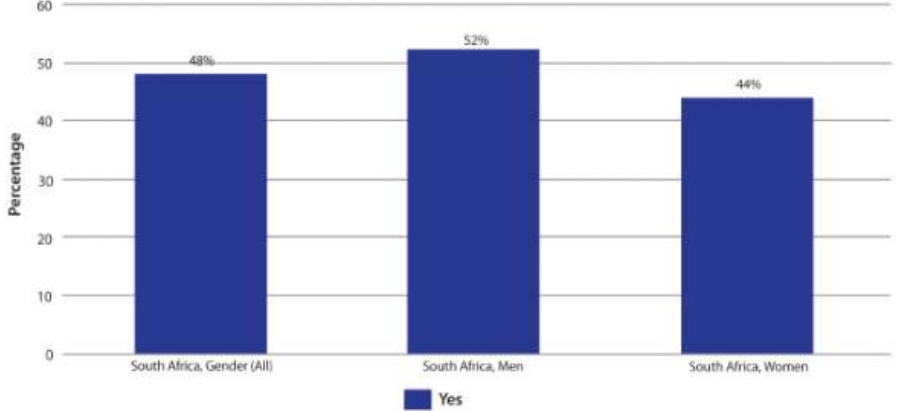
The graph shows that approximately 48% of South Africans have access to electronic media through the internet, with slight variations between men (52%) and women (44%). This means that more than half the population lacks internet access, highlighting the scope of the digital divide.
Critical analysis of media coverage
Developing critical thinking skills about media consumption is essential for active democratic participation. When evaluating media coverage, you should pay attention to several key factors that indicate whether reporting is balanced and fair.
Important areas to examine include:
- The selection of content and sources
- The types of stories being prioritised
- The level of commercial content versus actual news
- The use of sensationalism or shocking details designed to create excitement
- Any obvious exaggeration or bias
- The overall accuracy of information presented
Note
For example, if a television news programme covers a conflict situation but only interviews people from one side without seeking opposing viewpoints or showing casualty figures from all parties involved, this suggests unbalanced reporting that doesn't serve democratic interests.
Critical media analysis helps citizens make more informed decisions and hold media outlets accountable for their role in supporting or undermining democratic processes. By understanding how commercial interests, editorial positions, space allocation, and access inequalities affect media coverage, you can become a more discerning consumer of information.
Summary
Key Points to Remember:
-
Media reflexion of democracy: Evaluate media by examining topics covered, editorial positions, space allocation, and geographical access to information.
-
Commercial influences: Media outlets often prioritise stories that sell newspapers, attract viewers, and generate advertising revenue over purely informational content.
-
Editorial power: Editors shape public opinion through their choice of content, space allocation, and expressed viewpoints, which can sometimes be harmful or inaccurate.
-
Access inequality: Rural and poor communities often have limited access to diverse media sources, creating an uneven information landscape that affects democratic participation.
-
Critical analysis skills: Always evaluate media coverage for balance, fairness, accuracy, and potential bias to make informed decisions as an active democratic citizen.