Communities for Safe, Healthy Living (Grade 12 NSC Matric Life Orientation): Revision Notes
📚Revision Notes
Responsibilities of Different Levels of Government
Understanding government's role in promoting safe, healthy living
The South African Constitution guarantees everyone the right to a safe and healthy environment. This means that different levels of government have specific responsibilities to protect citizens and ensure communities can live safely and healthily. When people pollute the air, dump chemicals in rivers, or create unsafe living conditions, it becomes the government's job to step in and fix these problems.
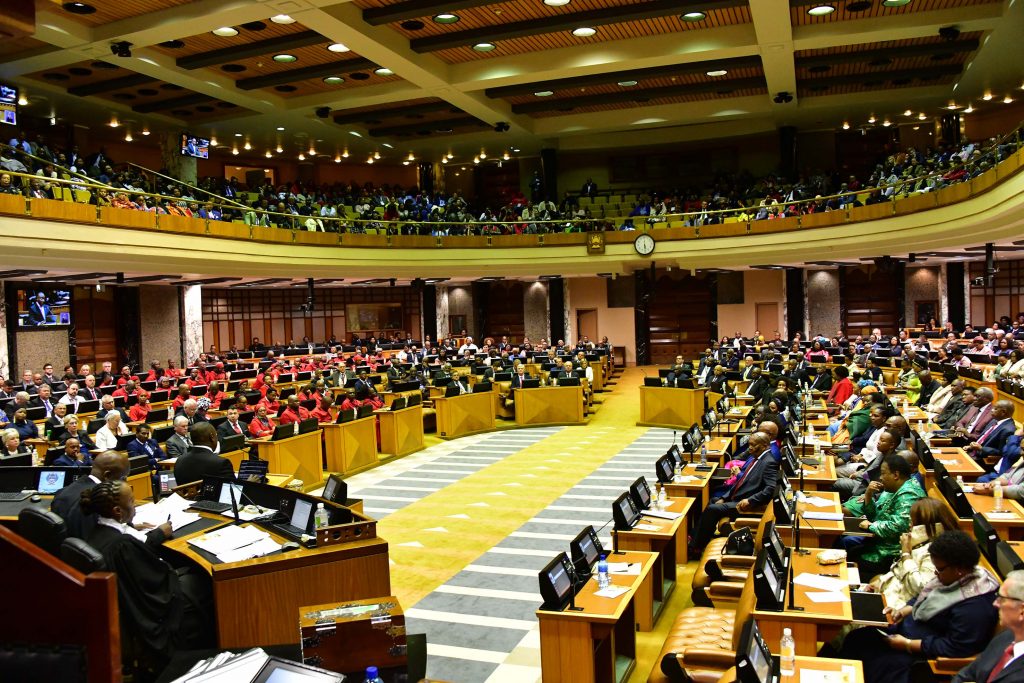
Government responsibility works like a three-tier system, with each level having different powers and duties to keep our communities safe.
Note
Each tier of government has distinct roles and powers that complement each other. Understanding these different levels helps citizens know where to turn when they need help or want to report problems that affect their health and safety.
How laws, regulations and rules work
Understanding the difference between laws, regulations, and by-laws helps you know which level of government is responsible for what:
Important
Understanding the Hierarchy:
Laws are created at national and provincial levels, while by-laws are made at local level. Regulations provide the specific details that make laws workable in practice.
National level - Parliament
Parliament creates laws that apply to the entire country. These are broad, national rules that cover major issues affecting all South Africans. Think of these as the "big picture" rules that set the foundation for everything else.
Provincial level - Provincial governments
Provincial governments make laws specifically for their own provinces. These address regional needs and circumstances that might be different from other provinces.
Local level - Municipalities
Municipalities create by-laws, which are laws and regulations that apply only to their specific town or area. These deal with day-to-day community issues that affect local residents directly.
Key point: Laws are usually quite general and don't cover every possible detail. That's why ministers have the power to make regulations - these add specific details to the laws and explain exactly how they should be implemented.
Key legislation that promotes safe and healthy living
Parliament has created several important Acts that protect citizens' health and safety:
- National Water Act (1998): Manages water resources so everyone can access clean water and protects water quality
- National Health Act (2003): Sets rules for health care access, basic health care for children, and how provinces and municipalities should deliver quality health services
- National Environmental Management Act (1998): Protects the environment, promotes conservation, and regulates pollution, waste management, and natural resource use
- Meat Safety Act (2000): Ensures meat and animal products are safe to eat and that animals are treated humanely in abattoirs
- National Veld and Forest Fire Act (1998): Prevents and stops veld, forest, and mountain fires
- Environment Conservation Act (1989): Monitors and protects against pollution, including noise pollution, so people can live in a safe and beautiful environment
- Consumer Protection Act (2008): Makes sellers responsible for food safety, requiring them to follow government standards and hygiene rules
Note
These Acts work together to create a comprehensive legal framework. For example, the National Water Act ensures clean water supply, while the Consumer Protection Act ensures the food we buy is safe to consume.
Government departments and their specific roles
National government departments
Different national departments handle specific aspects of health and safety:
Note
Department of Women, Children and People with Disabilities:
- Runs health programmes like vaccinations and HIV/AIDS services
- Coordinates programmes for street children
- Works to stop harmful practices like forced marriages and violence against women and children
Note
Department of Water Affairs:
- Ensures South Africans have access to clean water and safe sanitation systems
Note
Department of Labour:
- Inspects workplaces to make sure they're safe and healthy for workers
Note
Department of Health:
- Coordinates and monitors all health services across provinces and municipalities
Provincial governments
Provincial governments create laws for their specific provinces. For example, the Western Cape Health Care Waste Management Act (2007) deals with the safe storage and disposal of dangerous health care waste from hospitals, clinics, laboratories, and tattoo parlours. This waste includes blood, needles, human tissue, chemicals, and medicines that can cause infections, burns, poisoning, and explosions if not handled properly.
Important
Why Provincial Laws Matter:
Provincial legislation like the Western Cape Health Care Waste Management Act addresses specific regional challenges that may not be the same across all provinces. This allows for targeted solutions to local health and safety issues.
Local government and municipal councils
Municipalities promote safe and healthy environments by creating by-laws for their specific areas. These might include rules about:
- Emergency services: Fire prevention, burning refuse, fireworks, fire protection in buildings, transport of dangerous goods
- Cemeteries and crematoria: Disposal of bodies, coffins, graves, and cremations
- Public health: Sanitary services, sewage systems, toilets, water supply, swimming pools, animal control, nursing homes, hotels and boarding houses
- Public open spaces: Parks, rules for walking dogs, tree preservation
- Street trading: What's allowed and what's prohibited, cleanliness standards
- Water services: Applications, fees, testing, sewage and drainage systems
Community services that promote healthy living
Local government and municipal councils work with different levels of government to deliver essential community services like electricity, refuse collection, water, traffic control, clinics, and fire services.
Example
Examples of Community Services:
- Provide free basic water and electricity to people who cannot afford them
- Build libraries and construct sports facilities
- Implement disaster risk management procedures for fires, floods, and disease outbreaks
- Install fire extinguishers in schools and create fire safety awareness
- Provide water tanks for rainwater collection in drought-affected areas
- Create employment opportunities through skills training programmes
- Start and fund community food gardens
- Run health programmes for nutrition, HIV/AIDS, TB, and women's and children's health
- Form community policing partnerships to fight crime
- Care for abandoned or mistreated animals
- Support street children, orphans, and abandoned children
- Help drug addicts and their families
- Provide public transport and public toilets
- Run community health care centres and mobile clinics
- Develop and maintain cemeteries
Important
Collaborative Service Delivery:
These services may be provided by municipalities, faith-based organisations, businesses, volunteers, and non-governmental organisations (NGOs) working together. No single organisation can address all community needs alone.
Learning from real situations
Note
Understanding how government responsibilities work in practice helps you see why these systems matter. When things go wrong - like expired food being dumped in communities or unsafe working conditions - it shows us why we need clear laws, proper enforcement, and community services working together to protect everyone's health and safety.
The key is knowing which level of government should handle which problems, and how citizens can work with these different levels to create safer, healthier communities for everyone.
Summary
Key Points to Remember:
- Three levels of government each have specific responsibilities: National (Parliament makes country-wide laws), Provincial (makes province-specific laws), and Local (municipalities make by-laws for specific areas)
- The Constitution guarantees everyone's right to a safe and healthy environment, making government action necessary when this right is threatened
- Various Acts and legislation like the National Health Act and Environment Conservation Act provide the legal framework for protecting citizens
- Government departments have specialised roles - from water affairs to health services - that work together to promote safe living
- Community services are delivered through cooperation between different government levels, NGOs, and community organisations to meet local needs