Origin of Ideas About Origins (Grade 12 NSC Matric Life Sciences): Revision Notes
📚Revision Notes
Origin of Ideas About Origins
Introduction to evolutionary thinking
The concept of evolution represents one of the most significant developments in scientific thinking. Rather than viewing life as unchanging, scientists gradually developed the understanding that all living organisms transform and develop over time. This revolutionary idea emerged through careful observation, testing, and the accumulation of evidence from multiple scientific disciplines.
Understanding scientific theories versus hypotheses
Before exploring evolutionary concepts, it's important to distinguish between two key terms that are often confused:
Important
Theory: A comprehensive explanation for natural phenomena that has been extensively tested and supported by evidence. Scientific theories are backed by facts, generalisations, tested hypotheses, models, and natural laws.
Hypothesis: A proposed explanation or possible solution to a scientific problem that requires testing and verification.
This distinction is crucial because evolution is a well-established scientific theory, not merely a hypothesis or guess.
What is evolution?
Evolution fundamentally means transformation through time. More specifically, it describes the process through which living organisms develop and change from earlier forms over extended periods.
Biological evolution refers to heritable genetic changes that occur within populations and become established characteristics across multiple generations. These changes accumulate over time, leading to the diversity of life we observe today.
Evidence supporting evolution
Scientists have gathered evidence from multiple sources that support evolutionary theory. This evidence comes from different fields of study, providing a comprehensive foundation for our understanding.
Fossil evidence
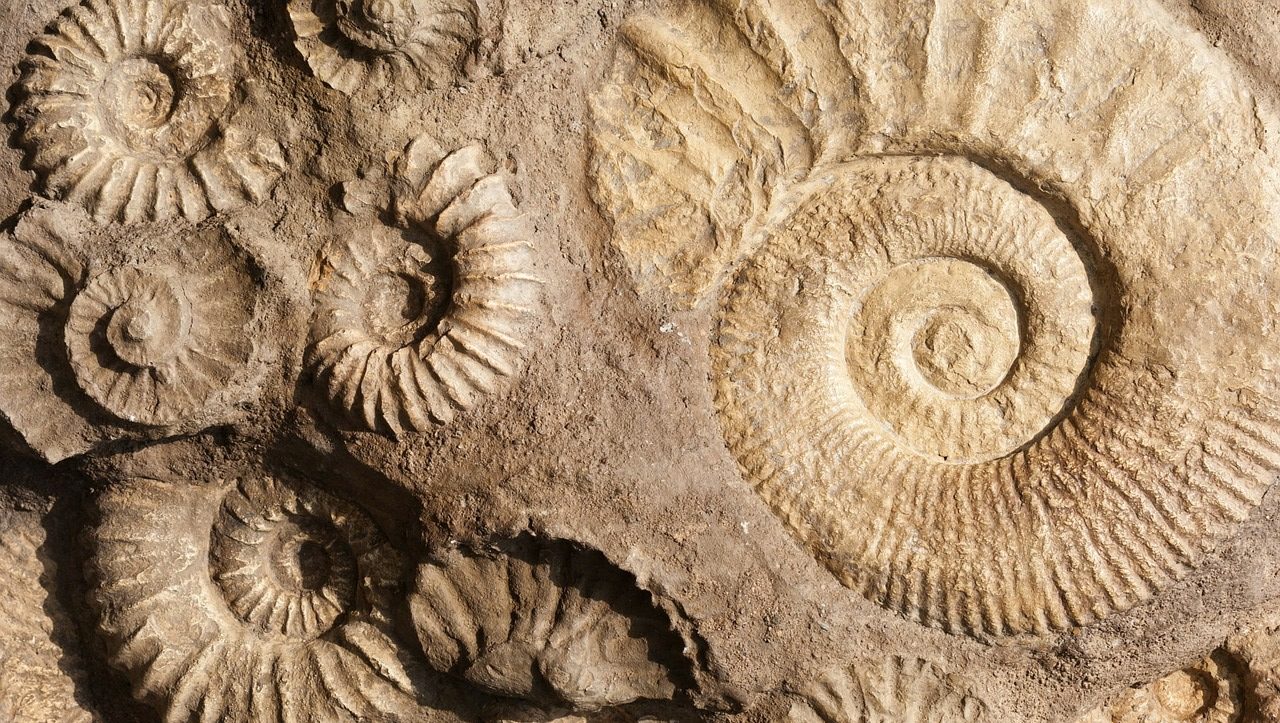
Palaeontology provides compelling evidence through fossil records. Different rock layers contain distinct fossils, with the oldest specimens found in the deepest, oldest geological formations. Transitional fossils demonstrate intermediate characteristics between different groups of organisms.
Note
This systematic pattern of change through geological time shows what scientists term "gradual modification from ancestral forms" - organisms changing and developing from their predecessors. The fossil record acts like a timeline, showing us how life has changed throughout Earth's history.
Biogeographical evidence
The geographical distribution of species provides important clues about evolutionary relationships. Biogeography examines where different species are found and attempts to explain these distribution patterns. Interestingly, regions with similar latitudes, climates, and environmental conditions often contain diverse collections of plants and animals that share common characteristics. This pattern suggests these organisms descended from shared ancestral forms that adapted to similar environmental conditions.
Genetic evidence
Modern molecular biology has provided powerful new tools for understanding evolutionary relationships. Species that are closely related show greater genetic similarity compared to more distantly related species. This genetic similarity indicates they share more recent common ancestors. The closer the genetic match, the more recently two species diverged from their common ancestral line.
Additional evidence
While not studied in detail at school level, scientists also use embryological development patterns, vestigual organs (structures that have lost their original function), and comparative anatomy to support evolutionary theory.
Genetic evidence and relationships
The study of genetics reveals remarkable similarities and differences between related organisms. When scientists compare the genetic material of different species, they find several types of evidence supporting common ancestry:
Note
Key Genetic Evidence for Evolution:
- Identical DNA structure: All life forms share the same basic DNA structure
- Similar gene sequences: Related species have comparable arrangements of genes
- Non-functional DNA similarities: Even portions of DNA that serve no apparent purpose show similarities between related species
- Mitochondrial DNA patterns: Similar mutations in mitochondrial DNA indicate shared evolutionary history
The principle is straightforward: species that are closely related demonstrate greater genetic similarity than those that are more distantly related. This pattern reflects their evolutionary relationships and helps scientists construct family trees showing how different species are connected through common ancestors.
Sources of variation in populations
For evolution to occur, there must be variation within populations. Several biological processes create this essential variation:
Meiotic processes
Crossing over during the first phase of meiosis allows genetic material to be exchanged between chromosomes, creating new combinations of genes from both parents in each reproductive cell.
Random chromosome arrangement during cell division means different combinations of chromosomes can end up in each gamete, ensuring that each reproductive cell is genetically unique.
Reproductive processes
Random fertilisation occurs when any sperm cell can potentially fertilise any egg cell, creating countless possible genetic combinations in offspring.
Random mating within populations means different individuals pair up, producing varied offspring from each mating combination.
Mutations
Genetic mutations alter the structure of genes or chromosomes, changing an organism's genetic makeup (genotype). Since genotype influences observable characteristics (phenotype), mutations introduce new traits that can be passed to future generations.
Example
Worked Example: How Variation Creates Diversity
Consider a simple example with eye colour:
- Crossing over during meiosis creates new gene combinations for eye colour
- Random fertilisation means any combination of parent genes can occur
- Mutations might occasionally create entirely new eye colour variants
- Random mating ensures these variations spread throughout the population
Result: Each generation has slightly different genetic combinations, providing the raw material for evolutionary change.
Historical development of evolutionary ideas
The scientific understanding of evolution developed through the work of several key figures. The most influential advocates for the concept that species change over time were Jean Baptiste de Lamarck and Charles Darwin.
Charles Darwin became the most famous of these scientists, particularly after publishing his groundbreaking work "The Origin of Species". This book presented comprehensive evidence and a mechanism for evolutionary change that revolutionised biological thinking and established evolution as a central principle of modern biology.
Summary
Key Points to Remember:
- Evolution is a well-supported scientific theory, not just a hypothesis - it's backed by extensive evidence from multiple scientific fields
- Evolution simply means change over time - organisms develop and transform from earlier ancestral forms
- Four main types of evidence support evolution: fossils, biogeography, genetics, and other evidence like embryology
- Genetic similarity indicates evolutionary relationships - closely related species share more genetic material than distantly related ones
- Variation within populations is essential for evolution and comes from meiosis, random mating, fertilisation, and mutations