World Heritage Sites (Grade 12 NSC Matric Tourism): Revision Notes
📚Revision Notes
World Heritage Sites
World Heritage Sites represent some of the most precious places on Earth, recognised by the global community for their exceptional value to all humanity. Understanding these sites is crucial for tourism students, as they form major attractions that draw millions of visitors worldwide and contribute significantly to tourism economies.
What is UNESCO?
UNESCO stands for the United Nations Educational, Scientific and Cultural Organisation. This international body plays a vital role in protecting our planet's most important cultural and natural treasures.
Note
UNESCO was established in 1945 and has been working for over 75 years to build peace through international cooperation in education, sciences, and culture. The organisation operates in 195 countries worldwide and coordinates global efforts to preserve humanity's shared heritage.
UNESCO's main functions include:
- Identifying and safeguarding locations of exceptional cultural or natural significance that belong to all people
- Encouraging nations to preserve and properly manage these special places for future generations to enjoy
- Promoting international cooperation in areas like cultural exchange, education, and sustainable tourism development
- Maintaining the official World Heritage List that currently includes over 1,100 sites globally
Understanding the UNESCO logo
The UNESCO logo carries deep symbolic meaning that reflects the organisation's mission:
- The square shape represents human creativity, culture, and artistic achievement
- The circle shape symbolises nature, the earth, and natural processes
- Together, these shapes demonstrate the important balance between cultural heritage created by humans and the natural heritage of our planet
Important
Key Principle: When a location receives UNESCO World Heritage status, it becomes recognised as belonging to all people of the world, not just the country where it's located. This universal ownership principle is fundamental to understanding the UNESCO mission.
Types of World Heritage Sites
UNESCO classifies heritage sites into three distinct categories based on their primary significance:
Natural heritage sites
These locations showcase outstanding natural beauty, geological formations, or exceptional biodiversity. They represent the earth's most spectacular natural phenomena and ecosystems that require protection for scientific and conservation purposes.
Example
South African Natural Heritage Examples:
- iSimangaliso Wetland Park in KwaZulu-Natal (coastal wetlands and marine life)
- Cape Floral Region Protected Areas in Western/Eastern Cape (unique plant diversity)
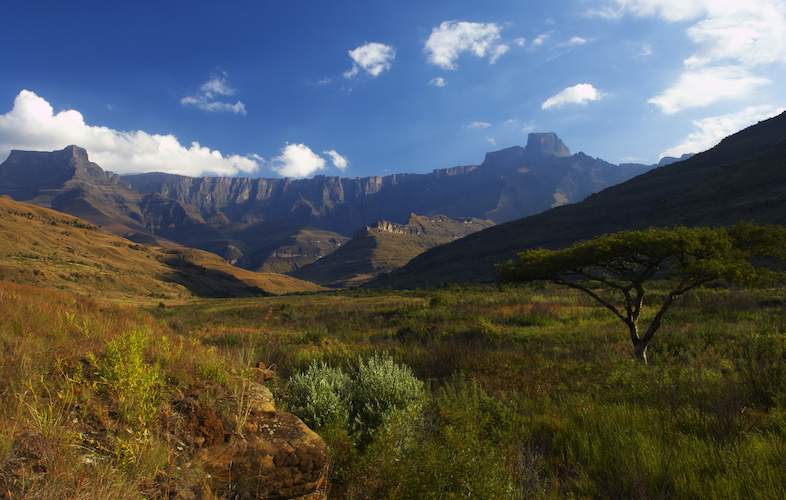
- uKhahlamba-Drakensberg Park in KwaZulu-Natal (mountain landscapes)
- Vredefort Dome in Free State/North West (ancient meteor impact site)
Cultural heritage sites
These are locations created or significantly influenced by human activity that hold historic, artistic, or spiritual importance. They tell the story of human civilisation and cultural development over time.
Example
South African Cultural Heritage Examples:
- Robben Island in Western Cape (prison site with political significance)
- Mapungubwe Cultural Landscape in Limpopo (ancient African kingdom)
- Richtersveld Cultural and Botanical Landscape in Northern Cape (traditional land use practices)
Mixed heritage sites
Some exceptional locations qualify as both cultural and natural heritage sites because they possess outstanding value in both categories. These sites demonstrate the complex relationship between humans and their natural environment.
Note
Mixed Heritage in South Africa: uKhahlamba-Drakensberg Park combines spectacular mountain scenery with thousands of ancient San rock art paintings, making it both culturally and naturally significant. This dual qualification makes it one of South Africa's most remarkable World Heritage Sites.
Value of World Heritage Sites to South Africa's tourism industry
World Heritage Sites provide numerous benefits that make them extremely valuable to the tourism sector:
Tourism appeal
These sites attract both domestic and international visitors who are seeking authentic cultural experiences and opportunities to witness exceptional natural beauty. The UNESCO designation serves as a quality guarantee that draws tourists from around the globe.
Economic benefits
Heritage sites generate substantial revenue through various channels including entrance fees, guided tours, accommodation bookings, restaurant meals, and souvenir purchases. This money circulation supports local and national economies.
Note
Economic Impact: Studies show that World Heritage Sites can increase tourism revenue by up to 30% in their surrounding regions. The UNESCO designation acts as a powerful marketing tool that attracts high-value tourists willing to spend more on authentic experiences.
Employment creation
The tourism industry surrounding heritage sites creates diverse job opportunities in areas such as tour guiding, hospitality services, site conservation and management, transport services, and retail operations.
Conservation and education
Heritage sites serve as outdoor classrooms that raise public awareness about the importance of protecting cultural traditions and natural biodiversity. They help educate visitors about environmental conservation and cultural preservation.
National pride
These internationally recognised sites promote a shared sense of identity among South Africans and showcase the country's incredible diversity to the global community. This recognition enhances South Africa's reputation as a world-class tourism destination.
Sustainable tourism development
Heritage sites encourage environmentally responsible tourism practices and long-term preservation strategies that balance visitor access with conservation needs.
Important
Dual Nature of Heritage Status: The recognition brings both exciting opportunities for tourism growth and serious responsibilities for site protection and management. Countries must demonstrate they can preserve these sites while making them accessible to visitors.
South Africa's World Heritage Sites
South Africa is fortunate to have 10 UNESCO World Heritage Sites spread across all nine provinces, representing the country's remarkable cultural diversity, natural beauty, and human history. Each site meets at least one of UNESCO's strict evaluation criteria.
Complete list of South African World Heritage Sites:
| Site Name | Province/Location | Type | Key Features |
|---|---|---|---|
| iSimangaliso Wetland Park | KwaZulu-Natal (north-east coast) | Natural | Formerly St Lucia Wetlands; exceptional biodiversity including wetlands, beaches, coral reefs, and diverse wildlife |
| uKhahlamba-Drakensberg Park | KwaZulu-Natal/Lesotho border | Mixed | Majestic mountain scenery combined with over 35,000 ancient San rock art paintings |
| Robben Island | Western Cape (near Cape Town) | Cultural | Historic prison site where Nelson Mandela and other freedom fighters were imprisoned; symbol of human rights struggle |
| Cradle of Humankind | Gauteng/North West | Cultural | Contains fossil sites showing early human evolution, including famous discoveries like Mrs Ples and Little Foot |
| Mapungubwe Cultural Landscape | Limpopo | Cultural | Evidence of ancient African kingdom (1075-1220 AD) showing early trade, wealth, and civilisation development |
| Cape Floral Region Protected Areas | Western Cape/Eastern Cape | Natural | One of Earth's richest plant biodiversity hotspots, home to unique fynbos vegetation |
| Vredefort Dome | Free State/North West | Natural | World's largest and oldest meteor impact crater (2 billion years old) |
| Richtersveld Cultural and Botanical Landscape | Northern Cape | Cultural | Desert region showing traditional Nama people's seasonal herding practices (transhumance) |
| ǂKhomani Cultural Landscape | Northern Cape (Kalahari) | Cultural | Reflects the living culture and desert survival knowledge of the San people |
| Barberton Makhonjwa Mountains | Mpumalanga | Natural | Contains some of Earth's oldest rocks (3.6 billion years old) providing evidence of early geological history |
Note
Important Exam Tip: Students should be able to locate all these sites on a map of South Africa and identify which province each site is found in. Pay special attention to the sites that span multiple provinces, such as the Cradle of Humankind and Vredefort Dome.
UNESCO evaluation criteria
UNESCO uses 10 specific criteria to evaluate potential World Heritage Sites. A site must meet at least one criterion to qualify for World Heritage status.
Cultural criteria (i-vi)
Sites must demonstrate outstanding architecture, cultural traditions, artistic achievements, or important links to human history to meet cultural heritage criteria.
Natural criteria (vii-x)
Sites must show exceptional natural beauty, geological importance, ecological processes, or significant biodiversity value to qualify under natural heritage criteria.
Important
Evaluation Principle: The more criteria a site meets, the stronger its case for World Heritage designation becomes. Sites that meet multiple criteria are often considered more prestigious and receive higher levels of international recognition and protection.
Key concepts summary
| Concept | Explanation |
|---|---|
| UNESCO | United Nations organisation responsible for protecting global cultural and natural heritage |
| World Heritage Site | A location recognised for outstanding global value and protected under UNESCO regulations |
| Types of sites | Three categories: Cultural, Natural, and Mixed heritage sites |
| South African sites | 10 recognised sites distributed across all nine provinces |
| Tourism benefits | Include conservation, tourism income, job creation, education, and national pride |
Summary
Key Points to Remember:
- UNESCO protects both cultural and natural treasures that belong to all humanity, not just individual countries
- South Africa has 10 World Heritage Sites representing incredible diversity - from ancient human fossils to pristine wetlands to historical prisons
- Three main types exist: Natural sites (showcasing earth's beauty), Cultural sites (showing human achievement), and Mixed sites (combining both)
- Heritage sites boost tourism by attracting visitors, creating jobs, generating income, and promoting conservation awareness
- World Heritage status brings both opportunities and responsibilities - sites must be protected while being made accessible to visitors