Famous World Icons and Attractions (Grade 12 NSC Matric Tourism): Revision Notes
📚Revision Notes
Famous World Icons and Attractions
What are world famous icons and attractions?
Understanding world famous icons and attractions is essential for tourism students. These special places draw millions of visitors each year and play a crucial role in the global tourism industry. Let's explore what makes certain destinations so remarkable that they become symbols of entire countries.
Understanding tourist attractions vs icons
Tourist attractions
Tourist attractions are destinations that visitors enjoy exploring. These include places like national parks, museums, beaches, and heritage sites. They offer experiences that people find interesting, educational, or entertaining.
Important
Key Definition - Tourist Attractions:
Tourist attractions are "places that tourists like to visit, such as national parks and heritage sites." They provide experiences that visitors find interesting, educational, or entertaining.
Icons
An icon is a special type of tourist attraction that has achieved world-wide recognition. These destinations become symbolic representations of their country or city. Icons can be:
- Human-made structures (like the Eiffel Tower or Taj Mahal)
- Natural formations (like Mount Everest or Niagara Falls)
Important
Key Definition - Icons:
An icon is "a tourist attraction that is world famous and comes to represent or be symbolic of the country or city in which it is located." Icons go beyond regular attractions by becoming global symbols.
World Heritage Sites
Many icons receive special protection as World Heritage Sites. UNESCO (United Nations Educational, Scientific and Cultural Organisation) designates these places because they have:
- Outstanding cultural importance
- Exceptional physical significance
- Universal value for humanity
Note
World Heritage Site Definition:
A World Heritage Site is "a place such as a forest, mountain, lake, desert, monument, building, complex, or city that is listed by UNESCO as being of special cultural or physical significance."
Examples include forests, mountains, lakes, deserts, monuments, buildings, and entire cities.
Why some attractions become world famous icons
Several factors contribute to an attraction becoming a globally recognised icon. Understanding these factors helps explain why some destinations achieve worldwide fame while others remain regional attractions.
Uniqueness and rarity
Icons are often one-of-a-kind destinations. Tourists find them fascinating because they cannot experience anything similar elsewhere in the world. This exclusivity creates strong appeal and desire to visit.
UNESCO recognition
Many attractions gain icon status after being proclaimed World Heritage Sites. This official recognition highlights their special cultural or physical significance to the world community.
Note
UNESCO recognition serves as a powerful marketing tool and provides international credibility that helps transform regular attractions into world-famous icons.
Cultural identity and symbolism
Some icons provide a powerful sense of identity for specific groups. For example:
- Vatican City represents the heart of Catholicism
- Mecca serves as the spiritual centre for Muslims worldwide
Famous associations
Icons may be linked to renowned historical figures or events. Robben Island became an icon partly due to its association with Nelson Mandela and South Africa's struggle for freedom.
Economic significance of tourism icons
Pull factors in tourism
Tourism icons serve as pull factors - powerful magnets that attract visitors to destinations. Tour operators frequently include these iconic sites in their packages, knowing they will appeal to travellers.
The multiplier effect
When tourists visit icons, they create significant economic benefits through the multiplier effect. This economic principle explains how tourist spending creates a ripple effect throughout the local economy.
Example
Worked Example: The Tourism Multiplier Effect
Step 1: Tourist arrives and spends money
- Visitor pays for accommodation, food, transport, and souvenirs
Step 2: Initial spending supports local businesses
- Hotels, restaurants, and shops receive direct income
- These businesses create jobs for local workers
Step 3: Secondary spending occurs
- Workers spend their wages on housing, food, and services
- Local suppliers provide goods to tourism businesses
Step 4: Economic benefits spread throughout the community
- The economic impact reaches almost everyone in the area
- Regional income and consumption increase beyond the initial tourist spending
Note
Multiplier Effect Definition:
The multiplier effect is "an effect in economics in which an increase in spending produces an increase in national/regional income and consumption greater than the initial increase."
Tourism businesses are interconnected and depend on each other, meaning the benefits reach almost everyone in the area in some way.
Tourist profiles and visitor statistics
Different tourists, different icons
Various types of tourists are attracted to different icons based on their personal characteristics and preferences. Understanding these tourist profiles helps attraction managers target appropriate markets.
Note
Tourist Profile Factors:
- Interests (adventure, culture, relaxation)
- Age (young adventurers vs. older tourists seeking comfort)
- Income levels (budget vs. luxury travellers)
- Physical abilities (some icons require hiking or climbing)
For example, young adventure seekers might attempt to climb Mount Everest, whilst wealthy older tourists might prefer relaxing along the French Riviera.
Using visitor statistics
Tourism authorities collect visitor numbers to help with strategic planning and management decisions.
Note
Applications of Visitor Statistics:
- Marketing strategies - understanding which markets to target
- Maintenance planning - determining when and how much upkeep is needed
- Protection measures - implementing restrictions to prevent damage from mass tourism
Examples of famous world icons by region
The following examples demonstrate how icons exist across all continents, each representing unique cultural, historical, or natural significance. These destinations have achieved global recognition and serve as symbols of their respective countries.
Europe
- United Kingdom: Big Ben, Buckingham Palace, Tower of London, London Bridge
- France: Eiffel Tower, French Riviera
- Italy: Colosseum, Leaning Tower of Pisa, Venice, Vatican City
- Germany: Berlin Wall, Brandenburg Gate, Black Forest
- Switzerland: Swiss Alps
- Netherlands: Kinderdijk windmill network
- Spain: Alcazar of Segovia, traditional bullfights
- Portugal: Algarve coast
- Greece: Parthenon
- Turkey: Blue Mosque
- Russia: Kremlin, Red Square
- Poland: Auschwitz Concentration Camp
Asia
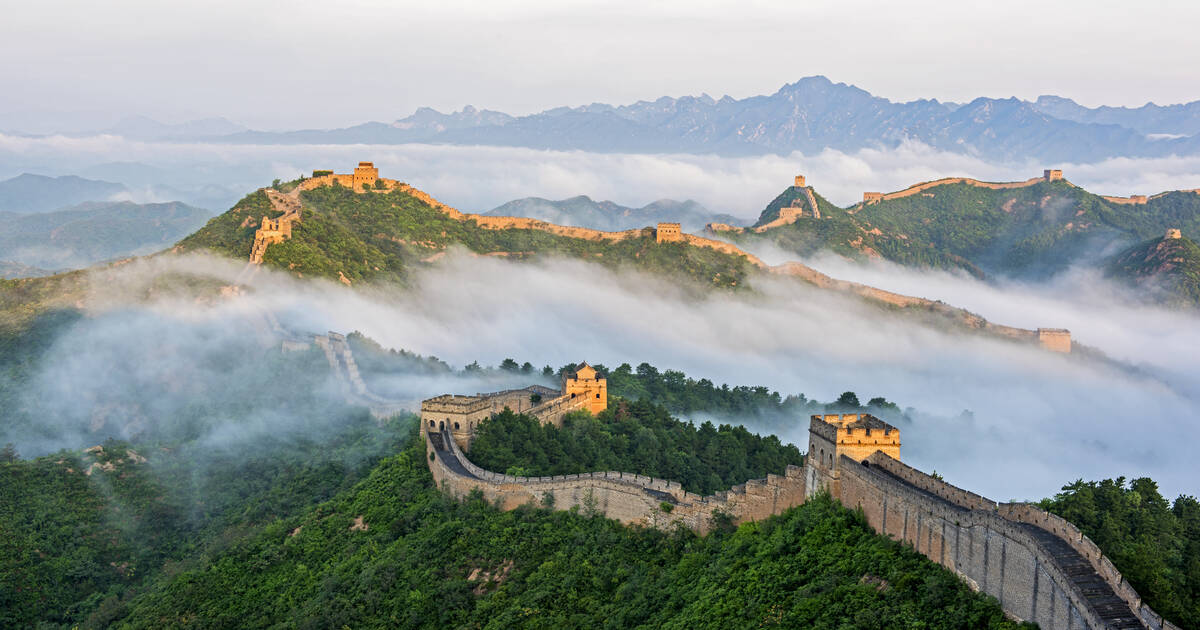
- China: Great Wall of China
- India: Taj Mahal
- Japan: Mount Fuji
- Thailand: Floating markets
- Nepal: Mount Everest
Middle East & Africa
- Egypt: Great Pyramids of Giza, Sphinx
- Israel: Dome of the Rock, Wailing Wall
- Jordan: Petra
- Saudi Arabia: Mecca
Americas
- United States: Statue of Liberty, Grand Canyon
- Canada: Niagara Falls
- Brazil: Statue of Christ the Redeemer
- Peru: Machu Picchu
- Mexico: Chichén Itzá
Oceania
- Australia: Sydney Opera House, Ayers Rock (Uluru)
Note
Notice how these icons represent different types of attractions - from ancient monuments and natural wonders to modern architectural achievements. Each has achieved global recognition through different pathways but shares the common characteristic of symbolic importance.
Success factors for tourist attractions
Successful tourist attractions share common characteristics that help them maintain their appeal and manage visitors effectively. Understanding these success factors is crucial for attraction management and development.
Key success characteristics
Successful tourist attractions demonstrate several essential qualities that ensure their continued popularity and sustainability.
Important
Essential Success Characteristics:
Successful tourist attractions:
- Continuously attract visitors through consistent quality and appeal
- Provide adequate information to help visitors plan and enjoy their experience
- Meet tourist needs by offering appropriate facilities and services
- Match visitor interests with engaging and relevant experiences
- Ensure easy accessibility through good transport links and facilities
- Maintain high standards through regular upkeep and improvements
- Guarantee visitor safety with proper security and safety measures
Five main management areas
Attraction managers focus on five critical areas to ensure success. These management areas work together to create a comprehensive approach to attraction operation.
Example
The Five Management Areas Framework:
1. Marketing - promoting the attraction to target audiences
- Identifying target markets and customer segments
- Developing promotional campaigns and strategies
- Building brand recognition and reputation
2. Financial management - controlling income and expenses effectively
- Budgeting and financial planning
- Revenue optimisation and cost control
- Investment in improvements and maintenance
3. Human resources - managing staff and their development
- Recruiting and training qualified personnel
- Staff motivation and performance management
- Creating positive workplace culture
4. Visitor management - handling crowds and enhancing visitor experience
- Crowd control and flow management
- Visitor services and satisfaction
- Managing peak times and capacity
5. Operations management - ensuring smooth daily functioning
- Facility maintenance and upkeep
- Safety and security procedures
- Quality control and standards
Summary
Key Points to Remember:
- Icons are special tourist attractions that become world-famous symbols of their countries or cities
- Economic benefits spread widely through the multiplier effect when tourists visit icons
- UNESCO World Heritage status often helps attractions become globally recognised icons
- Different tourist types are attracted to different icons based on their interests and capabilities
- Successful attractions require careful management across five key areas: marketing, finance, human resources, visitor management, and operations