Future Management of Ecosystems (HSC SSCE Biology): Revision Notes
📚Revision Notes
Human Impacts on Ecosystems
Introduction: Madagascar case study
Madagascar is an island in the Indian Ocean off the east coast of Africa. Like Australia, it has been isolated for a long time and therefore has a unique array of flora and fauna. Once covered in lush tropical rainforest, it is now an ecological disaster in the making.

The need for foreign exchange to bring wealth into a poor country has led to over-exploitation of natural resources. Logging to meet global demand for tropical timbers has been conducted on such a scale that over 80% of the rainforests are now gone. This has adversely affected populations of animals such as lemurs, which are found exclusively on this island. Many species of lemurs are extinct, and many more, such as the bamboo lemur, are critically endangered.
Note
Poverty in Madagascar has led to malnourishment and caused a great demand for protein in the form of animal meat. Despite being both illegal and culturally taboo, lemurs are often hunted and eaten or sold in markets for food.
The good news is that the world is starting to wake up to the effects of human practices on natural ecosystems, and many situations like that in Madagascar are slowly being understood and managed.
Human population growth
One of the main factors affecting natural ecosystems is human population growth, particularly over the last century. Accurate data on human population growth is an important factor in designing mathematical models that can assess the impact of human activity on ecosystem health.
Reasons for increasing population
The population of humans worldwide is growing faster than ever before for several reasons:
Improved food production: The 20th century saw a vastly increased efficiency of food production through:
- Selective breeding (choosing organisms with desirable traits to reproduce)
- Use of fertilisers, pesticides and herbicides
- Better understanding of plant needs
- Development of self-reproducing hybrid crops
Medical breakthroughs:
- Use of antibiotics (such as penicillin discovered in the 1920s)
- Better hygiene practices
- Vaccination programmes
- Screening for common diseases
- Reduced maternal and neonatal death rates
Biotechnology advances:
- Production of disease-resistant, water-efficient plants and animals
- Reduced impact of extreme climate on food production
- Development of drought-tolerant crop varieties
- Use of antibiotics and growth hormones in intensive farming
Important
These factors have dramatically reduced the human mortality rate due to infectious and non-infectious diseases. Because more people are living longer and healthier lives, this puts demand on the environment for space and resources such as food, materials for construction of infrastructure and fresh water, and increases the need for waste disposal.
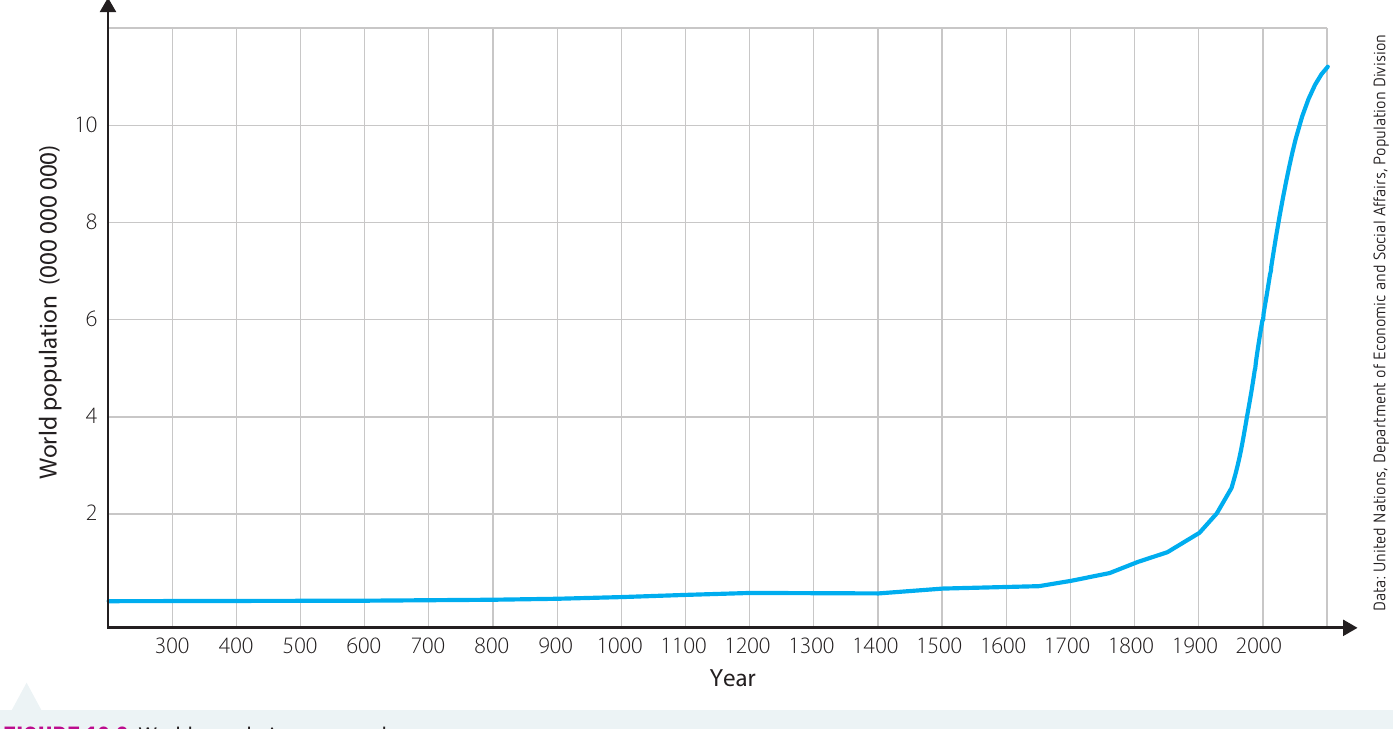
Australian population trends
The population of Australia has increased steadily since the mid-20th century as a result of both migration and increased lifespans. The Australian population increases through birth and immigration by one person every 1 minute and 24 seconds.
Agriculture and ecosystem impacts
The trend in human population growth can be traced to the very beginnings of agriculture. The first agricultural revolution occurred approximately 10,000 years ago, when humans transitioned from a hunter-gatherer lifestyle and started to cultivate crops and domesticate animals. This is often called the Neolithic revolution.
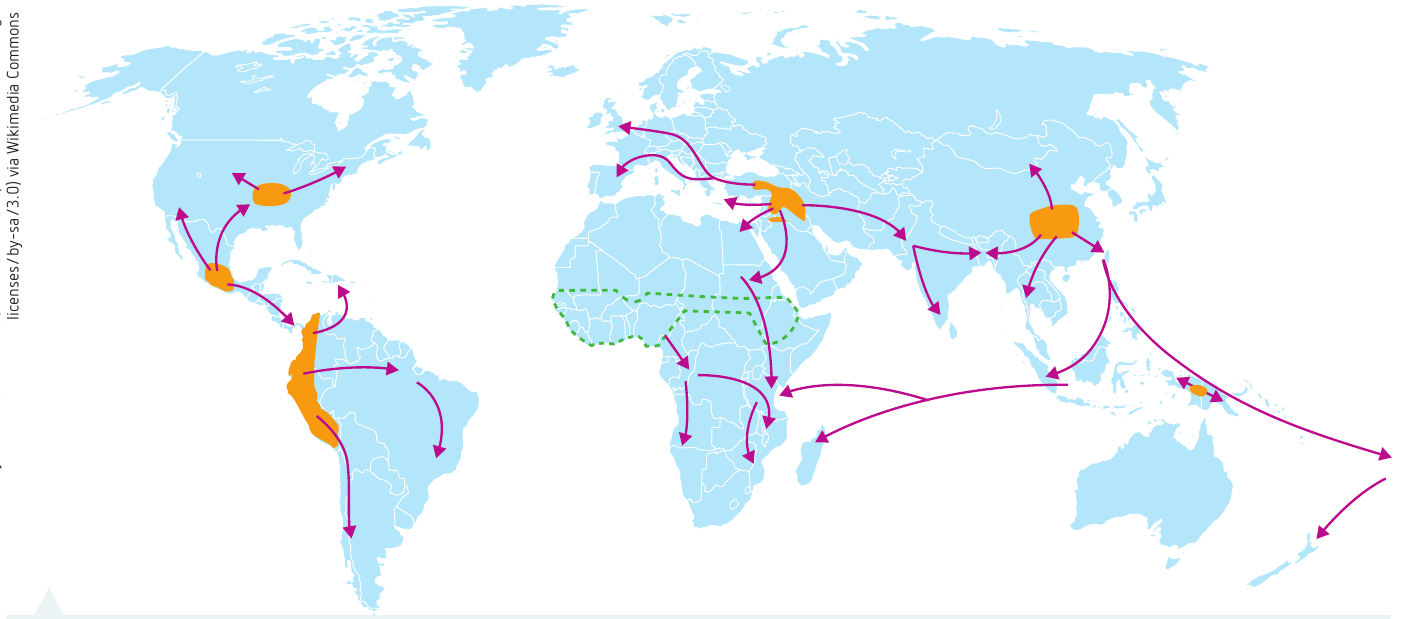
The immediate effect was an increase in human populations. Villages and towns emerged as humans started to radically transform their natural environment to produce food and other goods. Even at this early stage, the local landscape was being transformed. Irrigation was developed alongside the domestication of plants as a means of producing a surplus, and so water was diverted away from its natural courses.
Soil erosion
Soil erosion refers to the removal of topsoil to distant areas by wind and water. The main causes are:
- Removal of vegetation/leaving land fallow (unused)
- Soil cultivation practices that break up the soil structure
- Increased stocking rates of hard-hooved animals such as horses, cows and sheep grazing on land, leading to break-up of the soil
- Compaction of the soil by heavy machinery with loss of rain infiltration and increased water pooling on the surface
- Salinisation of soils, which changes soil structure
Consequences of soil erosion:
Disturbance of the soil during agricultural or urban development destroys the mechanisms that hold soil particles together and maintain soil structure. Removal of deep-rooted vegetation such as tall trees leaves the soil vulnerable to erosion. Erosion represents a loss of valuable minerals for an ecosystem, as the topsoil is a rich source of nutrients and contains the vast bulk of organic matter.
Note
This has consequences for every level of the food web, from plants that use soil to anchor and sustain themselves to detritivores that break down organic waste and make it available for other organisms.
Another consequence of soil erosion is siltation of waterways from loose soil that is washed away into waterways by wind and rain. This leads to:
- Increase in the turbidity (cloudiness) of waterways
- Reduction in light availability for aquatic plants
- Adverse consequences for other aquatic organisms whose gills become clogged with silt
Salinisation
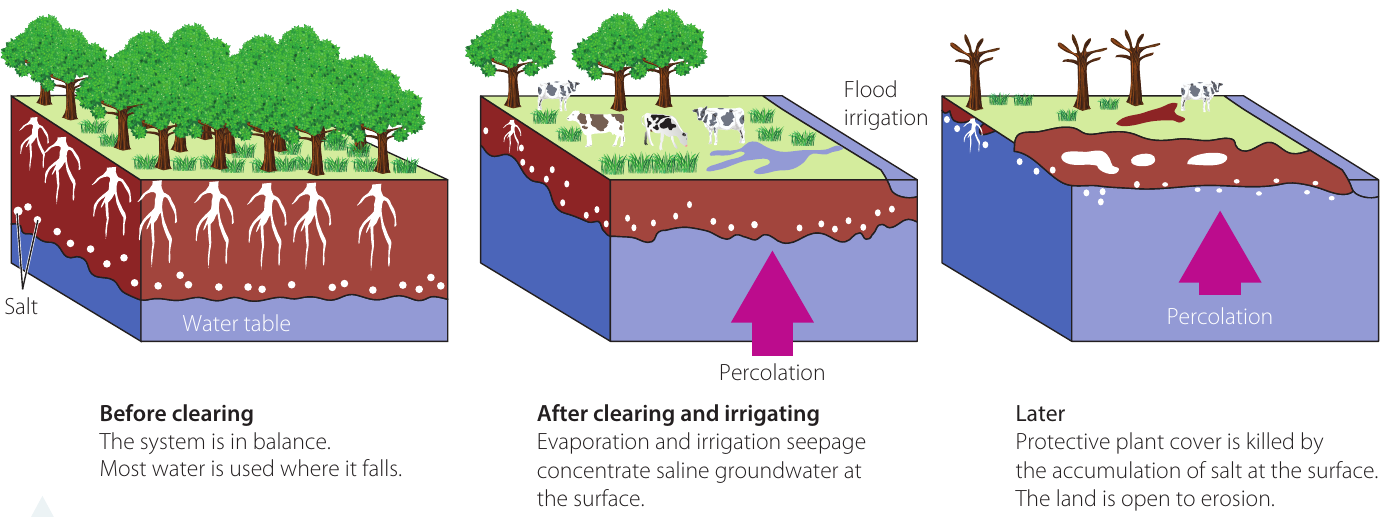
Salinity refers to salt concentration. Salinisation is the process of increasing the salinity of soils and waterways. Australian soils contain high levels of salt as a leftover from the inland sea as well as from ocean salt blowing inland and being deposited in soils.
Salt concentrations in soil and water are critical for living things because high concentrations of salt exert an osmotic drag on their tissues. Salinisation of soils occurs when humans remove deep-rooted trees (dryland salinity) and when humans irrigate crops to increase yields (irrigation salinity). Both have the effect of raising the water table, which solubilises and drags salts (mainly sodium chloride) from deeper soil layers to the surface of the soil.
Important
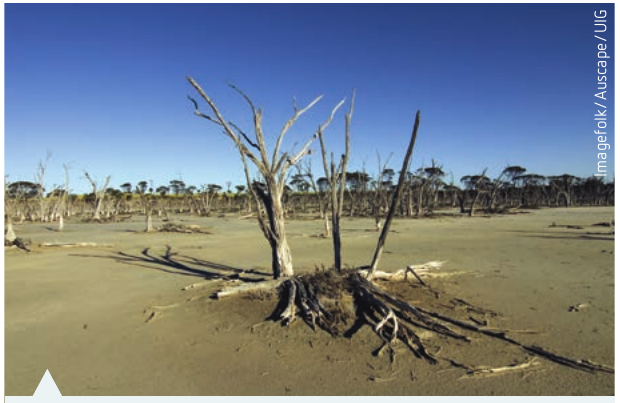
Severely affected soils often exhibit deposits of white crusts on the surface. Salinised soil destroys the soil biota (living organisms in soil). Salinised waterways represent a danger to freshwater vertebrates and invertebrates as the high salt concentration puts higher demands on their osmoregulatory (salt regulation) mechanisms.
Pollution
Pollution refers to the presence in the environment of any unwanted substance that causes harm. It is a problem on land, in waterways, in the atmosphere and in the ocean. The main concern is the effect of agricultural chemicals on non-target species.
Fertilisers: Fertilisers are used widely in Australia due to the generally low nutrient status of soils. The Australian continent has been tectonically stable for millions of years and this has contributed to the poor nutrient load in the soil. European farming methods require fertilisation of the soil to achieve yields expected to sustain crops for human consumption, animal pastures and fodder. Common fertilisers contain compounds containing nitrogen and phosphorus.
Pesticides:
- Insecticides are applied to plants to reduce crop loss from insects such as aphids, locusts, fruit flies, leaf miners and mealy bugs. They destroy or interfere with the development of many stages of the insect life cycle. Insecticides are also administered to animals to control ticks, lice, flystrike in sheep and bot flies in horses.
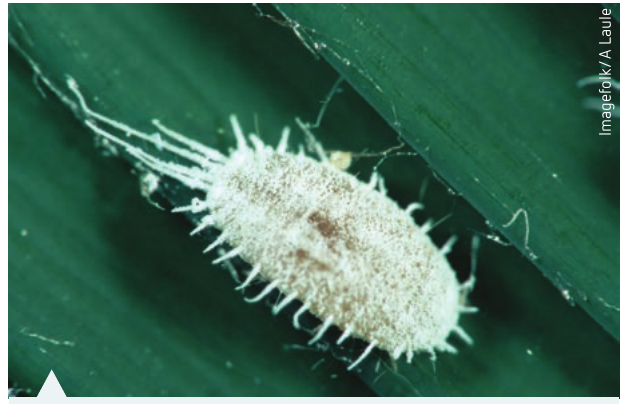
- Herbicides are applied to crops and pastures to reduce weed populations. They may be washed into waterways and persist in the soil.
- Anthelmintics are administered to animals to control parasitic worms such as roundworms, tapeworms, flukes and hookworms. These substances are shed in faeces and represent a residue in the soil.
Important
The chemicals pose a threat to native species because many agricultural chemicals persist in soil and waterways for decades. Insecticides are also a threat to non-target organisms, and must be transported and handled with care. Any residues in crops represent a health threat to humans.
Eutrophication
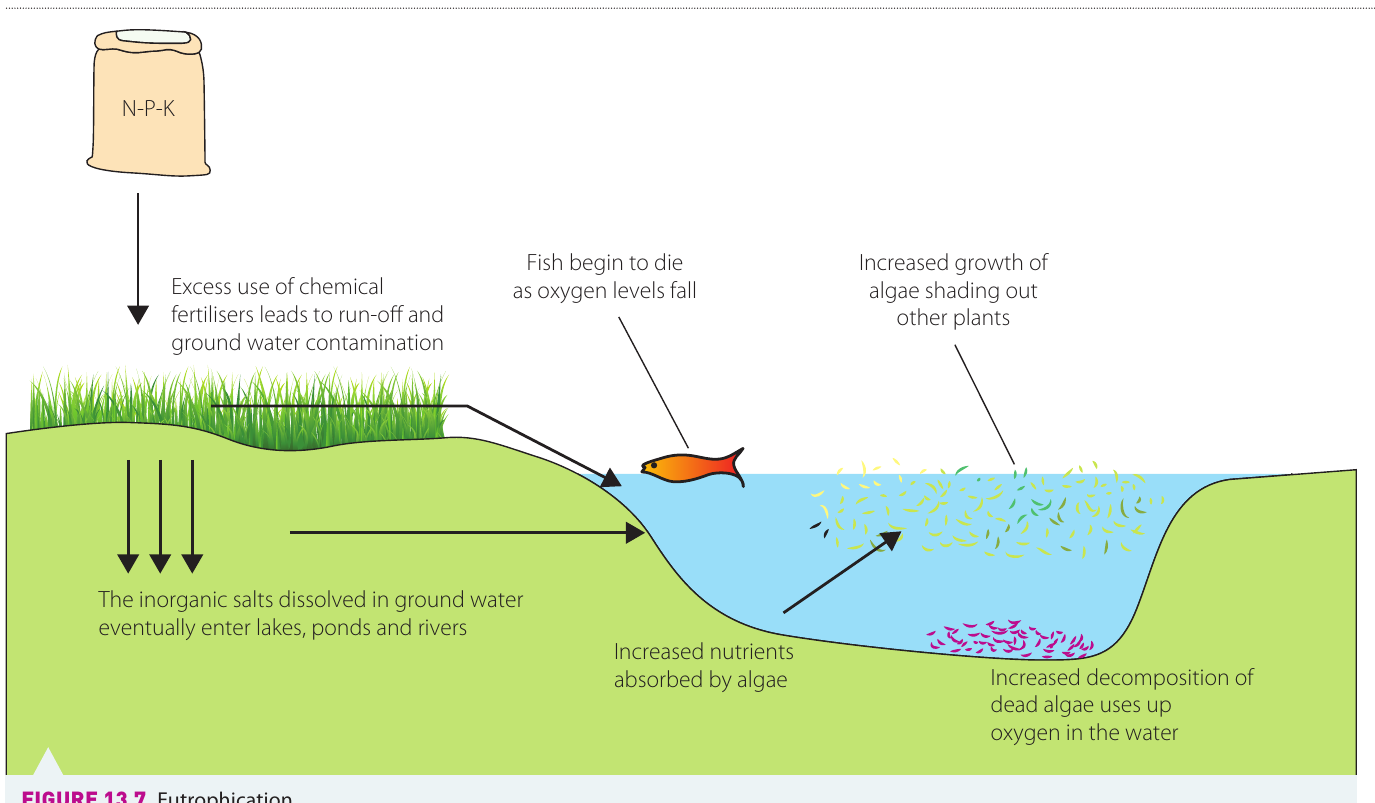
Eutrophication refers to the overgrowth of cyanobacteria in waterways due to an increase in the availability of phosphorus-containing compounds such as those in fertilisers and detergents. Often referred to (inappropriately) as 'algal bloom', this poses a threat to native plants and animals in waterways through both loss of light and the presence of cyanide-containing toxins in many species of cyanobacteria.
Introduced species
Introduced species of plants and animals are a major problem in Australia. Since European colonisation, many species have been either deliberately or accidentally introduced into Australian environments. Examples of deliberate introductions include the European rabbit, the European red fox (Vulpes vulpes) and many ornamental garden plants.
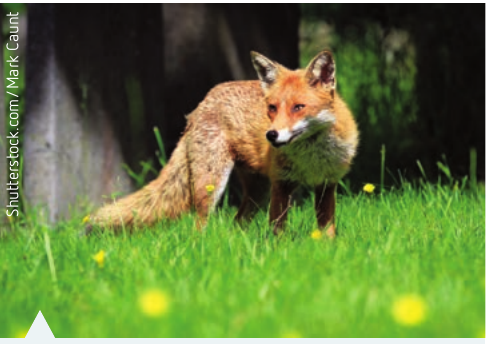
Many of these European species out-competed native species for water, light, habitats and nutrients. They have also changed the environment in such a way as to alter the microclimate of the area to favour their own growth and development.
Marine introduced species
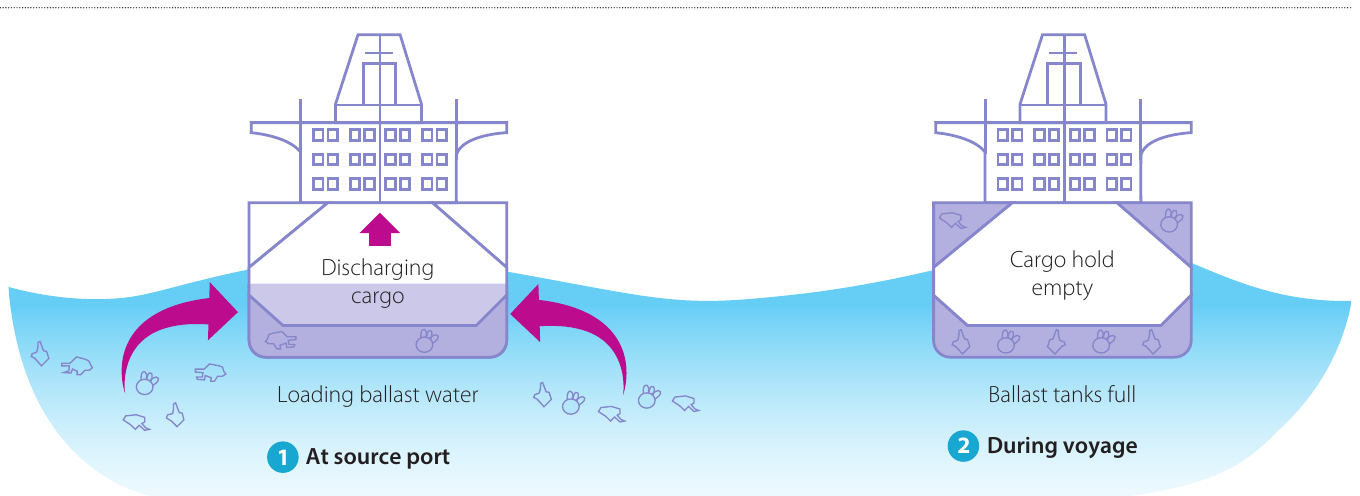
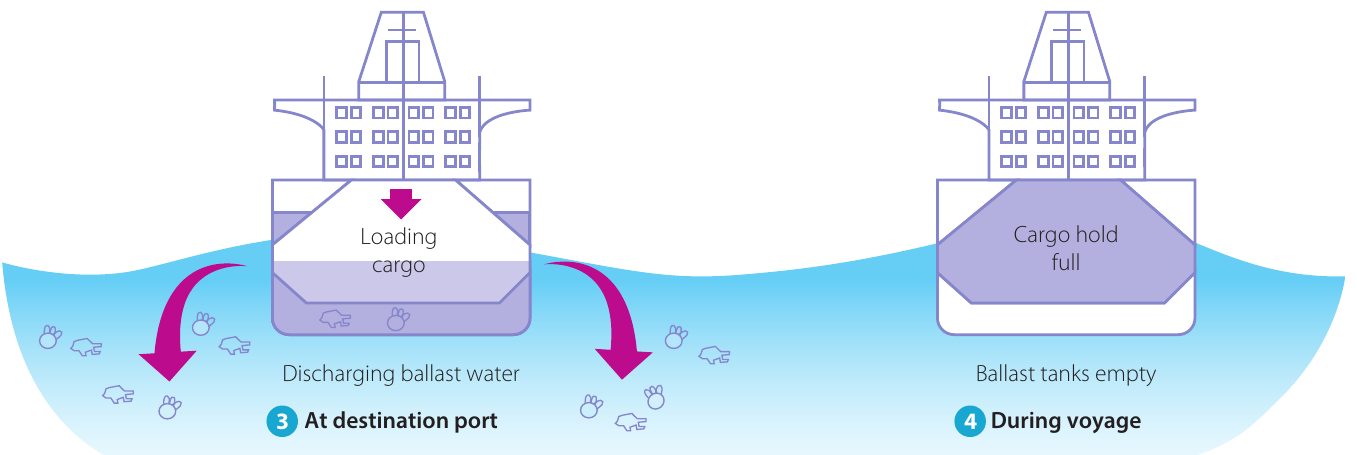
Marine life is also susceptible to threats from introduced species. Ballast water is used by ships to improve their stability on long ocean voyages. It is picked up when cargo is loaded and discharged upon arrival at the destination. When ballast water is picked up, marine species are picked up also and transported across the oceans to distant sites.
Example
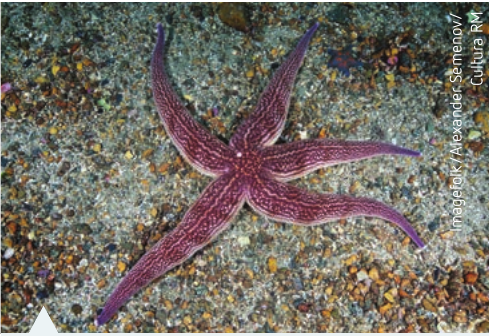
Example: Northern Pacific Seastar Impact
The Northern Pacific seastar (Asterias amurensis) is an aggressive predator that has had major impacts on native shellfish, small invertebrates, aquaculture and fisheries in Victorian and Tasmanian waters. This species was introduced through ballast water and demonstrates how marine introduced species can devastate local ecosystems.
Land clearing
To sustain growing populations and create space to grow food, trees need to be removed. Land clearing refers to the removal of native vegetation for urban or agricultural development.
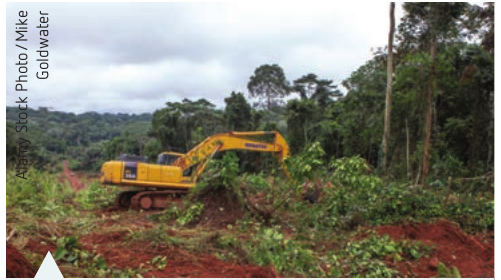
As well as contributing to soil salinisation and erosion, land clearing removes the nesting sites and habitats of native animals. Many of these animals are territorial and are not able to re-establish themselves elsewhere.
Water extraction and dams
As the demand for water increased for consumption and agriculture, waterways began to be altered. Dams and weirs are features of the Australian environment. Australia is a very dry continent and European farming methods have traditionally had a high demand for water for crops and livestock maintenance.
Extraction of water from surface waterways has led to:
- Drop in water levels in rivers
- Loss of some wetlands
- Disruption of seasonal water pulses that aquatic species depend on for breeding cycles
Example
Example: The Snowy River Dam
The Snowy River was dammed in 1967 to produce hydroelectricity. Only 1% of the natural water flows remained after damming. There was a severe reduction in biodiversity to such an extent that the Victorian and New South Wales governments legislated for environmental flows to occur to restore the biodiversity of aquatic systems in the region.
This example demonstrates the dramatic impact that water extraction can have on ecosystems and the importance of maintaining environmental flows.
Mining
As technology improved and infrastructure increased to cope with higher human populations, more of Earth's mineral resources were needed. Mining represents a rich source of income for Australia. Ores such as lead, iron ore, silver, aluminium, gold, copper, uranium and zinc are extracted from the ground.
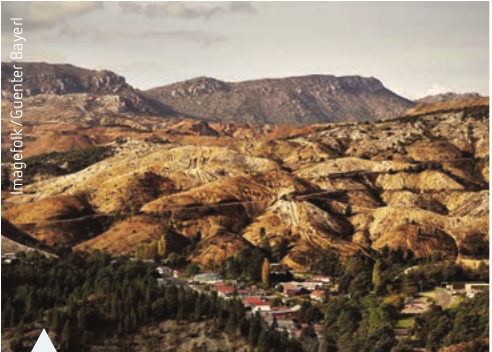
Mining contributes to land degradation in the following ways:
- Extraction and refining of ores leaves behind chemical pollutants, which accumulate in soil and local waterways
- Acid wastes are produced, which change the acidity of waterways
- The topography of the land is altered by the removal of topsoil and vegetation, leading to soil erosion and siltation of local waterways
- Old buildings and machinery may be left behind once mining operations cease
- Air pollution with oxides of sulfur and nitrogen may lead to the production of acid rain, which destroys vegetation and soil invertebrates
Extinction and biodiversity
Extinction
Important
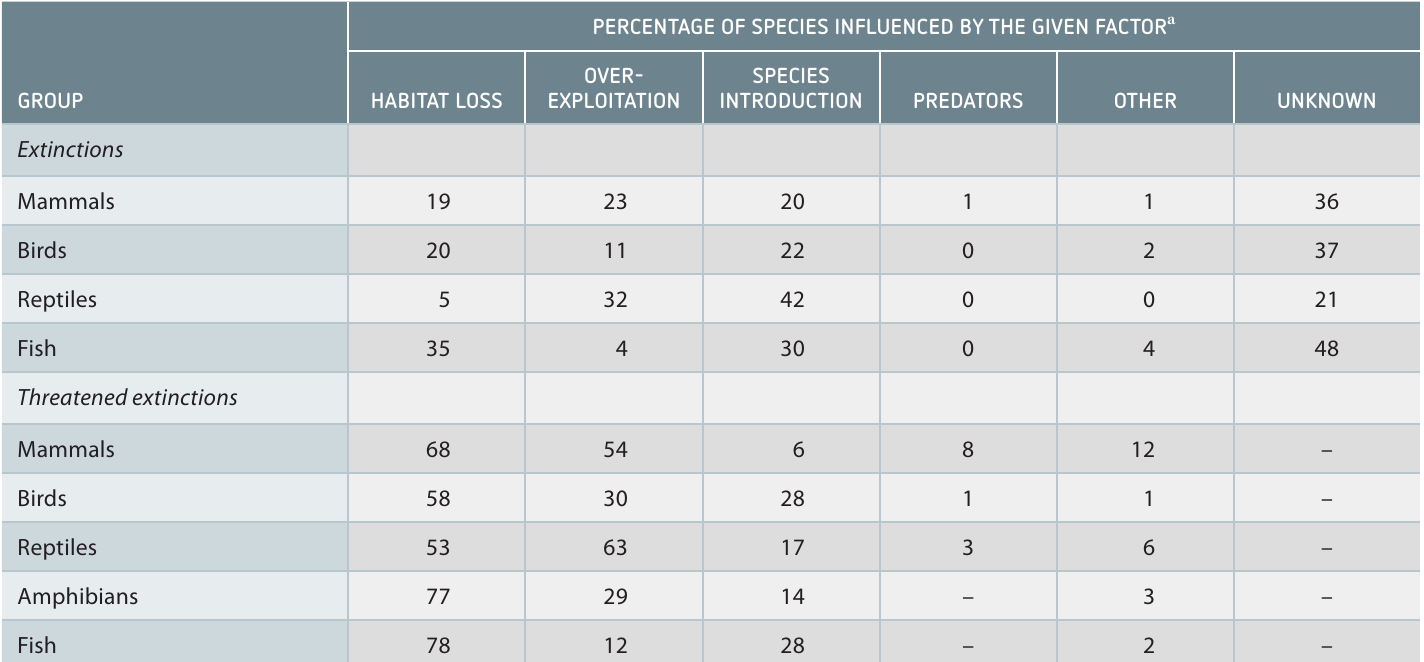
Habitat loss is the leading cause of extinction around the world. Most historic extinctions have occurred on islands because even small losses of habitat have devastating effects there. Island populations are often relatively small, and thus particularly vulnerable to extinction.
Of the 90 species of mammals that have gone extinct in the world in the last 500 years, 73% lived on islands. Another 19% lived in Australia.
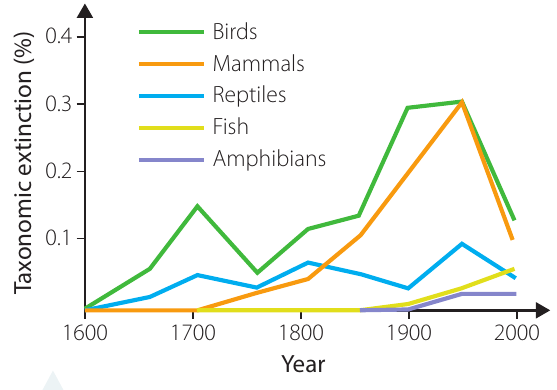
Recently, the extinction crisis has moved from islands to continents. Most modern species threatened with extinction now occur on continents.
Key factors influencing extinction:
| Factor | Description |
|---|---|
| Over-exploitation of resources | Harvesting resources in a way that is not sustainable over time (e.g., unsustainable removal of tropical rainforests) |
| Introduced species | Introduction of new species causes changes in relationships due to competition, predation and disease |
| Disruption of ecological relationships | Loss of available niches, with alterations in abundance and distribution of populations, leading to loss of genetic variability |
Biodiversity
There are three recognised levels of biodiversity:
1. Genetic diversity: Refers to the intraspecies diversity in traits that makes a population more resilient to environmental changes. For example, cheetahs experienced a genetic bottleneck around 10,000 years ago and subsequently demonstrate very low diversity in their genetic make-up, leading to reduced reproductive success.
2. Species diversity: The variety of different species available in an ecosystem (sometimes referred to as 'species richness'). Food chains rely on many species interacting to pass on nutrients and energy from one to another. Plants supply food for herbivores, which in turn are a food source for carnivores.
3. Ecosystem diversity: The variety of ecosystems available in a broader area such as continents or globally. For example, wetland ecosystems provide a home for a range of animals and plants and are important for flood control, water purification, shoreline stabilisation and storm protection.
Australian biodiversity
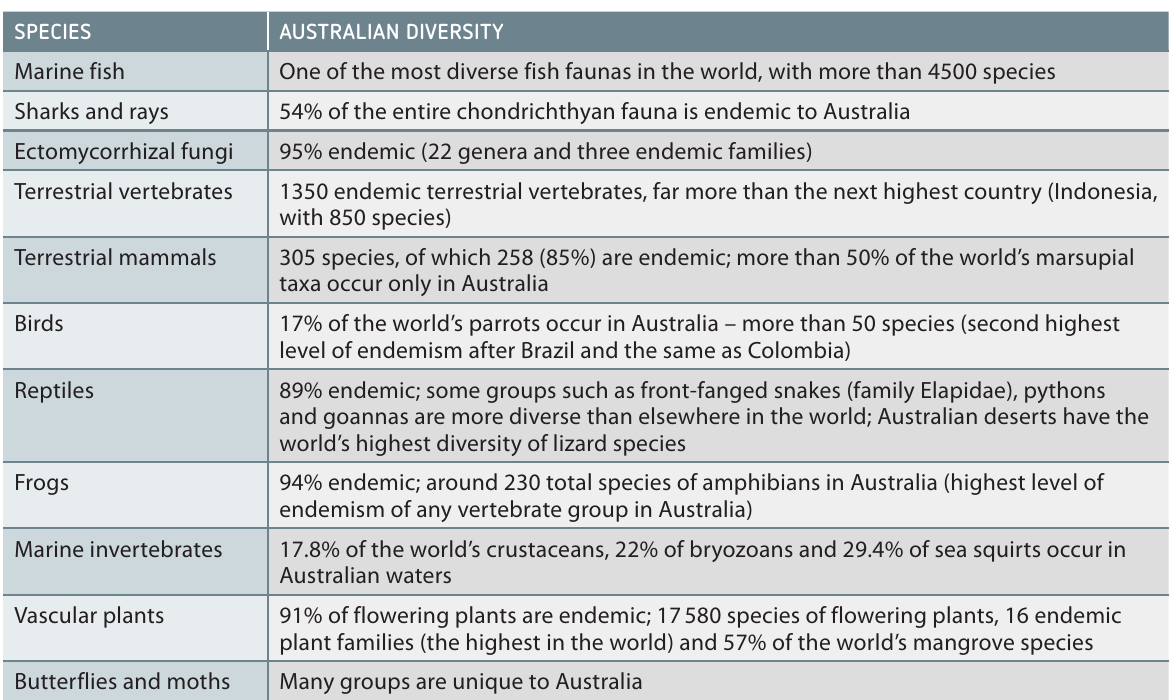
Australia has a very diverse collection of plant and animal species. Our continent hosts approximately one million species of known plants and animals. Many are endemic to Australia (that is, they are found only here).
Note
Between 7 and 10% of all species on Earth occur in Australia. More than 4,500 species of marine fishes live in Australian inshore waters. There are more than twice as many species of reptiles in Australia as there are in the United States, and Australian deserts support more lizard species than any other comparable environment.
Value of maintaining biodiversity
The value and benefits of maintaining biodiversity fall into four main categories:
1. Direct economic value: Products we obtain from species of plants and animals, and from bioresources for food, fibres, timber and medicines. For example:
- Colchicine (used to treat gout) comes from the colchicum flower
- Quinine (for prevention and treatment of malaria) comes from the cinchona tree in South American rainforests
- Ants possess specialised glands for producing antibiotics
2. Indirect economic value: Benefits produced by species without consuming them. For example:
- Ecosystems underpin natural resources and provide services such as healthy soil, clean water and crop pollination
- Bees pollinate many fruit and vegetable crops
3. Ethical value: All species have an ethical right to exist, just as humans do.
4. Aesthetic value: Humans enjoy the beauty of the natural environment. Nations like to conserve their heritage for future generations (e.g., the Great Barrier Reef).
Conservation and monitoring
The Australian Government's Environment Protection and Biodiversity Conservation Act 1999 (EPBC Act) was created to meet Australia's obligations as a signatory to the Convention on Biological Diversity. This Act:
- Protects all native fauna
- Provides for identification and protection of threatened species
- Allows for identification of key threatening processes
At present, 380 animal species are classified as either endangered or threatened under the EPBC Act. Monitoring is essential to any action plan to conserve biodiversity. It provides information on how the management plan for conserving biodiversity is performing.
Note
Amphibians have been identified as good indicators of environmental health because they are very sensitive to changes in their environment (their skin is permeable to both liquids and gases). Because of this sensitivity, their decline within an ecosystem may indicate that other components of the ecosystem are also in decline.
Australian extinctions and climate
By looking at evidence for changes between past and present climate, and observing changes in the distribution of organisms that formed fossils over time, we can understand more about factors that may determine the distribution of flora and fauna in present-day environments.
Kangaroo evolution
The fossil record for kangaroo-like marsupials in Australia extends back 45 million years to a time when rainforests were widespread. As the Australian plate drifted north, the availability of water decreased and the aridity of the land increased, with grasslands and open forests becoming more common.
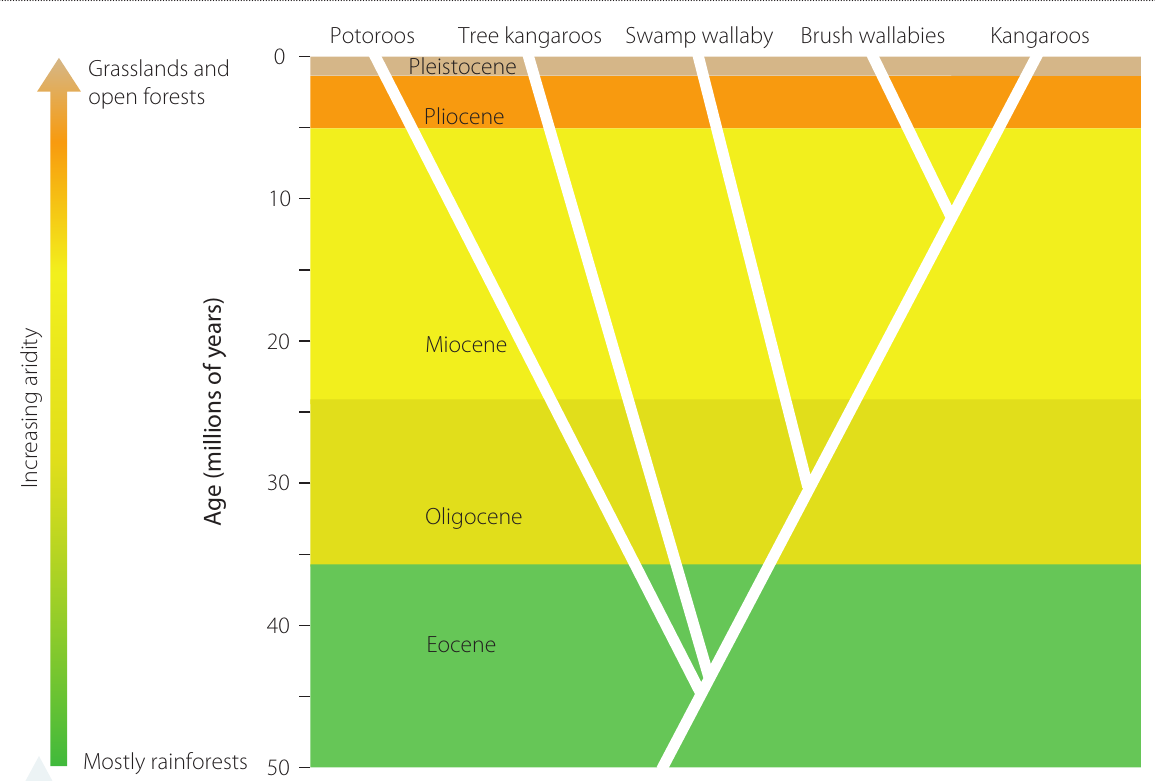
The number of living species of grazing macropod kangaroos that adapted to a diet of grasses reflects success in the drying environments, while the once common browsing (leaf-cutting) sthenurine kangaroos have declined, possibly due to reduced availability of low-leaf foliage.
Key adaptations:
The musky rat-kangaroo (Hypsiprymnodon moschatus) lives in rainforests and represents the kangaroo most like the ancestor of all kangaroos. It has:
- Simple, rounded molars for crushing soft food items
- Does not hop bipedally
- Has a less specialised foot structure, retaining the first toe
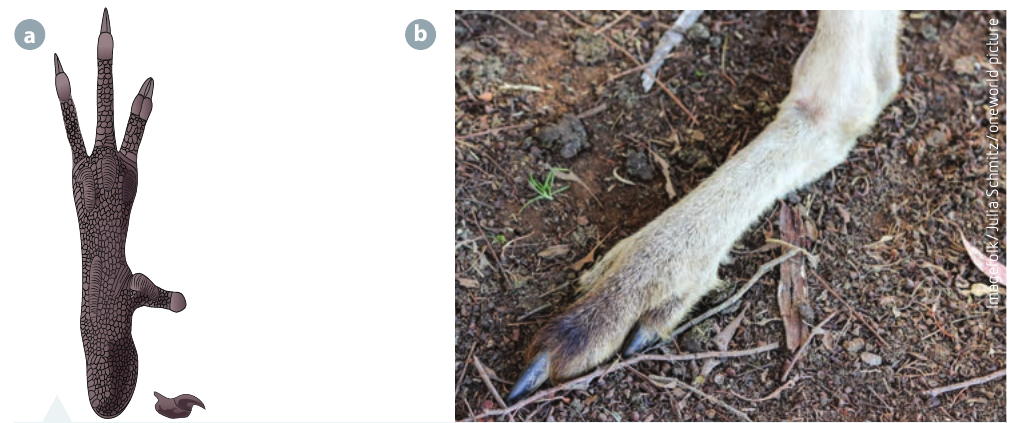
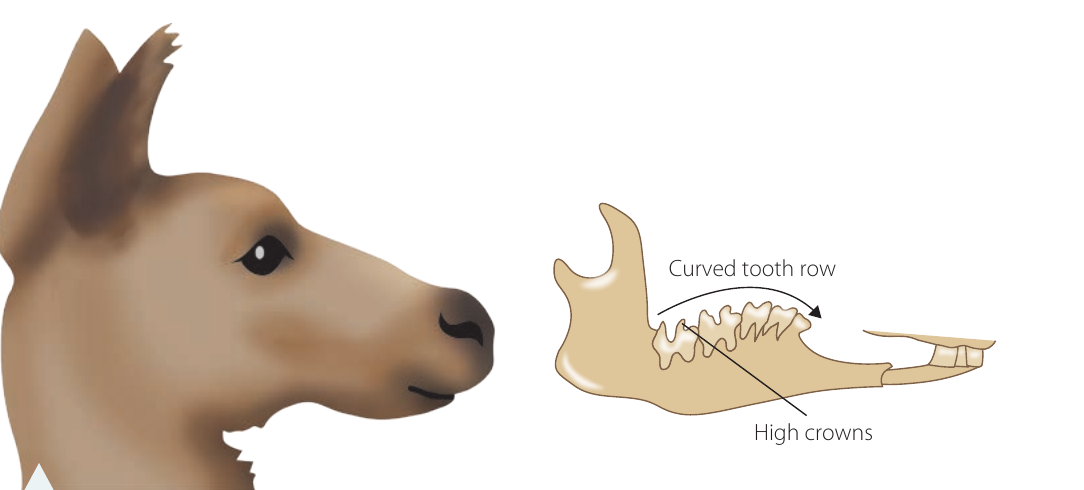
Species of Macropus, such as the red kangaroo (Macropus rufus), have:
- High-crested molar teeth that efficiently shear and grind food into a paste
- This allows extraction of nutrients from poor-quality grasses
- Hopping form of locomotion achieving speeds greater than 50 km/h
- Reduction in the number of toes
Note
Most extinctions of large animals in Australia occurred between 35,000 and 15,000 years ago, at a time when conditions were driest during the last glacial period. Increased environmental instability resulting from burning by humans and associated vegetation changes may have sufficiently altered stream flow and lake levels to produce a more drought-prone environment.
Climate change
The greenhouse effect
Earth's climate systems are complex and rely on the exchange of energy and matter between the four spheres of Earth:
- Hydrosphere – all water on Earth in all three states (ice, liquid and vapour)
- Lithosphere – the outer rigid crust of the Earth
- Atmosphere – all the gases surrounding the Earth
- Biosphere – all living things on Earth
Life on Earth is made possible by the presence and nature of our atmosphere and hydrosphere (mainly oceans). The atmosphere and oceans act as mechanisms to trap solar radiation throughout the day, storing it at night and preventing catastrophic temperature differences between day and night.
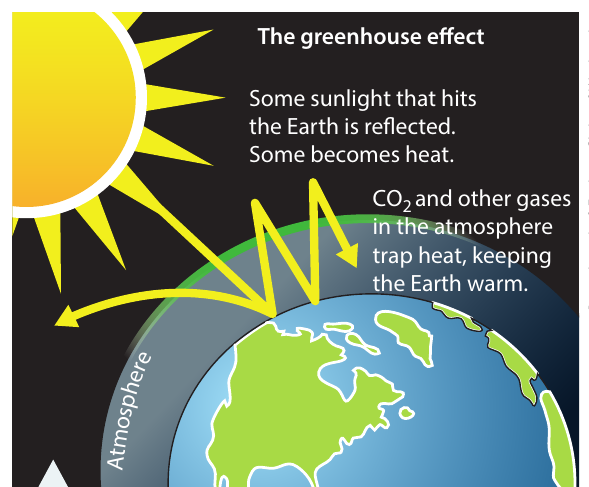
The greenhouse effect is a normal part of Earth's climate system:
- Solar radiation reaches and penetrates Earth's atmosphere – some is reflected out into space
- Some radiation is trapped by greenhouse gases in the atmosphere, and this energy is absorbed by land and oceans in the form of heat energy
- This keeps the Earth warm enough to sustain life
Note
The Moon, which has no atmosphere, experiences temperature swings of almost 300°C between day and night.
Enhanced greenhouse effect
The enhanced greenhouse effect occurs when there is an increase in the concentration of greenhouse gases in the atmosphere. This results in more heat energy being absorbed by the land and oceans.
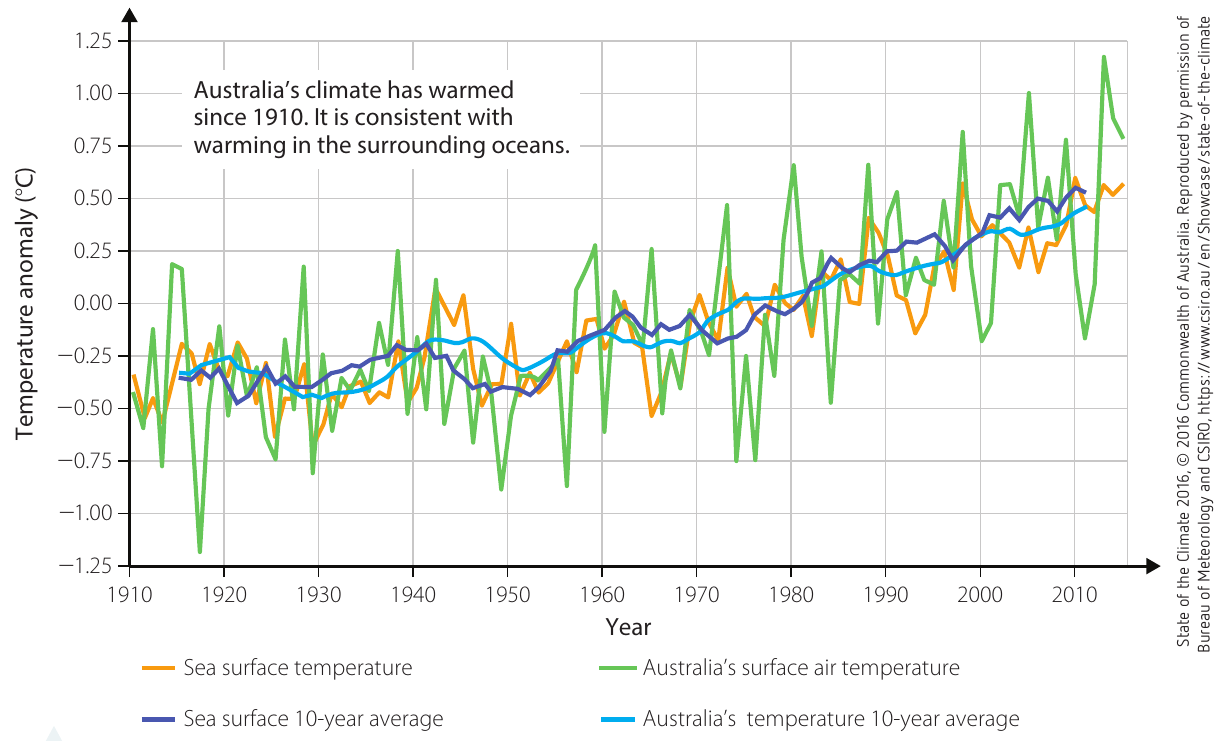
Scientists have been collecting scientific data about Australian climate for a little over a hundred years. Australia's climate has always undergone periods of cooler or warmer, wetter or drier conditions, but the general trend over the last century is one of warming.
Factors influencing climate:
External factors:
- Solar energy output from the Sun
- Variations in Earth's orbit around the Sun
Internal factors:
- Activity of volcanoes (release of carbon dioxide gas into the atmosphere)
- Temperature of the oceans (oceans are a sink for carbon dioxide, but as ocean temperatures rise, solubility decreases and carbon dioxide diffuses back into atmosphere)
- Amount of ice cover on continents (ice reflects sunlight back into space due to high reflectivity/albedo; loss of ice cover means more solar radiation is absorbed by Earth's surface)
Important
Human factors contributing to climate change:
- Increased carbon dioxide from burning of fossil fuels (coal, petroleum, natural gas)
- Impact of modern agricultural practices
- Widespread land clearing
Impacts of climate change on Australia
The impacts on Australia are both environmental and economic. There are issues surrounding:
- Water security
- Agricultural viability
- Effects on coastal communities of changing sea levels and species distribution
- Infrastructure considerations (dams, desalination plants, erosion control, building flood-resilient communities)
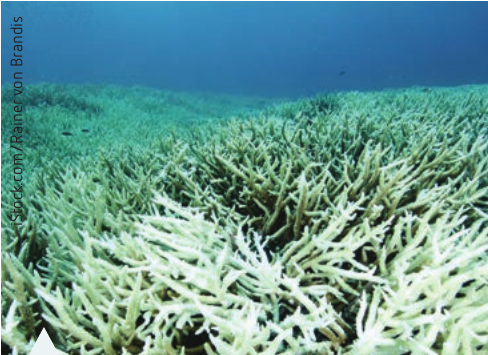
Predicted effects:
- More frequent and severe heatwaves
- More frequent and severe droughts
- More frequent and severe bushfires
- Rising sea levels and coastal inundation
- Changes in rainfall patterns and water supply
- Species extinctions
Important
The problem with seemingly small changes in average temperatures is that they can have marked effects on weather patterns. For example, scientists predict that there will be more days over 35°C, leading to more intense heatwaves and more fires. Droughts may last longer and be more severe. Floods could become more intense, leading to more severe flooding.
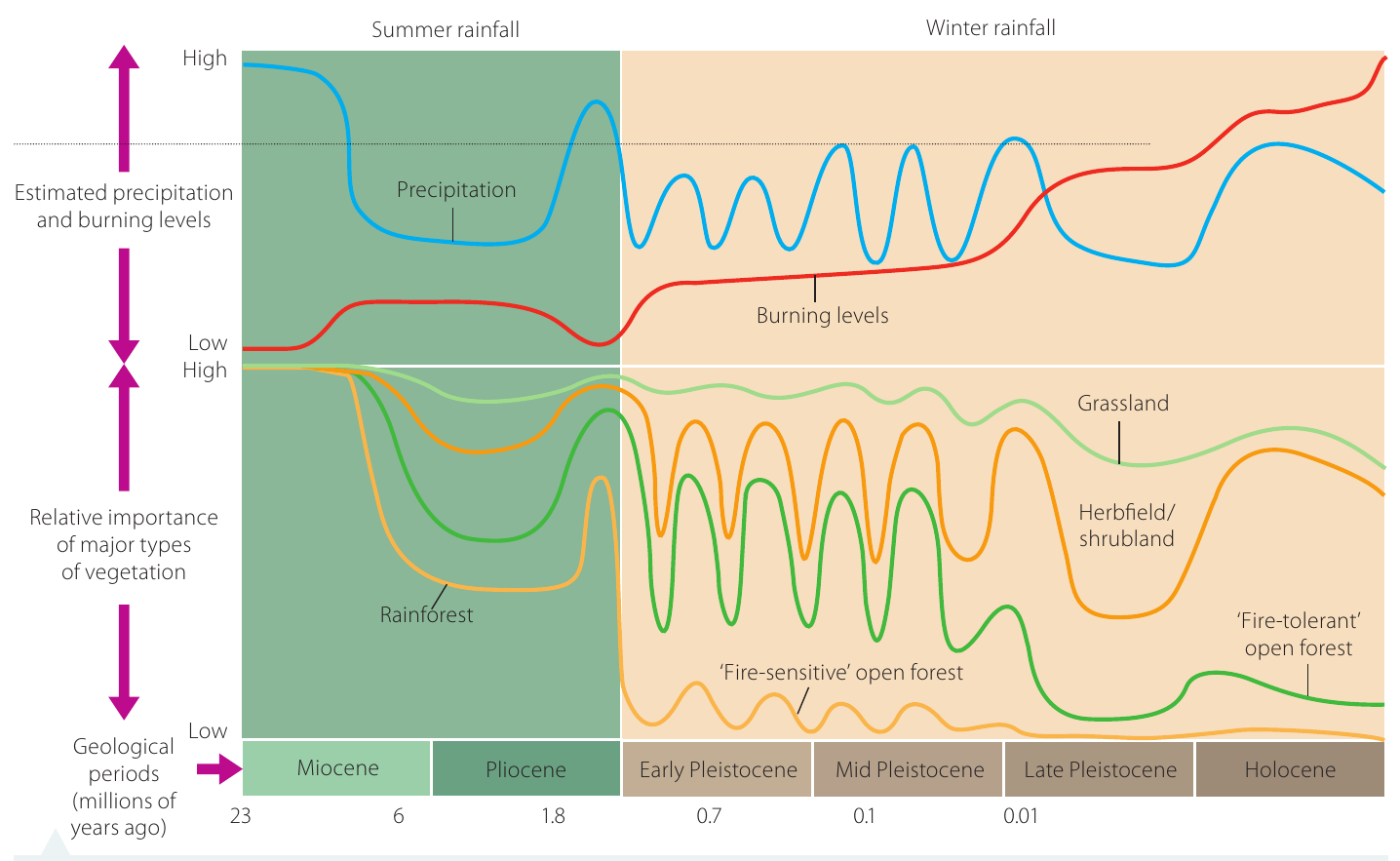
Throughout geological time, there have been many instances where climate change was responsible for drastic effects on ecosystems. Ecosystems are generally very resilient, but the problem with climate change is that multiple changes are being imposed on ecosystems at the same time, putting greater stress on their resilience.
Remember!
Summary
Key Points to Remember:
-
Human population growth is the main driver of ecosystem changes, with the 20th century seeing dramatic increases due to improved food production, medical advances and biotechnology.
-
Agricultural impacts include soil erosion, salinisation, and pollution from fertilisers and pesticides, all of which degrade ecosystems and harm non-target species.
-
Habitat loss is the leading cause of extinction globally, with introduced species, land clearing, water extraction and mining all contributing to biodiversity loss.
-
Australia has exceptional biodiversity, with 7–10% of all species on Earth occurring here, many of which are endemic (found nowhere else).
-
Climate change is driven by the enhanced greenhouse effect, primarily from burning fossil fuels, and is predicted to cause more frequent extreme weather events, rising sea levels, and species extinctions in Australia.