Population Dynamics (HSC SSCE Biology): Revision Notes
📚Revision Notes
Ecosystem Organisation
Understanding how living organisms interact with each other and their environment is fundamental to ecology. This note explores the key concepts of ecosystem organisation, including the roles of biotic and abiotic factors, different types of species interactions, and how these factors influence population dynamics.
Introduction: the Macquarie Island case study
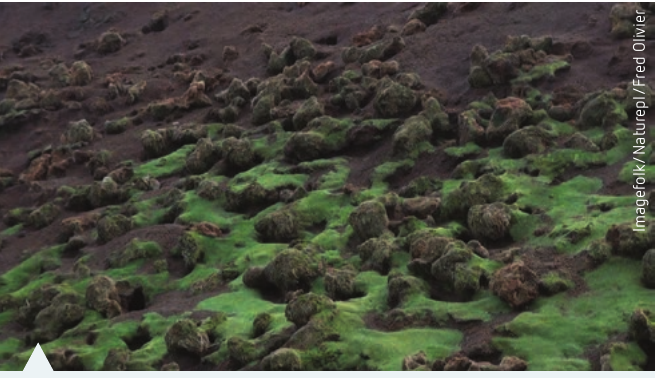
Macquarie Island, located between Tasmania and Antarctica, provides an important example of ecosystem disruption. Since the late 1800s, introduced species including rats, mice, rabbits and cats caused extensive damage to native flora and fauna. Several plant and animal species became endangered as a result. The Australian and Tasmanian governments implemented various control measures including baiting, trapping, biological control and tracker dogs.
Important
This case demonstrates the importance of understanding organism interactions for effective conservation management. The cascade of effects from introducing non-native species shows how interconnected ecosystem components are.
Organisation within ecosystems
The biosphere and ecosystems
The biosphere is the portion of Earth that contains all living organisms. Every organism exists within a framework that includes both living and non-living components.
Biotic factors are the living components of an ecosystem, including all plants, animals, bacteria and other organisms that an individual interacts with. For example, a kangaroo interacts with other kangaroos, trees that provide shelter, grass for food, and various native and non-native animals sharing its habitat.
Abiotic factors are the non-living, physical and chemical components of the environment. These include air temperature, humidity, sunlight, rainfall, water availability, pressure, wind and soil nutrients. Together, all abiotic factors affecting an ecosystem constitute the environment.
An ecosystem comprises an organism's living and non-living surroundings. It consists of multiple species living together within the same environment, all interacting with each other and with abiotic factors.
Note
A population is a group of organisms of the same species living together in the same area at the same time. For instance, all red kangaroos living in a particular region constitute a population.
Ecology is the scientific study of the interrelationships between organisms and their environment. This field examines how living things affect each other and their surroundings, as well as how abiotic factors influence organisms. These relationships ultimately determine the distribution and abundance of species.
Distribution of abiotic and biotic factors
Abiotic factors are rarely distributed evenly throughout an ecosystem. This uneven distribution significantly affects where organisms can live and how abundant they are. Different species have unique requirements, so the availability of specific abiotic factors determines which organisms can thrive in particular locations within an ecosystem.
Impacts of abiotic factors in ecosystems
Aquatic ecosystems
Water is highly effective at filtering sunlight. As depth increases in the ocean, light intensity decreases dramatically. The upper layer of the ocean where sufficient light penetrates is called the photic zone. Below approximately m depth, virtually no significant light remains, making photosynthesis impossible.
The main producers in ocean ecosystems are photosynthetic phytoplankton, which form the base of marine food chains. Since phytoplankton require sunlight for photosynthesis, their distribution is limited to the photic zone.
Note
Temperature also decreases rapidly with depth due to reduced sunlight penetration. Oxygen levels decrease to a minimum at around m depth, but then increase again in deeper waters. This increase occurs because deep, cold ocean currents originating from polar regions are highly oxygenated and mix with deeper water layers.
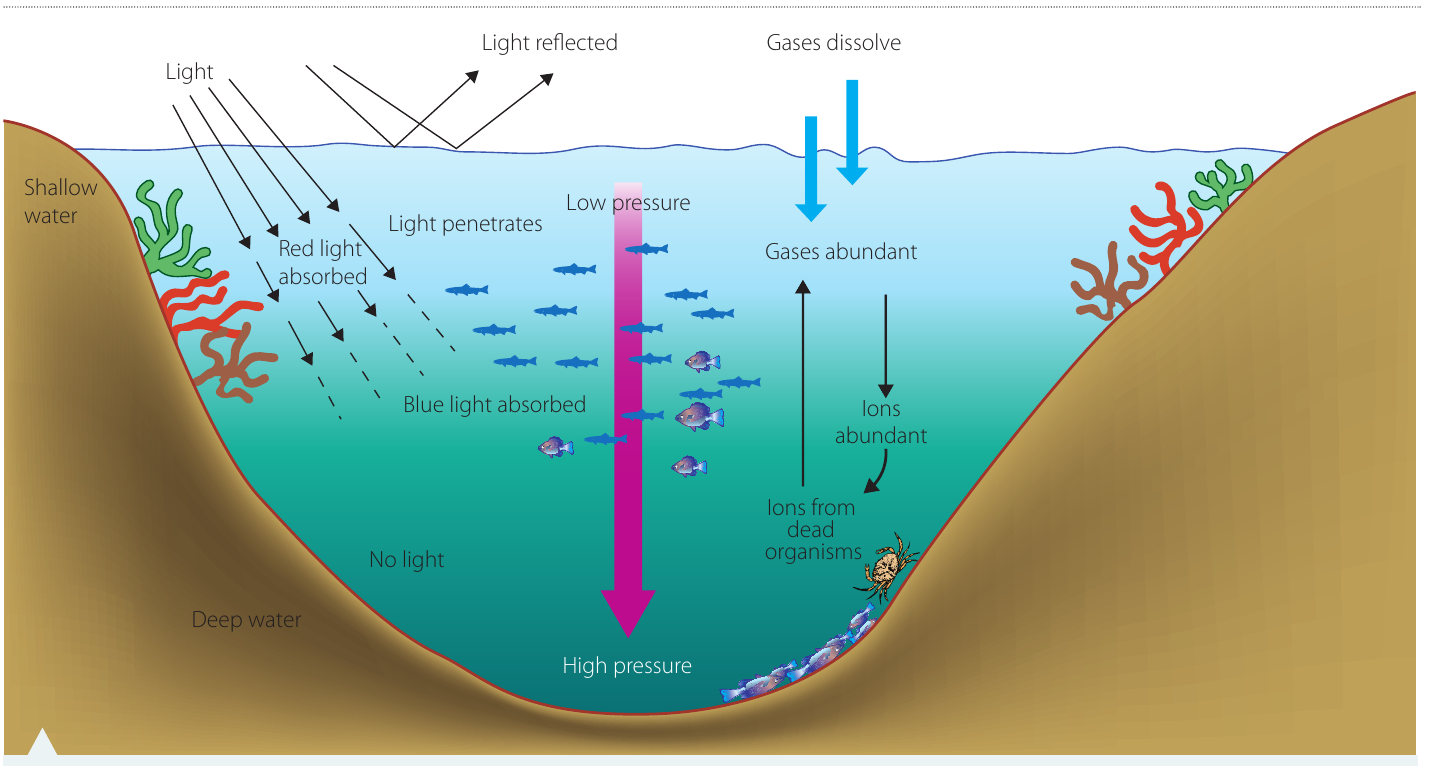
Based on these differences in abiotic factors, ocean food chains are divided into two main groups:
- Superficial pelagic communities - free-swimming and floating organisms in surface waters
- Benthic communities - organisms living in the deep ocean
Each community has evolved unique physical features and behaviours suited to their specific abiotic conditions. For example, saltwater fish possess behavioural and physiological adaptations that enable them to manage the high salt load in their environment.
Important
Exam tip: When describing abiotic factors in aquatic ecosystems, always consider depth as a key variable affecting light, temperature, pressure, and gas concentrations.
Impacts of biotic factors in ecosystems
Living organisms affect each other both directly and indirectly. Direct effects include predation and symbiosis, while indirect effects occur through competition for resources. These resources may include food sources, mates, light, nutrients and water.
When different species interact, the effect on each species may be positive (+), negative (−), or neutral (0). The simplest community interactions include:
- Predation
- Competition
- Symbiosis (mutualism, commensalism and parasitism)
Predation
A predator-prey relationship is a feeding interaction where the predator obtains food by killing and eating another animal (the prey). Predators exist in both aquatic and terrestrial ecosystems.
Example
Examples of Predation in Different Ecosystems:
- Spiders trapping and eating flies in webs
- Blue-tongued lizards (Tiliqua scincoides) killing and eating beetles and snails
- Killer whales (Orcinus orca) feeding on seabirds, turtles, octopus and fish
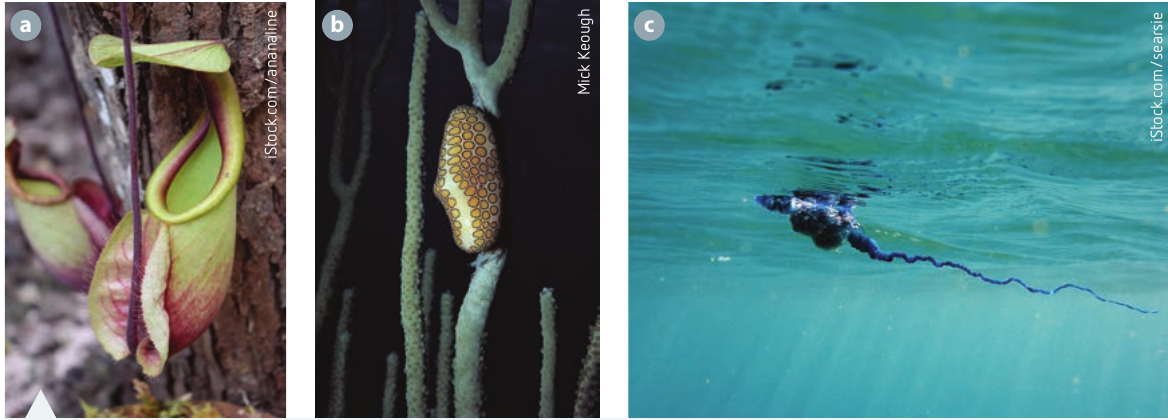
Carnivorous plants such as the Venus flytrap (Dionaea muscipula) and pitcher plants (Nepenthes species) supplement their diet with invertebrates like insects. This adaptation allows them to survive in poorly structured soils with low nutrient availability.
Competition
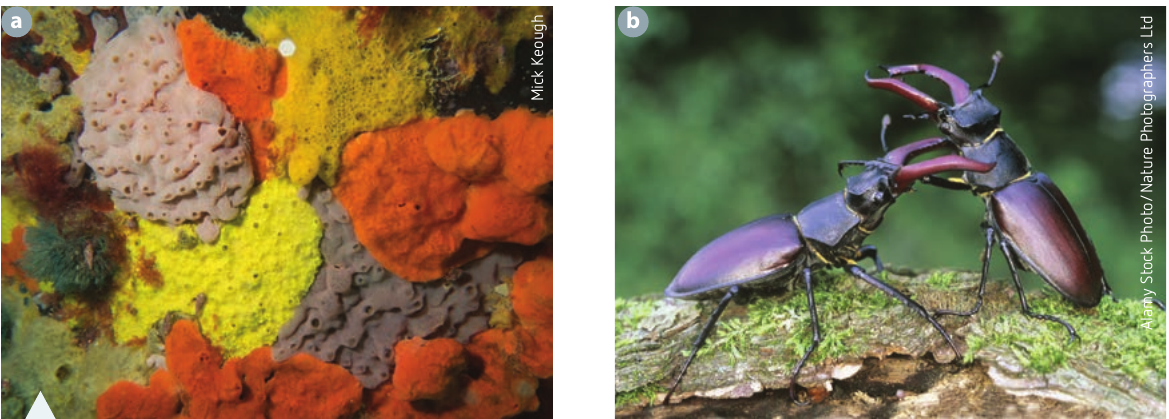
Competition occurs when two or more organisms require one or more of the same resources, such as food, shelter or mates. Competition usually involves resources that are limited in supply but valuable for survival. All competition involves risk, and the potential rewards must outweigh these risks.
Species may compete directly through aggression or physical interaction, or indirectly through vocalisation or scent marking.
Types of competition
Competition can be classified as:
- Intraspecific competition - competition between members of the same species
- Interspecific competition - competition between members of different species
Important
Intraspecific competition is usually more intense because organisms of the same species have very similar resource requirements. Their niches (ecological roles) overlap significantly. For example, male red kangaroos fight each other for female reproductive partners.
Interspecific competition may lead to evolutionary changes in one species in response to selection pressure from the competing species. For instance, introduced and native plants may compete for water and nutrients, potentially causing shifts in the niche occupied by native species.
Plant competition and allelopathy
Individual plants compete for various resources including:
- Soil nutrients
- Water
- Space
- Access to sunlight
Some plants are better competitors in certain parts of ecosystems and may exclude competitors from those areas.
Allelopathy is the production of specific biochemical compounds by one plant that can benefit or harm another plant. Allelochemicals produced by a plant are released into the environment and subsequently influence the growth and development of surrounding plants. This mechanism helps a plant maintain its space by keeping other plants away. Fewer neighbouring plants means more water available for absorption, more soil for root support and stability, and more sunlight for photosynthesis.
Note
Different types of allelopathy include:
- Release of growth-inhibiting compounds from roots into soil, preventing germination or growth of nearby plants
- Release of chemicals that slow or stop respiration or photosynthesis
- Inhibition of nutrient uptake
- Alteration of chlorophyll levels in other plants, reducing their ability to produce food
Allelopathic chemicals can be present in any plant part, including roots, stems, flowers, fruits and leaves.
Example
Examples of Allelopathy in Nature:
-
Black walnut plants release a chemical that inhibits respiration in other plants. This chemical is concentrated in buds and roots. Affected plants show wilting, yellowing foliage and eventually die.
-
Sorghum species (cereal grasses) release chemicals in root exudates that disrupt mitochondrial function and inhibit photosynthesis. These chemicals are being researched as natural weed suppressants.
-
Eucalyptus leaf litter and root exudates are allelopathic to certain soil microbes and plant species. Some pine trees also exhibit allelopathy - decomposing needles release acid into soil, inhibiting growth of other plants nearby.
Understanding allelopathy can lead to more environmentally sustainable weed control methods. Instead of using herbicides, we could select plants that naturally produce chemicals against specific unwanted species.
Animal competition
Animals compete for various resources within ecosystems:
- Mates (from the same species)
- Food
- Shelter or hiding places to avoid predators
- Shelter for defending territory or protecting young
- Nest sites
Animals possess various defence mechanisms used in both intraspecific and interspecific competition:
- Attack using teeth, claws, stingers or chemical means
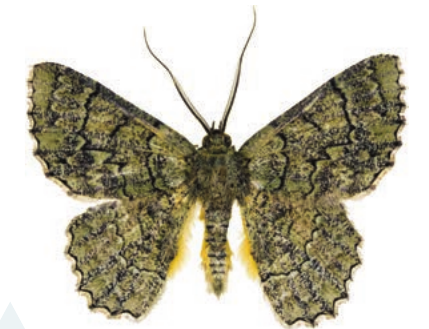
- Camouflage to hide (e.g., phasmids blend with their surroundings)
- Mimicry to resemble dangerous or unpalatable species
- Warning colouration using bright colours like spots or stripes to advertise toxicity or unpalatability
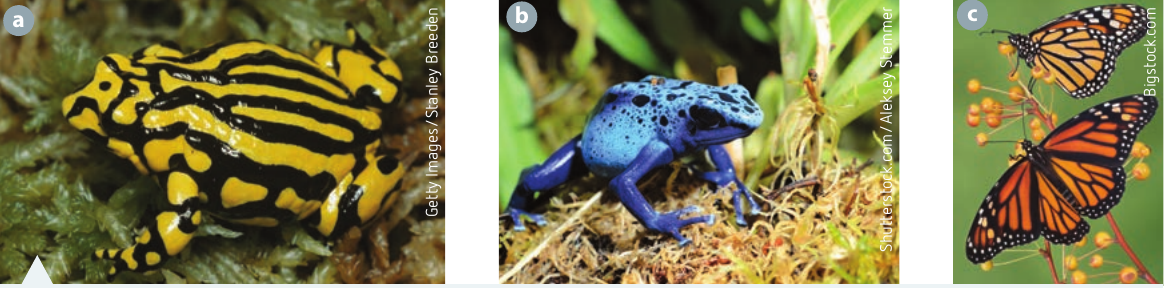
Noxious or unpalatable species, such as certain frogs and butterflies, use warning colouration to deter potential predators.
Symbiotic relationships
Symbiosis describes interactions where two organisms live together in a close relationship that benefits at least one of them. Symbiosis typically involves providing protection, food, cleaning or transportation.
When one or both species entirely rely on the other for survival, the relationship is obligate. For example, lichen consists of multiple fungal species and algae or cyanobacteria that completely depend on each other. The fungi benefit from nutrients provided through photosynthesis, whilst the algae and cyanobacteria benefit from protection by fungal filaments.
When organisms can live independently but interact for mutual benefit, the relationship is facultative. For instance, aphids and ants are not essential to each other's survival, but ants protect aphids from predators whilst the sugary fluid aphids produce serves as food for ants.
Important
There are three types of symbiotic interactions:
- Mutualism - both species benefit from the association (+/+)
- Commensalism - one species benefits whilst the other is unaffected (neither harmed nor helped) (+/0)
- Parasitism - one species benefits whilst the other suffers (usually) non-lethal damage (+/−)
Mutualism
Mutualism is an interspecific interaction where both species benefit from their association.
Example
Example 1: Corals and algae
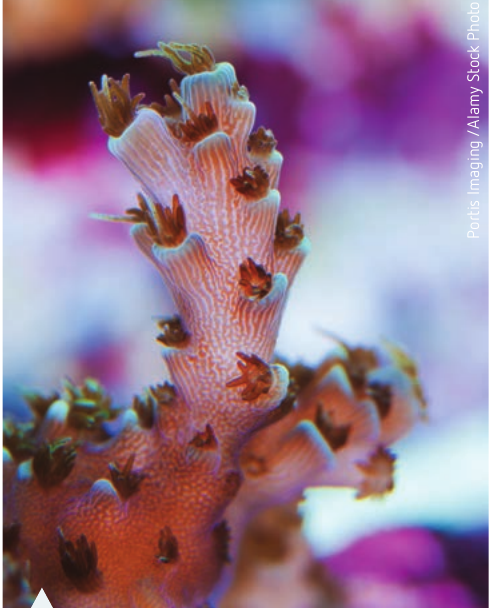
Reef-building corals contain symbiotic algae within their tissues. These algae provide the yellow-brown pigments that give corals their colour. The algae live, reproduce and photosynthesise in the host coral, using the coral's waste products. In return, the coral uses oxygen and food produced by algae during photosynthesis to grow, reproduce and form its hard skeleton, which forms the basis of coral reefs. The formation of the Great Barrier Reef depends entirely on this mutualistic relationship.
When corals experience stress (such as murky water or increased sea temperatures), they expel the algae. This causes the corals to starve, leaving behind white skeletons in a process called coral bleaching.
Example
Example 2: Sea anemone and anemone fish
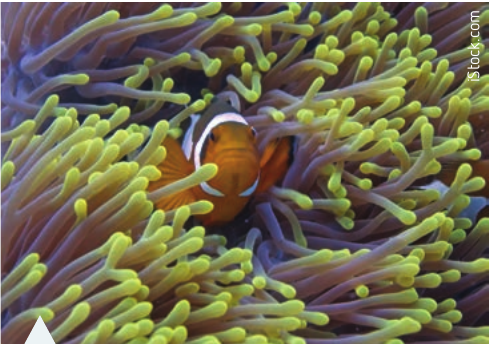
The relationship between sea anemones and anemone fish (clown fish) was initially thought to benefit only the fish. However, recent studies suggest both organisms benefit. The anemone fish repeatedly brushes against the anemone's tentacles until its mucus coating prevents the anemone's sting. Protected from predators by hiding in the tentacles, the fish feeds on the anemone's food scraps. The anemone benefits as the fish cleans it and lures other animals into its tentacles.
Example
Example 3: Nitrogen-fixing bacteria and legumes
Specialised nitrogen-fixing bacteria (rhizobia) live in root nodules of legumes such as clovers, peas and beans. Plants cannot directly use atmospheric nitrogen () for growth. The bacteria convert this nitrogen into ammonia (), which other bacteria subsequently convert to nitrates. This allows these plants to grow in nitrogen-poor soils. In return, plant roots provide a stable, protective environment for the bacteria.
Commensalism
Commensalism describes situations where one species benefits whilst the other is neither harmed nor helped. This relationship is less obvious in nature than other interactions because the effects are not immediately apparent.
Example
Example 1: Epiphytes
Epiphytes such as mosses, small ferns and orchids grow on tree trunks in moist forests. They benefit by catching rainwater to dissolve nutrients and by being closer to sunlight. Epiphytes do not appear to negatively affect the host tree.
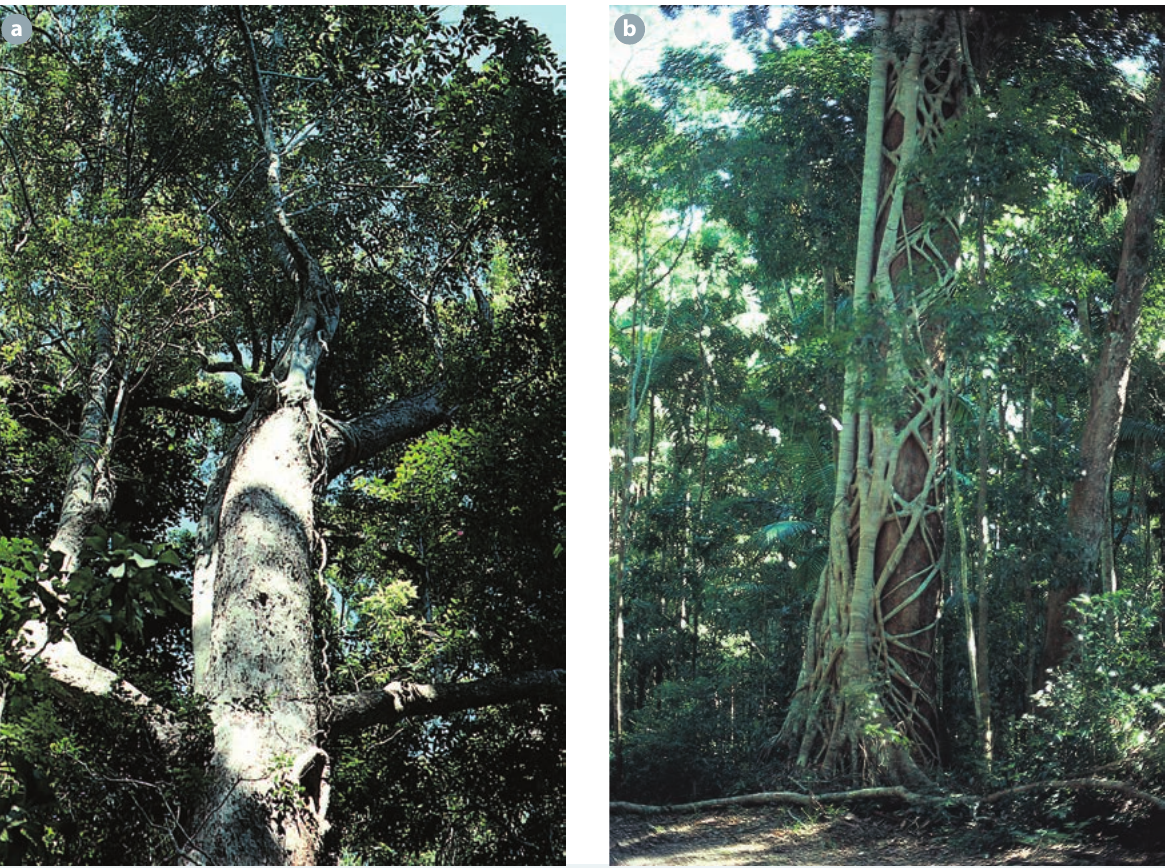
The strangler fig begins life as an epiphyte. Seeds germinate from bird droppings on host trees and young figs start growing. Initially, the fig benefits whilst the host is unaffected. However, as the fig grows and extends roots down to the soil, it envelops its host and prevents trunk growth. The relationship changes from commensalism to competition for space.
Example
Example 2: Barnacles on whales
Barnacles are crustaceans that normally adhere to fixed surfaces. However, some barnacles attach to whale and turtle surfaces. This does not affect the whales or turtles but benefits the barnacles, as they are transported to diverse areas rich in plankton food.
Parasitism
Parasitism is a relationship where one species benefits whilst the other is harmed. A parasite obtains shelter from the host organism whilst feeding on its tissues or fluids. Parasites are often smaller than their hosts and may live externally or internally.
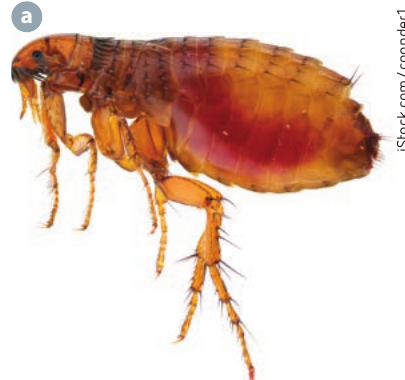
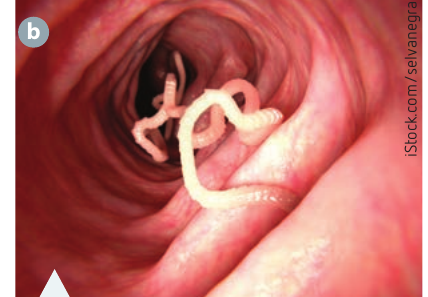
Ectoparasites live on the host's surface (e.g., ticks, fleas, lice). Endoparasites live inside the host in locations such as the gut, blood vessels, or other tissues like the liver, brain, kidney and spleen (e.g., tapeworm, roundworm, heartworm, malarial protozoa).
Note
Macroparasites are visible to the naked eye, whilst microparasites require microscopic observation. Parasitic plants such as mistletoe attach to and penetrate tree or shrub branches, absorbing water and nutrients from their plant hosts.
Some parasites always kill their host (parasitoid species), but most do not because this would destroy their food supply. Competing selection pressures between hosts and parasites mean that most domestic and wild animals live with a low parasite burden. Recent research suggests some endoparasites suppress their host's immune response to certain antigens, including allergens. This may benefit treatment of some human diseases.
Ecological niches occupied by species
The part of an ecosystem that an organism occupies is called a niche. A niche refers to all the resources a species uses, including both biotic and abiotic factors.
Example
Example: A koala's niche includes:
- Time of day when most active or sedentary
- Numbers and types of leaves eaten
- Type and sizes of trees inhabited
- Other species it interacts with
An organism's habitat refers to the location where the species is found. If the habitat is a species' workplace, the niche is its job.
Example
Example: Birds in the same habitat occupying different niches
A noisy miner bird living in your suburb hunts for insects among garden plants, building nests on acacia tree branches using grass and small sticks. In the same area, a galah eats seeds mostly from the ground and nests in eucalypt tree hollows lined with leaves. Both birds occupy the same habitat but have different food sources and nesting strategies - they occupy different niches.
The competitive exclusion principle
Important
No two species can occupy exactly the same niche. This is known as the competitive exclusion principle.
Fundamental versus realised niche
The fundamental niche (or potential niche) is the niche an organism would occupy if there were no competitors, predators or parasites. Because these factors exist, organisms usually occupy a realised niche due to restrictions placed on them by other organisms.
Note
For example, abiotic factors would allow koalas to have widespread distribution along Australia's east coast. However, this distribution is not realised due to predation by dogs and cats, impacts of disease, fires and drought.
Resource partitioning
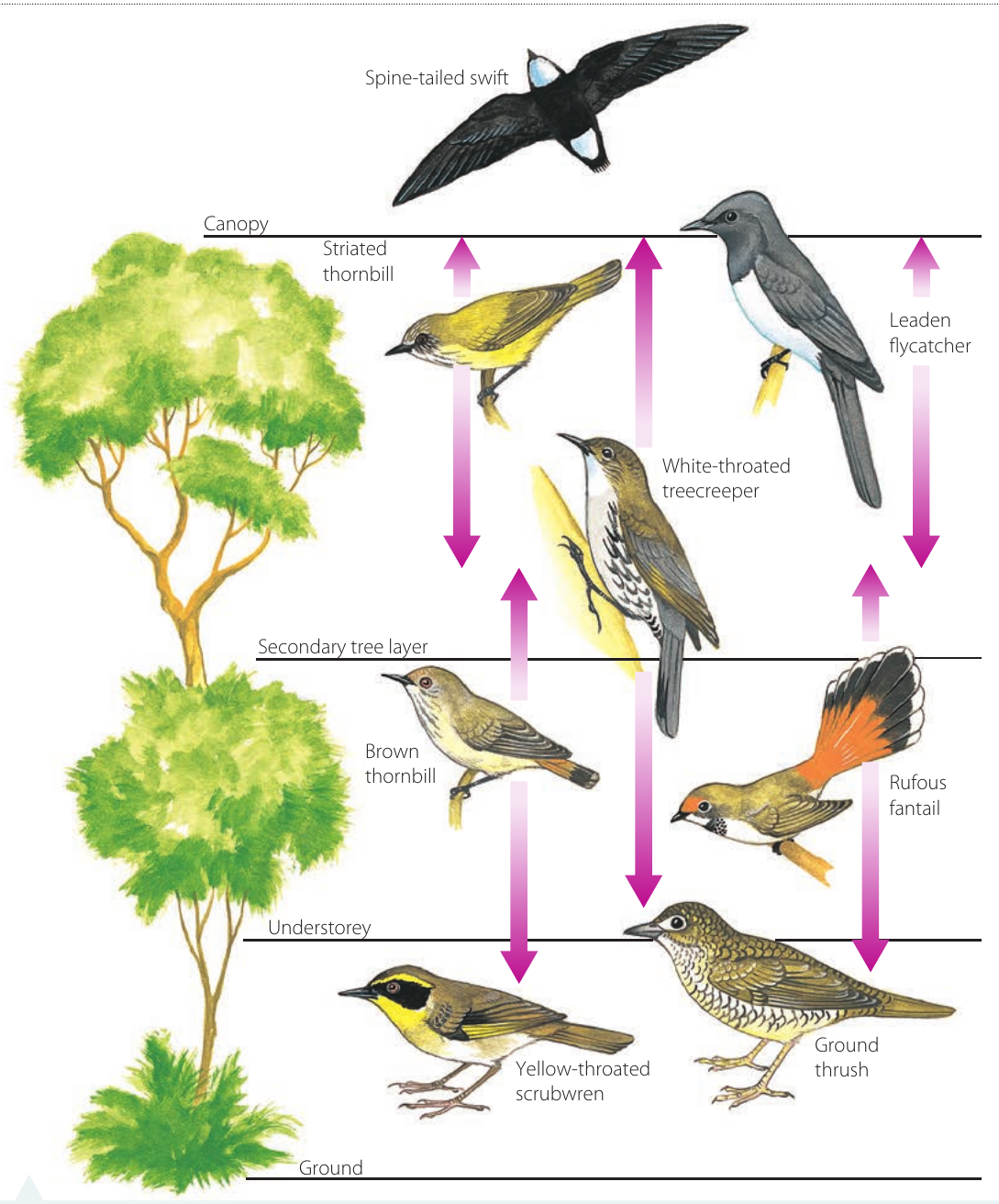
Species often partition resources based on time and location. Different bird species in a forest may hunt for insects at different times of day or night, or simply hunt at different heights in the canopy.
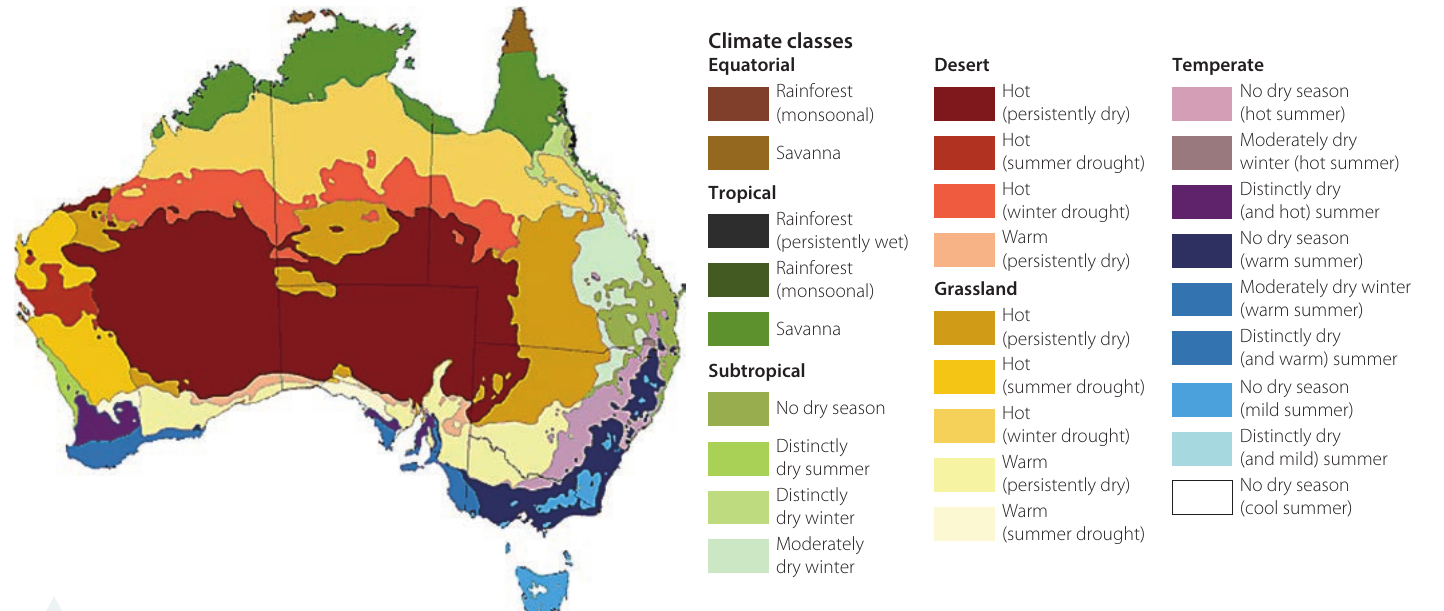
Biodiversity and climate
A variety of niches are possible where there is diversity of biotic and abiotic factors in an area. Australia is a large continent spanning a wide range of climatic conditions, making it potentially extremely biodiverse.
Predicting consequences for populations in ecosystems
Scientists use models such as graphs to visualise trends and make predictions about the future.
Consequences of predation
Predators affect the distribution and abundance of their prey, providing natural population control. If prey species can reproduce as fast as they are predated, their population remains stable.
In natural communities, predator and prey abundances often fluctuate through time, with predator numbers following prey numbers with a time lag. When prey are abundant, predator populations increase. As prey are consumed and their numbers decline, food shortage causes predator populations to also decline. This creates cyclical fluctuations.
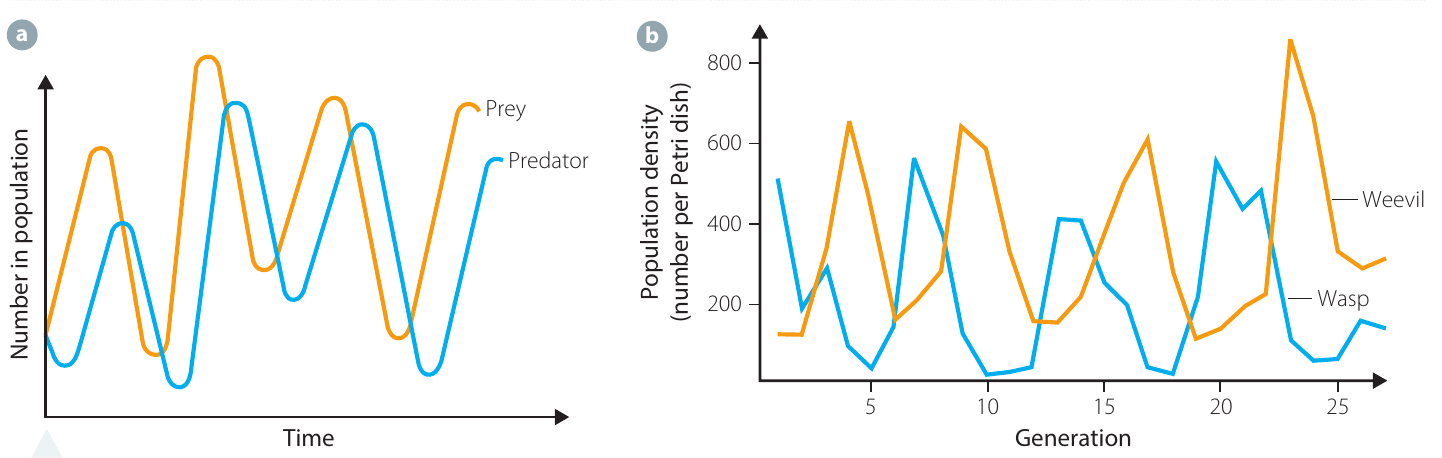
The table below shows population data for wedge-tailed eagles and native rats:
| Year | Wedge-tailed eagles | Native rats |
|---|---|---|
| 2017 | 33 | 800 |
| 2016 | 46 | 3500 |
| 2015 | 100 | 1500 |
| 2014 | 48 | 550 |
| 2013 | 24 | 5000 |
| 2012 | 23 | 4500 |
| 2011 | 109 | 2800 |
| 2010 | 50 | 550 |
| 2009 | 36 | 1500 |
| 2008 | 64 | 4000 |
Note
Several factors affect predator and prey population numbers:
- Number of predators competing for the same prey
- Availability of the prey's food
- Reproduction rate, depending on:
- Age of reproductive maturity
- Number of reproductive episodes per lifetime
- Fertility (likelihood of fertilisation at a reproductive episode/mating)
- Fecundity (number of offspring per reproductive episode/mating)
- Death rate (increased by disease exposure, reduced resource availability)
- Ratio of males to females
- Size of ecosystem for supporting populations
- Movement between ecosystems
- Number of shelter sites available
Consequences of competition
Competition between species for resources affects reproduction and survival rates. Population fluctuations can be directly linked to competing species and their resources. If the resource is a common food source, as food becomes more available, the abundance of both species increases. As food decreases, both competing species may decline.
Some species are more successful competitors than others. In the $1950$s, LC Birch conducted experiments observing population sizes of two grain beetle species. When species shared the same environment, one species was always driven to very low numbers, died out completely, or became extinct. Individuals of the less successful species were out-competed for food by the eventually dominant species. Interestingly, Birch (in $1953$) could reverse this outcome simply by adjusting environmental temperature.
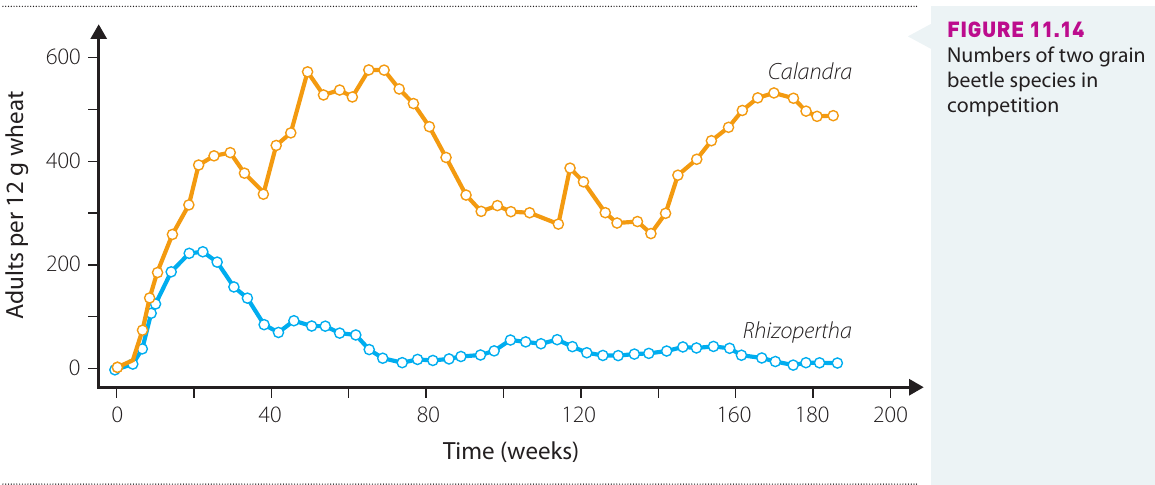
In $1934$, GF Gause and colleagues used two Paramecium species (single-celled protozoans) to model competition and its effects. When P. aurelia and P. caudatum were grown separately, both grew well. When placed together, P. aurelia drove P. caudatum to extinction by successfully competing for nutrients and producing a toxin that killed P. caudatum.
Important
Short-term effects of competition:
When two species compete for a resource, the short-term effect is decreased population numbers of one or both species. Usually one species is more successful, experiencing less significant population decline (due to fewer deaths and maintained reproduction rates).
Important
Long-term effects of competition:
Depending on continued success of one species over another, trends may continue. However, depending on resource supply, the ability of the 'losing' species to adapt by occupying a different niche, or other environmental factors (such as temperature), trends may change or reverse. If one species continues successfully out-competing another, long periods of decreased reproduction and increased deaths will eventually lead to elimination of the 'losing' species in that area, potentially leading to extinction.
Consequences of symbiosis
Symbiosis has profound consequences for all life on Earth. Scientists recognise symbiosis contributes to:
- Increased evolutionary diversification - biodiversity
- Development of new species from genetic material integration (symbiogenesis)
- Sources of new capabilities for organisms, enhancing evolutionary 'fitness'
Symbiosis allows increased biodiversity and therefore more resilient ecosystems. For example, coral reefs are only possible because corals (animals) have symbiotic relationships with photosynthetic algae. Coral reefs provide unique environments for fish and marine invertebrates. This is an example of ecosystem biodiversity.
Note
When eukaryotic organisms first evolved on early Earth, they lacked capacity for aerobic respiration. This was acquired through symbiosis with primitive mitochondria-like organisms around - billion years ago. This is an example of symbiogenesis - formation of a new species by genetic incorporation of two separate species. Aerobic respiration is an important metabolic process for all eukaryotes because it allows efficient glucose breakdown to carbon dioxide with production of large amounts of chemical energy as ATP molecules.
Many legume plants (such as clovers, alfalfa) associate with nitrogen-fixing bacteria (rhizobia). Bacteria live in root nodules. Plants supply bacteria with nutritional requirements (sugar from photosynthesis), and bacteria supply plants with nitrogen by capturing atmospheric nitrogen gas (nitrogen fixation) and converting it to useful ammonia (). Plants use this ammonia to manufacture amino acids, proteins, nucleic acids and other nitrogen-containing compounds. Some rhizobia have developed ability to 'cheat' plants by acquiring sugar without returning nitrogen fixation. In this case, the relationship becomes parasitic.
Therefore, symbiosis has many important consequences for maintaining biodiversity of life on Earth. Novel associations between living things create new opportunities to exploit ecosystem resources.
Consequences of disease
Disease is any process that adversely affects normal tissue functioning in a living organism. This includes infectious and non-infectious causes. In wild ecosystems, the greatest threats are generally infectious diseases.
There is usually a pool of disease-causing agents or pathogens (such as viruses, fungi and bacteria) already present in the environment. For a disease outbreak to occur, the pathogen must be introduced into a new host population from where disease spreads through direct or indirect means, or it must be given selective advantage by changes in abiotic or biotic conditions.
Important
Human-induced changes such as climate change, deforestation, water and soil degradation may contribute to disease outbreaks. This may lead to:
- Increased breeding sites for vectors (organisms that transmit pathogens)
- Invasion of an ecosystem by a new pathogen or vector
- Changes in resistant populations due to antibiotic and pesticide use (herbicides, insecticides, fungicides)
- Lowered disease resistance in species due to environmental changes
Simple changes in environmental factors causing stress can compromise an organism's barriers to pathogen invasion. Loss of habitat with overcrowding is a major factor in many disease outbreaks.
The effect of emerging disease on an ecosystem is to alter food web balance, sometimes dramatically. Affected species suffer population declines, with consequences for both their prey and predators. Any disease process emerging in the environment may have dire consequences for human populations. There is an intersection between human health and environmental health.
Case study: devil facial tumour disease (DFTD)
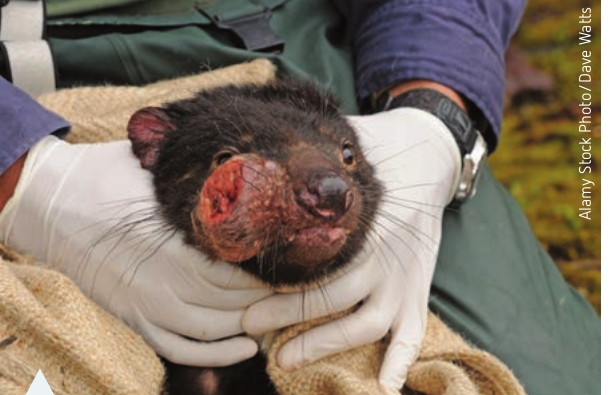
Devil facial tumour disease (DFTD) is a clonally transmissible cancer (cancer cells that can be transmitted between animals) that has spread throughout wild Tasmanian devil (Sarcophilus harrisii) populations. It is highly contagious, transmitted through social interactions as Tasmanian devils commonly bite each other around the face during fighting.
When an infected animal bites, it transmits cancer cells into the wound. Unfortunately, the animal's body recognises these tumour cells as 'self' and does not mount an immune response. DFTD is fatal within months of transmission, although some animals reportedly recover (some were subsequently reinfected). Lesions (damaged body regions) typically consist of large, ulcerated tumours around eyes and mouth. The animal's ability to see and find food are severely impaired.
Important
There is a possibility that Tasmanian devils will be extinct in the wild within years. In , the Tasmanian devil was listed as endangered. At the time of writing, several reports describe successful DFTD treatment using immunotherapy with modified DFTD cells.
The Save the Tasmanian Devil Program was established in to coordinate a response to save the species. The response involved:
- Gathering data on population distributions, breeding patterns and devil numbers
- Mapping disease distribution
- Retrieving unaffected devils from the wild to establish a genetically diverse 'insurance population' free from disease. These animals will enable re-establishment of wild populations in the event of total wild extinction
- Managing ecological impacts of reduced devil populations. Tasmanian devils suppress numbers of feral cats, foxes and other introduced carnivores. Cat population increases can cause increased predation of native birds and small mammals. Cats carry infectious protozoal disease Toxoplasmosis, representing danger to native mammals, farm animals and pregnant women
- Research into vaccine possibility. Vaccine work is progressing well but not yet finalised
Remember!
Summary
Key Points to Remember:
- Ecosystems consist of living (biotic) and non-living (abiotic) factors interacting together
- Abiotic factors (temperature, pressure, light, water, nutrients) are unevenly distributed throughout ecosystems, affecting organism distribution and abundance
- Biotic factors include all living organisms that interact through predation, competition and symbiosis
- Predation is a feeding relationship where predators kill and eat prey, causing population fluctuations that cycle over time
- Competition (intraspecific or interspecific) occurs when organisms require the same limited resources, potentially leading to population decline or local extinction
- Symbiosis includes mutualism (+/+), commensalism (+/0) and parasitism (+/−), contributing to biodiversity and ecosystem resilience
- A niche is the role an organism plays in an ecosystem, including all resources it uses - no two species can occupy exactly the same niche (competitive exclusion principle)
- Disease outbreaks can dramatically alter ecosystem balance by affecting population numbers and food web interactions