Combustion Reactions (HSC SSCE Chemistry): Revision Notes
📚Revision Notes
Combustion Reactions
What are combustion reactions?
A combustion reaction occurs when a substance burns in oxygen (or air) at temperatures significantly higher than room temperature. These reactions involve elements or compounds combining rapidly with oxygen, releasing energy as heat and light.
One striking example is the combustion of magnesium metal. When silvery magnesium burns, it produces an extremely bright white flame and forms a white powdered product called magnesium oxide:
A more familiar example is the burning of methane, which is the main component of natural gas. You can observe this reaction on a kitchen stove, where methane burns with a blue flame to produce carbon dioxide and water:
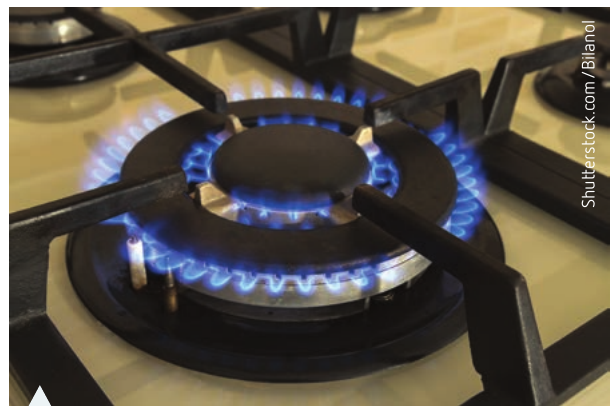
Another everyday example is a burning candle. The wax, which is a compound containing carbon and hydrogen atoms, undergoes combustion to produce similar products.
Note
Hydrocarbons are compounds made only of carbon and hydrogen. Common examples include petrol, diesel, kerosene, propane, and methane. These substances are widely used as fuels because they release substantial energy when they combust.
The self-sustaining nature of combustion
Most combustible substances need an initial energy input to begin burning. This energy can be provided in several ways:
- Heating a portion of the substance (such as lighting coal)
- Creating a spark in a fuel-air mixture (as in a car engine)
- Using a match or gas lighter (for barbecues or stoves)
Although a few substances, like sodium metal and white phosphorus, burst into flames spontaneously when exposed to oxygen in the air, most combustion reactions require this initial "push" to get started.
Important
Once a combustion reaction begins, it becomes self-sustaining. This means the reaction generates enough heat energy to ignite more of the fuel, allowing the reaction to continue without additional energy input. The heat released by the burning material is sufficient to maintain the combustion process.
For example, when you light a home barbecue fuelled by liquid petroleum gas (LPG), which is mainly propane (), you need a spark or flame to start the reaction. Once begun, the reaction continues on its own:
Complete combustion of hydrocarbons
Complete combustion occurs when a hydrocarbon burns with a sufficient supply of oxygen. Under these conditions, all the carbon atoms in the fuel are converted to carbon dioxide (), and all the hydrogen atoms form water ().
Note
The general pattern for complete combustion of hydrocarbons is:
Hydrocarbon + Oxygen → Carbon dioxide + Water
This is the ideal form of combustion because it:
- Releases the maximum amount of energy from the fuel
- Produces relatively harmless products (compared to incomplete combustion)
- Occurs when there is plenty of air circulation
When methane burns completely on a kitchen stove with adequate air supply, the products are only carbon dioxide and water vapour. Similarly, when propane burns completely in a barbecue with good ventilation, it produces only these two products.
Incomplete combustion
Incomplete combustion happens when the oxygen supply is limited or insufficient. Under these conditions, the carbon in the fuel cannot be fully oxidised to carbon dioxide. Instead, some alternative products form:
- Carbon monoxide () - a toxic, colourless, odourless gas
- Soot (solid carbon, ) - black particles that create smoke
Important
Incomplete combustion is dangerous because carbon monoxide is highly poisonous. It binds to haemoglobin in blood, preventing oxygen transport around the body.
For propane, incomplete combustion can occur in two ways:
Producing carbon monoxide:
Producing solid carbon (soot):
Notice that incomplete combustion requires less oxygen than complete combustion. The presence of a yellow or orange flame, rather than a blue flame, often indicates incomplete combustion and soot production. This is why proper ventilation is essential when using gas appliances.
Balancing combustion equations
Writing balanced equations for combustion reactions requires a systematic approach. Let's examine the complete combustion of octane (), which is a constituent of petrol.
Example
Worked Example: Balancing the Combustion of Octane
Step 1: Write a word equation identifying the reactants and products:
Octane + Oxygen → Carbon dioxide + Water
Step 2: Convert to a chemical equation using correct formulae:
Step 3: Balance carbon and hydrogen first (these elements appear in only one place on each side):
We need 8 carbon dioxide molecules for the 8 carbon atoms, and 9 water molecules for the 18 hydrogen atoms.
Step 4: Count oxygen atoms on the right side:
- From : oxygen atoms
- From : oxygen atoms
- Total: oxygen atoms
Step 5: We cannot get 25 oxygen atoms from molecules using a whole number coefficient (25 is odd, but provides oxygen in pairs). To solve this, double everything:
Step 6: Count oxygen atoms again on the right:
- From : oxygen atoms
- From : oxygen atoms
- Total: oxygen atoms
Step 7: Balance oxygen on the left by using 25 molecules of :
Step 8: Add state symbols for the final balanced equation:
Note: Octane is normally a liquid at room temperature, so would also be acceptable for octane. However, in a car engine where it burns, it is vaporised and exists as a gas.
Note
Key tips for balancing combustion equations:
- Always balance carbon first, then hydrogen, then oxygen last
- Oxygen is balanced last because it appears in multiple products
- Don't worry about using large coefficients or doubling everything if needed to avoid fractions
- Always check your final answer by counting atoms on both sides
Remember!
Summary
Key Points to Remember:
-
Combustion reactions involve substances burning in oxygen at temperatures well above room temperature, producing heat and light.
-
Complete combustion of hydrocarbons with sufficient oxygen produces only carbon dioxide and water, whilst incomplete combustion with limited oxygen produces carbon monoxide and/or soot, which are harmful products.
-
Combustion reactions are self-sustaining - once started with an initial energy input (spark, match, or heating), they generate enough heat to continue burning without further assistance.
-
When balancing combustion equations, follow the CHO sequence: balance carbon atoms first, then hydrogen atoms, then oxygen atoms last, as oxygen appears in multiple products.
-
Safety consideration: Always ensure adequate ventilation when burning fuels to prevent incomplete combustion and the dangerous build-up of carbon monoxide gas.