The Nazi Regime to 1939 (HSC SSCE Modern History): Revision Notes
📚Revision Notes
The Rise of the Nazis and Hitler & the Collapse of the Weimar Republic
Introduction
The period between 1919 and 1939 witnessed one of the most dramatic political transformations in modern history. Germany experienced the failure of democracy and the rise of fascism under Adolf Hitler and the Nazi Party. Understanding how this happened is crucial for recognising how democratic freedoms can be destroyed and totalitarian states can emerge.
The early Nazi Party
Origins of the German Workers' Party
In 1919, amid post-war chaos and political uncertainty, Anton Drexler founded the German Workers' Party (Deutsche Arbeiterpartei or DAP). This was not truly a political party at first, but rather a platform for complaining about the new Weimar Republic. The party held meetings in a beer hall in Munich and was initially viewed as little more than a glorified debating society.
Hitler's entry into politics
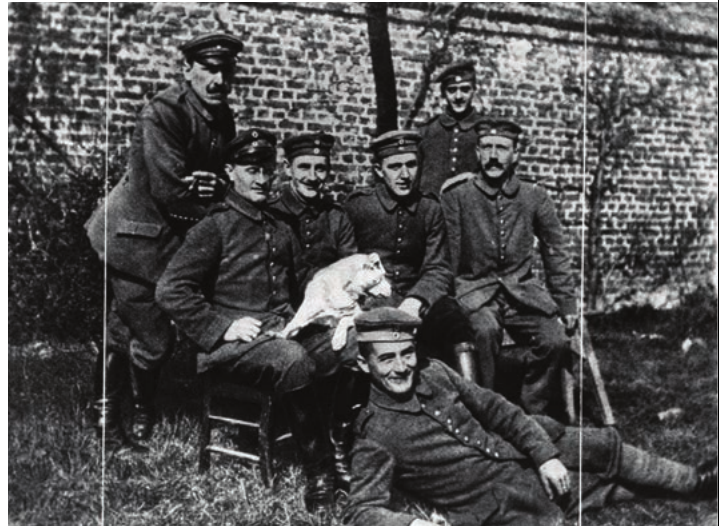
The German Army sent a young corporal named Adolf Hitler to monitor a DAP meeting. Despite being unimpressed initially, Hitler recognised the party's potential and decided to join. Nothing in Hitler's background suggested he would become a masterful politician:
- Born in Austria and mostly raised there (with a brief period in Passau, Germany)
- At age 18, moved to Vienna to study fine art, but was rejected by the Academy of Fine Arts
- Suffered personal tragedy when his mother died of cancer in December 1907
- Remained in Vienna, pursuing interests in music and architecture
- Exposed to Vienna's anti-Semitic politics, which would profoundly influence his future ideology
- Moved to Munich in 1913
- Enlisted in the Bavarian Army at the outbreak of World War I
Note
Hitler proved to be a skilful orator and gained a reputation as a street-corner speaker. His ability to connect with audiences through powerful speeches would become one of his most dangerous political weapons.
In 1919, he established the DAP Program, which was nationalistic, anti-Semitic and anti-Marxist.
The Twenty-five-point Program
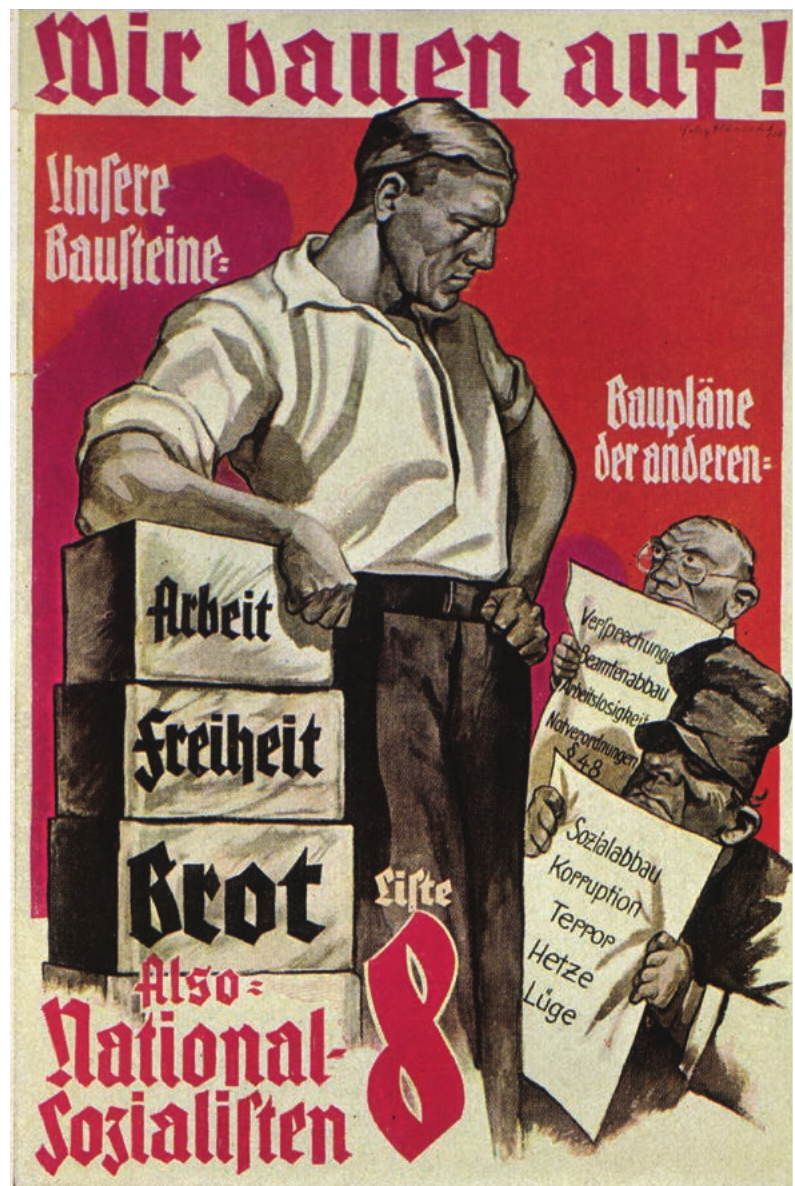
In 1920, Hitler created the Twenty-five-point Program, which outlined the Nazi Party's political philosophy and mission. This manifesto appealed to the middle class whilst also attempting to attract working-class support.
At this stage, the Nazi Party was popular only in Munich and the outskirts of Bavaria. It was not a national movement and was seen by many as a minor phenomenon on the lunatic fringes of German politics. This would change dramatically in 1923.
The 1923 occupation of the Ruhr and hyperinflation
The economic crisis
Germany experienced a catastrophic year in 1923. During World War I, the German Government had inflated the economy to pay for the war effort. Unlike Britain, France and the United States, which took a period of economic readjustment after the war, the Weimar Republic continued its wartime policy of inflation, spending money on progressive programmes such as welfare and day care centres.
By 1922, Germany still had not agreed on the total amount of reparations to be paid. The German Government tried various tactics to avoid payment, including attempting to pay Belgium and France in paper currency, which they refused to accept.
French occupation of the Ruhr
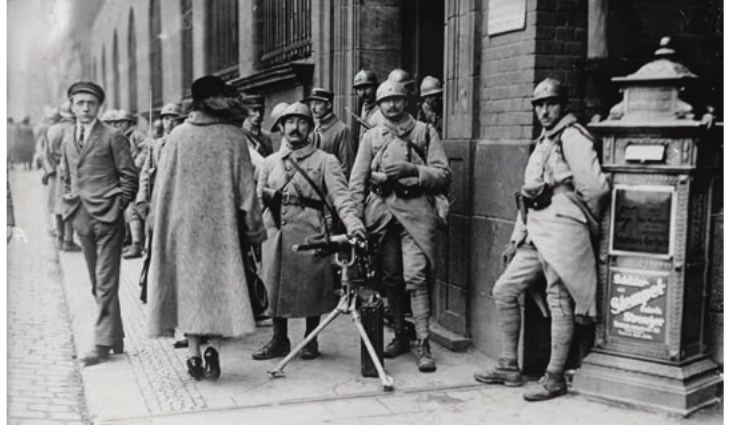
By January 1923, the French had had enough. French and Belgian troops entered the Ruhr Valley and occupied Germany's industrial heartland to extract reparations by force. The German Government responded with a policy of 'passive resistance', instructing German workers to slow down or stop work entirely whilst still receiving their salaries through government payment.
Important
This strategy backfired spectacularly. The German Government printed enormous amounts of money, causing hyperinflation of devastating proportions. This economic disaster would have profound political consequences and help fuel support for extremist parties like the Nazis.
The trauma of hyperinflation
Hyperinflation occurs when a country experiences very high and accelerating rates of inflation, rapidly devaluing the local currency. The scale of Germany's hyperinflation in 1923 is difficult to exaggerate:
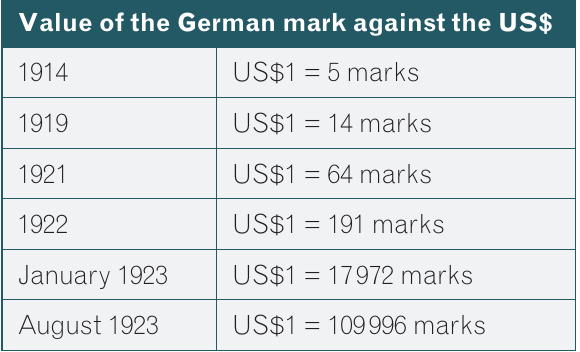
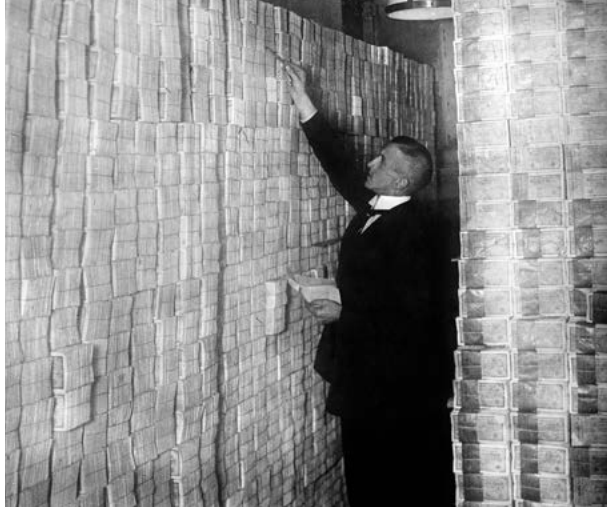
The consequences were severe:
- An egg cost 100 million marks
- Savings and fixed pensions became worthless overnight
- Workers' wages collapsed in value
- People were paid three times a day because prices rose so rapidly
- A short tram journey could cost millions of marks
- Shopkeepers refused to sell goods for marks, preferring foreign currency
Note
For the average German person, it was a nightmare. Big businesses knew how to operate during these times with access to foreign currency, but ordinary citizens suffered terribly. The middle class, who had saved money and relied on fixed incomes, were particularly devastated.
Political consequences
The political fabric of the Weimar Republic began to unravel amid the economic chaos. Political disturbances became common in major German cities, and the Army was called in to maintain order. The Republic faced fanatical enemies rather than genuine opposition - groups that refused to accept the democratic state whilst enjoying the advantages of the constitution.
The Beer Hall Putsch (November 1923)
Planning the coup
Adolf Hitler concluded that the chaotic situation presented an opportunity to act. Despite his previous reluctance to form alliances with other right-wing organisations, he now judged the time was right to consolidate the power base of the right. Hitler and the NSDAP (National Socialist German Workers' Party) joined with other right-wing groups to form the Kampfbund (battle league).
This coalition included:
- The NSDAP
- Monarchists
- Right-wing radicals
- Various other extreme groups
Hitler enlisted Eric Ludendorff, the great hero of World War I, though Ludendorff was seen as politically unstable.
The attempted revolution
On 8-9 November 1923, the Kampfbund attempted to overthrow the Bavarian Government, modelling their action on Mussolini's 1920 March on Rome. The event became known as the Beer Hall Putsch (or Munich Putsch).
The revolutionaries met in a Munich beer hall overnight. At one point, Hitler jumped on a table and fired a pistol into the ceiling to restore order. After daybreak, they marched towards the centre of Munich, past the town hall, down a narrow street towards the Feldernhalle, where they encountered an Army barricade.
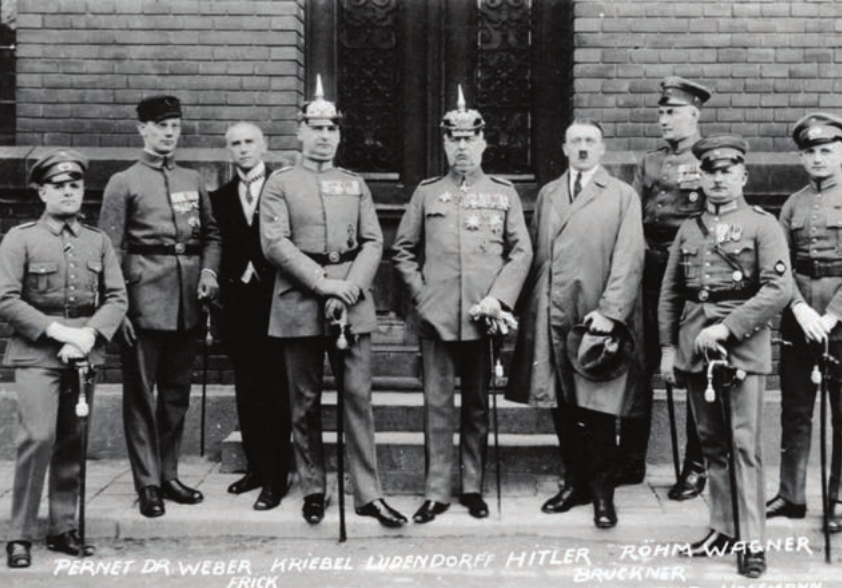
The Army ordered the marchers to stop. Hitler was in the frontline, alongside General Ludendorff in his World War I dress uniform. When the marchers refused to stop, the Army opened fire. Some marchers were killed, others wounded, and some escaped. The revolution collapsed - a complete fiasco and public relations disaster for the Kampfbund.
Turning disaster into victory
However, Hitler would transform this disaster into a political victory. The trial of the Kampfbund conspirators was held in Munich during February and March 1924. Hitler, Ludendorff and others were tried for treason (attempting to overthrow the government). All except Hitler pleaded 'not guilty'. Ludendorff was acquitted - another example of the problems caused by the Weimar Republic's failure to purge the judiciary.
Note
Hitler used the trial to demonstrate his oratorical skills. He argued that he wanted to restore the honour of the Army and hold the 'November Criminals' accountable for signing Germany over to the Allies. Even the state prosecutor praised Hitler's nationalist motives.
Hitler was convicted but received only five years' imprisonment - a significantly soft penalty for treason. The court rejected deporting him to his native Austria, despite him not being a German citizen. The leniency resulted from a mixture of sympathy for Hitler's anti-Weimar beliefs and the Bavarian Government's desire to cover up its own treasonable actions against the Berlin government.
Key lessons from the Putsch
Important
The Beer Hall Putsch marked the NSDAP's emergence from the political wilderness. It made clear to Hitler that to achieve power, he would have to do so through democratic means and gain the support of the German Army. This realisation would shape his strategy for the next decade.
The Weimar years: period of relative stability (1924-28)
Hitler in prison
Hitler was sent to a minimum-security prison where he was allowed visitors. During this time, he dictated his autobiography Mein Kampf ('My Struggle'), outlining his political agenda. His five-year sentence was reduced to one year, and he was released in December 1924.
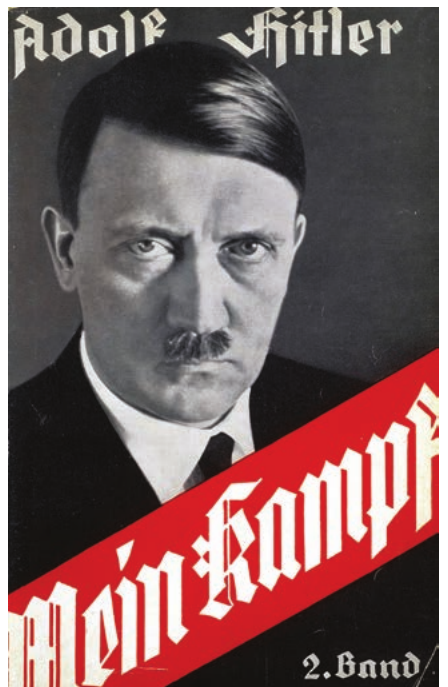
When released, people within the Nazi Party noticed Hitler had changed. He now declared himself to be der Führer ('the Leader') of the NSDAP, taking on the aura of a mystical leader.
Rebuilding the party
The Party was banned in 1924 but fought in elections under another name, achieving poor results in both May and December 1924. This was partly due to factionalism within the NSDAP, with senior members lacking direction. Eventually, the Party accepted Hitler as the ultimate authority.
Following his release from prison in 1925, Hitler attempted to reinvigorate the Party. His goals were organisation and propaganda. He preferred to remain above ideological conflict, staying vague on specific policies whilst allowing his lieutenants to debate amongst themselves. His main interest was cementing his position as Führer.
Important
Hitler argued that since the Party had failed to overthrow the government by force, they must now follow the path of 'legitimacy'. The Party would enter parliament - not because they believed in democracy, but because they wanted to destroy it from within.
The propaganda network
Hitler envisioned propaganda cells existing across Germany, with mechanisms in every town, city and region. Party affiliates would go into pubs, barber shops and beauty parlours to listen to what people said, reporting back to Nazi headquarters in Munich. This was essentially a survey research system designed to understand what made various groups (farmers, civil servants, white-collar workers) unhappy.
However, this propaganda network was not immediately successful. The Party lacked money, lines of communication were poor, and activities were not well synchronised.
Economic recovery
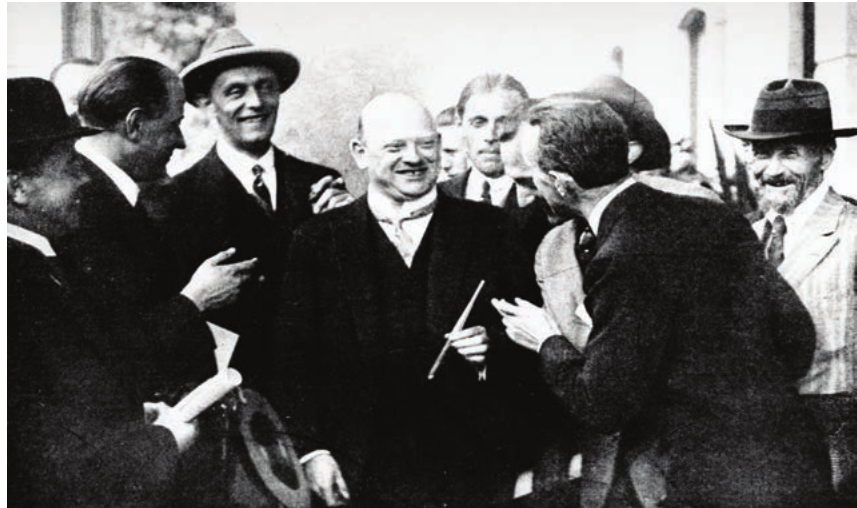
Economically, the period 1924-28 was one of relative recovery, stability and tranquillity, known as the German 'Golden Twenties'. Germany accepted the Dawes Plan, under which:
- Reparations payments were reduced
- The United States invested heavily in Germany
- Germany could get its economic house in order
- Germany was readmitted to the League of Nations
- Various international agreements were signed
Note
However, significant economic problems lay beneath the surface, as Germany relied heavily on short-term US loans. This dependence would prove disastrous when the American economy collapsed in 1929.
Poor electoral performance
In 1928, the Party entered a national election for the first time since 1924, achieving only 2.8 per cent of the vote - a dismal result. Despite great enthusiasm and energy, the Party was going nowhere. The Nazis needed to find an issue that would thrust them into the political sphere.
In 1929-30, Dr Joseph Goebbels became head of propaganda. He believed in 'propaganda action' - finding an area with good prospects and throwing all available resources at it. He also felt rallying people in the countryside was more effective than in big cities.
However, even with this plan, the Nazis still lacked a compelling issue... until the Great Depression arrived.
The Great Depression (1929-1932)
Economic collapse
The German economy was strongly linked to that of the United States. When the Wall Street stock market collapsed in 1929, Germany was devastated:
- German industrial production dropped by 31 per cent
- Unemployment catapulted by 200 per cent
- As unemployment rose, so did the deficit
- The Coalition government collapsed in 1930
Bruning's chancellorship
Heinrich Bruning was appointed Chancellor in 1930. His solution to the crisis was to 'tighten the belt':
- Balance the budget by cutting government expenditure
- Eliminate unemployment insurance
- Cut back on Weimar social welfare programmes
- Raise taxes

Important
These deeply unpopular policies would prove catastrophic for the Weimar Republic. Rather than stimulating the economy, Bruning's deflationary policies deepened the Depression and alienated the German population.
Article 48 and emergency powers
During this period, Article 48 of the German Constitution became critically important. This article allowed the Reich President to grant Emergency Decree Powers to the Chancellor during periods of grave national crisis when the nation was at risk.
Note
President Paul von Hindenburg, elected in 1925, took his constitutional authority very seriously and was reluctant to give these powers to Bruning. Eventually, he did so, and Bruning dissolved Parliament in 1930 and called an election - a catastrophic mistake.
Nazi electoral breakthrough
All the predominantly middle-class parties that had created previous government policies were in disarray. However, the Nazi Party, having never been in power, took no responsibility for the Republic's failed policies. They played on people's dissatisfaction with the other parties.
Goebbels ran a successful propaganda campaign with centralised control. Party membership began to rise. The Party mobilised across Germany through coordinated events designed to appeal to farmers, workers and the middle class. They were the only party to appeal to people across the entire social spectrum.
Note
The September 1930 election saw the Nazi Party achieve 18.3 per cent of the vote, making them the second-biggest party in the Reichstag after the Social Democrats.
More than any other party, the NSDAP depended on the crisis for its growth. Party membership increased from 129,000 in 1930 to 849,000 by the end of January 1933. The SA reached nearly 300,000 men.
Continuing political crisis
Following the election, the Weimar Republic continued to struggle. Bruning refused to alter his unpopular policies, continuing to introduce unpopular legislation through Article 48:
- 5 pieces of legislation in 1930
- 40 in 1931
- 37 by mid-1932
This highlighted the inability of German democracy to function effectively without the emergency powers of the President.
Perpetual campaigning
The electoral success encouraged the Nazis to adopt a new tactic: 'perpetual campaigning'. Even when no elections were on the horizon, the Nazis continued campaigning as if one was coming. They appeared everywhere across Germany, making dramatic public appearances.
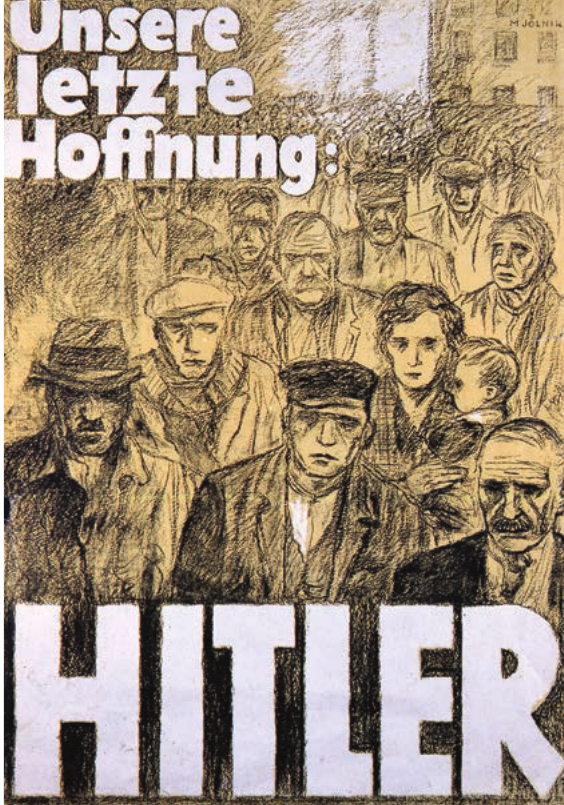
This tactic would prove very effective. The year 1932 would be the defining year in the sad and turbulent history of the Weimar Republic, with a series of elections that would see the Nazi Party become the largest party in mainstream German politics.
The 1932 elections
The presidential election (March 1932)
The great challenge for the Nazis was how to handle the upcoming presidential elections. Bruning wanted to avoid having the 85-year-old incumbent Hindenburg campaign, as elections were being carried out against a backdrop of violence and mayhem. The SA were battling it out on the streets with the Communist 'Red Front'.
Bruning decided to have the Reichstag name Hindenburg as President-for-life, as Hindenburg stood above all parties and was the most respected man in German politics. However, Hitler agreed to this proposal only on two conditions:
- Bruning had to resign as Chancellor
- There would be new elections
When Bruning refused, presidential elections had to proceed.
Nazi campaign strategy
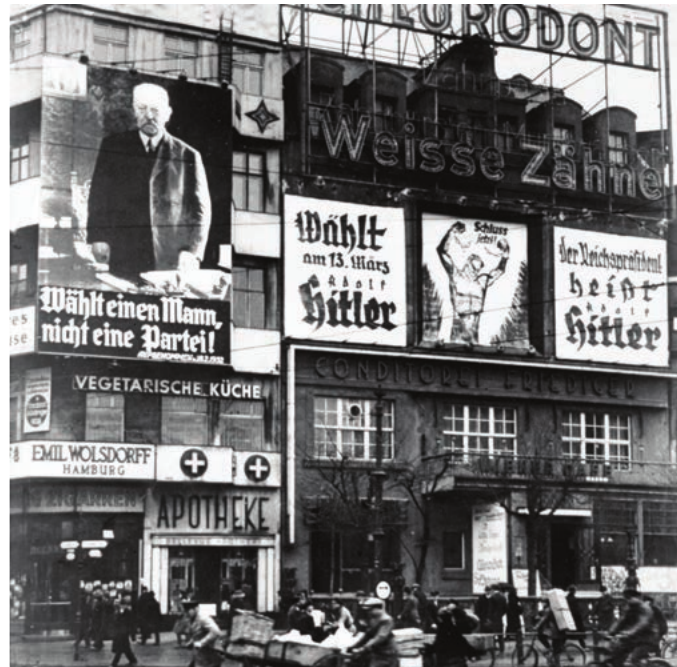
In January 1932, Hitler decided to run against Hindenburg. The Nazis were well-prepared, initiating a mass media blitz unprecedented in German history. Goebbels and his propaganda staff demonstrated their capabilities:
- Over 30,000 rallies, meetings and demonstrations
- Millions of leaflets distributed
- Event- and print-driven campaign
- SA played a crucial protective and organisational role
Note
The Nazis never attacked Hindenburg directly. Instead, they argued that voting for Hindenburg meant supporting Bruning's unpopular policies. They portrayed Hindenburg as a great serviceman but argued it was time for generational change.
Election results
To win, a candidate needed 50 per cent of the vote:
First round:
- Hindenburg: 49.6%
- Hitler: 30%
Second round:
- Hindenburg: 53%
- Hitler: 36%
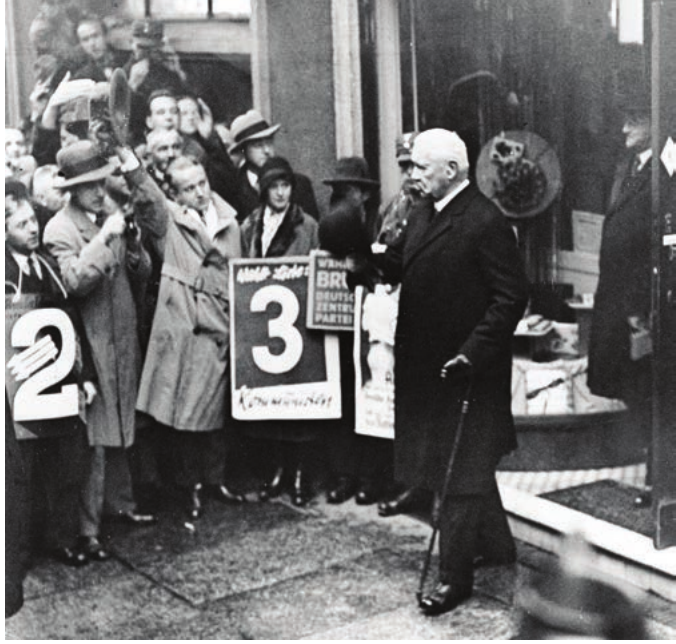
Although Hindenburg won, the result separated Hitler from other anti-system candidates. He could now stand on the same stage as Hindenburg. Hitler emerged as the most visible figure in German politics, and people began taking the Nazis seriously. At this point, the Nazis started receiving money from big business, as industrialists appreciated their anti-communist rhetoric.
The end of Bruning's rule (May 1932)
By May 1932, the Bruning government was failing:
- The economy continued to worsen
- Violence plagued the nation
- Unpopular economic policies (raised taxes, cut benefits)
- Unable to resolve the Great Depression
Kurt von Schleicher, an influential military figure, couldn't understand why Bruning couldn't make a deal with the Nazis. He believed the time had come to establish an authoritarian regime and scrap the Weimar Government and Constitution. Von Schleicher used his influence with President Hindenburg to convince him to oust Bruning.
Franz von Papen, a Centre Party politician, emerged from obscurity to be appointed Chancellor on Schleicher's recommendation. However, the Centre Party didn't support Papen, whilst conservatives were reluctant. His Cabinet became known as the 'Cabinet of Barons', filled with bank executives, industrialists and German nobles.

The July 1932 election
New parliamentary elections were held on 31 July 1932. Von Papen believed he could win over the Nazis and conservatives - as big a miscalculation as Bruning's in 1930.
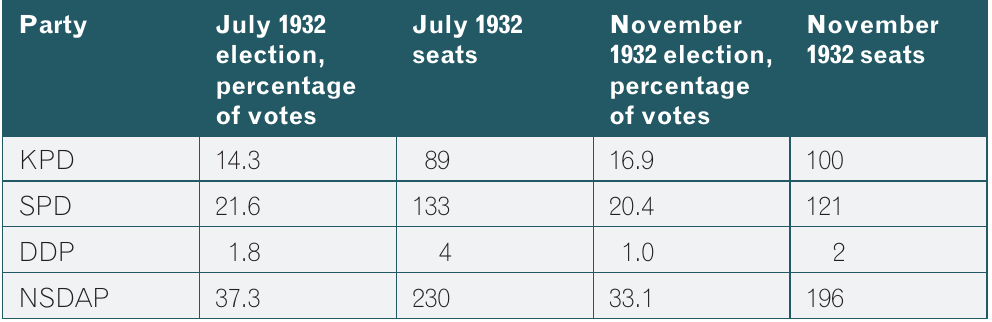
The Nazi Party attacked von Papen outright, calling him 'reactionary' and conducting an aggressive campaign. The Nazis achieved 38 per cent of the vote, officially making them the largest party in the Reichstag.
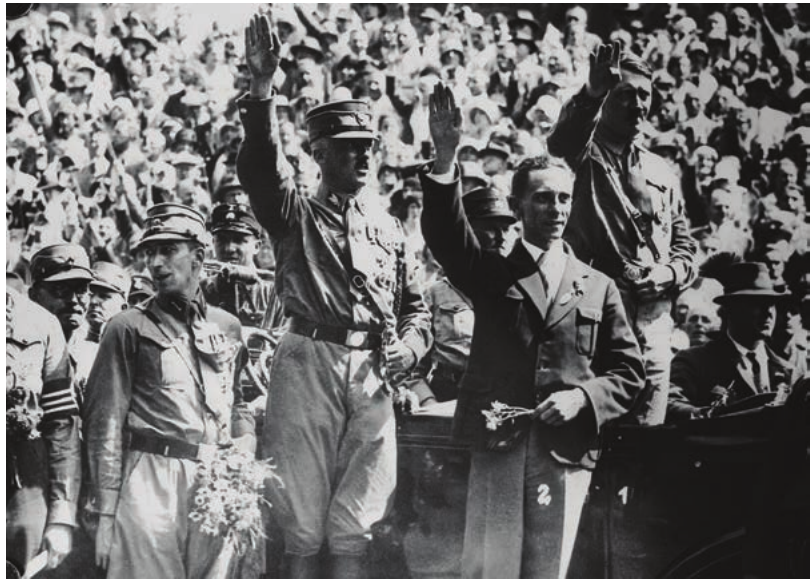
However, the Nazis were disappointed. They had envisaged attaining a majority in the Reichstag. The SA were bitterly unhappy. Hitler had promised this would be the last election, as perpetual campaigning would deliver majority control.
Note
Hindenburg, who despised Hitler and referred to him as 'that bohemian corporal', refused to make Hitler Chancellor. Hitler wanted to be Chancellor with presidential powers under Article 48.
The Nazis had 38 per cent of the vote, and the Communists had 15 per cent, meaning the Reichstag was dominated by the most vocal critics of the Republic. Parliamentary democracy had become a farce.
The November 1932 election
In the November 1932 elections, the Nazi vote dropped to 33 per cent. The protest vote against the Weimar Republic was running out of steam. The Nazi Party remained the largest party but faced a real crisis. In a top-secret memorandum, Goebbels wrote "We've blown it".
Analysis of Nazi support
Important
The Nazis themselves recognised their popularity was tenuous. They had strong, stable support among certain elements of the German middle class. However, Hitler and Goebbels realised that many people voting for the party were making a crisis-related protest vote against the Weimar Republic rather than showing commitment to National Socialist ideology.
The November 1932 election revealed that Nazi popularity in free elections could not be maintained at July 1932 levels. Goebbels argued the Party had to come to power soon, as they lacked resources to keep financing elections. The NSDAP's constituency was too diverse, its promises too contradictory, and its appeal too negative.
Although the Nazis promoted a positive vision of a classless society (Volksgemeinschaft), their popularity was based on negative campaigning - focusing on what was wrong with the system. As the German economy started improving, Germans were less inclined to follow this negative rhetoric.
The nature of Nazi support
Important
A vote for the NSDAP in 1932 was largely a protest against a failed system, not necessarily an endorsement of Nazi ideology. Many enthusiastic Nazis had been there all along - they weren't the people who transformed the NSDAP from a splinter party on the fringes.
Contrary to the image of an irresistible political movement swept into power by grassroots support, the reality was that the NSDAP's electoral support was highly unstable and could only be maintained for a limited period under severe economic conditions. By November 1932, the NSDAP seemed to be falling apart in regional areas.
The final collapse of the Weimar Republic
Chancellor von Schleicher (December 1932 - January 1933)
After the November 1932 elections, Papen was removed as Chancellor. Hindenburg reluctantly turned power over to General Kurt von Schleicher, a military man prominent in the post-World War I Reichswehr who had served as Papen's Minister of Defence.
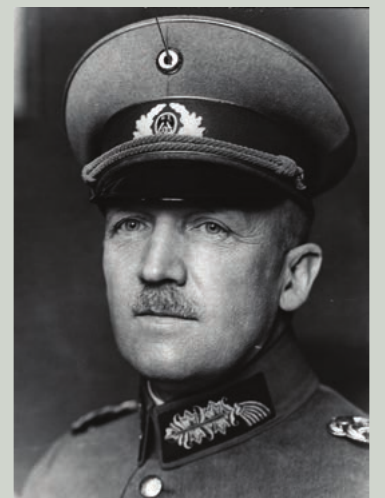
Von Schleicher believed he could 'woo' the Nazis and bring them into government, or coax rebellious Nazi parliamentary members to support him. However, he was unable to generate any enthusiasm and by January 1933, it was clear he had failed.
Von Papen's intrigue
Papen had been removed from office but remained as an adviser to Hindenburg. He decided to plot against von Schleicher, working behind the scenes to engineer a meeting between Hitler and conservative leaders.
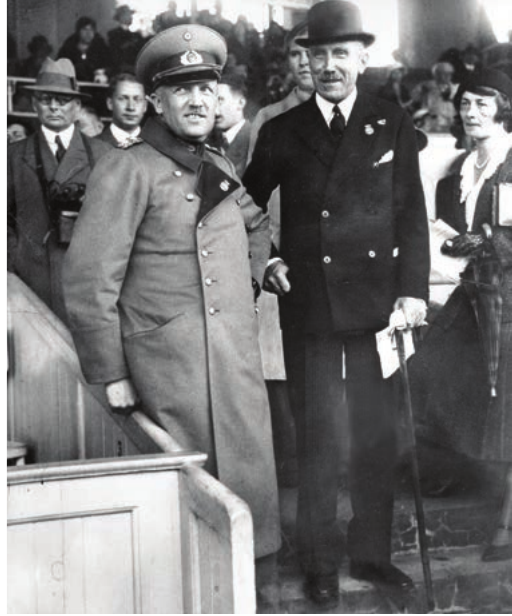
On 4 January 1933, Hitler met with Papen in Cologne in a secret meeting that included Oskar von Hindenburg, the President's son. Hitler was now more malleable following his loss of parliamentary numbers in the December 1932 election. He agreed to form a Coalition government with Papen:
- Hitler would supply the rank-and-file and popular support
- Papen would supply Hindenburg's approval
Important
On 28 January, Hindenburg dismissed Schleicher as Chancellor, stating: "I already have one foot in the grave and I am not sure that I shall not regret this action in heaven later on."
This moment sealed the fate of the Weimar Republic. Hitler would be appointed Chancellor on 30 January 1933, not through electoral victory, but through political intrigue and backroom deals.
Reasons for the collapse of the Weimar Republic
Understanding why the Weimar Republic collapsed requires examining multiple interconnected factors across political, economic, social and individual dimensions.
Political weaknesses
Constitutional weaknesses:
Note
The Weimar Constitution contained fundamental flaws that made stable government difficult:
- Proportional representation made it difficult to form stable governments
- The powerful role of the President using Article 48 to govern by decree undermined parliamentary democracy
- No requirement for majority support in the Reichstag
Party political failures:
- Political parties were unable or unwilling to cooperate effectively
- Due to the Ebert-Groener Pact, the SPD were never able to form a coalition with the KPD to keep the Nazis out of office
- Political intrigue and party/individual selfishness conspired to undermine the Republic
- Parties were more interested in attacking each other than defending democracy
Economic problems
Impact of the Great Depression:
Note
Germany severely suffered from the Depression, which created the conditions for extremist parties to thrive:
- Outstanding loan repayments became due
- Lack of investment and savings crippled the economy
- Poor economic planning exacerbated problems
- By 1932, unemployment reached 6 million
Policy failures:
- Deflationary policies led to unemployment benefit cuts
- Austerity measures alienated the population
- Both hyperinflation (1923) and the Great Depression meant the Weimar Republic lost the vital support of the middle class
Social problems
Historical burden:
- The Republic was linked to German defeat in World War I
- It was held responsible for the Treaty of Versailles
- Many Germans never accepted the Republic as legitimate
Crisis of 1923:
- Occupation of the Ruhr by French and Belgian troops
- Hyperinflation in 1923 destroyed middle-class savings
- The Republic lost the trust of the middle class
Structural opposition:
Important
Conservative elites worked to undermine the Republic from within:
- The judiciary was not replaced and remained hostile to the Republic
- Chaos, assassinations and violence challenged the Republic's authority
- The military never gave its full support to the Republic
Role of Hitler and the Nazi Party
Exploiting the Depression:
- As a result of the Depression, the Nazi vote rose rapidly after 1929
- The Party's membership sought radical solutions
- They appeared to offer strong leadership in contrast to weak coalition governments
Building support:
- Gradual support from industrialists and the military
- Middle class supported the idea of 'strong government'
- Effective propaganda and campaigning techniques
- Appeal across different social classes
Electoral success:
Reichstag seats rose dramatically:
- 1930: 107 seats
- July 1932: 230 seats
- November 1932: 196 seats (still the largest party)
Historian interpretations
Different historians have emphasised various factors in explaining the Weimar Republic's collapse:
Note
Bullock argued that Hitler's personality was crucial in undermining the Republic's popularity. The significant factor was Hitler's influence over structural weaknesses like proportional representation and Article 48.
Taylor believed the critical factor was the Great Depression. Hitler represented the discontent of Germans suffering from economic crises: "the Great Depression put the wind in Hitler's sails".
Bracher emphasised that the Weimar Republic was established on a weak foundation and easily undermined by being held responsible for World War I defeat. Lacking support from the military and judiciary, the revolution of 1918 was incomplete.
Kolb argued that fundamental errors, such as failing to destroy the power of the old elites, proved fatal. This meant nationalist and authoritarian enemies of the Republic could conspire to bring its downfall.
Remember!
Summary
Key Points to Remember:
-
The Nazi Party rose from obscurity through exploiting economic crises, particularly the 1923 hyperinflation and the Great Depression from 1929 onwards.
-
Hitler transformed the Beer Hall Putsch disaster of 1923 into a political victory through his trial, gaining national attention whilst serving minimal prison time.
-
The Weimar Republic's structural weaknesses (proportional representation, Article 48, failure to replace hostile judiciary and military) made it vulnerable to collapse.
-
The Nazi electoral breakthrough came during the Depression, rising from 2.8% in 1928 to 37.3% in July 1932, but support proved unstable, dropping to 33.1% by November 1932.
-
The Weimar Republic ultimately fell not through Nazi electoral dominance but through political intrigue by conservative elites (von Papen and von Schleicher) who believed they could control Hitler whilst using his popular support.