Opposition to the Nazi Regime (HSC SSCE Modern History): Revision Notes
📚Revision Notes
Opposition to the Nazi Regime
Overview
Resisting the Nazi government between 1933 and 1939 was extremely challenging due to the extensive police state and the sweeping powers given to the Gestapo. Despite these obstacles, evidence exists of criticism, resistance and dissent throughout this period. Most Germans supported the regime because of Hitler's decisive leadership and the economic recovery following the Great Depression.
The Nazi Party's early policies from 1933 to 1934 aimed to remove the influence of trade unions, industrial workers and political parties as part of their consolidation of power. Opposition emerged from various sources, including university students and staff, urban youth groups, Christian churches, and elements within the military. These groups voiced their resistance through different methods, ranging from underground publications to assassination attempts.
Note
The existence of opposition movements demonstrates that not all Germans supported Nazi policies, even though these groups faced severe repression and ultimately proved largely ineffective against the regime's power.
Political parties
Social Democratic Party (SPD)
The Social Democratic Party represented the largest source of organised resistance to Nazi rule. In 1933, the Nazi government declared the SPD illegal and seized all its funds. The Party leadership escaped into exile, relocating to Prague to continue operations from outside Germany.
Party members who remained in Germany established an underground resistance movement called Roter Strosstrupp ('Red Strike Troops'). By early 1934, this movement had grown to approximately 3000 members. They worked to expose the Nazi Party's abuses and called for a workers' uprising to topple the regime. The group produced a fortnightly newspaper to spread their message throughout German society.
Important
The Gestapo successfully located and arrested the Roter Strosstrupp leaders, demonstrating both the Nazi Party's strength by mid-1934 and the extreme difficulty of organising a counter-revolution. This pattern would repeat itself with other resistance movements.
In the mid-1930s, another SPD-led movement emerged called 'New Beginnings'. However, the Gestapo proved equally effective in neutralising this group, preventing it from having significant impact on encouraging broader opposition.
German Communist Party (KPD)
The German Communist Party also mounted substantial opposition to the Nazi regime. Before the Nazis came to power, the KPD had 350,000 members, making it the largest Communist Party outside of the Soviet Union.
The Reichstag fire proved catastrophic for the KPD's future, as the party was blamed for the attack. The Nazi Party quickly raided KPD offices, confiscated their property, and arrested thousands of party members. These prisoners were detained at Dachau Concentration Camp.
Nevertheless, more than 30,000 KPD members survived the initial crackdown and formed an underground resistance movement called Die Rote Kapelle ('The Red Orchestra'). This underground network continued producing the party's official newspaper and published millions of anti-Nazi pamphlets and leaflets between 1933 and 1935. These publications highlighted poor working conditions and the mistreatment of workers, effectively spreading opposition to the Nazi regime in workplaces, beer halls and factories.
Note
Die Rote Kapelle's publication activities were particularly significant—their ability to distribute millions of pamphlets demonstrated that underground networks could function for extended periods despite Gestapo surveillance. However, like other resistance groups, they were eventually infiltrated and crushed.
German workers
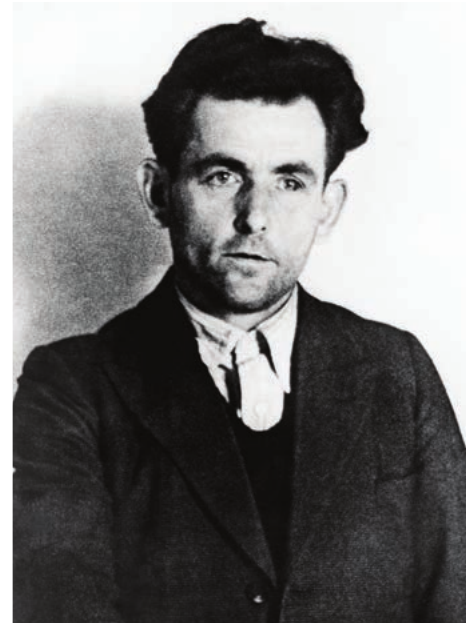
German workers organised resistance campaigns through strikes and go-slows, even though they were not directly affiliated with political parties. Their opposition stemmed primarily from rising food prices and deteriorating working conditions, rather than from ideological opposition to Nazism. The Gestapo responded harshly, arresting organisers and imprisoning them in concentration camps.
Workers employed various other forms of resistance, including:
- Refusing to attend work
- Sabotaging factory machinery
- Refusing to give the Nazi salute
Georg Elser's assassination attempt
In 1939, a factory worker named Georg Elser protested against the erosion of workers' rights by planting a bomb in a Munich beer hall where Hitler was scheduled to speak. The assassination attempt failed because Hitler finished his speech early, leaving before the bomb detonated.
Example
Georg Elser's Assassination Plot
Georg Elser spent months meticulously planning his attack:
- He worked alone, without any organised group backing
- He carefully studied Hitler's schedule and routines
- He secretly hollowed out a pillar in the beer hall to plant explosives
- The bomb was timed to explode during Hitler's annual speech
The plot came within minutes of success—the bomb detonated exactly as planned, but Hitler had left just 13 minutes earlier. This demonstrated that individual resistance, while brave, faced enormous challenges in timing and execution.
Youth groups
The Edelweiss Pirates
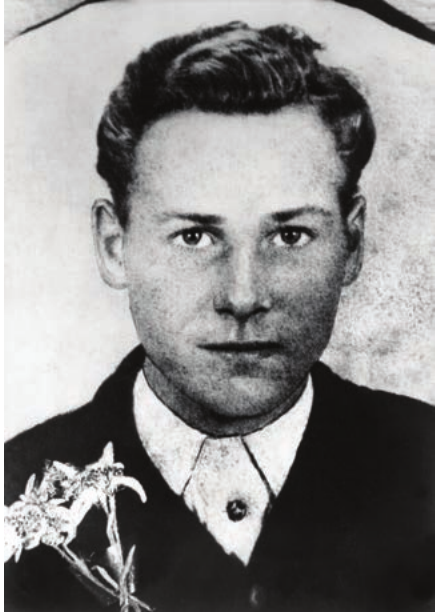
Younger Germans who rejected Nazi conformity established their own movement called the Edelweisspiraten ('Edelweiss Pirates'). The Pirates were an independent group not organised by adults. The movement consisted of males and females aged 12–18 who opposed the formality and regimentation of the Nazi system.
The Pirates distinguished themselves by dressing flashily and rejecting Nazi uniforms. They established chapters in Berlin, Dusseldorf and Cologne. Their resistance activities included:
- Telling dirty jokes about the regime
- Antagonising the Hitler Youth and its members
- Taunting and sometimes physically attacking Hitler Youth members
- Vandalising Nazi buildings and propaganda
Note
Key term: Edelweisspiraten – 'Edelweiss Pirates', an association of several youth movements that developed in Germany as a protest against Nazi regimentation.
What made the Edelweiss Pirates unique was their spontaneous, grassroots nature—they weren't organised by political parties or adults but emerged organically from young people's desire for freedom and opposition to Nazi control over youth culture.
The military
A substantial group within the German Army distrusted Hitler and opposed his ambitious territorial expansion initiatives during the 1930s. While some officers were impressed with the rearmament and expansion policies, many believed these policies placed Germany in a dangerous position.
Throughout the 1930s, there were several unsuccessful plots to either remove Hitler through a military-led putsch or assassinate him outright.
Ludwig Beck
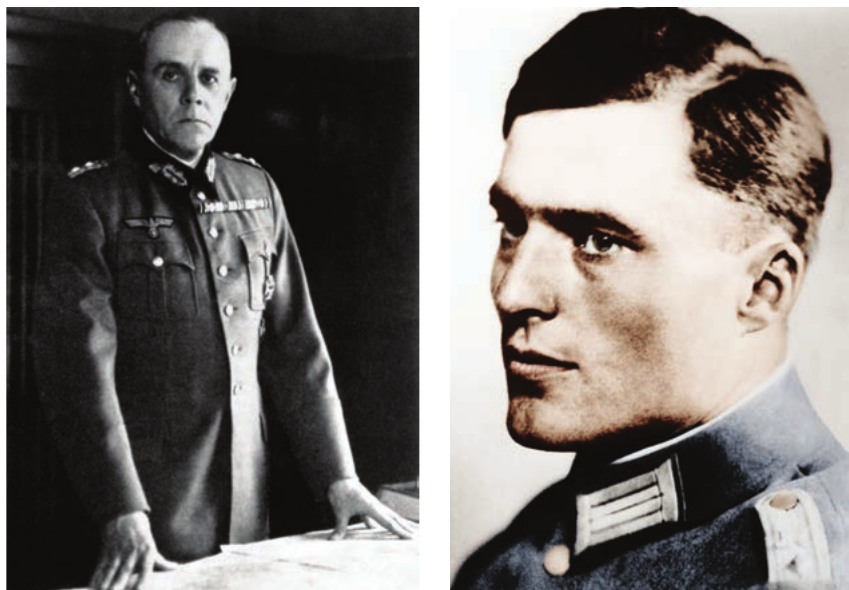
Ludwig Beck served as Chief of Staff of the German Army between 1935 and 1938 and was a prominent opponent of Hitler. He attempted to persuade his fellow generals to ignore orders to invade Austria in 1938. Beck argued that such action would provoke a confrontation between the Wehrmacht (military) and the Nazis that would ultimately result in Hitler's overthrow.
Note
Key term: Wehrmacht – the German military.
Important
Beck's strategy relied on gaining support from other generals, but most military leaders were either supportive of Hitler's policies or too fearful to oppose him. This lack of unity among military opponents proved to be a fatal weakness in all military resistance efforts.
The July Plot
Important
Please note: This incident occurred in 1944, beyond the core topic's syllabus end date of 1939, but is included here for historical context.
Beck also participated in the famous 20 July 1944 plot to assassinate Hitler and remove the Nazi Party from power, known as Operation Valkyrie. The underlying motivation of many involved high-ranking Wehrmacht officers, including Henning von Tresckow and Friedrich Olbricht, was to demonstrate to the world that not all Germans supported Hitler and the Nazi Party. Had the plot succeeded, Beck would have taken charge of Germany as Regent.
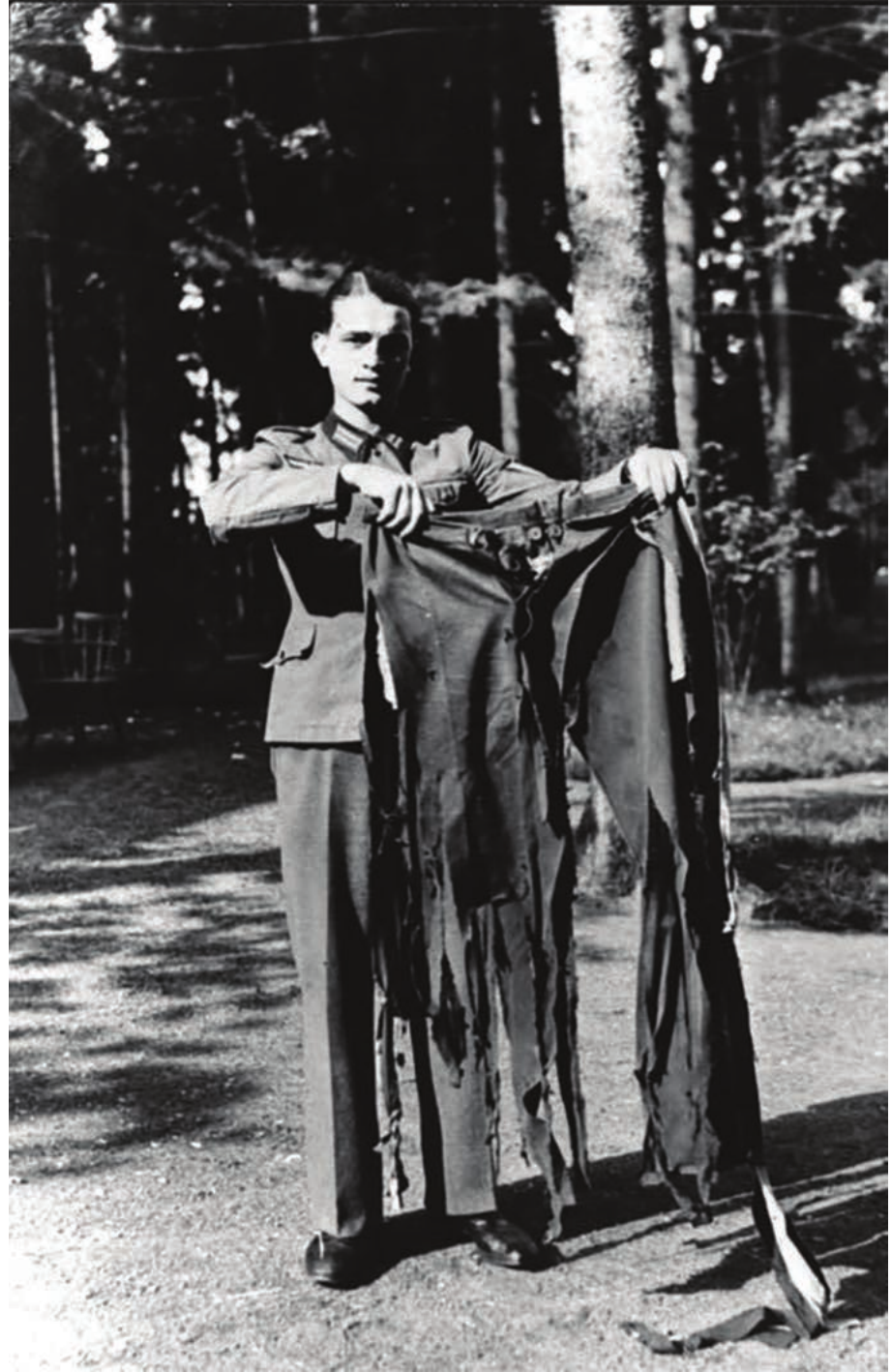
Claus von Stauffenberg played a key role in the assassination plot. He secretly planted a bomb in a briefcase near Hitler during a meeting. The bomb exploded and injured Hitler but failed to kill him.
The plan ultimately failed because Beck could not organise sufficient support among the generals. The failure of both the assassination attempt and the intended military coup d'état led to the arrest of at least 7000 people by the Gestapo, of whom 4980 were executed.
Why opposition was largely ineffective
Opposition to the Nazi regime remained largely ineffective for several key reasons:
- The power of the Gestapo: The secret police possessed extensive powers and effectively infiltrated resistance movements, leading to the arrest and imprisonment of opposition leaders.
- Lack of coordination: Different opposition groups operated independently, unable to unite into a cohesive movement that could pose a serious threat to the regime.
- Popular support for the regime: Most Germans supported Hitler due to economic recovery and decisive leadership, making it difficult to build mass opposition.
- Fear and intimidation: The threat of concentration camps and execution discouraged many Germans from openly resisting.
- Control of information: Nazi control over media and communication made it difficult for opposition groups to spread their message effectively.
Note
Exam tip: When discussing opposition to the Nazi regime, always evaluate its effectiveness. Consider both the efforts made by opposition groups and the reasons why these efforts largely failed. This demonstrates critical analysis rather than simple description.
Summary
Key Points to Remember:
- Opposition to the Nazi regime existed but was largely ineffective due to the Gestapo's extensive powers and the regime's popular support.
- The SPD formed underground resistance groups including Roter Strosstrupp and New Beginnings, but the Gestapo successfully crushed both movements.
- The KPD established Die Rote Kapelle, which published millions of anti-Nazi pamphlets between 1933 and 1935, highlighting workers' poor conditions.
- German workers resisted through strikes, sabotage and refusal to cooperate; Georg Elser attempted to assassinate Hitler in 1939 but failed.
- The Edelweiss Pirates were independent youth groups who rejected Nazi conformity through petty resistance and attacks on Hitler Youth members.
- Military opposition existed, led by figures like Ludwig Beck who opposed Hitler's aggressive foreign policy, though plots to remove Hitler before 1939 proved unsuccessful.