Presenting and Communicating Your Findings (HSC SSCE Modern History): Revision Notes
📚Revision Notes
Presenting and Communicating Your Findings
When you complete your historical investigation, you need to present your findings clearly and effectively. This involves creating a strong thesis statement and structuring your work properly, whether you're writing an essay or delivering an oral presentation.
Understanding thesis statements
A thesis statement is the foundation of your historical investigation. It represents your judgement on the research question and distinguishes a thoughtful research project from a simple retelling of facts. Your thesis develops from the extensive reading, note-taking, and source examination you conduct during your research.
What makes a strong thesis statement
An effective thesis statement has several key characteristics that you should aim for:
A strong thesis takes a clear position on your research topic. It should be provocative and invite further discussion, not simply restate what is already known. Your thesis must express one main idea clearly and directly, avoiding vague or general statements.
Note
Specificity and focus are essential qualities of any thesis statement. Your thesis should address a particular aspect of your topic rather than making broad, sweeping claims. It needs to be original rather than formulaic, showing your own thinking rather than recycling common ideas.
Think of your thesis as a roadmap that guides your reader through your work. It should do more than simply restate the question - it must go beyond this to assert your own conclusion based on the evidence you've examined.
Important
Most importantly, your thesis clearly asserts your own conclusion based on evidence. This is what transforms your investigation from a summary into an argument. A thesis is not just a restatement of facts - it's your informed judgement on the historical question at hand.
Writing an essay for your historical investigation
The key to a sophisticated historical investigation essay is answering your question clearly with a strong judgement based on evidence. You need to structure your ideas in a well-sequenced and logical format.
Structuring your introduction
Your introduction is the opening paragraph that sets up your entire essay. It should accomplish several important tasks that establish the direction of your argument.
First, answer the question with a strong thesis statement. This immediately tells your reader what position you're taking. Next, define any key terms in the question to ensure your reader understands exactly what you're discussing.
Briefly explain your line of argument - give your reader a preview of the main points you'll develop. Finally, refer to some of the ideas and debates that you'll analyse throughout your response. This shows you're engaging with historiography and different perspectives.
Example
Worked Example: Introduction for WWI Responsibility Question
If your question asks about the extent of Germany's responsibility for World War I, your introduction might state: "To a large extent, Germany was responsible for the outbreak of World War I."
You would then:
- Explain that Germany bears the main responsibility as it was willing to risk general war
- Mention Kaiser Wilhelm II's leadership and the policy of Weltpolitik
- Acknowledge that other European nations also share some degree of responsibility
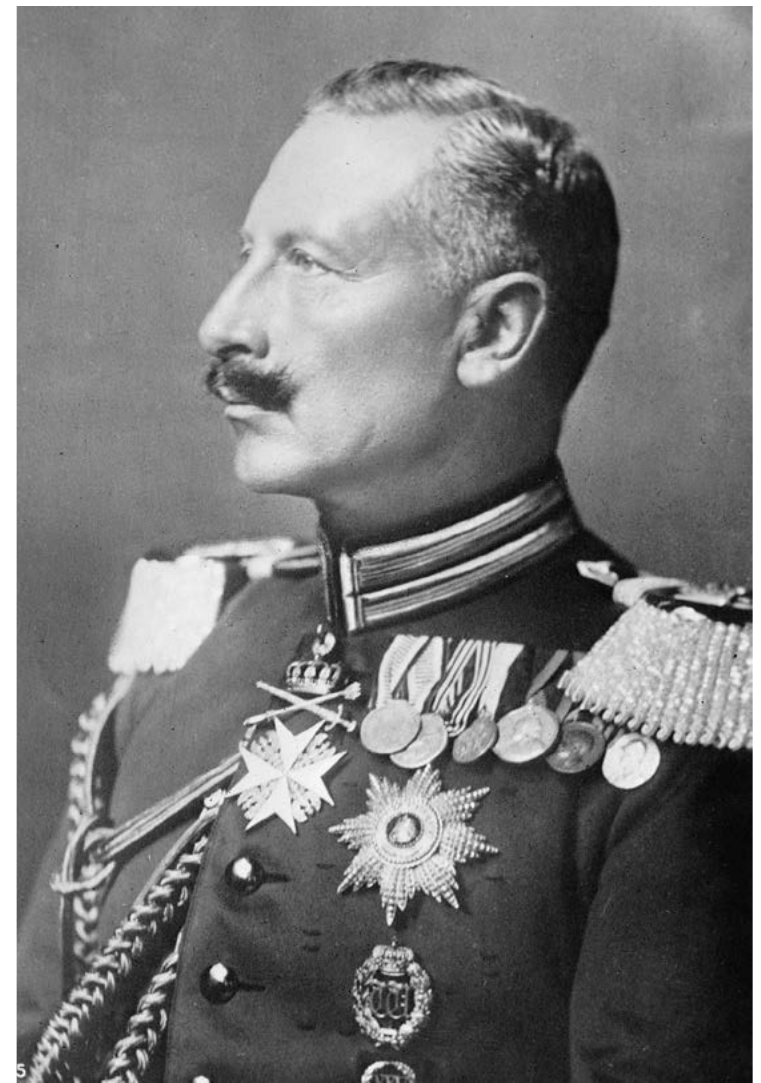
The introduction should highlight the arguments you'll address to support your historical judgement whilst maintaining focus on the main thrust of your answer.
Building effective body paragraphs with PEEL
The number of body paragraphs in your essay depends on how many arguments you need to develop. Each body paragraph should focus on only one key argument and engage with relevant historiography and debates.
To ensure well-structured body paragraphs, follow the PEEL scaffold:
Important
The PEEL Structure for Body Paragraphs:
Point: Your opening sentence introduces your argument by making a judgement related to your research question. This topic sentence should clearly state the focus of the paragraph.
Explanation: This is where you explain the historical detail of your paragraph argument. Reference historical terms and concepts to demonstrate your understanding. Provide context and background information that helps the reader understand why your point matters.
Evidence: Support your argument by referring to historians and debates. This justifies your judgement and demonstrates extensive understanding of your research topic. You might quote or paraphrase historians, reference primary sources, or discuss different interpretations of events.
Link: Your concluding sentence summarises your argument and reinforces your historical judgement. Words like "thus", "therefore", or "hence" can effectively signal your final judgement on the paragraph's argument.
Example
Worked Example: PEEL Body Paragraph
Point: "Furthermore, Germany's role in endeavouring to break up the alliances between Britain and France was a significant factor in encouraging war in Europe."
Explanation: The paragraph would explain the policy of Weltpolitik and its ramifications, detailing how Germany's aggressive foreign policy aimed to expand its influence and disrupt existing European alliances.
Evidence: The paragraph would provide evidence such as the Moroccan crises of 1905 and 1911, reference historians like Fritz Fischer who argued for Germany's deliberate provocation, and discuss different interpretations of German motives.
Link: "Thus German aggression during the colonial crises, to a large extent, contributed to the outbreak of World War I."
Throughout your body paragraphs, use clear linkage terms like "Furthermore", "In addition", "However", and "Finally" to demonstrate the flow of your argument and show connections between ideas.
Crafting your conclusion
Your conclusion is the final paragraph that brings your essay together. It should be short and concise, summarising the key arguments you've presented and restating your judgement on the research question.
Note
What NOT to Include in Your Conclusion:
Don't introduce new information in your conclusion. Instead, reinforce the historical judgement you've established throughout your essay. Show that you've developed a strong, consistent argument from start to finish.
A good conclusion might begin: "In closing, it is clear that..." followed by your main judgement. Then briefly recap the major arguments that supported this judgement. Finally, acknowledge any counter-arguments or limitations to your conclusion if relevant.
The conclusion demonstrates to your reader that you've thoroughly examined the question and arrived at a well-supported answer.
Delivering an oral presentation
Your historical investigation might be assessed through an oral presentation rather than a written essay. In this case, you'll deliver a short talk to your class presenting your research on your chosen historical topic.
Preparing your presentation
Check your assessment guidelines carefully for the specific requirements. However, several factors will enhance any oral presentation:
Note
Essential Presentation Preparation Steps:
- Prepare a handout that summarises your key arguments. This gives your audience something to follow and refer back to.
- Use effective visual aids such as PowerPoint slides, videos, or images to highlight key concepts and research. Visual elements help maintain interest and illustrate complex ideas.
- Construct relevant and thought-provoking questions that will get your class thinking about your historical arguments. This demonstrates the depth of your understanding and engages your audience actively.
You may need to submit a written component alongside your presentation. This evaluates the central arguments in your research in more detail than the oral presentation allows.
Time management is crucial. Presentations typically have strict time limits, so practice to ensure you deliver within these parameters. Demonstrate careful planning by focusing on essential points. Consider which visuals (slides, video, whiteboard) will help you cover the ground efficiently.
Rehearsal and delivery techniques
Great speakers establish positive rapport with their audience. You can achieve this through effective application of good eye contact, variation in voice, and effective body language.
Rehearse at home thoroughly. You should know your speech well enough that you're not simply reading from palm cards. Practice makes perfect - a powerful presentation is informative, entertaining, and thought-provoking.
Important
Critical Delivery Rules:
Never read your presentation from palm cards or PowerPoint slides. Address the audience directly, otherwise they'll find your presentation boring and stop listening.
Pace yourself carefully. The pace of your presentation is very important. Rushing often signals nervousness. Slow down to emphasise key points so they're clearly articulated. Short pauses can be very powerful, providing opportunities for the audience to think carefully about your arguments.
Maintain good eye contact. This allows you to make a positive connection with your audience. Sweep your eyes across the room so everyone feels engaged.
Use open and friendly body language. This invites the audience to follow your arguments and key ideas. Stand confidently and use gestures naturally to emphasise points.
Working on group presentations
Group work presentations require collaboration skills that are valuable both at school and in the workplace. Group projects can be rewarding when everyone shares the goal of working well together, but they can also be frustrating if some members don't contribute equally.
Establishing clear expectations
To ensure success, establish a "Contract of Expectations" at the beginning of your research project. This contract clearly defines the roles and responsibilities of each group member. Once everyone agrees to the terms, it maintains accountability within the group.
Key considerations for effective collaboration include:
- Have clear objectives that everyone understands and agrees upon
- Set ground rules about meeting times, communication methods, and work standards
- Communicate efficiently - keep everyone informed about progress and problems
- Build consensus on major decisions rather than letting one person dominate
- Clearly define roles so everyone knows their specific responsibilities
- Clarify decisions by documenting them so there's no confusion later
- Keep good records of discussions and responsibilities. This prevents disputes about who agreed to do what
- Stick to the plan you've developed together
- Monitor progress regularly and stick to deadlines you've set
- Support and encourage equal involvement from all group members. If someone is struggling, help them rather than simply doing their work for them
Note
By following these principles, you can make group work a positive learning experience that produces a high-quality presentation. Clear communication and defined expectations are the foundation of successful collaboration.
Summary
Key Points to Remember:
- A strong thesis statement takes a clear position, is specific and focused, and provides a roadmap for your reader whilst asserting your own conclusion based on evidence.
- Structure body paragraphs using PEEL: Point, Explanation, Evidence, and Link to create logical, well-supported arguments.
- Essays need a clear introduction with a thesis statement, focused body paragraphs that develop one argument each, and a concise conclusion that reinforces your judgement.
- Oral presentations require thorough preparation and rehearsal, with attention to delivery techniques like eye contact, pacing, pauses, and body language.
- Group work succeeds when members establish clear expectations, define roles, communicate efficiently, and support equal involvement from everyone.