The Role of World War I in the Collapse of the Romanov Dynasty (HSC SSCE Modern History): Revision Notes
📚Revision Notes
The Role of World War I in the Collapse of the Romanov Dynasty
Russia on the eve of war: Stability or crisis?
Before examining World War I's impact, it's important to understand Russia's condition in 1913. Historians debate whether Russia was relatively stable or heading towards revolution.
Arguments for stability:
- Nicholas II's position was stronger than in 1905 after the trauma of that revolution had faded
- Stolypin's reforms had transformed the countryside and reduced revolutionary party influence
- Foreign policy had improved with a strong British alliance and steady re-armament
- Economic progress was impressive between 1906 and 1913, including a reduction in national debt, over 6% annual growth (highest in Europe), doubled savings and exports, and doubled government expenditure and income
Arguments for instability:
- Political protests had re-emerged after the 1912 Lena Goldfields massacre, where tsarist troops killed 200 striking miners
- Worker strikes increased sharply after the peaceful period of 1907-10, with more workers concentrated in urban areas making radicalisation easier
- Land reforms had only marginal impact as peasants preferred the security of the commune
- Despite economic advances, Russia lagged behind industrial powers like France, Germany and Britain
Important
Exam tip: Questions may ask you to evaluate Russia's stability in 1913. Consider both perspectives and conclude that underlying weaknesses existed despite surface improvements, making Russia vulnerable to the strains of total war.
Reasons for, and nature of, Russian involvement in World War I
World War I represented an unprecedented challenge for Russia. This was a protracted modern war against highly developed industrial powers (Germany and Austria-Hungary) that required mobilising the entire society, economy and military. Weaknesses already emerging in Russian society, economy and political structure would become critical threats to survival.
Note
Key features of Russia's war involvement:
- Russia had the world's largest army, with more soldiers than Germany and Austria-Hungary combined
- However, the overwhelming majority were conscripted peasants with little training
- This was Russia's first experience of modern industrial warfare on such a massive scale
- The war required total mobilisation of resources and population
Initial response to war outbreak (August 1914)
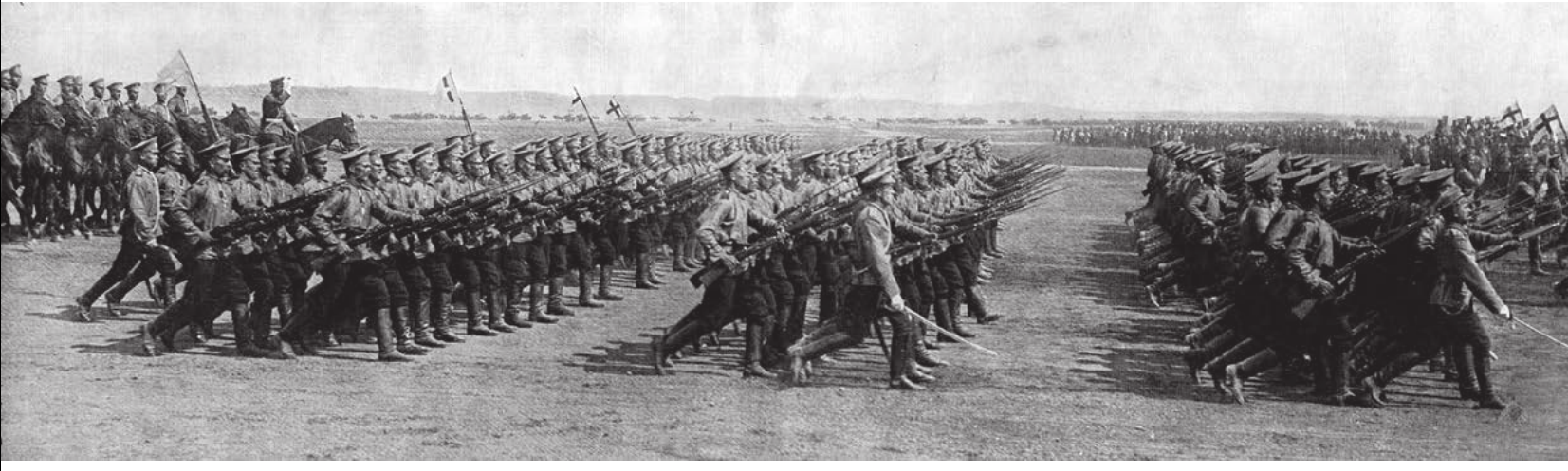
Patriotic enthusiasm
When war broke out in August 1914, it initially proved beneficial for Russia, as in many European countries. Going to battle distracted people from the various concerns and problems characteristic of late imperial Russia. The war united large numbers in support of the government against an external enemy.
Positive initial effects:
- The Tsar became more popular than he had been for years
- Crowds cheered as troops paraded past Nicholas on their way to the front
- Nicholas began working more closely with the Duma
- Capable people from the Duma were appointed to important war posts
A British observer described processions carrying the Tsar's portrait framed in allied flags, bands playing the national anthem everywhere, and long lines of soldiers marching away singing and cheering. These soldiers were described as tall men with honest, open faces and childlike eyes, having trusting faith in the "little father" (Nicholas II) and believing the saints would protect them and bring them home.
Opposition to the war
However, patriotic enthusiasm was far from universal. The most vocal opposition came from Lenin and the Bolsheviks. Lenin adopted a pro-defeatist stance, hoping Russia would lose what he called an imperialist war and fall into civil war. Using Marxist ideology, Lenin declared the war was merely another example of wealthy upper classes manipulating the toiling masses for their own gain. Although initial patriotic enthusiasm drowned out Lenin's calls for class war, this enthusiasm did not last.
Note
St Petersburg's name was changed to Petrograd in 1914 when war broke out, as the Russian government thought the old name sounded too German.
Key military defeats in 1914
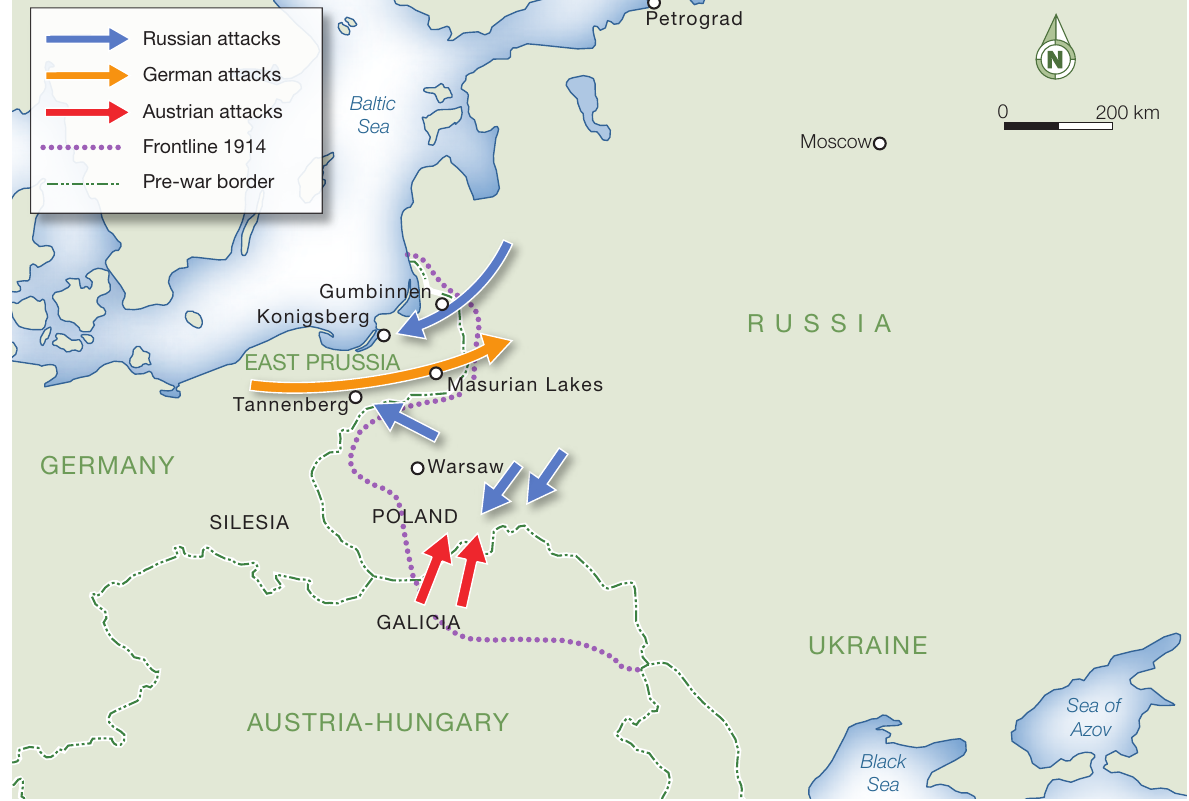
Russia's lack of success in World War I puzzled many historians given its massive army. The overwhelming majority of Russia's soldiers were conscripted peasants, often with little training.
Battle of Tannenberg (18 August 1914)
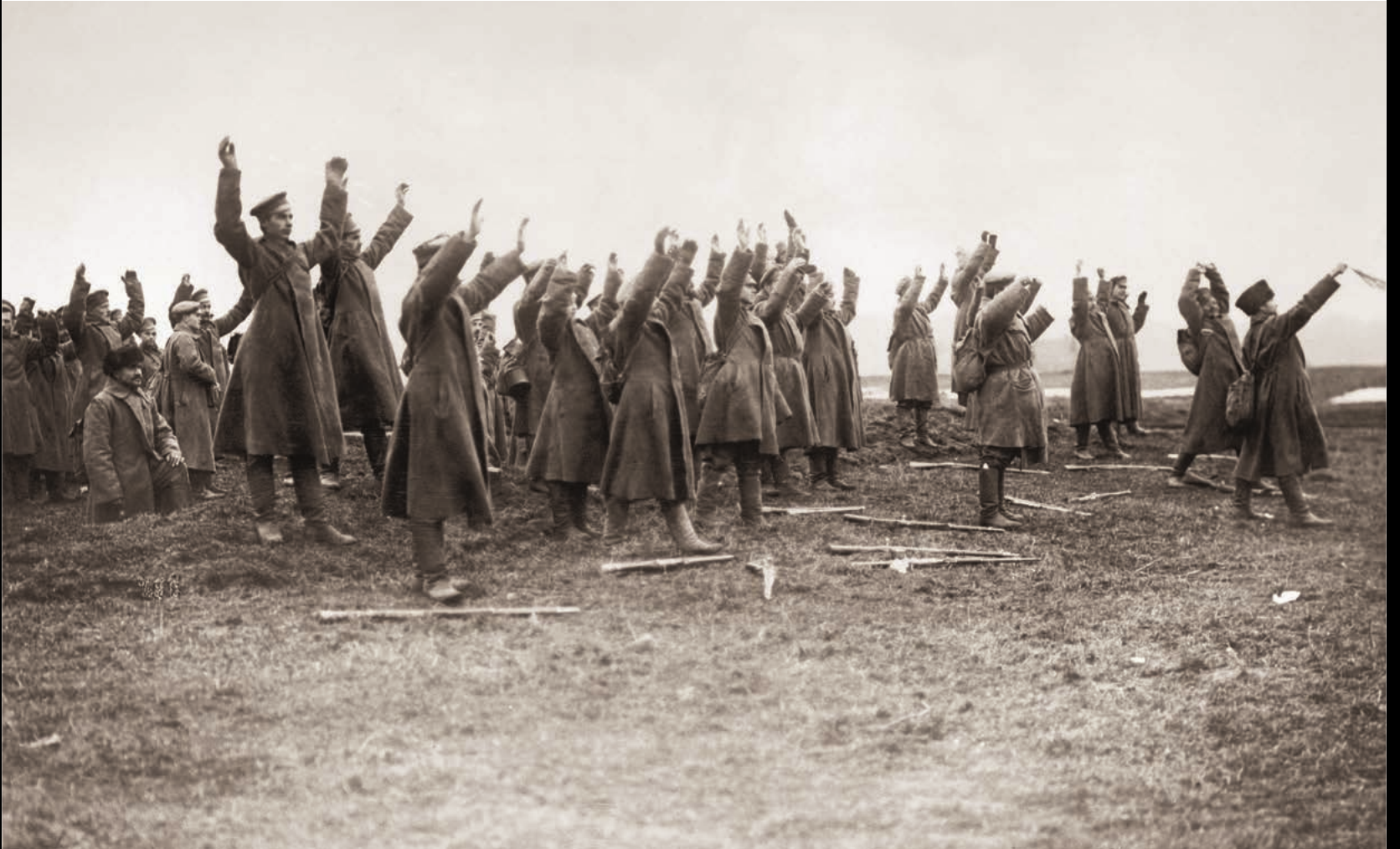
This was Russia's first significant defeat in the early stages of war. Russian casualties numbered 130,000 with over 100,000 prisoners of war taken.
Battle of Masurian Lakes (2 September 1914)
The second major defeat saw one whole Russian army unit surrounded and forced to surrender.
Why the war became catastrophic
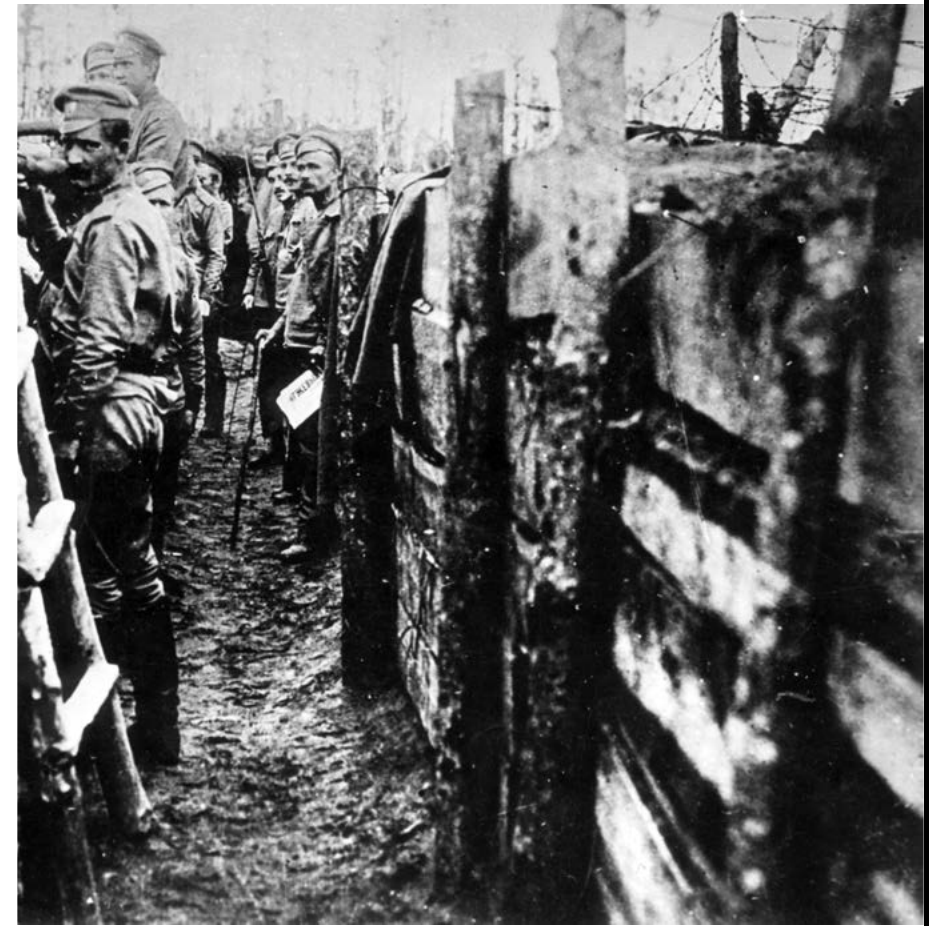
People soon began speaking of the war as nothing less than catastrophic for several reasons:
Important
Military conditions:
- Trench conditions at the front were horrible
- The supply situation was critical - the army quickly ran short of rifles, ammunition, uniforms and food
- By mid-1915, men were being sent to the front without rifles at all, having to pick them up from dead soldiers
- Human losses were devastating - by late 1914 (only five months into war), nearly 40,000 Russian men had died and one million were injured
- By 1916, three million Russians were dead or wounded, with nearly as many captured
- Many soldiers felt they were treated not as men but simply as raw material to be squandered by the powerful
Some improvement by 1916
By 1916, the military situation had improved in some ways. Russian troops ceased retreating and managed to hold their own. There were even modest successes in offensives staged in 1916, though at great loss of life. These were essentially successes against Austria and Turkey (which had joined the Central Powers - the alliance between Germany and Austria-Hungary, later including the Ottoman Empire and Bulgaria).
Most impressively, Russia held Germany off at a steady level, forcing it to fight a two-front war, which many historians argue was an important reason why Germany ultimately lost.
Nevertheless, even in 1916, although the military situation had improved, morale among soldiers continued to decline. The facts of war for ordinary soldiers remained unchanged: horrible losses, terrible conditions at the front and at home, and increasing doubts about why they were fighting at all.
Economic and social impacts on the home front
Political disillusionment about tsarism was worsened by Russia's military defeats. However, suffering on the home front was almost as severe, and soldiers were well aware of this. By the end of 1915, there were many indications that the economy was breaking down under the heightened strain of wartime mobilisation.
| Impact area | Description |
|---|---|
| Food shortages | Peasants tended to hoard grain during the war, worsening the food situation. Food shortages were the most visible sign of hardship, creating social problems in cities. People waiting in long lines outside bakeries and food stores became increasingly desperate and brutal in the Russian winter. |
| Social conditions | Discontent led to a growing strike movement based on wages and demands for food. Strikes were the most visible sign of deepening anger among the Russian people. Military defeats, distant leadership and economic disaster resulted in significant social depression. Crime increased and large numbers of women turned to prostitution. |
| Inflation and price increases | Inflation was a major problem, as prices of food and commodities kept rising during the war due to shortages, pressing down wages. Even those wealthy enough to have savings were affected if they weren't wealthy enough to survive under any conditions. |
| Fuel shortages | Fuel and raw materials became increasingly scarce, often affecting production. Productivity was falling in large numbers of industries, especially non-military industries providing supplies people needed in their everyday lives. |
Note
The Interconnected Crisis:
Remember the vicious cycle of home front problems:
- Food shortages led to strikes
- Strikes affected production
- Reduced production worsened shortages
- This cycle undermined support for the tsarist regime
Each problem reinforced the others, creating a spiral of decline that the government could not control.
Important
Exam tip: Remember the interconnected nature of these impacts. Food shortages led to strikes, which affected production, which worsened shortages - a vicious cycle that undermined support for the tsarist regime.
Poor political decisions by the Tsar
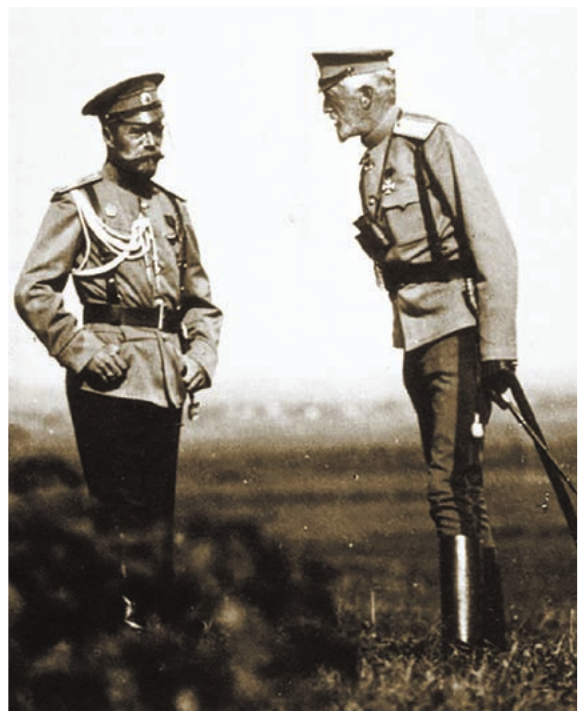
Adding to economic and social problems were political decisions made by the Tsar and his government. At this time of unprecedented national crisis, Nicholas refused repeated appeals by liberals to involve citizens in policy as participants in government. Instead, Nicholas retreated further into his personalised concept of rulership: that he alone knew best what was right for the people.
Nicholas takes personal command of the army (Summer 1915)
A symbol of this approach was Nicholas's decision in summer 1915 to take personal command of the army, replacing the respected Nikolaevich as Commander-in-Chief. Most of the Tsar's ministers had advised this would not be a good idea and that he should stay in the capital. However, Nicholas was convinced his presence would inspire the troops in a way no other leader could and would lead to victory.
The decision had two very important consequences:
Important
Consequence 1: Nicholas became personally associated with Russia's poor performance
By making this decision, Nicholas literally abandoned the newly named capital Petrograd to command troops at army headquarters in Mogilev at the war front. He had symbolically abandoned his people in their desperate time of need. Military defeats and high casualties resulted in a contagious lack of confidence in the Tsar, who now shouldered the blame in the eyes of the Russian people.
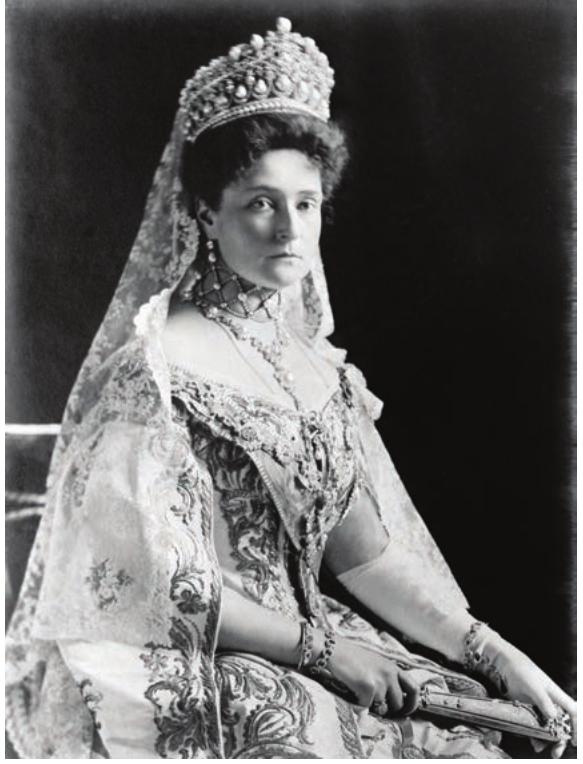
Consequence 2: Nicholas left Alexandra in charge of government
Nicholas's decision to leave for the war front left the inexperienced Tsarina responsible for political affairs. Alexandra grew in confidence and began relishing the opportunity to be involved in maintaining autocratic rule. Due to her German descent, rampant conspiracy theories implicated her as favouring pro-German policy. Russians began referring to her as "the German empress" because of her birthplace and questioned her loyalty.
The impact of Rasputin
Who was Rasputin?
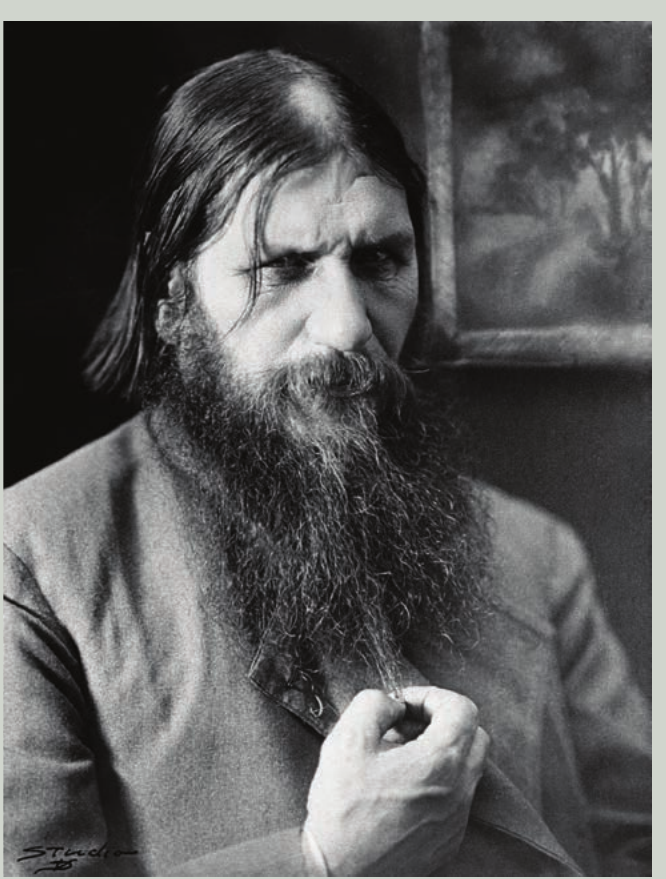
Grigorii Rasputin (real name Grigorii Efimovich Novykh, 1864-1916) was born a peasant in Tobolsk Province in Siberia. He acquired a reputation as a holy man with the ability to heal the sick and predict the future. He also had a dubious reputation as an amoral romantic, which is why he was called Rasputin (from the Russian word for debauchery).
Rasputin gained the confidence of the royal family in St Petersburg in 1905 through his mysterious ability to stop a particularly severe and painful episode of internal bleeding affecting the haemophiliac Tsarevitch Alexei. Haemophilia is an inherited bleeding disorder passed through the female line. This began an incredible decade of influence over every member of the royal family. Alexandra especially appreciated Rasputin because his healing powers not only gave relief to her son but also eased her guilt about passing on the condition.
Rasputin's social influence
High society competed for Rasputin's attendance at salons (gatherings of intellectuals at the house of someone famous or important), restaurants and tea parties. They were fascinated by this combination of a holy healer, a binge drinker and a womaniser. Despite most of the Tsarina's letters being full of respect for his healing powers, rumours of a sexual relationship between the two consumed the popular imagination.
Note
A historian observed that "the growing influence of Rasputin [after 1911], the licentious, hypnotically gifted monk, rendered the Court more and more odious."
Rasputin's political influence
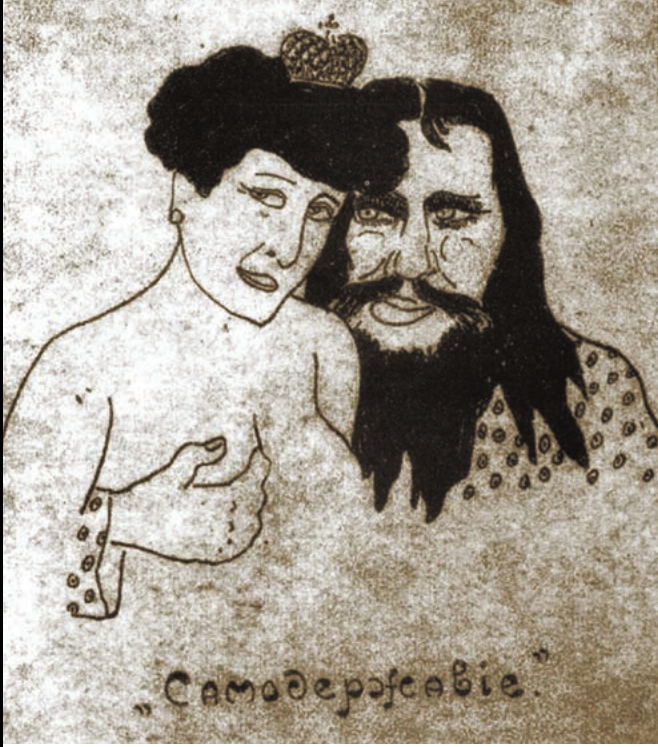
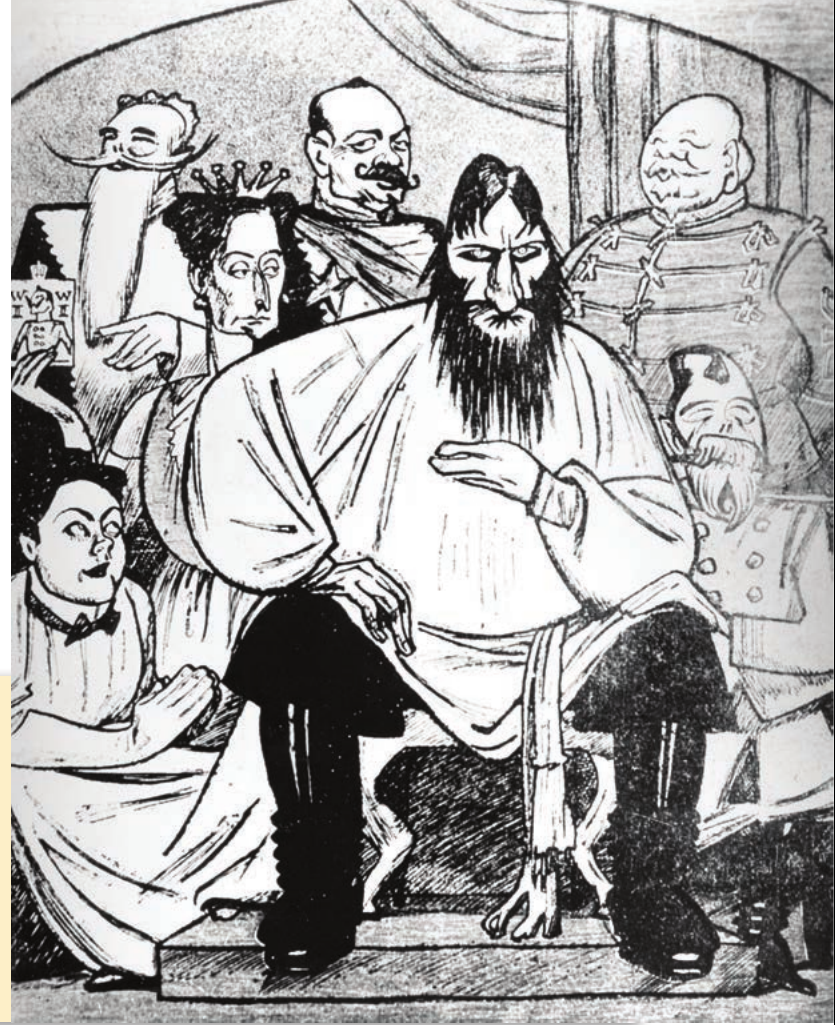
Rasputin's social impact was nothing compared to his political impact. In 1915 and 1916 he exerted considerable influence through Alexandra. Nicholas's decision to lead the war effort allowed Rasputin to become active in the court, advising Alexandra while Nicholas was away.
Important
The ministerial carousel:
Alexandra's desire to maintain the system of autocratic tsarism led her to despise the Duma. The fundamental problem was that men were promoted to high positions if they respected Rasputin and his advice, rather than because they displayed expertise in their new ministerial field.
During the 16 months the Tsarina was in charge in the Tsar's absence, Russia had:
- Four different prime ministers
- Four ministers of agriculture
- Three ministers of war
- Three foreign secretaries
This constant turnover created chaos and incompetence in government.
Symbol of decay
Many eyewitnesses and historians accused Rasputin of being a symbol of the decay evident in the tsarist regime. One English historian who lived in Russia during World War I wrote: "The Russian ministers were selected by an ignorant, blind and hysterical woman on the test of their subservience to an ignorant, fanatical and debauched adventurer."
Another observer noted: "We are faced with the strangest of human triangles... Rasputin, the empress and the emperor; set in ascending order of authority and a descending order of influence."
Rasputin's most significant impact on the decline of the Romanov Dynasty was that he contributed directly to the perception that the royal family and government were politically in shambles.
Rasputin's murder (16 December 1916)
Some Russian aristocrats decided the time had come to deal with Rasputin and end his hold over the royal family. Prince Felix Yusupov lured Rasputin to his palace with the promise of romance with Yusupov's own wife, Irina. Although warned not to go, Rasputin could not resist.
Example
The Assassination of Rasputin:
The murder became legendary for Rasputin's apparent resilience:
Step 1: Rasputin was fed two glasses of poisoned wine and two cakes, each laced with sufficient cyanide to kill several men instantly
Step 2: When this did not kill him, Yusupov shot him several times
Step 3: His body was dropped into Petrograd's River Neva
The assassination did little to improve Russia's political and economic circumstances because the fate of the war effort was already sealed and the chaotic nature of government was deeply embedded.
The beginning of the end: February 1917
Economic unrest in Russia soon resulted in social revolution, which started with a series of protests.
Note
18 February 1917: 20,000 workers at the Putilov Steel Works, the largest factory in Petrograd, were locked out by their managers after a disagreement over pay. Political activism resulted in the remaining workers at the factory also striking to support their workmates.
Note
23 February 1917 (International Women's Day): Thousands of female textile workers, especially in Petrograd, shut down their factories and appealed to anybody still working to join them in the streets. The lack of bread had become a powerful issue and was the main focus of the strike. The crowds swelled to 90,000 and demonstrators broke store windows and knocked trams over, continually calling everybody still working out onto the streets.
Note
25 February: Petrograd was virtually shut down. The demands had expanded. In addition to "Bread", banners read "Down with the War" and "Down with the Autocracy". White-collar workers, teachers and others joined the workers on the street.
Nicholas forced a showdown. Convinced the people still fundamentally loved him, he commanded the head of the Petrograd garrison to stop the disorder in the capital. The garrison chief obeyed and sent soldiers into the streets with orders to shoot the demonstrators.
Note
Note on dating: Russia used the Julian or Old Style calendar until 24 January 1918, when it was replaced by the Gregorian or New Style calendar. To convert Old Style dates to New Style dates, add 13 days. (For example, 23 February 1917 becomes 8 March 1917.)
Remember!
Summary
World War I's role in the collapse of the Romanov Dynasty:
-
Initial enthusiasm faded quickly: Although the war initially united Russians and boosted the Tsar's popularity, this patriotic enthusiasm did not last as military defeats and hardships mounted.
-
Military disasters undermined confidence: Devastating defeats at Tannenberg and Masurian Lakes, combined with massive casualties (3 million dead or wounded by 1916) and critical supply shortages, destroyed faith in the Tsar's leadership.
-
Economic and social collapse on the home front: Food shortages, inflation, fuel scarcity, and declining living conditions led to strikes, crime, and social depression, creating a vicious cycle that undermined support for the regime.
-
Nicholas's catastrophic decisions: Taking personal command of the army in 1915 associated him directly with military failures while leaving the inexperienced and unpopular Alexandra in charge of government created political chaos.
-
Rasputin symbolised government dysfunction: His social and political influence, particularly over ministerial appointments through Alexandra, created a damaging perception that the royal family and government were incompetent and in shambles. His murder in December 1916 came too late to reverse the damage.