Welcome to the Revolution (HSC SSCE Modern History): Revision Notes
📚Revision Notes
Welcome to the Revolution
Introduction to the Digital Revolution
The invention of digital technologies marked one of the greatest shifts in modern human life. Moving from analogue forms of technology to digital formats kick-started an unprecedented acceleration of human capability. Within less than 30 years of the internet's arrival, a 13-year-old with a Facebook account could instantly interact with anyone, anywhere, at any time on the planet.
The transition from physical media (like tape) and electromagnetic waves to digital formats (like fibre optic cables and Wi-Fi) meant that our appetite for information could be satisfied instantaneously. This shift has had enormous effects on human life, both positive and negative.
The democratisation of media production
The Digital Revolution fundamentally changed who could create and share media content. The days when media production was controlled by a wealthy few are well behind us. Today, anyone with a smartphone can have a significant impact on the world.
Note
Key term: A vlog is a video blog where people record and publish their thoughts, opinions or experiences on the internet.
Consider today's popular YouTubers. These digital content creators often work alone with just a smartphone or simple camera, posting vlogs that reach audiences of millions. Governments and major film studios could only dream of reaching and influencing so many people in previous eras. The Digital Revolution has placed control of public discussion directly in the hands of ordinary people – the digital technology natives.
Media control in the early twentieth century
In the early days of twentieth-century media production, creating films and television programmes was expensive and difficult. It often required support from powerful governments combined with media companies whose interests were closely aligned. As a result, many films and television programmes reinforced ideas and values that these powerful groups considered important.
Example
Example: Government Control of Media Content
Ideas like "crime doesn't pay" were common because they reflected the key values of governments in democratic societies. In 1906, the Victorian government banned the film The Story of the Kelly Gang because they felt it promoted crime and bushranging. This demonstrates how authorities used their control over media to shape public values and behaviour.
The transformation of news production
One of the key ways people understand the world around them is through the news. News media help people make informed decisions about their surroundings. However, the advent of digital television channels in the late 1980s created opportunities for a huge array of programming. Corporations and institutions that owned television production moved audiences away from a 30-minute broadcast at dinnertime to a 24-hour cycle of constant news.
The role of journalism in democracy
In developed democracies, news media play a vital role in informing the public about the actions of their elected leaders. Journalists should investigate, critique and provide checks and balances to ensure those in power do not abuse it. The role of the journalist is simple: report the truth and let the audience decide.
Case study: Watergate and investigative journalism
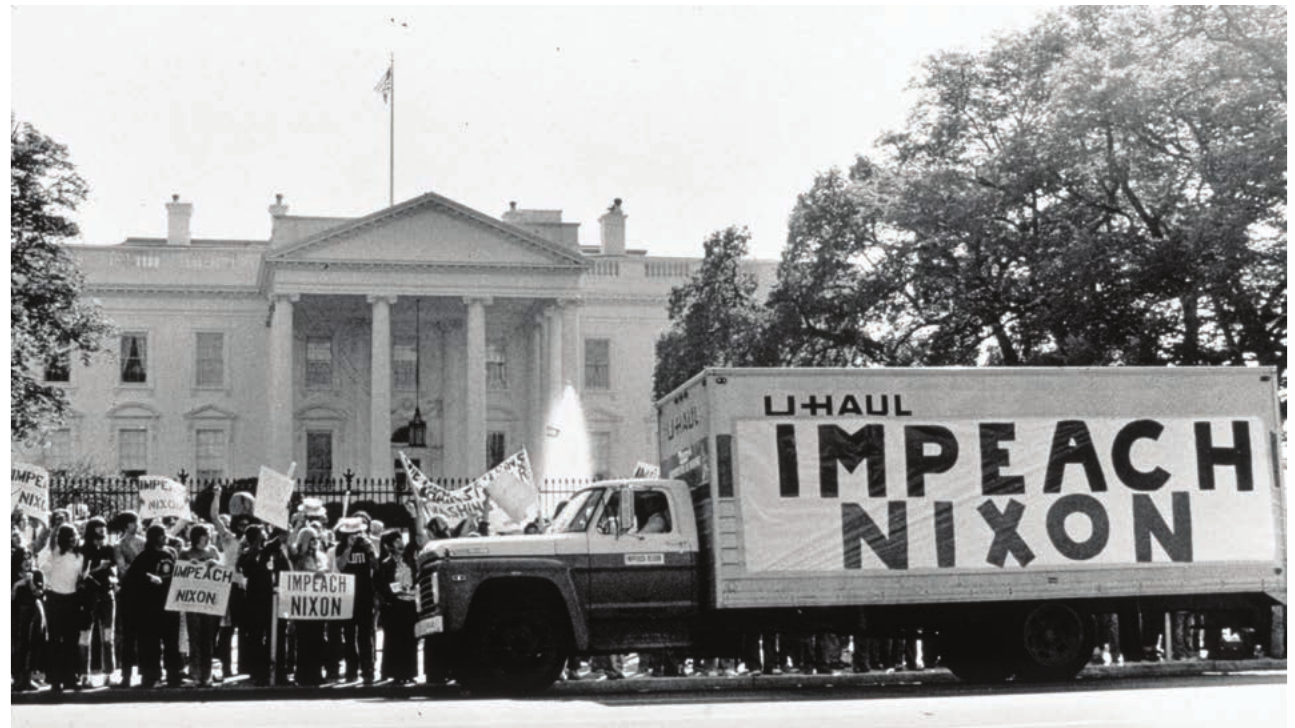
Before the advent of digital technologies, two young reporters from the Washington Post, Bob Woodward and Carl Bernstein, demonstrated the power of investigative journalism. They began following a trail of suspicious activity behind the 1972 presidential candidate Richard Nixon's re-election campaign, particularly events surrounding a break-in at the Watergate Hotel (the headquarters of Nixon's political opponents).
Example
Case Study: The Power of Investigative Journalism
Relying on anonymous sources and careful editorial oversight, the two reporters uncovered high levels of political corruption over several months. This investigation eventually forced the resignation of elected President Nixon in 1974. This case study shows how traditional journalism, with time for methodical investigation, could hold powerful leaders accountable.
The 24-hour news cycle
In the modern world of digital news media, the careful, methodical approach of Watergate journalism is not always possible. Digital technology and audience demand dramatically shifted the news production process.
With the increase of television stations in the 1990s in Australia and the US, whole channels were dedicated to presenting news 24 hours a day. Content that previously took up 30 minutes of air time now needed to fill 23.5 extra hours each day. With cameras constantly rolling, there was less time for methodical news gathering. News had to go to air as soon as it became available.
Important
The competition for the scoop became fiercer than ever: story first, facts later.
This fundamental shift in journalism standards meant that speed began to trump accuracy, with significant consequences for media quality and public trust.
Note
Exam tip: When discussing the 24-hour news cycle, consider how it changed journalistic standards. The pressure to be first with a story can compromise accuracy and thorough investigation.
The arrival of digital technology
New media technologies have developed at such a rapid rate that several new forms may exist today that hadn't been considered possible when this content was originally written. However, it remains vital to understand the transition from old to new media to evaluate shifts in production methods and audience attitudes and behaviours.
From vinyl to digital music
The transition from old to new media can be traced back to the gradual shift from analogue to digital formats. Consider music:
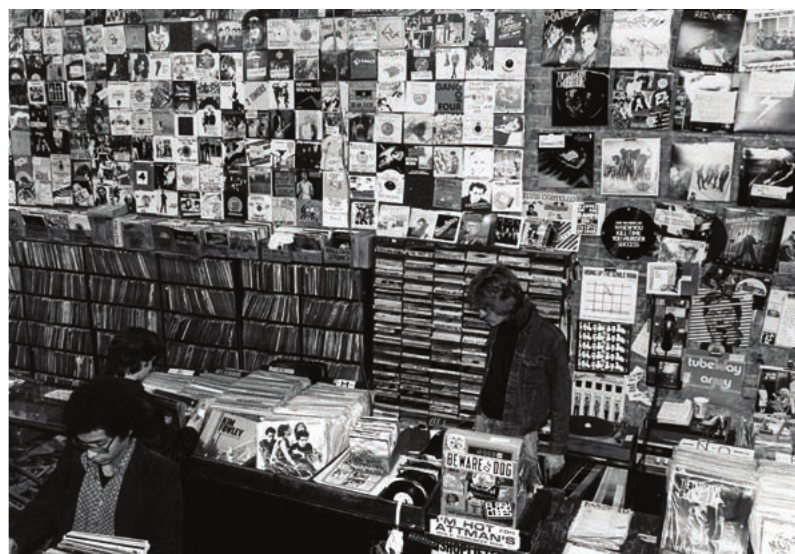
Vinyl records era: New music was a long-anticipated event for fans. Recordings were listened to repeatedly, as releases were often few and far between.
Cassettes (1970s): The availability of cassettes caused concern within the music industry because fans could copy vinyl music to tape and avoid paying directly for music.
The Walkman (1979): This compact tape player with headphones could go anywhere the audience wanted. Music became portable. Music was on the move.
Note
The introduction of portable music players fundamentally changed how and where people consumed music. No longer confined to home stereo systems, music became a companion for daily activities – a shift that would accelerate dramatically with digital technology.
Film and television distribution
Film and television audiences endured long waits for their favourite programmes because physical rolls of film had to be transported around the globe. While these rolls were easy to mass-produce, they were delicate and could only be handled by those trained in projection.
Australian audiences often had to wait long periods before seeing films and television hits from the United Kingdom and America – sometimes a full six months behind the country of origin. This geographical isolation meant Australians were often "behind" in catching up with artistic trends from Europe and the US.
Example
Example: Global Film Distribution Delays
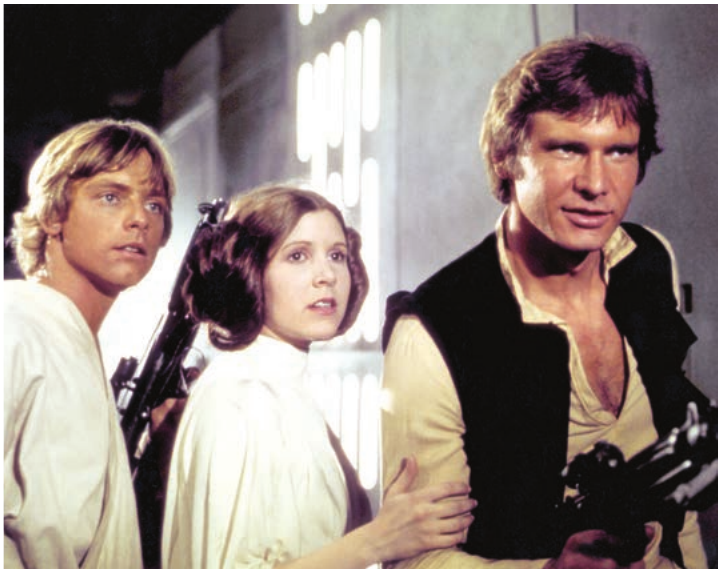
A film like Star Wars was released in the US in May 1977 but only reached Australian shores in October that year. Today, releases of Hollywood films are usually simultaneous around the globe, thanks to digital distribution.
Binary code: the foundation of digital technology
A dramatic shift came with the commercial use of binary data codes to transmit information. Binary data consists of long sequences of ones and zeros that create digital files.
Note
Key term: Binary data is a type of data represented or displayed in the binary numeral system (using only 1s and 0s).
Digital data does not degenerate in the same way as its analogue ancestors. It can have an infinite life, remaining exactly as it was created. The quality and speed of media production after the commercial use of digital files in the late 1980s and 1990s meant music and film could be sold on CD and DVD.
Creators of media texts still maintained some control over their products, but audiences became more adept at manipulating, copying and sharing digital data in new ways.

The internet revolution
The arrival of the internet in the mid-1990s changed everything.
Origins and early development
The internet was originally designed in the 1950s to protect sensitive military data in case of nuclear attack. For a long time, it existed as little more than a bewildering concept understood by only a handful of computer scientists and mathematicians. Its potential appeared limited to the capacity of the hulking computers that used it.
Personal computers and internet growth
As companies like Microsoft, IBM and Apple developed personal computers (PCs) that could be used in family homes, internet growth soon followed. Suddenly, all the binary data that made up digital media files (photographs, text, videos and music) could be shared locally and eventually globally.
This gave audiences more control. Peer-to-peer file sharing, while slow and difficult, enabled digital files to be shared globally. Audiences were not waiting so patiently to access their favourite music. Internet piracy was an immediate consequence.
Note
Key term: Internet piracy is the practice of using the internet to illegally copy software and pass it on to other people.
The early internet experience
In its early years, much content on the internet was created by those with the ability to write code. The internet was initially a novelty. Early connections through dial-up services connected to home phones meant sending an email was a lengthy process – you could click Send, make a cup of coffee, clean the house, walk the dog, and then check if the computer had sent the message!
However, internet use gathered pace and the popularity of search engines brought all available knowledge readily to hand. The process of finding information (traditionally called research) has since been replaced by a brand name: Google.
Web 2.0: the user-generated internet
The advent of Web 2.0 technologies is central to understanding the Digital Revolution. This concept is complex but somewhat easy to explain.
Note
Key term: Web 2.0 refers to internet features and websites that allow users to create, change and share internet content (information, pictures, etc.).
Web 2.0 refers to the moment when faster broadband internet speeds arrived in users' homes, which coincided with the arrival of the user-generated internet. Think back to earlier discussions about how a few powerful people controlled media production. Web 2.0 platforms like YouTube, Facebook, Wikipedia, Instagram and Twitter represent a fundamental shift that placed much of the media and means of production in the hands of the audience.
Important
Put simply, the ability to download content from the internet became as simple as the task of uploading it. Anyone could now create the internet.
All these applications are used daily by millions (in some cases billions) of ordinary people who generate the content appearing on each platform. From cat videos to personal moods and 140-character comments, any and all thoughts, actions and ideas audiences have can now be shared with millions worldwide.
Never before have ordinary people had such power. The voices of a powerful few are often drowned out by the sheer volume of competing messages from the many.
The impact of Web 2.0 on the music industry
One of the earliest facets of popular culture to feel the effects of digital technology was the music industry.
Metallica versus Napster
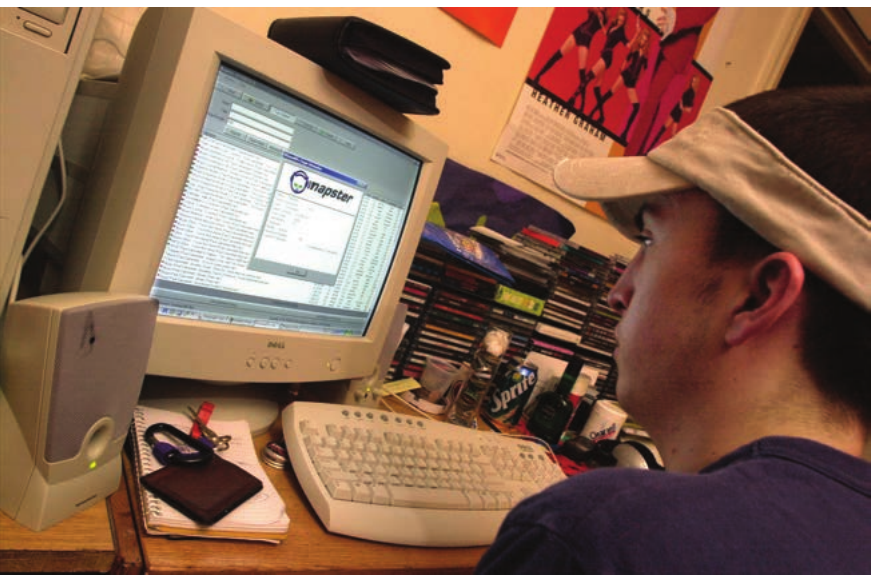
In 1999, a young entrepreneur named Shawn Fanning created Napster, essentially a file browser that allowed users to see digital MP3 music files on any computer connected to the service. This was highly illegal.
Note
Key term: MP3 is a type of computer file that stores high-quality sound in a small amount of space.
Music companies had for decades placed legal copyrights on their products to protect them from theft. Napster's growth was so rapid and widespread that the music industry was unsure how to tackle such widespread theft.
Example
Case Study: Metallica vs. Napster – The File Sharing Battle
In 2000, an unreleased song by the metal band Metallica was leaked online to Napster and shared before its official release. The band took Napster to court for copyright infringement. What followed was unexpected: the band faced a huge backlash from their own fans.
In taking on a free service that had millions of users worldwide, the once counterculture metal band now appeared greedy and representative of powerful authority that many fans automatically opposed. Metallica won the lawsuit and Napster was bankrupted, but they lost the wider battle. File sharing was here to stay.
Note
Exam tip: The Napster case study illustrates the tension between traditional copyright protection and new digital distribution methods. Consider how this conflict continues today with streaming services.
The smartphone revolution
The arrival of the smartphone changed everything again. The way we used the internet became a mobile, anywhere and anytime activity. What was previously a static activity at a laptop or home computer became a single-touch exercise when Apple released the iPhone in 2007.
The iPhone's impact
Mobile phone technology was nothing new in 2007. Companies like Blackberry, Nokia and Samsung had already combined phones with colour screens and internet access. However, Apple provided a simple interface that absolutely anyone could use. It sold in the millions and evolved into updated versions that made previous ones obsolete, thus increasing demand and audience dependence on the device.
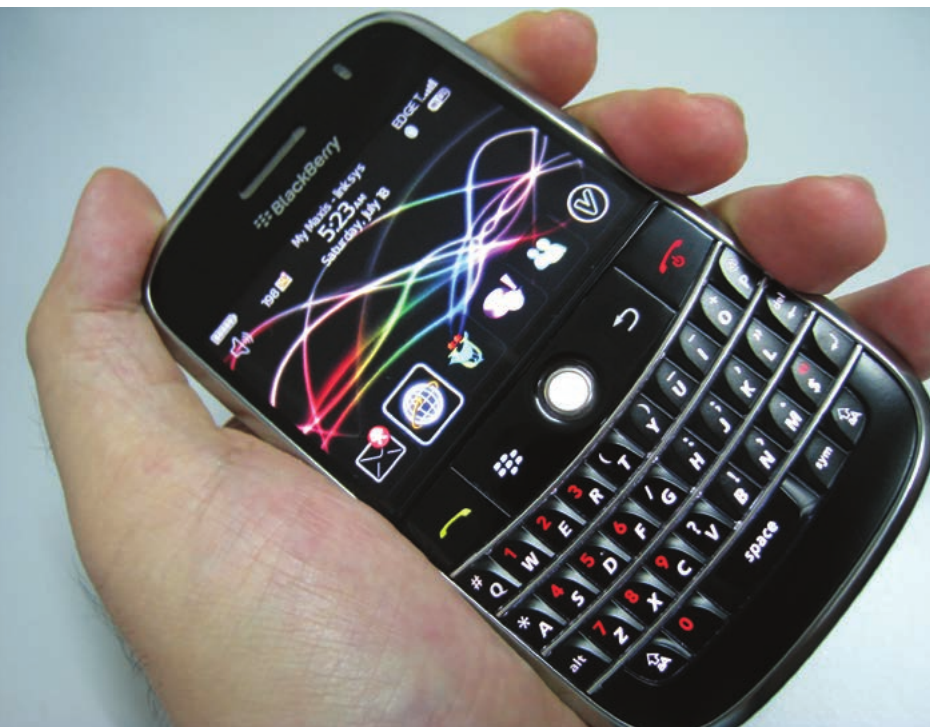
After 2007, the ability of ordinary people to interact with the world via the internet exploded. With it came a tsunami of private data held, secured and eventually monetised by applications like Facebook, Instagram, Twitter and YouTube – the ubiquitous products of iPhone use.
Users could not only consume the internet whilst waiting for food, at the doctor's or during boring family gatherings; they began to create it too.
Smartphone usage patterns
Research from a 2015 study by OFCOM (the independent communication authority of the United Kingdom) revealed striking patterns in digital behaviour:
- Nine out of ten adults were online each day
- 66% of people used smartphones as their primary connection to the internet
- 96% of smartphone users engaged in text messaging, with huge increases in free instant messaging services
- Three-quarters of internet users in the UK had a social media profile
- Only 17% of 16- to 24-year-olds stated they would miss their television in 2015
- For 15- to 34-year-olds, almost 100% used mobile devices for communication, 60% used them to search for content like video and photos, and over 75% used them to create the same content themselves
Important
These statistics from 2015 have almost certainly changed significantly. Digital technology use continues to evolve rapidly, with smartphone usage patterns likely even more pronounced today.
Politics in the digital age
Nixon versus JFK: the broadcast television era
One of the first American politicians to properly use television was presidential candidate John F Kennedy in the 1960s. While JFK used radio and print to sell his message, these forms limited his ability to appear as more than a mouthpiece for slogans.
Television humanised politics, allowing media audiences to see and hear their leaders talk in real time. In 1960, 87% of American homes (more than 46 million) had televisions, compared to at least 25% in 1956.
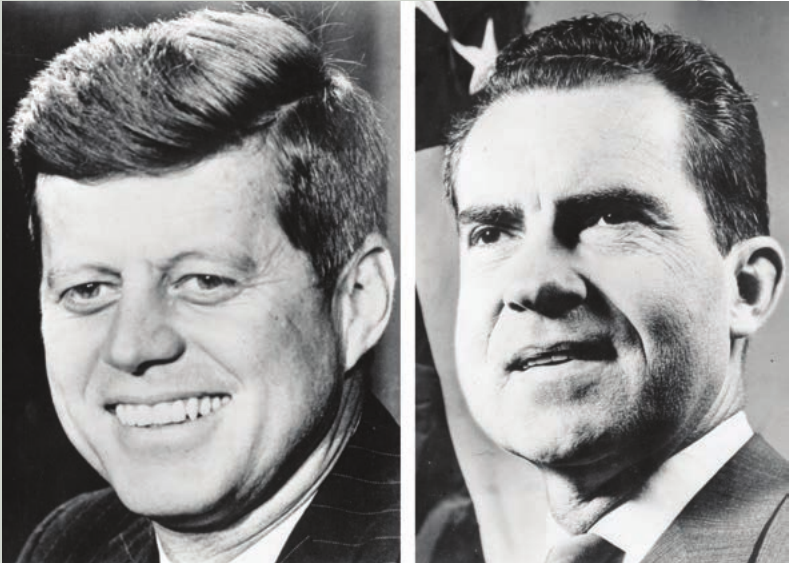
JFK was young, handsome and well-spoken. While these qualities could be communicated through print and radio, it was his personality and charm that television could convey. Television made superficial differences very apparent when JFK faced his opponent Richard Nixon, who was not as physically attractive.
The 1960 Presidential Debate
The Presidential Debate on 26 September 1960 was broadcast on television and radio. Research after the event recorded:
- Those who listened to the debate on radio thought Nixon won based on what he said
- The television audience of over 70 million who focused on physical appearance declared Kennedy the winner
Note
This shows a clear distinction between the power of different media forms to influence audiences. JFK won the election, with more than half of all voters reporting that televised debates played a role in their decision. Six per cent stated debates were the specific reason they voted for JFK.
Clinton versus Trump: the smartphone era
Fast forward to the 2016 American presidential election. Televised election debates had become fundamental to the electoral process, but the technology allowing audience participation had dramatically changed.
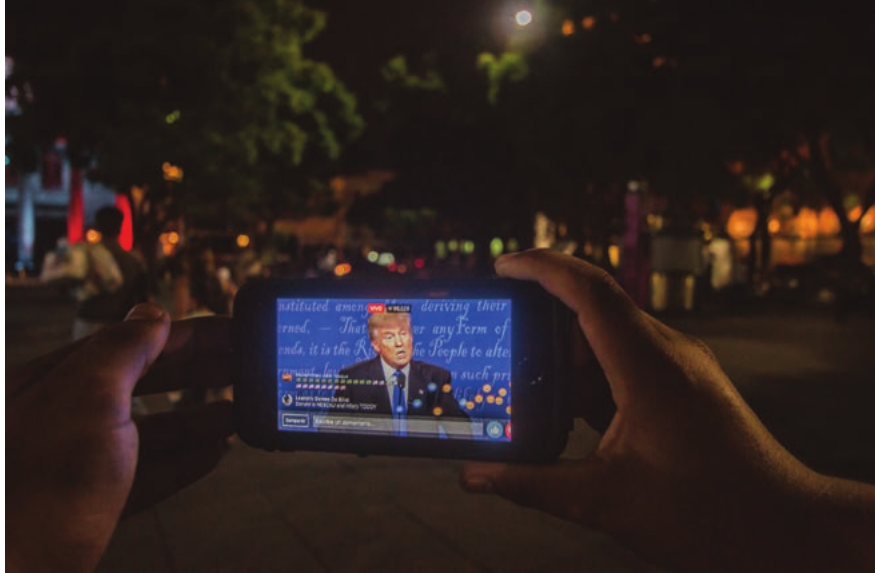
On 26 September 2016, presidential candidates Hillary Clinton and Donald Trump met for their first debate. As the debate began, multiple media forms participated simultaneously:
- Television: Traditional debate format watched live by millions
- Twitter: Almost 6 million tweets mentioned or tagged either candidate during the debate, with journalists, commentators, politicians and ordinary citizens posting thoughts and retweeting others
- YouTube: Three official live streams from Bloomberg TV, the Washington Post and Telemundo, plus independent streaming with public commentary
- Online news: Live commentary from journalists across multiple platforms
- Facebook: Live streams with open comments and political debate between supporters
- Memes: Text on images created and shared via platforms like Reddit and Facebook in real-time response to candidates' statements
- Print media: Journalists recorded the debate for extended commentary in the next day's papers
Echo chambers and social media politics
Throughout the 2016 campaign, social media accessed via smartphones took a prominent role in public debate. In the Nixon and JFK era, audiences debated with friends and co-workers using opinions of journalists who were generally free and independent enough to judge either candidate fairly. Voters were expected to consider all options carefully before voting.
In the 2016 campaign, the nature of audience involvement completely altered how candidates and supporters attempted to sway voters. The sheer volume of available technology and media meant a bottomless pit of views, opinions, videos, posts and blogs were available to those willing to search.
Note
Key term: An echo chamber is a situation where ideas are amplified and reinforced through constant repetition in a closed system that prevents alternative ideas from taking shape.
Important
On Facebook, debate reached such intensity that many users began "unfriending" and hiding opinions they disagreed with. Clinton supporters only saw news and posts by other Clinton supporters; Trump supporters only saw what they wanted to see. People were trapped in their own echo chambers – they only saw posts sympathetic to their own beliefs, reinforcing what they already believed.
Twitter and political discourse
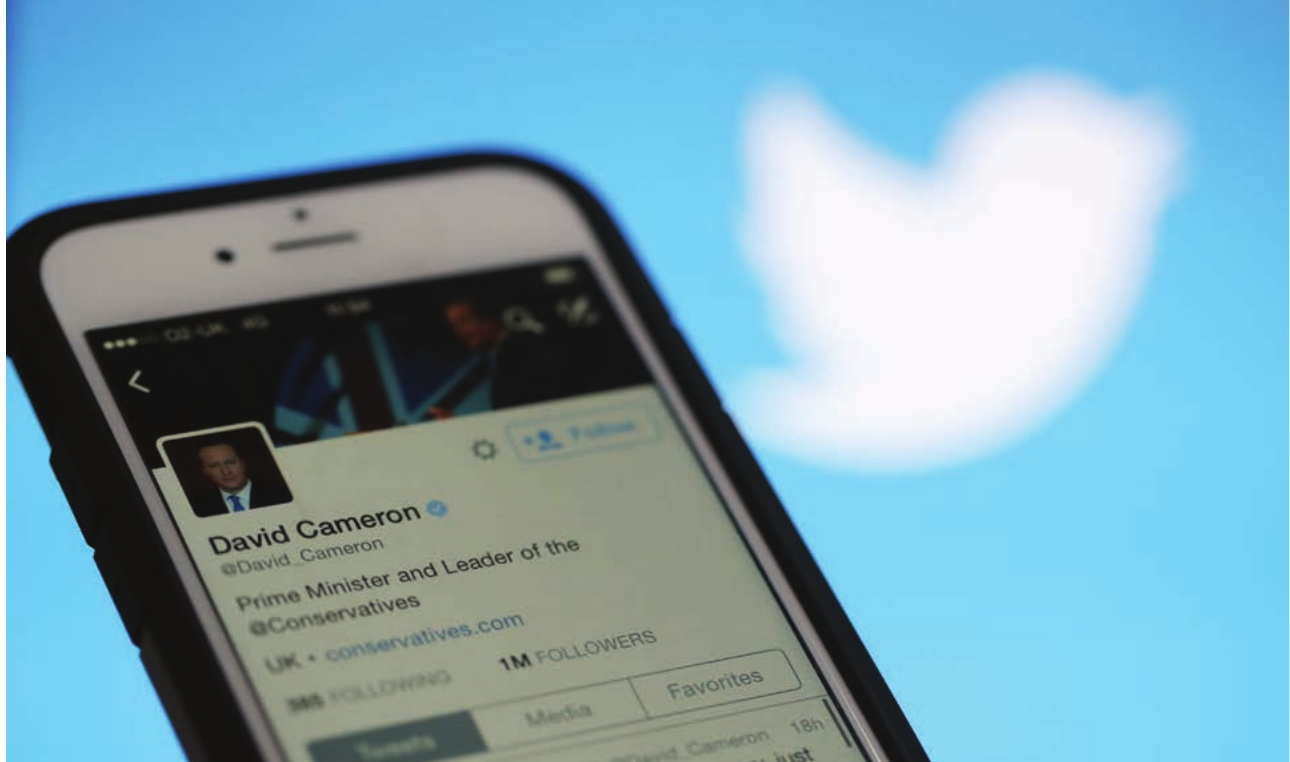
Twitter provided opportunities for audiences to share informed opinions, but this was hindered by the behaviour of both Clinton and Trump, who used the platform to belittle and "troll" each other. In response to one of Trump's frequent attacks, Clinton responded with a common trolling retort: "delete your account."
Note
Key terms:
- Troll: Someone who leaves intentionally offensive messages on the internet to get attention or cause trouble
- Micro-blog: A short message for anyone to read, sent especially from a mobile phone
- Hashtag: Used on social media for describing the general subject of a tweet or other post
The limitation of 140 characters on the micro-blogging platform ensured that well-informed and calm political debate was minimal.
Twitterbots
A 2016 Oxford University study examined the source of tweets about the campaign. It found that:
- At least one-fifth of tweets supporting Clinton came from automated accounts
- At least one-third of tweets supporting Trump came from automated accounts
Note
Key term: Twitterbots are Twitter accounts that act like robots, automatically tweeting, liking, following or messaging other Twitter accounts.
These accounts are not owned or operated by unique individuals but by software programs generating tweets with the intention of getting certain hashtags to trend and dominate discussion on the platform. The value and place of Twitter in this media event must be carefully scrutinised.
Note
Exam tip: When analysing social media's role in politics, consider both the democratic potential (everyone has a voice) and the problems (echo chambers, trolling, automated accounts, misinformation).
The rise of internet memes
A relatively recent phenomenon in the 2016 election, internet memes were closely examined for their influence over political debate.
Note
Key term: An internet meme is an image, video, website, hashtag or hyperlink created for comedy that spreads from person to person on the internet.
Used sparingly by political leaders like Clinton, memes were overwhelmingly a tool used by ordinary citizens to exert influence within the political process. Just like tweets, Facebook posts, Snapchats and Instagram photos, political memes of the 2016 campaign were direct examples of ordinary people influencing political debate from the "bottom up."
Usually little more than an extremely simple message in text that either supported or criticised the image it appeared over, memes played an interesting role in changing or reinforcing political opinions during the campaign.
Note
The power of a meme lies in its simplicity. Memes thrive on minimal detail and speed. They are easy to create, with countless smartphone applications making their construction quick and simple for millions who don't have time to construct coherent written arguments.
Summary
Key Points to Remember:
-
The Digital Revolution marked a fundamental shift from analogue to digital technologies, democratising media production and giving ordinary people unprecedented power to create and share content.
-
The 24-hour news cycle transformed journalism from careful investigation (exemplified by Watergate) to rapid-fire reporting where speed often trumps accuracy.
-
Web 2.0 technologies (YouTube, Facebook, Twitter, Wikipedia, Instagram) shifted control from a powerful few to the many, enabling user-generated content on a massive scale.
-
Smartphones, particularly the iPhone (2007), made internet access mobile and ubiquitous, fundamentally changing how we consume and create media.
-
Social media has transformed political discourse, creating echo chambers where people mainly encounter opinions similar to their own, whilst enabling both democratic participation and problematic phenomena like trolling and twitterbots.