Reconstruction of the Q Station Using Historical Evidence (HSC SSCE Modern History): Revision Notes
📚Revision Notes
Reconstruction of the Q Station Using Historical Evidence
Introduction
Reconstructing the Q Station means creating a complete picture of how this important site operated during the nineteenth and early twentieth centuries. Historians use a variety of historical evidence to understand the station's role in protecting Australia from infectious diseases.
Note
Key term: Reconstruction is an attempt to get a complete description of a past event using the evidence available.
The Q Station (Quarantine Station) at North Head in Sydney was Australia's first line of defence against deadly infectious diseases brought by ships arriving from overseas. To understand exactly how it worked, historians examine:
- Photographs from site visits
- Primary sources (original documents, records, inscriptions)
- Secondary sources (books and articles by historians)
- Archaeological evidence (buildings, objects, graves)
Note
The combination of these different types of evidence allows historians to cross-reference information and build a more accurate and complete understanding of how the Q Station operated. Each type of evidence provides unique insights that complement the others.
The process of quarantine
Arrival and sorting
When ships arrived at the Q Station, passengers underwent a strict procedure designed to prevent disease spreading into the colony.
The quarantine process involved five main steps:
Step 1: Disembarkation at the wharf Passengers left their ship and arrived at the wharf area.
Step 2: Sorting into 'sick' and 'healthy' Medical officers inspected passengers and separated them into two groups. Initially, the sick area and graveyard were visible to arriving passengers, causing panic. These were later moved out of sight.
Step 3: Fumigation and disinfection
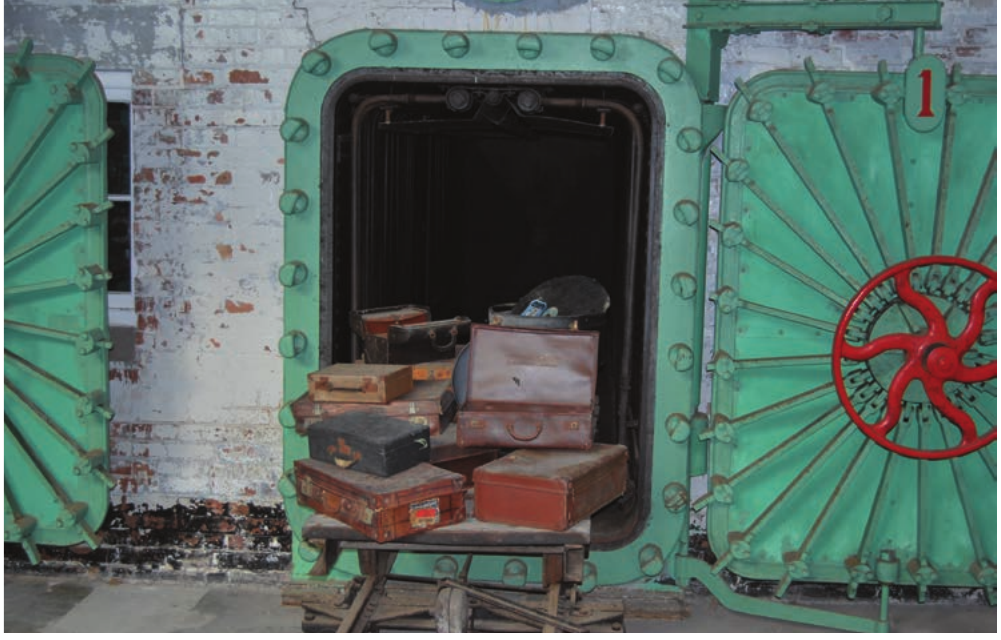
- Luggage was fumigated in the flat area near the wharf to kill any disease-carrying insects or germs
- An autoclave (a large steam chamber built in 1912) was used to sterilise luggage using high-pressure steam
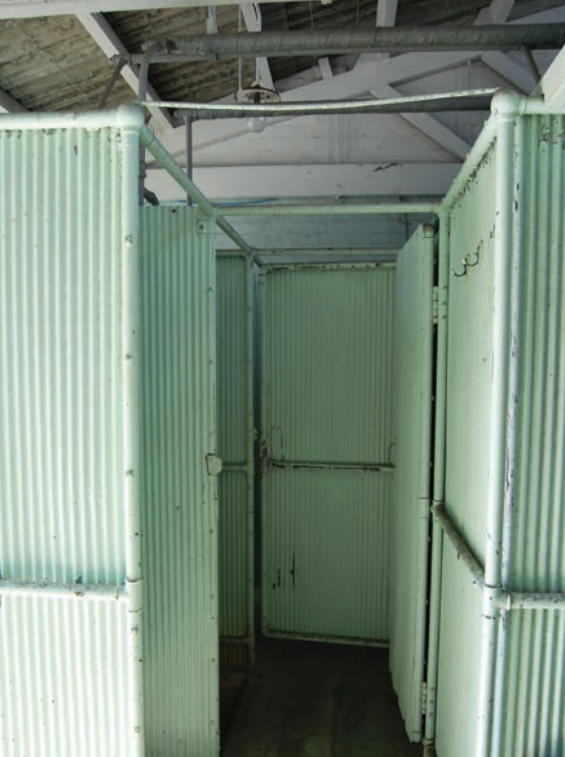
- Passengers took disinfection showers that bathed them in carbolic acid solution (phenol mixed with water) to kill germs
Step 4: Medical inspection and classification The ship's doctor or Quarantine Station doctor examined each person and classified them according to:
- Their health status (sick or healthy)
- Their social class (First, Second, Third Class, or Asiatic)
Step 5: Journey to accommodation Passengers and their families made the long trek up the steep hill to their designated accommodation areas. Their fumigated luggage followed them.
Note
Key terms:
- Fumigate: to disinfect or purify an article using steam or chemicals
- Autoclave: a piece of equipment that uses steam at high pressure to sterilise (clean) objects
Important note about the process
Important
The level of accommodation and individual freedom depended entirely on a person's class, social status, and cultural background. This reflected the social attitudes and prejudices of the time, including racism and strict class divisions.
Accommodation at the Q Station
The class-based housing system
The Q Station's accommodation reflected the social and cultural divisions of nineteenth and early twentieth-century Australia. Housing was strictly segregated by class and race, with vast differences in comfort and freedom between the different areas.
First Class accommodation
First Class passengers received the best treatment and accommodation.
Location and features:
- Elevated above the wharf
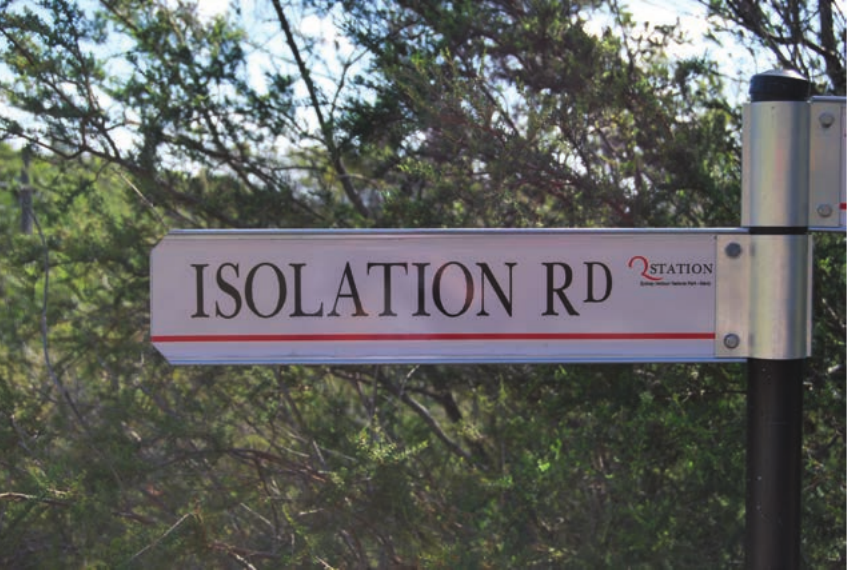
- Far removed from the isolation road, hospital, and morgue
- Buildings aligned with the beach
- Considered the most comfortable area
Amenities:
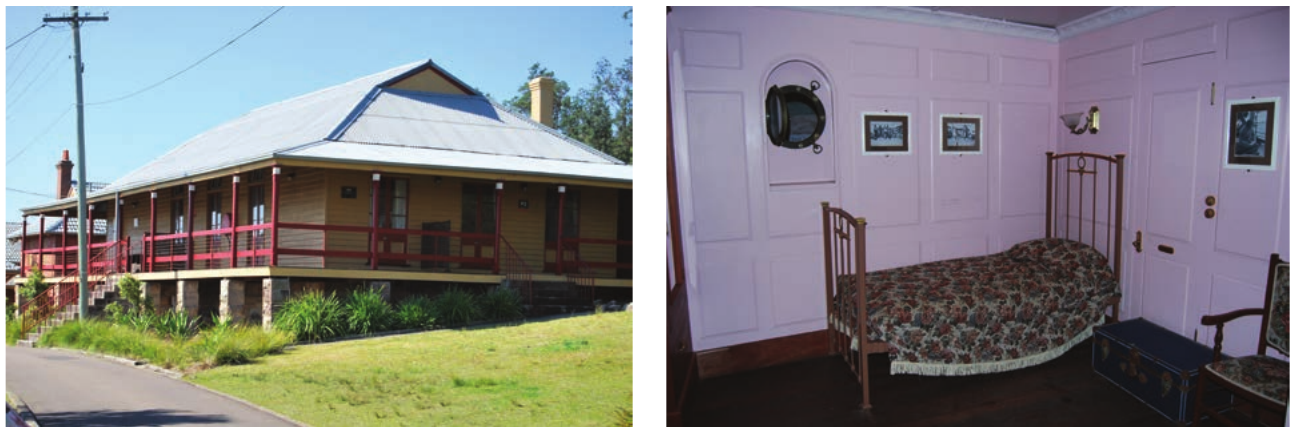
- Private or semi-private rooms with decorative features
- Wide verandas for shelter from wind and heat
- Raised on brick and sandstone piers to avoid dampness
- Separate spaces for dining and leisure activities
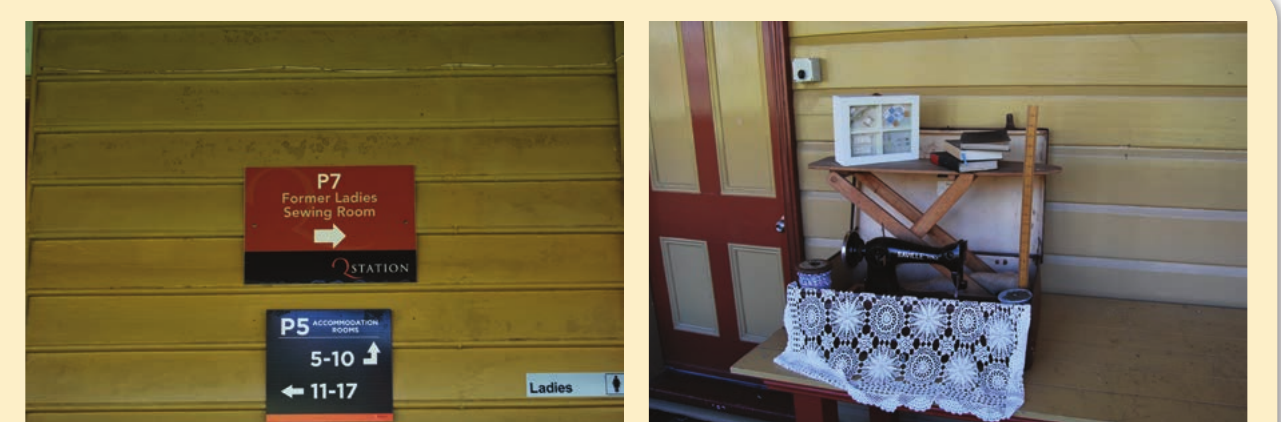
- Sewing rooms for ladies of higher social classes
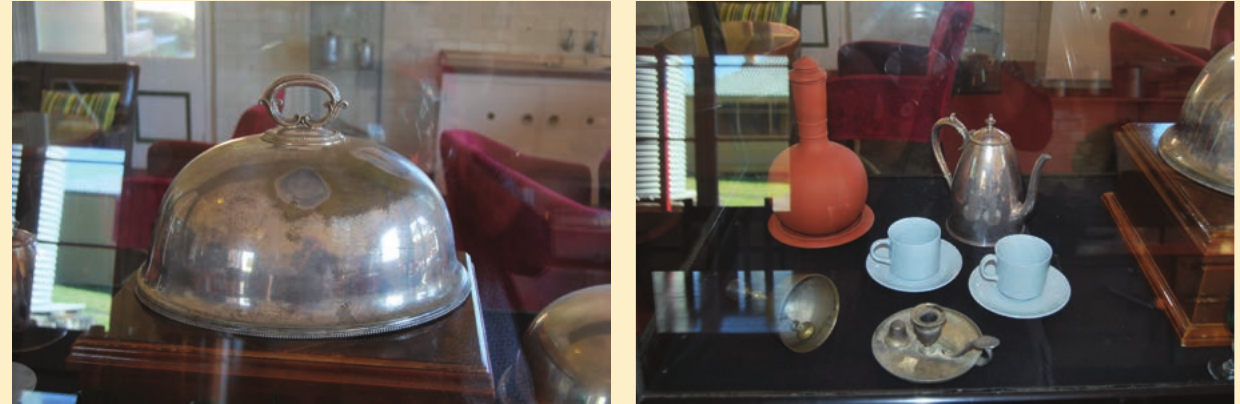
Daily life: Archaeological evidence shows that First Class quarantine became less about restriction and more about leisure and comfort. Objects found include:
- Fine china and serving ware
- Silver tableware
- Decorative items
- Sewing equipment
Second Class accommodation
Two Second Class buildings were provided, similar in style to First Class but with important differences:
- Separated from each other by an imposing two-metre fence
- Less spacious and comfortable than First Class
- Still better than Third Class accommodation
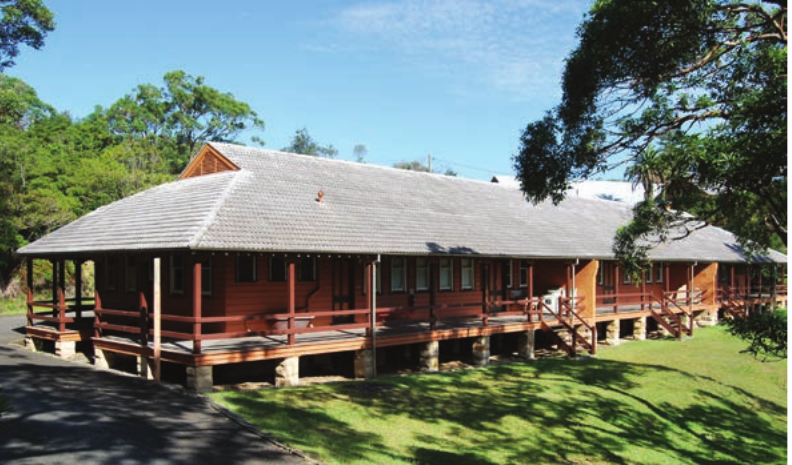
Third Class accommodation
Third Class passengers experienced inferior conditions and strict control:
- Lower levels of comfort
- Heavily fenced in
- Administration and staff buildings positioned to provide supervisory oversight (like a watchtower)
- More regimented daily life
Asiatic accommodation
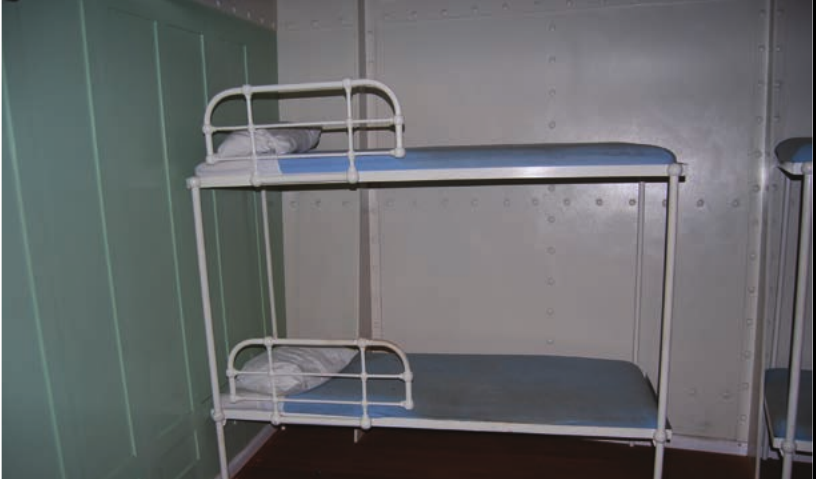
Built in the 1880s, the Asiatic quarters were the most basic accommodation.
Features:
- Shared dormitory-style accommodation with bunk beds
- Minimal facilities and comfort
- Often used for ship's crew regardless of their actual background
Important
Historical context: This segregation reflected the xenophobic (fear of foreigners) and racist attitudes in Australia from the 1880s until the White Australia Policy ended under Prime Minister Gough Whitlam in the 1970s. The separation was based on prejudice rather than medical necessity.
Improvements over time
As the twentieth century progressed, accommodation improved for all classes:
- Wide verandas added for shelter against extreme winds and summer heat
- Buildings raised on brick and sandstone piers to prevent dampness and improve sanitation drainage
- Better facilities and furniture, especially after World War II
- Modern conveniences like electric lights
Post-World War II changes
After 1945, migration policies changed dramatically. Prime Minister John Curtin and Immigration Minister Arthur Calwell promoted a "populate or perish" policy, dramatically increasing immigration. The Quarantine Station adapted to house:
- New migrants arriving through assisted passage schemes
- "Illegal immigrants" (the first arrived in 1959)
- Unvaccinated arrivals requiring quarantine
Note
Between 1950 and 1952, eleven buildings were removed and others refitted with new furniture and facilities. However, this meant some historic structures were demolished or relocated, resulting in the loss of some historical evidence.
Additional facilities and infrastructure
Beyond accommodation, the Q Station included many specialized buildings that supported the quarantine operation:
Medical facilities:
- Hospital for treating the sick
- Isolation ward for highly contagious cases
- Morgue for storing bodies
Sanitation facilities:
- Disinfection shower blocks
- Industrial laundry
- Boilerhouse
Transport infrastructure:
- Large luggage shed at the wharf
- Cable tramway (funicular railway) to transport heavy luggage up the steep slope
- Later, electric lighting throughout the site
Note
Key term: Funicular refers to a cable railway in which a cable attached to vehicles on rails moves them up and down a steep slope.
Diseases, death and contagion
Smallpox epidemics
Smallpox was a constant concern throughout the Quarantine Station's operation. The extensive building programme started in the 1880s to contain smallpox. The last reported smallpox epidemic occurred in 1917, during Australia's involvement in World War I.
Bubonic plague outbreaks (1900-1922)
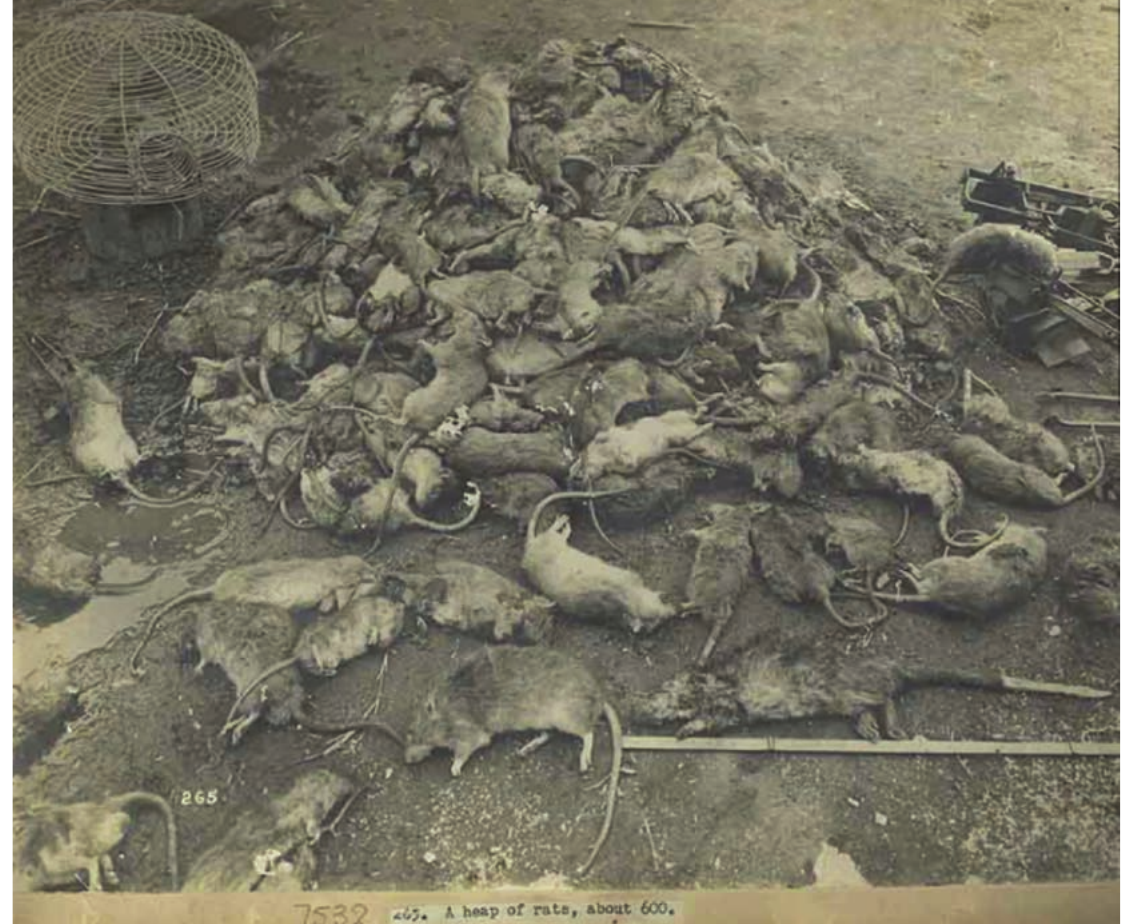
Bubonic plague was the most deadly disease threat to the new Australian nation.
Important
Key term: Bubonic plague is a disease spread from fleas on rodents, often carried between countries by shipping. It's a bacterial infection that attacks the lymph nodes and spreads through the lymphatic system, causing death.
Timeline and impact:
- Spread from Bombay (now Mumbai) in the late 1800s
- First case in Sydney: Arthur Paine, a wharf delivery man, on 19 January 1900
- Multiple outbreaks from 24 January 1900 until 1922
- Caused widespread panic and sensational media coverage
Quarantine response:
- Contaminated persons and their contacts had to be quarantined for 40 days
- The Q Station was used as a first-line defence, caring for affected people both on shore and on incoming ships
- Death boats ferried the deceased from Woolloomooloo to the Quarantine Station, causing public alarm
Statistics:
- 1,746 people quarantined at North Head for plague
- 1,496 as contacts (people who had been near infected individuals)
- 263 actual cases
- 103 deaths at North Head
- Overall in Australia: at least 1,371 cases and 535 deaths
- Sydney was the most affected area
- Average quarantine stay for survivors: 45 days (many stayed much longer)
- Patients were discharged after having normal temperature for 10 days with no unhealed sores
Note
One of the earliest victims was a two-year-old boy from the Dovey family, highlighting how the disease affected people of all ages.
World War I diseases
During and after World War I, the Quarantine Station isolated and treated soldiers with various diseases.
Venereal disease (VD)
Note
Key term: Venereal disease is a disease spread through sexual activity with an infected person.
Treatment of soldiers with VD: Soldiers with venereal disease were dealt with harshly, almost like criminals:
- Reduced pay for loss of active service time
- Shamed and excluded from other soldiers
- Records show that of 17,000 returning soldiers in 1916, over 50% were sick
- Approximately 2,000 of these had venereal disease
- Detained under the Quarantine Act
Tuberculosis (TB)
Characteristics:
- Incurable at the time
- Highly transmittable
- Major concern during the war years
Statistics:
- Over 3,000 returning soldiers contracted TB
- In the last year of the war, approximately 90 soldiers were provided for at the Quarantine Station hospital
Treatment: Unlike soldiers with VD, TB patients received compassionate care:
- Care packages from the Red Cross
- High standard medical care
- Fresh food
- Detailed prescription records show comprehensive treatment
- However, death rates remained high due to the virulent nature of the disease
Note
The Quarantine Station hospital effectively functioned as a military hospital during this period, demonstrating the site's adaptability to different public health needs.
Spanish flu pandemic (1918-1920)
Important
Key term: Spanish flu was an influenza virus considered a pandemic because it killed over 500 million people worldwide at the end of World War I. The strain was particularly contagious and virulent, causing pneumonia. It attacked the respiratory system, and even people with healthy immune systems were severely affected.
Timeline and threat:
- Main threat to Australia in 1918
- Over 50 million deaths throughout Europe and other nations in 1918
- Initially thought unlikely to reach Australian shores
- Affected returning soldiers and people greeting them at ports
Quarantine response: Rigid regulations included:
- All ships quarantined for seven days with everyone observed for signs of illness
- Banning of social gatherings
- Closure of schools
- Travel restrictions
- Wearing of masks to avoid contamination
Impact:
- By end of 1920: 692 patients quarantined at North Head hospital with Spanish flu
- 21 deaths at the Quarantine Station
- In Sydney: 30,000 cases
- By July 1919: over 600 deaths in Sydney from Spanish flu
Important
Quarantine proved less effective against Spanish flu than against plague or smallpox. This raised public questions about potentially relocating the site further south, away from Sydney.
Case study: Private Hector Fraser Hicks
Example
Worked Example: Tracing an Individual's Story Through Historical Records
A mechanic born on 22 February 1900 in Albury, New South Wales, Hector enlisted on 9 September 1918, aged 18 (with his father's consent). He embarked from Sydney on 2 November 1918 aboard the ship Medic, but the vessel was recalled due to the Armistice (end of World War I).
Hector contracted influenza, was quarantined on 25 November, and died at the station on 30 November 1918. He was laid to rest at the Third Cemetery.
His death certificate and gravestone provide valuable historical evidence about the impact of Spanish flu on young Australians just as World War I ended. This case demonstrates how historians can reconstruct individual stories from official records, combining multiple sources to understand personal tragedies within the broader historical context.
Death records and burials
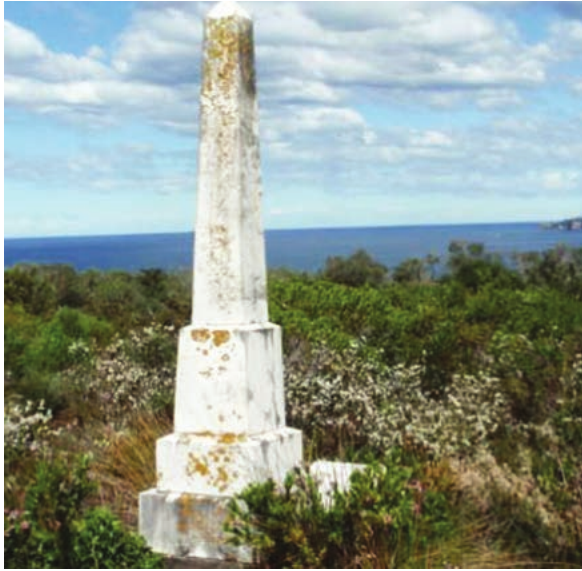
The Third Cemetery
Created in 1881 because earlier grave sites had become overcrowded and, according to news reports, gave off offensive odours. Recent archaeological work has revealed important information about the number and causes of deaths.
Disease mortality statistics (1881-1919)
| Disease | Number of burials | Percentage of total deaths |
|---|---|---|
| Smallpox (1881-82) | 6 | 2.5% |
| Scarlet fever (1883-84) | 5 | 2.1% |
| Smallpox (1884-85) | 4 | 1.7% |
| Smallpox (1887-88) | 15 | 6.2% |
| Bubonic plague (1900-01) | 105 | 43.6% |
| Pneumonic influenza (1918-19) | 63 | 26.1% |
An additional 44 isolated deaths (17.8%) resulted from other infectious diseases or causes.
Note
Key findings:
- Bubonic plague caused the most deaths (43.6% of total burials)
- Spanish flu was the second deadliest (26.1%)
- Smallpox, despite multiple outbreaks, resulted in relatively fewer deaths
- The death record provides the grave number for each death, allowing historians to trace individual stories
Remember!
Summary
Key Points to Remember:
-
The Q Station was reconstructed using multiple types of historical evidence: photographs, primary documents, archaeological finds, and physical structures
-
The quarantine process involved five key steps: disembarkation, sorting, fumigation/disinfection, medical classification, and transfer to accommodation
-
Accommodation was strictly segregated by class and race, reflecting the social prejudices of the time, with First Class receiving the best treatment and Asiatic quarters the worst
-
Bubonic plague was the deadliest disease at the Q Station, accounting for 43.6% of all burials, followed by Spanish flu at 26.1%