Why is the Q Station a Significant Historic Site? (HSC SSCE Modern History): Revision Notes
📚Revision Notes
Why is the Q Station a Significant Historic Site?
Introduction to the Q Station
The Quarantine Station at North Head, Manly, New South Wales (now known as the Q Station) is Australia's oldest and best-preserved quarantine site. A quarantine is a period of isolation designed to protect people from disease transmission. The term comes from the Italian word 'quarantena', meaning 40 days, which was the isolation period used during the Black Death outbreak in fifteenth-century Venice.
Note
What is Quarantine?
A quarantine is a period of isolation specifically designed to protect communities from disease transmission. The practice has its roots in medieval Venice, where ships arriving during the Black Death were required to anchor offshore for 40 days ('quarantena' in Italian) before passengers could disembark. This waiting period allowed authorities to determine whether the ship carried infected individuals.
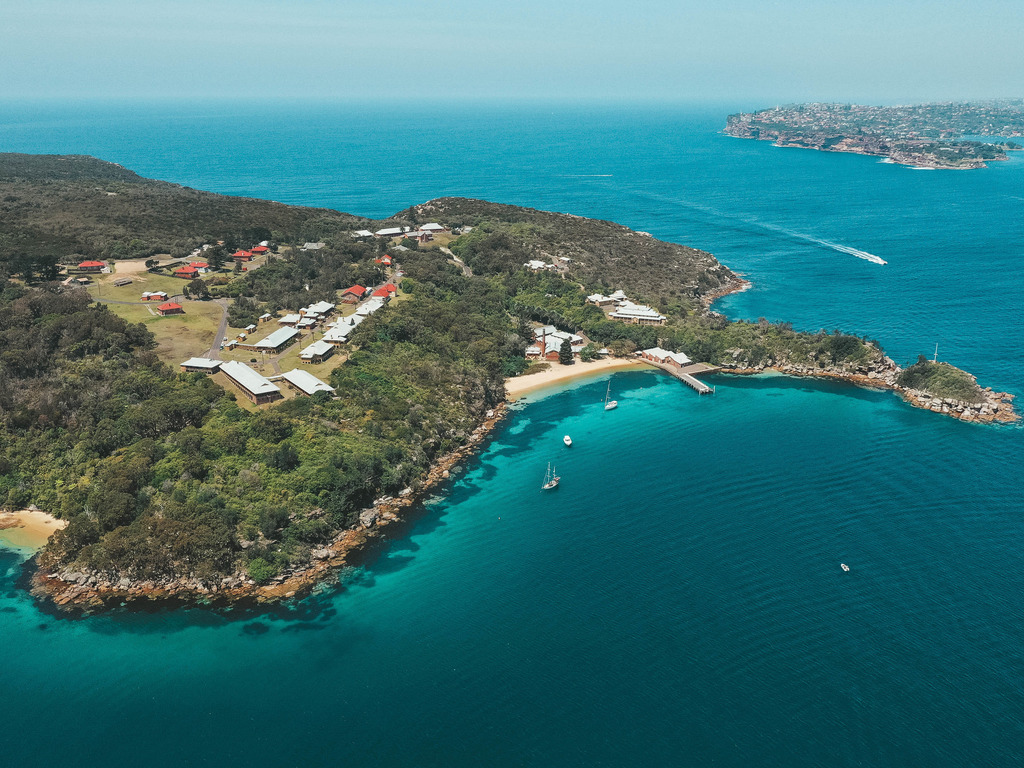
From 1837 to 1984, the Q Station served as a vital point of disease control for the developing nation. During this nearly 150-year period, over 13,000 people passed through the site, and there were 570 recorded deaths and burials.
Why the Q Station is historically significant
Disease control and public health
The Q Station played a crucial role in protecting Australia from deadly disease outbreaks. The site was used to contain and control major epidemics including:
- Smallpox: A highly contagious viral disease that caused severe skin lesions and often led to death
- Bubonic plague: Spread by fleas carried by rats, causing major alarm when it arrived in Sydney in January 1900
- Spanish influenza: The devastating 1918-1919 pandemic that quarantined over 12,000 people across more than 100 ships
- Smallpox and typhus: Other infectious diseases that threatened the new colony
Important
Critical Role in Nation Building
The successful management of these diseases at the Q Station was essential for Australia's survival and development as a nation. Without effective quarantine measures, any of these epidemics could have devastated the young colony's population and halted its economic and social development.
Immigration and migration stories
The Q Station documents the rich diversity of people who came to Australia. Those quarantined at the site included:
- Convicts and free settlers
- Gold rush migrants from the 1850s onwards
- Returning soldiers from World War I and World War II
- European migrants detained in the 1950s-1970s to prevent foot-and-mouth disease
- Vietnamese refugees following the Fall of Saigon in 1975, including over 100 children through 'Operation Babylift'
- Evacuees from Cyclone Tracy in Darwin in 1974
The site helps us understand the social fabric and migration stories that contributed to modern multicultural Australia.
Evidence of social class divisions
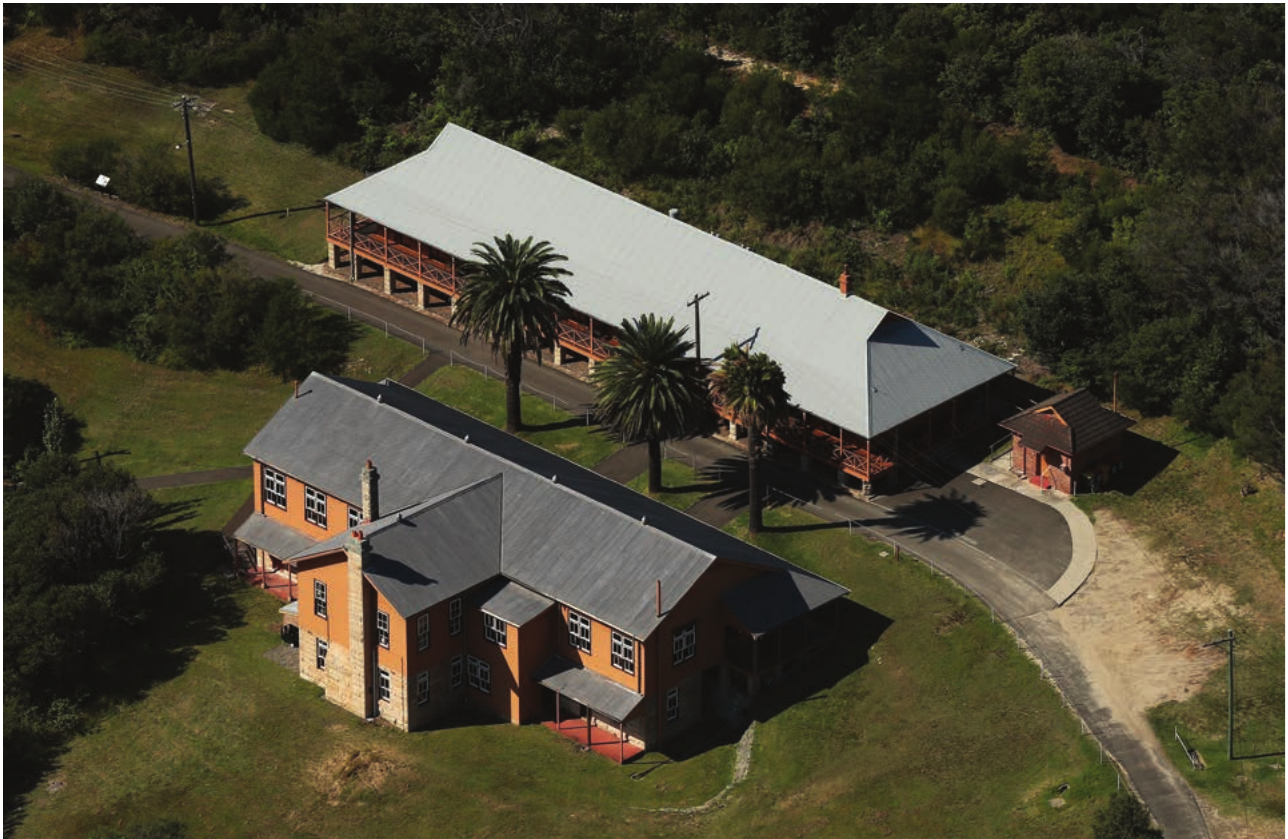
The Q Station provides clear evidence of class divisions in Australian society. The site was organised into separate accommodation based on passenger class:
- First Class Precinct: Built hastily in the 1870s after complaints from wealthy passengers on ships like the Hero (1872) and Baroda (1873)
- Second Class Precinct: Developed from buildings originally intended for plague victims
- Third Class Precinct: Used the oldest, most basic facilities on the site
Note
Class Divisions Extended Beyond Death
Even in death, class divisions continued at the Q Station, with burials organised according to social status. This separation reflected the rigid class structure of colonial and early twentieth-century Australian society, where wealth and social position determined not only living conditions but also final resting places.
Racial attitudes and xenophobia
The Q Station reveals changing attitudes towards race and foreigners. In 1902, separate 'Asiatic Accommodation' was built to segregate people suspected of carrying the 'yellow peril'. This xenophobic response to Asian immigration coincided with the introduction of the White Australia Policy through the Immigration Restriction Act 1901 and the Pacific Island Labourers Act 1901.
Important
Understanding Xenophobia
Xenophobia means an extreme dislike or fear of foreigners, their customs and religions. The architectural separation at the Q Station provides physical evidence of this discriminatory attitude. This separate accommodation wasn't based on medical necessity but on racial prejudice, reflecting the deeply ingrained racism of early twentieth-century Australian society.
Archaeological and historical evidence
The Q Station is significant because it contains a rich variety of historical and archaeological sources, including:
Historical records:
- Ships' logs documenting arrivals
- Passenger manifests listing who came through
- Hospital records of treatments
- Death notices and burial records
- Letters and personal correspondence
- Station administrative records
Archaeological sources:
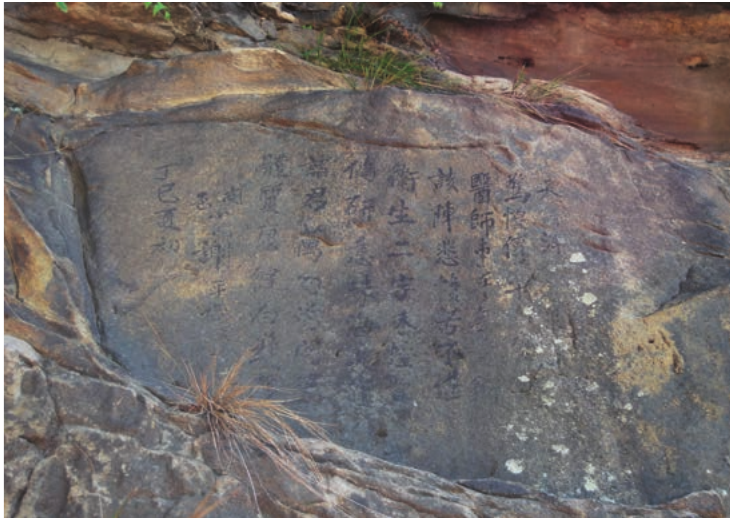
- Rock inscriptions carved and painted by detainees
- Three cemeteries with over 570 burials
- Memorials to those who died
- Buildings from different periods showing evolving architecture
- Fittings and structures revealing daily life
Example
Personal Stories Through Rock Inscriptions
These rock inscriptions provide intimate glimpses into individual experiences at the Q Station. One notable example is the inscription painted by Chinese inmate Xie Ping De in 1917. His artwork reveals not just his name and the date of his quarantine, but also expresses his family connections, hopes for the future, and fears about his fate. These personal testimonies transform the site from a collection of buildings into a place where real human stories of anxiety, hope, and resilience are preserved in stone.
Key periods in the Q Station's history
1828-1838: Establishment
The Q Station's origins lay in the urgent need to protect the young colony from disease. In February 1833, land around North Head was identified as suitable for protecting the colony from disease. However, it took a crisis to spur action.
In February 1837, the Lady M'Naghten arrived with 90 passengers infected with typhus fever, prompting the establishment of the Quarantine Station. Early facilities were temporary and uncomfortable: 36 tents without proper bedding provided the only shelter for sick and healthy passengers alike.
Note
From Tents to Buildings
By 1838, better facilities were constructed including a wharf, buildings for sick and healthy passengers, and the First Cemetery. This rapid development reflected the colonial government's growing understanding that proper quarantine facilities were essential infrastructure, not optional extras.
1839-1872: Growth in migration
This period saw dramatic increases in migration to Australia, testing the Quarantine Station's capacity. In 1840, convict transportation to New South Wales ended, opening the colony to free settlement. The 1852 gold rush brought increased migrants and a smallpox epidemic that strained quarantine resources.
In 1853, the Beejapore brought measles and scarlet fever; 62 people died at the Quarantine Station from over 1,000 crowded passengers. The death of Gabriella Miles, daughter of Colonial Secretary TR Miles, prompted urgent expansion to accommodate 450 detainees. A Second Cemetery was established on higher ground away from incoming passengers' view.
1873-1910: Class division and disease
New steam technology enabled faster voyages and different class passenger fares, bringing social stratification to the Quarantine Station. Complaints from wealthy First Class passengers led to construction of separate First Class accommodation, cementing class divisions at the site.
Important
The Bubonic Plague Crisis
In January 1900, bubonic plague arrived in Sydney, creating one of the most serious public health emergencies in Australian history. The colony's Principal Assistant Medical Officer discovered that rats spread the plague through fleas, leading to improved public health measures. This scientific breakthrough was crucial for disease control.
At the Station, 264 bubonic plague cases were treated; 103 died there and 48 more were transported on the 'death ferry' for burial. The mortality rate reflected both the severity of the disease and the limitations of medical treatment at the time.
In 1901, buildings named 'Lyne' (after the NSW Premier) were built for plague victims but later converted for Second Class passengers. The following year, in 1902, 'Asiatic Accommodation' was built, reflecting racist White Australia Policy attitudes. Finally, in 1909, the Quarantine Act 1908 gave the Commonwealth control of North Head, recognising that disease control was a national responsibility.
1910-1950: From Spanish flu to leisure
This period saw major improvements to the Station's facilities and infrastructure. In 1912, major upgrades followed overseas inspection. The following years brought new challenges: a 1913-1914 smallpox outbreak from the New Zeelandia led to 1,042 people being quarantined.
New facilities were built including an improved wharf, luggage shed, disinfectant showers, laundry and the Seamen's Isolation Hospital at Collins Flat. These improvements came just in time for the greatest quarantine challenge the Station would face.
Example
The Spanish Influenza Pandemic
Between 1918-1919, the Spanish influenza pandemic quarantined over 12,000 people across more than 100 ships. This unprecedented crisis overwhelmed the Station's capacity.
Managing the Crisis:
- Returning World War I troops cleared areas for temporary accommodation
- Military personnel guarded the Station to maintain order
- Police controlled increasingly restless detainees as frustration grew
- Skirmishes occurred between authorities and those desperate to leave
The scale of this operation was remarkable. After the Spanish flu was finally contained, only 55 ships were quarantined post-1921, showing how dramatically the pandemic had tested the Station's resources.
1950-1984: Migrants, refugees and evacuees
By the 1950s, quarantine became more leisurely with picnics, leisure time and beach swims, reflecting improved medical knowledge and changed disease patterns. Between 1939-1945, the site was used as a military base during World War II.
Post-war, displaced European migrants were detained for extended periods to prevent foot-and-mouth disease. As air travel reduced ship arrivals to fewer than 12, some aviation passengers without proper vaccination certificates were still sent to the Station. Modernisation included demolishing 11 buildings and improving fumigation through autoclaves.
The Station's final decades saw it serve diverse populations:
- 1974: 213 evacuees from Cyclone Tracy accommodated at the site
- 1975: 215 Vietnamese refugees, including 115 children and babies, housed following the Fall of Saigon and Operation Babylift
Note
The End of an Era
By the 1980s, with modern medical practices and new hospitals, the Quarantine Station ceased operations. On 16 March 1984, the Commonwealth returned the land to the NSW State Government, and it became part of Sydney Harbour National Park. This marked the end of nearly 150 years of continuous quarantine operations.
1984-present: Conservation and adaptation
The transformation from working quarantine station to heritage site began in 1985, when the National Parks and Wildlife Service began conservation, recording historical assets and documenting rock engravings. By 1987, former First and Second Class Accommodation was used for tours and meetings.
In 2000, the Mawland Group won the tender to conserve the heritage site despite local opposition. However, tragedy struck when the former Third Class Precinct was destroyed by fire in 2001. The following year, on 7 February 2002, the 1883 Seamen's Isolation Hospital was destroyed by fire caused by faulty early twentieth-century electrical wires.
Despite these setbacks, in 2006, the Mawland Group began a 45-year lease and conservation work. Finally, on 25 April 2008, the site opened to the public as 'Q Station', allowing Australians to engage with this important part of their history.
Understanding the site today
Since 2006, the Q Station has been reconstructed and its stories re-examined through multiple perspectives. The site's interpretation reflects modern approaches to heritage conservation and education.
Note
Experiencing History at the Q Station
The site's interpretation includes several innovative approaches:
- Restoration of original buildings to show authentic historical structures
- Presentation of physical archaeological evidence like rock inscriptions
- Visitor immersion experiences including ghost tours that bring history to life
- Access to the morgue and hospital areas for deeper understanding
These approaches help modern Australians understand our complex history of migration, disease control, social divisions and changing cultural attitudes. The Q Station serves as a tangible connection to the experiences of thousands who passed through its gates.
Remember!
Summary
Key Points to Remember:
- The Q Station is Australia's oldest and best-preserved quarantine site, operating from 1837 to 1984
- It was essential for disease control, managing outbreaks of smallpox, bubonic plague, Spanish influenza and other deadly diseases
- Over 13,000 people passed through the site, including convicts, migrants, soldiers, refugees and evacuees
- The site reveals class divisions through separate First, Second and Third Class accommodation
- Archaeological and historical evidence (rock inscriptions, cemeteries, buildings, records) documents personal stories and social attitudes
- The 'Asiatic Accommodation' built in 1902 provides physical evidence of xenophobia and the White Australia Policy
- Today, the Q Station helps us understand the migration stories and social fabric that contributed to modern Australia