Nuclear Attack (HSC SSCE Modern History): Revision Notes
📚Revision Notes
Nuclear Attack
Introduction: The Day After
On 20 November 1983, a television film was broadcast across the United States that would change how Americans thought about nuclear war. The Day After was watched by approximately 100 million viewers, making it one of the most-viewed television programmes in history up to that point. The film presented a realistic scenario of what would happen to a small American city if it became the target of a nuclear attack.
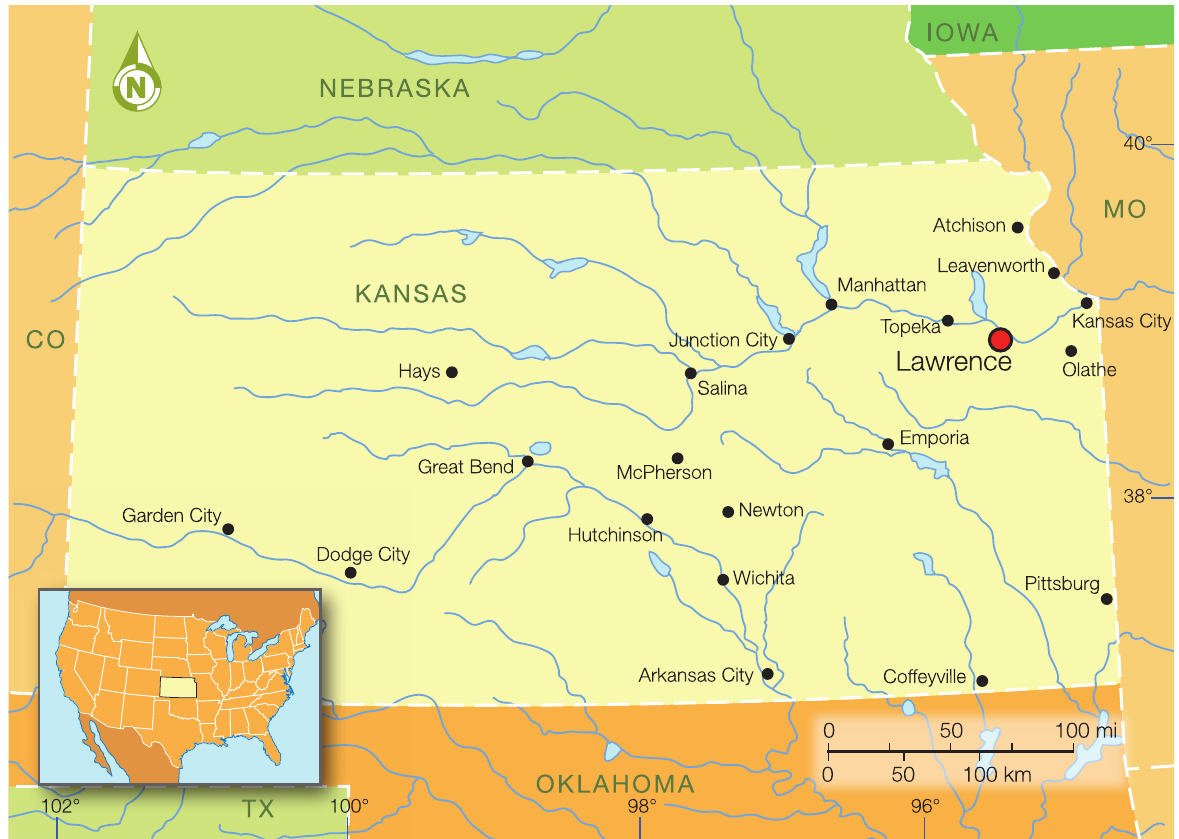
The film focused on Lawrence, Kansas—a city with a population of around 52,000 people. Through the experiences of several fictional characters, viewers witnessed the devastating effects of nuclear warfare on ordinary people going about their daily lives. What made the film particularly powerful was its timing: it was broadcast during one of the most dangerous periods of the Cold War, when tensions between the United States and the Soviet Union had reached alarming levels.
Note
Key term: An existential threat is a global catastrophic event that has the potential to wipe out all of humanity. Nuclear war represents such a threat.
Historical context: the only nuclear attacks in history
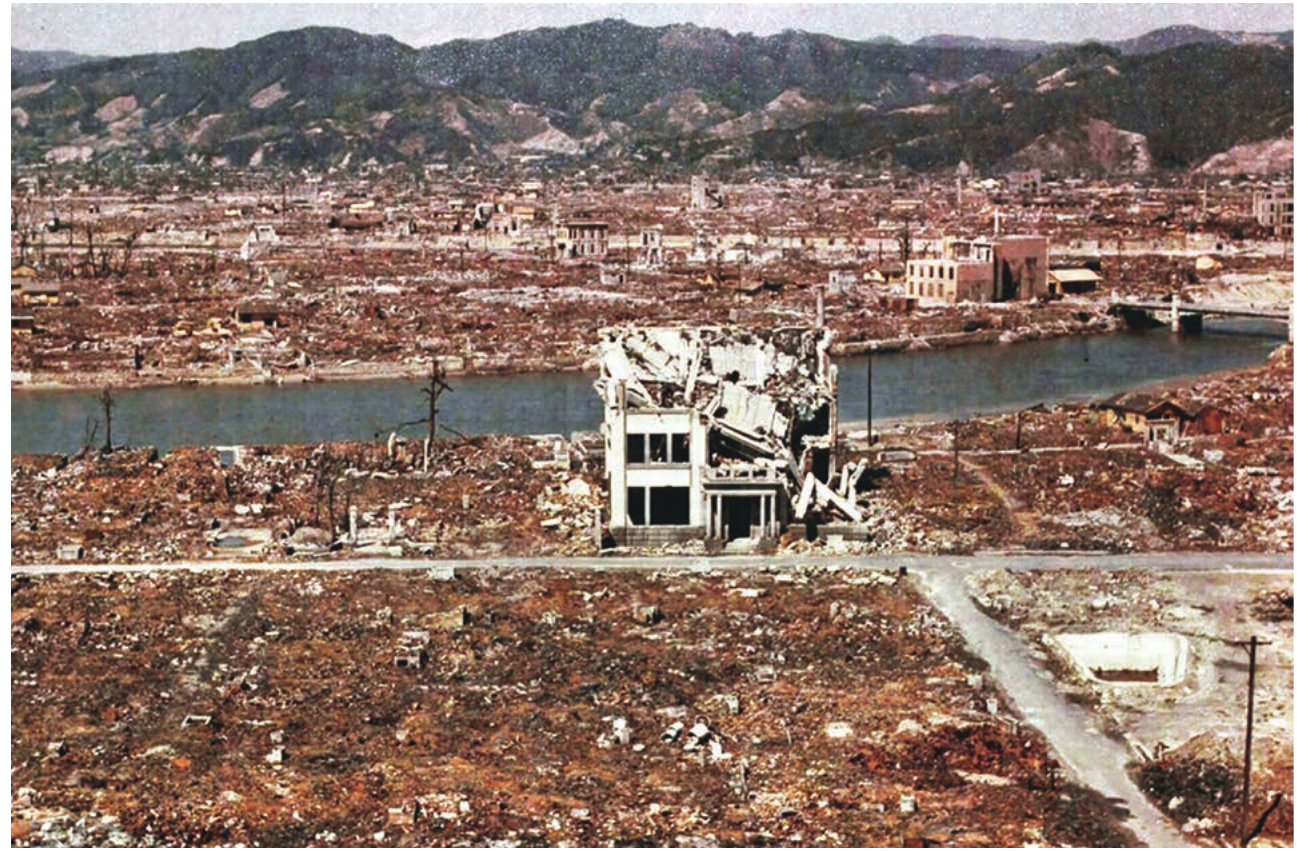
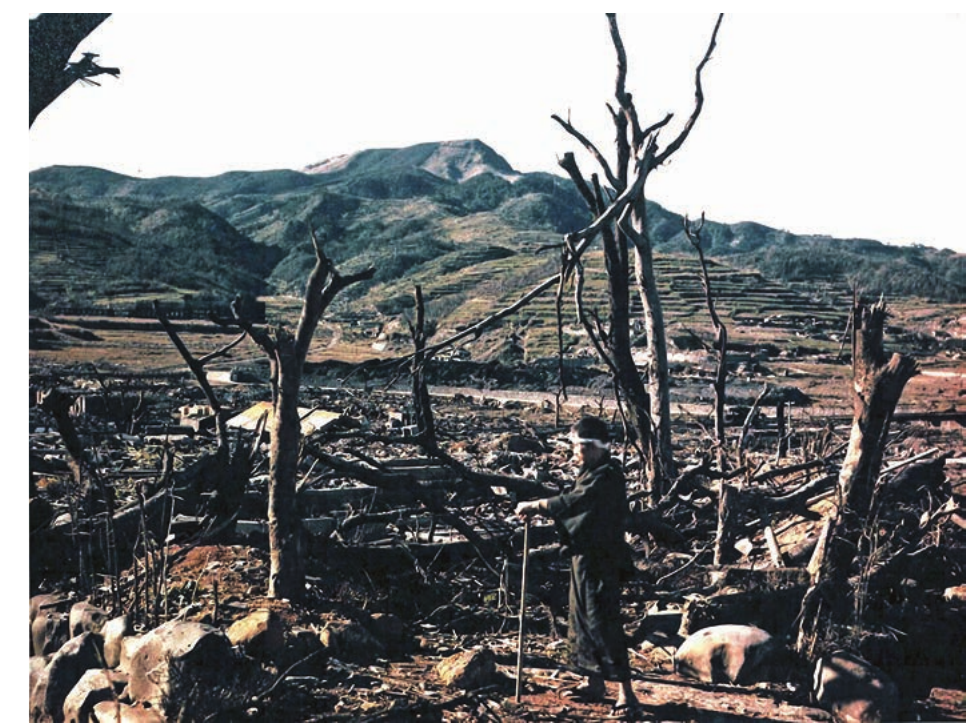
To understand what The Day After attempted to portray, we must first recognise that only two nuclear attacks on human populations have ever occurred. In August 1945, the United States dropped atomic bombs on the Japanese cities of Hiroshima and Nagasaki, bringing World War II to a close.
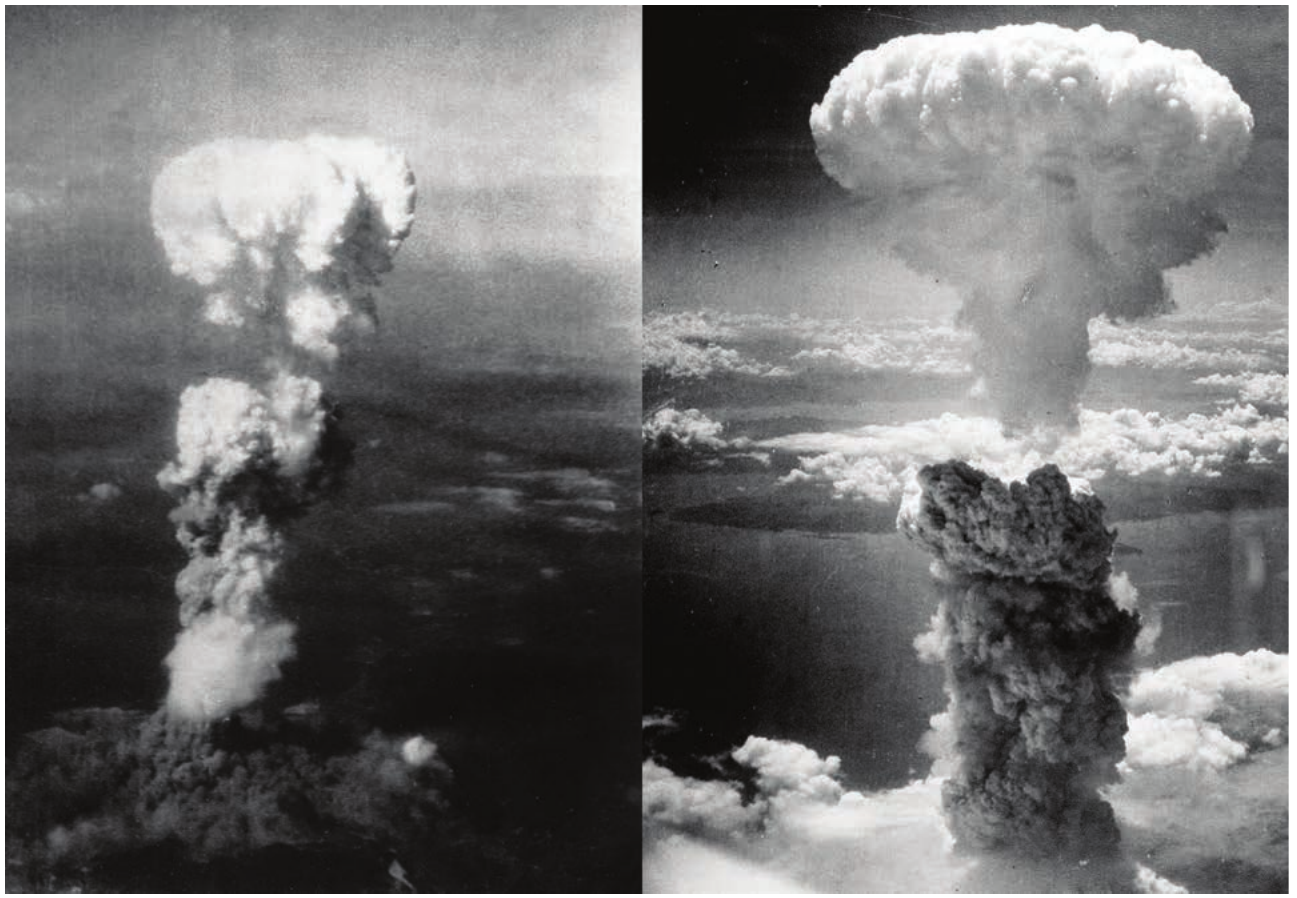
These attacks had catastrophic consequences:
- Hiroshima: approximately 150,000 people killed
- Nagasaki: approximately 80,000 people killed
- Both cities were utterly destroyed
- Many survivors suffered long-term effects from radiation exposure
Important
The survivors of these attacks became known as hibakusha (literally meaning "bomb-affected people"). Their testimonies provide the only direct human accounts of experiencing a nuclear weapon attack. These accounts have been crucial for helping others understand the true human cost of nuclear warfare.
Why we need fictional scenarios of nuclear war
As author Jonathan Schell wrote in his influential 1982 book The Fate of the Earth:
Usually, people wait for things to occur before trying to describe them. But since we cannot afford under any circumstances to let the holocaust occur, we are forced in this one case to become the historians of the future—to chronicle and commit to memory an event that we have never experienced and must never experience.
This presents a unique challenge. How do we understand something that:
- Has never happened on the scale we fear
- Must never be allowed to happen
- Would likely result in the extinction of human civilisation
Schell argued that fiction becomes necessary because investigation alone cannot provide a complete picture. The nuclear weapons that existed in the 1980s (and still exist today) are vastly more powerful than the "baby nukes" dropped on Japan. Furthermore, a nuclear war would involve thousands of weapons being used, not just two.
Note
Key term: A nuclear holocaust refers to a large-scale nuclear war involving massive destruction of human life and the environment.
The challenge of comprehension
One of the main problems with understanding nuclear war is that it exists beyond normal human comprehension. We are reduced to:
- Statistics and numbers
- Film footage of explosions
- Abstract discussions of destruction
Note
None of these truly convey the human experience. This is why personal accounts from hibakusha are so valuable—they provide a glimpse of the human truth behind the statistics.
Sources of evidence for The Day After
The creators of The Day After drew upon several sources of evidence to make their scenario as realistic as possible:
Hibakusha testimonies
The firsthand accounts of Hiroshima and Nagasaki survivors provided crucial insights into:
- The immediate effects of the blast
- The experience of the initial flash and heat
- The aftermath and struggle for survival
- Long-term radiation sickness
Note
American journalist John Hersey's book Hiroshima, published in 1946, was the first to document survivors' experiences. Since then, many hibakusha have shared their stories, becoming advocates for nuclear disarmament.
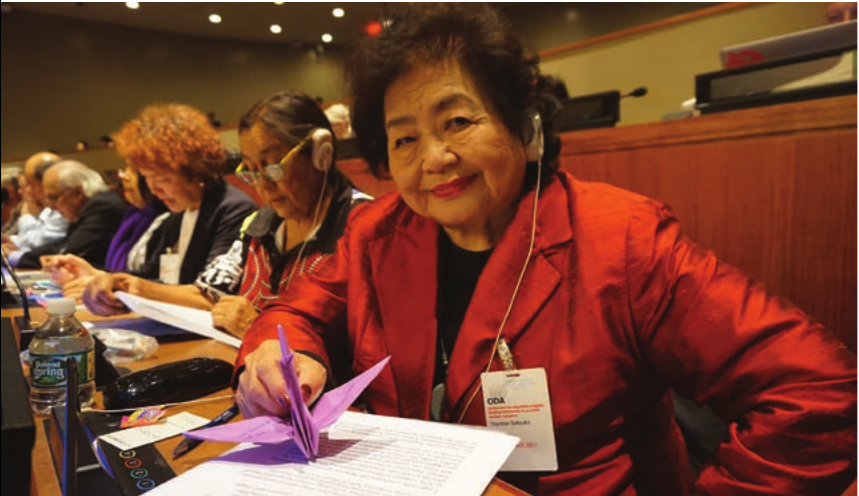
Key term: The Humanitarian Impact Initiative (beginning in 2010) brought together governments, the Red Cross, UN agencies, and NGOs to examine the catastrophic effects of nuclear weapons. This ultimately led to the Treaty for the Prohibition of Nuclear Weapons in 2017.
Nuclear test victims
Between 1945 and the 1990s, approximately 2,055 nuclear tests were conducted by nuclear-armed nations. Many people were affected by these tests, including:
- Aboriginal peoples in Australia
- Inhabitants of the Marshall Islands
- People living near test sites in Kazakhstan
- Military personnel involved in the tests
These individuals provided additional evidence about radiation effects on human health and the environment.
Scientific research
By the 1980s, extensive scientific research had documented the effects of nuclear weapons, including:
- Blast effects and thermal radiation
- Electromagnetic pulse (EMP) effects that disable electronics
- Radiation sickness and its symptoms
- Environmental contamination
- Long-term health consequences
Note
Jonathan Schell's The Fate of the Earth compiled this scientific knowledge in accessible form, updating the public about the latest understanding of nuclear weapons effects.
Using fictional characters to show human impact
Rather than creating a documentary, The Day After used fictional characters from various walks of life to help viewers understand the human dimension of nuclear war. The film-makers hoped that audiences would identify with these characters and, through empathy, better appreciate the reality of nuclear warfare.
Key characters in the film
The film followed several characters through the attack and its aftermath:
| Character | Background | Role in story |
|---|---|---|
| Dr Russell Oakes | Hospital physician | Medical professional dealing with aftermath |
| Billy McCoy | Young man | Represents youth affected by war |
| The Hendry family | Farmers living near missile silo | Shows rural impact and shelter limitations |
| Danny Dahlberg | Young student | Permanently blinded by nuclear flash |
| Sam Hachiya | Resident physician | Medical response to mass casualties |
| Alison Ransom | Pregnant woman | Represents future generation threatened |
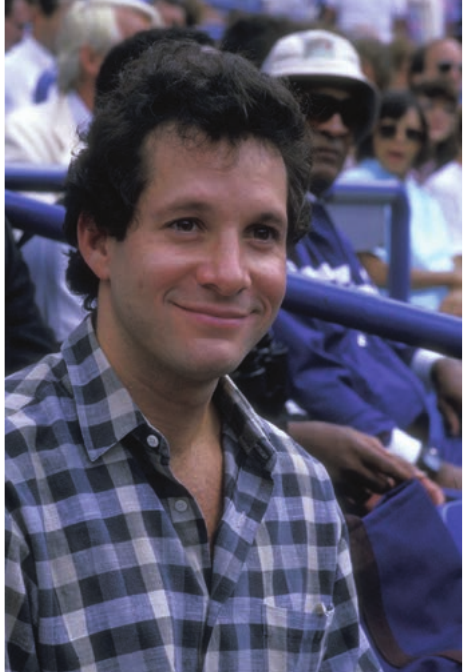
By following these diverse characters, the film illustrated how a nuclear attack would affect people from all backgrounds—doctors, students, farmers, and families.
The nuclear attack scene: what the film showed
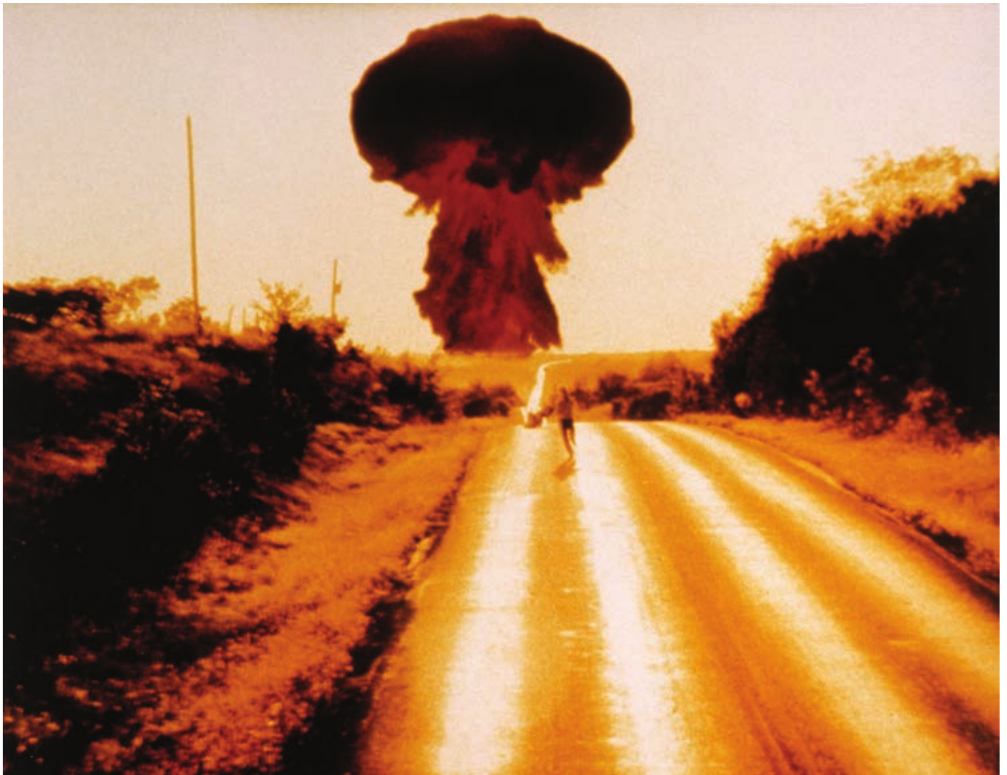
The climactic nuclear attack sequence in The Day After runs for approximately four minutes. It depicts:
Immediate effects
- Panic and chaos as people realise what is happening
- Massive explosions visible on the horizon
- The characteristic mushroom cloud forming
- Electromagnetic pulse disabling all electronics and vehicles
- Intense heat and light from the blast
- People being caught in the open, unprotected
The flash
Important
One of the most devastating effects shown is the intense flash of light. In the film, young Danny Dahlberg is permanently blinded by looking at the nuclear explosion. This is based on real evidence—many hibakusha experienced similar injuries from the intense light and heat released by the atomic bombs.
Aftermath
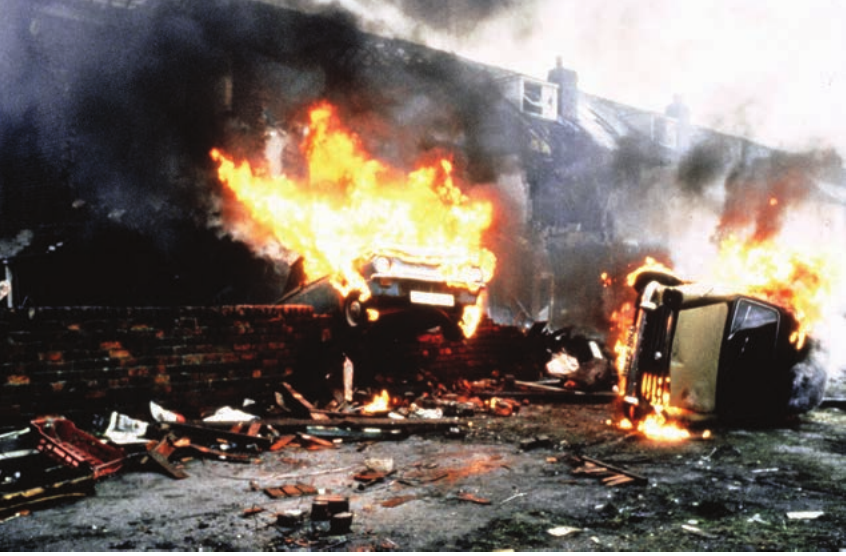
After the explosion, the film shows:
- Eerie silence as everything goes quiet
- Strange "snow" falling (actually radioactive ash and debris)
- Destroyed buildings and infrastructure
- Burned and injured survivors
- Mass casualties overwhelming medical facilities
Life after the attack: the survivors' struggle
The second half of The Day After follows the characters as they attempt to survive in the post-attack environment. The film depicted several major challenges:
Medical crisis
Note
Hospitals faced overwhelming challenges in the post-attack environment:
- Hospitals overwhelmed with casualties
- Lack of supplies and functioning equipment
- Radiation sickness affecting both victims and medical staff
- Difficult decisions about who could be helped
- Inadequate preparation for mass casualty situations
Radiation effects
The film showed realistic symptoms of radiation poisoning:
- Nausea and vomiting
- Hair loss
- Skin lesions and burns
- Weakened immune system
- Progressive deterioration of health
- Death from radiation exposure
Social breakdown
- Loss of communication systems
- Absence of government authority
- Emergence of aggression and hostile behaviour
- Questions about who started the war and whether it was over
- Breakdown of normal social structures
Shelter limitations
Note
The Dahlberg family had prepared a shelter, but the film showed that even prepared families faced enormous challenges:
- Contamination from outside
- Limited supplies
- Psychological stress
- Question of when it would be safe to emerge
- Interactions with unprepared neighbours
The limitations of fictional representation
Jonathan Schell acknowledged an important limitation when using fiction to depict nuclear war:
Important
The other obstacle to our understanding is that when we strain to picture what the scene would be like after a holocaust we tend to forget that for most people, and perhaps for all, it wouldn't be like anything, because they would be dead. To depict the scene as it would appear to the living is to that extent a falsification, and the greater the number killed, the greater the falsification.
In other words, any film about nuclear war inherently misrepresents the reality because it must show living survivors. In an actual nuclear war, most people would simply be dead. The film could only show the perspective of those who survived, which creates a distorted picture of the true devastation.
What the film couldn't fully show
- The scale of death (most victims would die instantly or shortly after)
- Global environmental effects (nuclear winter, long-term contamination)
- The extinction-level threat to human civilisation
- The impossibility of meaningful civil defence
- The permanent alteration of Earth's environment
The film's impact and significance
Despite its limitations, The Day After had significant effects:
Public consciousness
For one night, 100 million Americans confronted the reality of nuclear war. The film:
- Brought nuclear war into people's living rooms
- Made abstract threats feel concrete and personal
- Challenged government assurances about civil defence
- Sparked widespread discussion and debate
Note
As one character, Alison, says in the film: "We knew the score. We knew all about bombs. We knew all about fallout. We knew this could happen for 40 years. Nobody was interested."
The film made people interested again.
Political impact
The film even affected political leaders. President Ronald Reagan viewed the film privately and wrote in his diary that he was "greatly depressed" after watching it. The film contributed to changing attitudes about nuclear weapons at the highest levels of power.
Civil defence programmes
One lasting effect was the end of credible civil defence education programmes. After The Day After and similar films, governments found it increasingly difficult to convince populations that nuclear war was survivable with proper preparation.
The peace movement
The film became adopted by the nuclear disarmament movement and contributed to the largest mass protest movement in history during the 1980s. This pressure eventually contributed to arms control agreements between the United States and Soviet Union.
Exam tips
When discussing The Day After in your exam:
Remember to:
- Explain why fictional scenarios are necessary for understanding nuclear war
- Discuss the sources of evidence used (hibakusha testimonies, nuclear tests, scientific research)
- Analyse how the film used characters to create empathy and understanding
- Consider both the strengths and limitations of fictional representation
- Connect the film to its historical context (Cold War tensions in the early 1980s)
- Evaluate its impact on public consciousness and policy
Note
Key historical context: The early 1980s saw heightened Cold War tensions, including Soviet invasion of Afghanistan (1979), Ronald Reagan's "evil empire" speech (1983), and deployment of new nuclear missiles in Europe. This made the threat of nuclear war feel more immediate and real to ordinary people.
Summary
Key Points to Remember:
-
The Day After was a 1983 television film watched by 100 million Americans, depicting a nuclear attack on Lawrence, Kansas and its aftermath.
-
Only two nuclear attacks on human populations have occurred: Hiroshima and Nagasaki in August 1945. Survivors (hibakusha) provide the only direct testimony of experiencing nuclear warfare.
-
Fictional scenarios are necessary because we cannot allow nuclear war to actually occur, yet we need to understand its potential consequences. As Jonathan Schell wrote, we must become "historians of the future."
-
The film drew on multiple sources: hibakusha accounts, nuclear test victims' experiences, and scientific research documented in works like The Fate of the Earth.
-
Character-based storytelling helps create empathy and makes abstract nuclear threats feel personal and real. The film followed diverse characters including doctors, students, and families.
-
The film showed realistic effects including electromagnetic pulse, radiation sickness, social breakdown, and the failure of civil defence measures to provide adequate protection.
-
Fiction has limitations when representing nuclear war—it necessarily shows survivors' perspectives when in reality most people would be dead. This creates an inherent falsification.
-
The film had significant impact, contributing to changed public consciousness about nuclear war, influencing political leaders including President Reagan, and supporting the 1980s peace movement.