The Great Depression and Its Impact (HSC SSCE Modern History): Revision Notes
📚Revision Notes
The Great Depression and Its Impact
Overview of the Great Depression
The Great Depression was triggered by the Wall Street stock market crash on Black Friday, 29 October 1929. This economic catastrophe brought the booming American economy of the 1920s to a sudden halt and plunged the nation into unprecedented hardship.
During the 1920s, the American economy had experienced remarkable growth. Production rates increased by 5.5-6.5% annually, and unemployment remained low. This prosperity fuelled the American dream of self-made wealth and consumption. Americans associated material success with personal virtue and hard work, whilst viewing poverty as a moral failing rather than an economic problem.
Note
The 1920s represented a period of extraordinary economic expansion in America. New technologies, mass production techniques, and consumer credit created an era of unprecedented prosperity. However, this growth masked fundamental weaknesses that would soon bring devastating consequences.
However, beneath this prosperity lay serious structural weaknesses that would contribute to the economic collapse.
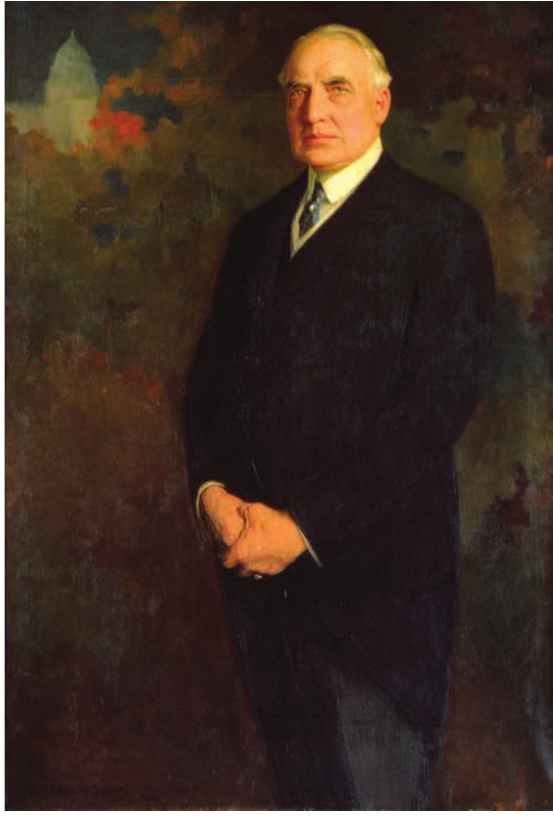 President Warren Harding
Causes of the Great Depression
Banking system problems
The Federal Reserve Act of 1913 had created a decentralised banking system across America. Many small, independently owned banks operated without federal backing or reserves. These banks enthusiastically offered credit and hire-purchase loans for new consumer goods like automobiles and radios.
Between 1921 and 1927, American debt exploded from US$560 million to US$2.9 billion. Meanwhile, bank deposits decreased and many private banks failed. This unstable banking system proved unable to withstand economic shock.
Important
The lack of federal backing and reserves meant that when banks failed, depositors lost their life savings entirely. This created a cascading effect where one bank's failure could trigger runs on other banks, spreading panic throughout the financial system.
Overproduction and under-consumption
American manufacturing had accelerated dramatically during the 1920s, driven by new technologies and production methods pioneered by industrialists like Henry Ford. However, a fundamental problem emerged: whilst production increased rapidly, ordinary working-class Americans lacked the income to purchase all these goods.
Over 50% of automobiles and 70% of radios were purchased on credit through expensive hire-purchase schemes. This created an unsustainable situation where production outpaced genuine purchasing power.
Important
The Core Problem: The Production-Consumption Gap
The American economy had created a dangerous imbalance. Factories could produce goods at unprecedented rates, but workers' wages had not kept pace with this productivity. This meant that the very people making the goods could not afford to buy them without going into debt - a situation that could not continue indefinitely.
Agricultural crisis
The farming sector faced particular difficulties. During World War I, American farmers had prospered by supplying European markets. After the war ended, European agriculture resumed and American farm produce became uncompetitive due to high prices.
American farming prices fell sharply. For example, wool prices dropped from 80 cents to 20 cents per pound. Between 1923 and 1929, whilst wages generally increased by 4%, farming prices fell by 9%. This created severe hardship for rural America.
Note
The agricultural crisis demonstrated how interconnected the global economy had become. American farmers had expanded production during the war, taking on debt to buy more land and equipment. When European demand disappeared, they were left with overproduction, falling prices, and crushing debt burdens.
Stock market speculation
By the end of the 1920s, stock market speculation had reached dangerous levels. Stock prices had risen by 99%, and Gross Domestic Product grew by 9% between 1929 and 1930. However, these gains were built on speculation rather than real economic fundamentals.
Investors realised the market could not sustain such high prices when consumers lacked the money to buy goods. Panic selling followed, triggering the Wall Street Crash.
Trade barriers
The Smoot-Hawley Tariff of 1930 raised taxes on over 20,000 imported goods to protect American industries. However, this policy backfired by preventing European nations from selling goods to America, which reduced their ability to buy American exports. International trade collapsed, deepening the Depression.
Important
The Smoot-Hawley Tariff demonstrates how protectionist policies can have unintended consequences. By restricting imports, America damaged its own export markets. European countries couldn't earn dollars selling to America, so they couldn't afford to buy American goods. This created a vicious cycle that spread the Depression globally.
Effects of the Great Depression
Unemployment and income collapse
The Depression's impact on American society was devastating:
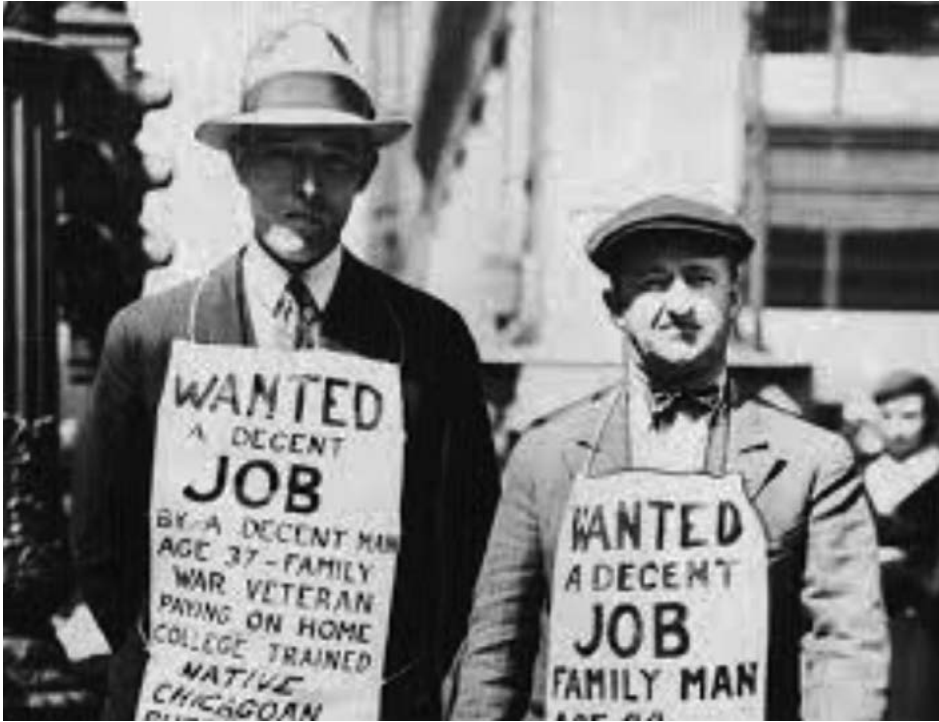
- By 1932, unemployment reached 22.5% across the United States
- Average family income dropped 40%: from US$2,300 to US$1,500 annually
- Over 13 million workers lost their jobs
- Wages decreased by 50% in the early 1930s
- 90,000 businesses closed
Important
The Human Cost of Economic Collapse
These statistics represent more than numbers - they reflect millions of families who lost their livelihoods, savings, and security. A 40% drop in family income meant families could no longer afford basic necessities. With one in four workers unemployed, entire communities were devastated.
Social breakdown
The Depression shattered American society in numerous ways:
- Marriage rates declined as couples could not afford to start families
- Children were placed in care when parents could not support them
- Over 20,000 Americans committed suicide
- Death from starvation occurred in a modern industrialised nation
- Homelessness became widespread
Traditional gender roles were challenged as men lost their provider status. Boys and young girls took on small jobs and domestic chores to help their families survive. Spouses sometimes deserted their families, heading westward in search of work.
Note
The Depression fundamentally challenged American assumptions about success and failure. The traditional belief that poverty resulted from laziness or moral weakness became untenable when millions of hardworking, responsible people found themselves destitute through no fault of their own. This shift in perspective would have lasting implications for American social policy.
Regional impacts and the Dust Bowl
Rural areas in the mid-west and southern states suffered particularly severely. A catastrophic drought reduced farmland to a 'Dust Bowl', combining environmental disaster with economic crisis.
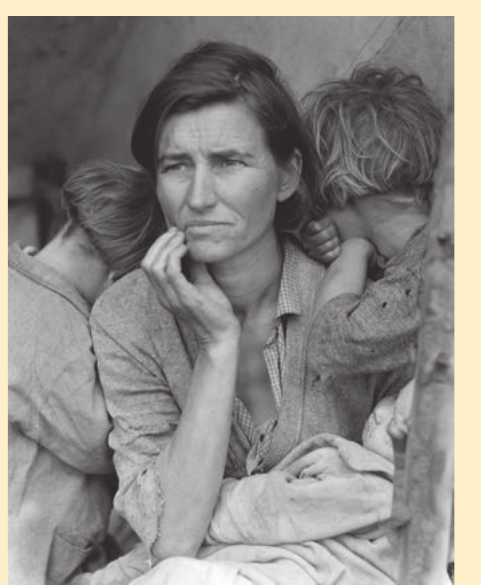
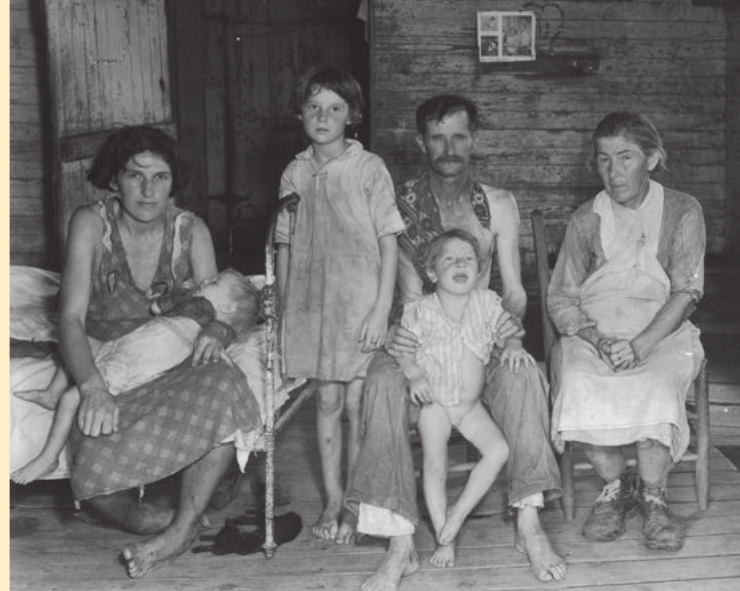
Sharecroppers and tenant farmers faced starvation during these lean years. The famous photograph 'Migrant Mother' (1936) captured the desperation of families affected by the Dust Bowl and Depression.
Migration patterns
Over 250,000 people migrated to western states like California seeking work. Families loaded their possessions onto trucks and left behind their ruined farms and homes.
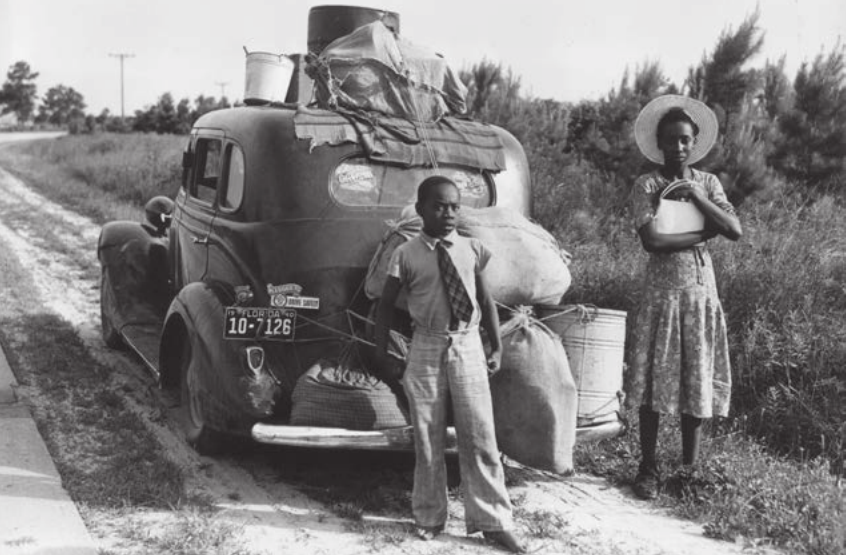
The Great Migration also saw African American families leave the rural South for urban areas in the north-east and mid-west between 1916 and 1970, seeking better opportunities.
Note
These mass migrations reshaped American demographics and culture. The westward movement of Dust Bowl refugees inspired John Steinbeck's The Grapes of Wrath, whilst the Great Migration transformed northern cities and contributed to the Harlem Renaissance. Both movements represented Americans' determination to seek better lives despite tremendous obstacles.
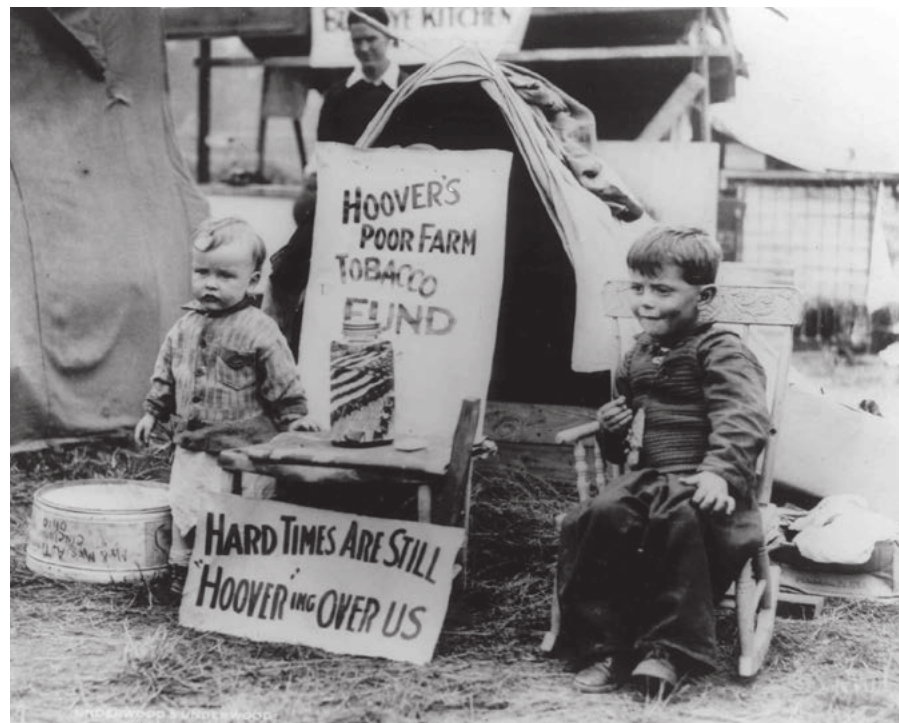
The rise of 'Hooverisms'
President Herbert Hoover became associated with the suffering of the Depression. Americans created bitter terms linking his name to poverty:
Note
'Hooverisms' - Terms of Desperation
Americans coined these bitter terms to express their frustration with the government's response:
- Hoovervilles: Desperate shanty towns built from tin and cardboard by homeless families
- Hoover blankets: Old newspapers used as blankets by people sleeping outdoors
- Hoover hogs: Armadillos hunted for food
- Hoover flags: Empty pockets turned inside out
- Hoover Pullmans: Empty railway boxcars used as shelter by vagabonds
These terms reflected widespread anger at the government's failure to provide relief.
Herbert Hoover's presidency
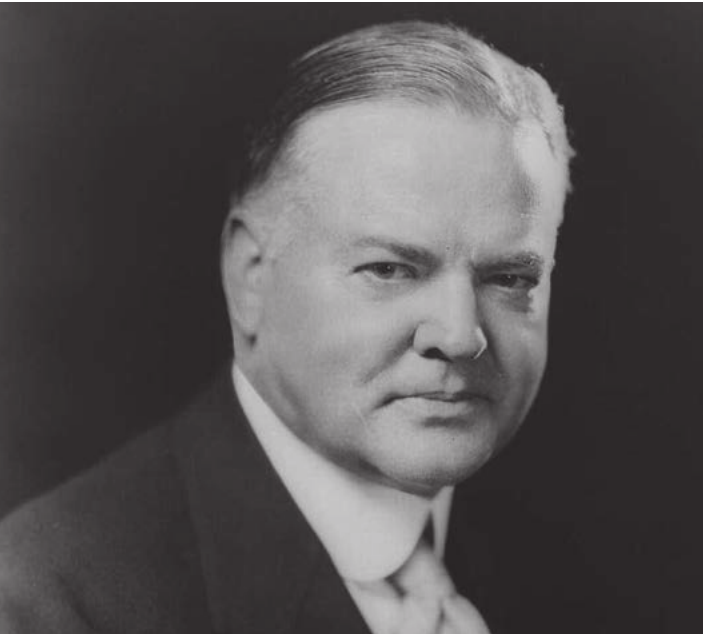
Herbert Hoover served as the 31st US President from 1929 to 1933, throughout the worst years of the Depression. Before his presidency, Hoover had earned respect as an engineer and humanitarian who managed relief efforts in Europe after World War I.
Hoover's policies
Hoover attempted to combat the Depression through:
- Tax cuts to stimulate the economy
- Large-scale infrastructure projects, including the Hoover Dam
- Limited support for businesses
However, Hoover's approach reflected traditional American values of individualism and limited government. He resisted direct federal welfare programmes, believing poverty resulted from personal moral weakness rather than economic circumstances.
Important
Hoover's Ideological Dilemma
Hoover genuinely believed that direct federal welfare would undermine American character and self-reliance. This wasn't callousness - it was a deeply held philosophy about how society should function. However, this traditional approach proved inadequate for a crisis of unprecedented scale. The Depression required solutions that challenged fundamental American assumptions about government's role.
The Bonus Army incident
A critical moment came in 1932 when 62,000 World War I veterans camped near the White House demanding early payment of promised bonuses. Hoover secretly provided them with tents, medical supplies and food, and offered free train rides home when Congress rejected their demands.
Most veterans left peacefully, but some Communist-affiliated militants remained. When violence erupted, Hoover reluctantly authorised General MacArthur to clear the camp. MacArthur used excessive military force, creating terrible publicity for Hoover. Many observers believed this incident ensured Hoover's electoral defeat.
Example
The Bonus Army Incident: A Turning Point
In 1932, veterans who had served in World War I marched to Washington demanding early payment of bonuses promised for 1945. They set up camps near the Capitol, complete with families and children.
What Hoover did:
- Secretly provided humanitarian aid (tents, food, medical care)
- Offered free transportation home after Congress rejected their demands
- Authorised military action only after violence erupted
What went wrong:
- General MacArthur exceeded his orders, using tanks and tear gas
- The military burned down the veterans' camps
- Newspapers published shocking images of soldiers attacking veterans
- Public opinion turned decisively against Hoover
This incident symbolised the government's perceived indifference to suffering Americans.
Hoover's character and legacy
Evidence suggests Hoover was deeply affected by Americans' suffering. His hair turned white, he lost weight, and the presidency took a severe personal toll. He commented that dealing with the Depression was like plugging leaks: "No sooner is one leak plugged up than it is necessary to dash over and stop another that has broken out. There is no end to it."
Note
Later historians have recognised that Hoover worked hard and showed genuine empathy, but he failed to communicate effectively with the public during a crisis. His dry speeches and traditional views made him seem out of touch. The contrast between his genuine efforts behind the scenes and his public image demonstrates how perception can be as important as reality in politics.
After leaving office, Hoover continued humanitarian work. The Boulder Dam was eventually renamed the Hoover Dam in 1946 to honour his contribution.
Franklin D. Roosevelt and the New Deal
FDR's election
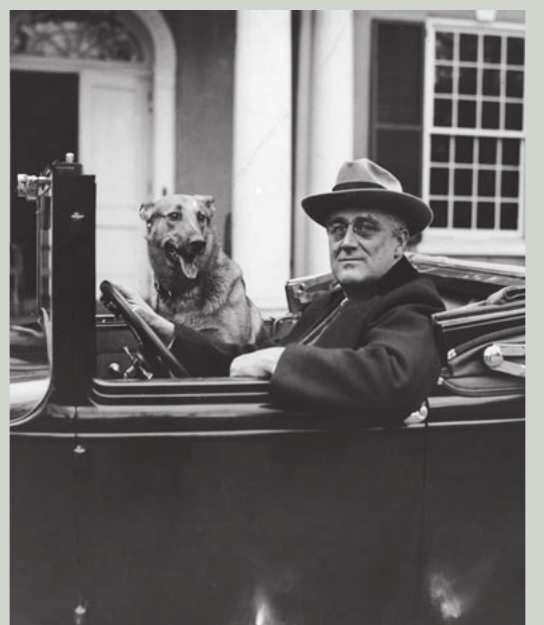
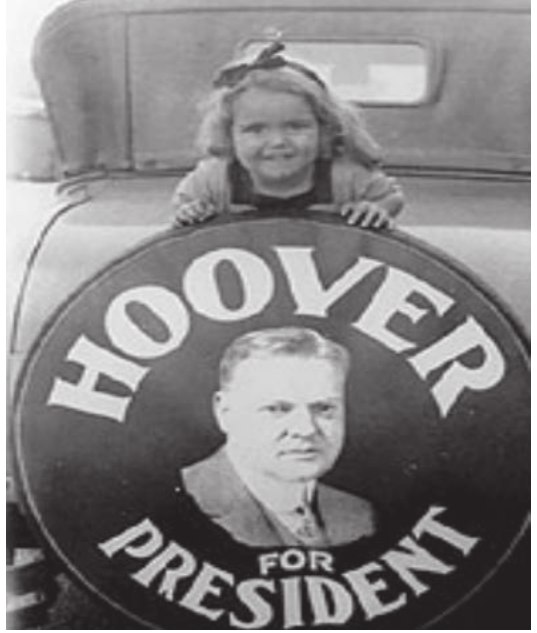
In 1932, Democrat Franklin Delano Roosevelt (FDR) won the presidency on a platform promising government intervention to combat the Depression. His inaugural address captured the nation's desperation:
The withered leaves of industrial enterprise lie on every side; farmers find no markets for their produce; the savings of many years in thousands of families are gone. More important, a host of unemployed citizens face the grim problem of existence, and an equally great number toil with little return.
Roosevelt offered Americans a 'New Deal' - a radical departure from traditional limited government.
What was the New Deal?
The New Deal comprised a comprehensive programme of social and economic policies providing direct government support for Depression victims. These policies represented unprecedented federal intervention in the American economy.
Key features included:
- Government regulation and control of banks
- Public infrastructure projects
- Direct relief payments to unemployed workers
- Support for agriculture
- Controls on wages and prices
- Abandoning the Gold Standard (where currency value was tied to gold reserves)
Important
The New Deal's Revolutionary Nature
The New Deal fundamentally transformed the relationship between American citizens and their government. Before the Depression, most Americans expected little from the federal government beyond defence and basic infrastructure. The New Deal established the principle that the government had responsibility for citizens' economic welfare - a radical shift that continues to shape American politics today.
New Deal programmes and achievements
Roosevelt's government moved quickly to implement sweeping changes:
Banking and financial reforms: The government took control of banking operations to prevent further failures and restore confidence.
Infrastructure projects: Major construction programmes created jobs whilst building lasting infrastructure:
- The Hoover Dam
- The Golden Gate Bridge in San Francisco
- The Chrysler Building
- The Rockefeller Centre
- Dealey Plaza in Dallas
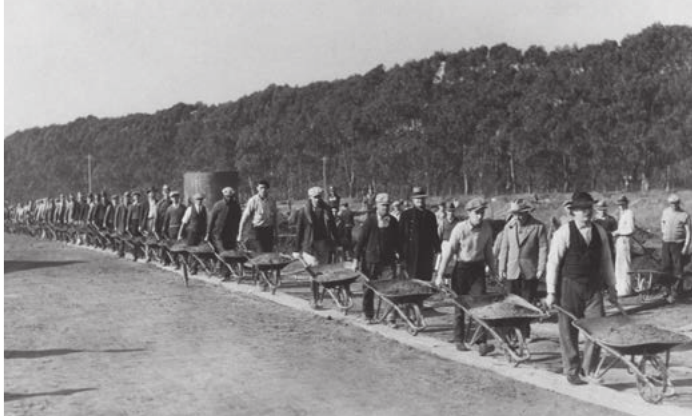
Agricultural support: Direct government subsidies helped farming communities recover. By 1932, farm recovery exceeded US$4.6 billion.
Labour rights: New Deal policies supported labour unions and improved conditions for workers, creating a populist base among working-class Americans.
Relief programmes: The government provided direct financial support, food and housing assistance to millions of Americans.
Example
Worked Example: New Deal Impact on Employment
The infrastructure projects created immediate employment whilst building structures that benefited America for generations.
The Hoover Dam project:
- Employed approximately 21,000 workers directly
- Created thousands of additional support jobs
- Paid wages totalling over US$50 million
- Provided electricity to millions after completion
- Continues to generate power and control floods today
This demonstrates how government spending could create both immediate relief through jobs and long-term benefits through infrastructure.
Impact of the New Deal
The New Deal produced significant economic improvements:
- GDP increased by 10.8% by 1934
- Rural states showed strong recovery, with large majorities voting for FDR in 1936
- Infrastructure projects created millions of jobs
- Banking reforms restored confidence in the financial system
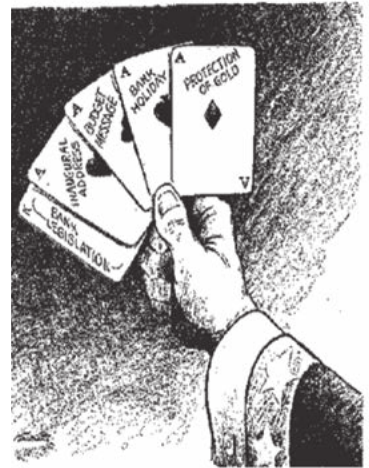
However, critics argued that government debt mounted and resistance to federal centralisation grew by 1938.
Historical debate about the New Deal
Historians remain divided about the New Deal's significance and legacy.
Positive interpretation: Historian David M. Kennedy argues the New Deal achieved impressive results:
By any standard, the achievements of the Hundred Days were impressive. The New Deal had decisively halted the banking panic. It had invented wholly new institutions to restructure vast tracts of the nation's economy... No less important, the spirit of the country, so discouraged by four years of economic devastation, had been infused with Roosevelt's own contagious optimism and hope.
Critical interpretation: Historian Anthony Badger presents a more negative view:
Critics on the right... have argued that Roosevelt artificially created a crisis in 1933, used the analogy of the wartime emergency, and foisted economic regimentation and government control onto the American people. For them, 1933 was a decisive wrong turn in American history, one that set the nation firmly on the road to collectivism and the creation of a Leviathan that is the modern insatiable, bureaucratic state.
Note
The New Deal Debate Continues
Some historians compared the New Deal to medieval feudalism or Marxism, particularly criticising the National Recovery Act, which fixed prices and supplies. This represented extreme government interference in the free market.
The debate reflects fundamental questions about government's proper role: Should it intervene to protect citizens from economic catastrophe, or does such intervention create dependency and undermine freedom? This question remains relevant in modern political debates.
Eleanor Roosevelt's role
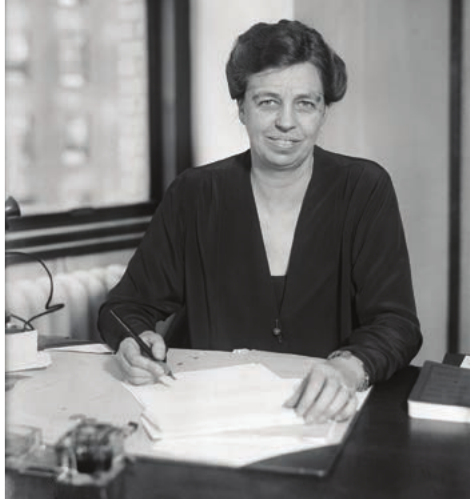
Eleanor Roosevelt, wife of FDR, played a crucial role in securing support for the New Deal. As a mother of six, she became an outspoken advocate for civil and human rights.
Her contributions included:
- Securing women's votes for FDR in 1933 and 1936
- Fighting racial discrimination during a tense period
- Radio promotions and magazine columns that made her popular
- Supporting FDR throughout his 12-year presidency
- Later serving as UN delegate and chair, helping draft the Universal Declaration of Human Rights in 1946
Note
Eleanor Roosevelt was a significant driving force behind many progressive interventions of the 1930s. She used her position to advocate for marginalised groups, including African Americans and women, at a time when such advocacy was controversial. Her activism helped broaden the New Deal's appeal and demonstrated how First Ladies could exercise political influence beyond ceremonial roles.
Cultural responses to the Depression
Despite economic collapse and reduced consumption, American culture showed remarkable resilience. Popular entertainment and literature continued to thrive:
- The board game Monopoly was designed in the 1930s
- Classic films were produced: Gone with the Wind, Frankenstein, The Wizard of Oz
- Important novels were written: The Grapes of Wrath, Of Mice and Men
These cultural artefacts presented messages of hope, survival and return to American greatness. The cinema industry continued producing lavish productions that referenced noble times, self-sacrifice and traditional values. This suggests Americans maintained optimism despite economic hardship.
Note
Cultural Resilience During Crisis
The flourishing of popular culture during the Depression reveals important truths about American society. Rather than abandoning entertainment, people sought escapism and hope in films and games. Ironically, Monopoly - a game about becoming wealthy through property ownership - became popular when many Americans were losing their homes. This suggests that cultural expressions of aspiration and hope remained powerful even when economic reality was grim.
Remember!
Summary
Key Points to Remember:
-
The Great Depression began with the Wall Street Crash on 29 October 1929, caused by overproduction, banking failures, agricultural crisis and stock market speculation.
-
The Depression devastated American society: unemployment reached 22.5%, family income dropped 40%, and over 13 million workers lost their jobs. Homelessness, starvation and suicide became widespread.
-
President Herbert Hoover attempted limited intervention but was blamed for the crisis. Terms like 'Hoovervilles' and 'Hoover blankets' reflected public anger at government inaction.
-
Franklin D. Roosevelt's New Deal marked a revolutionary change in American government, introducing unprecedented federal intervention through infrastructure projects, banking regulation, agricultural support and direct relief programmes.
-
Historians debate whether the New Deal was necessary pragmatism that saved capitalism or dangerous government overreach that fundamentally changed American society. The New Deal's legacy continues to influence debates about government's role in the economy.