US Foreign Policy 1930–41 (HSC SSCE Modern History): Revision Notes
📚Revision Notes
US Foreign Policy 1930–41
Introduction: the shift to isolationism
Following the devastation of World War I, United States foreign policy underwent a dramatic transformation in the 1930s. The country retreated from international engagement to focus on domestic issues and economic growth. This approach became known as isolationism - a strategic foreign policy that prioritized internal development over overseas military commitments.
The scale of American losses in World War I helps explain this shift in policy. The casualties were significant:
Note
American Casualties in World War I
| Category | Number |
|---|---|
| Total US service members (worldwide) | 16,112,566 |
| Battle deaths | 53,402 |
| Other deaths in service (non-theatre) | 63,114 |
| Non-mortal woundings | 204,002 |
These substantial losses - particularly the over 53,000 battle deaths - profoundly influenced American attitudes toward international involvement in the following decades.
After such heavy losses, Americans preferred focusing on domestic prosperity rather than sending soldiers overseas and commemorating their deaths. This sentiment shaped US foreign policy throughout the 1930s.
Key isolationist policies and actions
Several significant actions and policies demonstrated the depth of American isolationism during this period:
Japanese expansion in Manchuria (1931)
When neo-imperialist Japan expanded into Manchuria in 1931, the United States deliberately refused to recognize these territorial changes. This refusal to acknowledge Japan's actions reflected America's unwillingness to become involved in international disputes.
The Stimson Doctrine
The Stimson Doctrine represented a contradictory approach to foreign policy. Whilst it condemned territorial expansion by aggressive nations, it simultaneously forbade US interference in such international affairs. This meant America would criticize aggression but take no action to stop it.
Note
This contradictory stance - condemning aggression while refusing to act against it - exemplified the tensions inherent in American isolationism. The US wanted to maintain moral authority without accepting the responsibilities that came with international leadership.
Johnson Debt Default Act (1934)
In 1934, the Johnson Debt Default Act required foreign nations to repay their debts to the United States before receiving any new loans or aid. This legislation prioritized American economic interests and discouraged international financial entanglements.
Recall of German loans
The United States recalled loans it had extended to Germany following the Treaty of Versailles (these loans had been established through the Dawes Act). This action contributed to hyperinflation in the Weimar Republic, destabilizing the German economy but protecting American financial interests.
Refusal to tie currency to the Gold Standard
President Franklin D. Roosevelt refused to link US currency to the Gold Standard at a time when international relations were deteriorating. Historians view this decision as evidence of America's domestic myopia - a narrow focus on internal economic concerns at the expense of international cooperation.
Neutrality Acts
Congress passed a series of Neutrality Acts in response to the growing threat of war in Europe. These acts further limited US involvement in the conflict against fascism, despite President Roosevelt's personal opposition to such policies. FDR found this congressional apathy toward European threats deeply frustrating, but was constrained by legislative action.
Debate about absolute isolationism
Note
Historical Debate: Was American Isolationism Absolute?
Some historians argue that American isolationism during this period was not absolute. According to Whitney and colleagues (1939):
Isolationists undeniably played some role in the politics of the era, but they hardly dominated the political scene; they can best be described as 'a voluble and vehement minority which on occasion could make its influence effective'.
However, other historians suggest that such interpretations may be biased attempts to minimize America's failure to respond to growing threats before December 1941. The weight of evidence suggests isolationism was the dominant foreign policy approach throughout the 1930s.
Pearl Harbor: the turning point
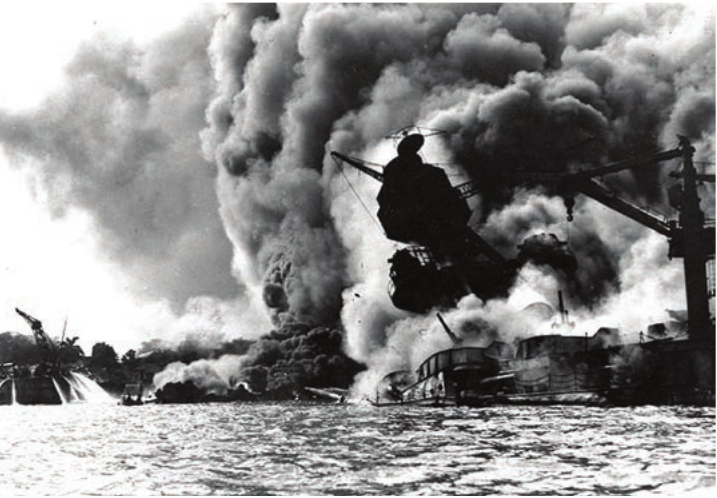
Everything changed in the early hours of 7 December 1941, when Japan launched a surprise attack on the American naval base at Pearl Harbor, Hawaii. This attack transformed American foreign policy overnight.
Important
The Devastating Pearl Harbor Attack
The Japanese assault was catastrophic for American forces:
- The USS Arizona was destroyed
- 12 ships were sunk
- Nine additional warships were damaged
- Over 160 aircraft were targeted
- Over 30 American destroyers, submarines, and cruisers were damaged or destroyed
- 2,400 US soldiers were killed
- Over 1,000 more were wounded
This single attack inflicted more American casualties than many entire military campaigns, shocking the nation out of its isolationist stance.
Note
The coded message confirming the attack was stark and chilling:
"AIR RAID ON PEARL HARBOR X THIS IS NOT DRILL"
This message marked the moment when American isolationism became untenable.
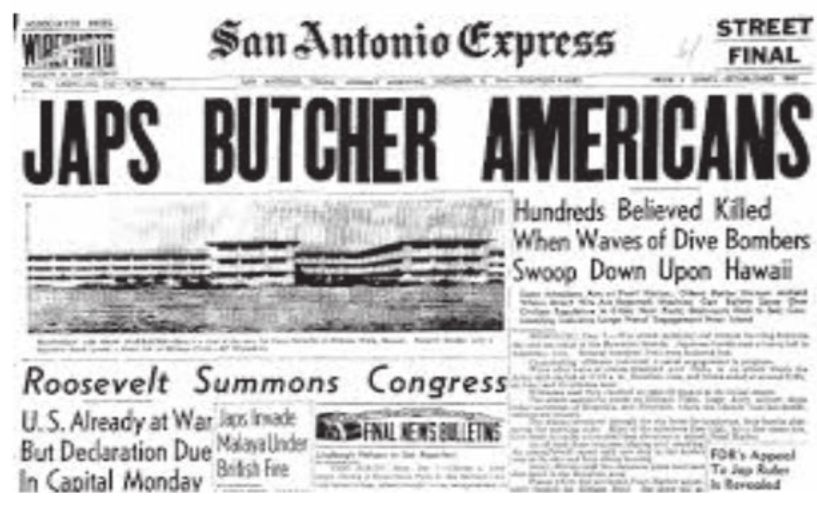
The attack struck directly at American power, nationalism, and military dominance. Previous US administrations had been reluctantly drawn into World War I, attempted to avoid international obligations with the League of Nations, and maintained foreign isolationism throughout the Great Depression. However, Pearl Harbor represented a direct attack on American interests that could not be ignored.
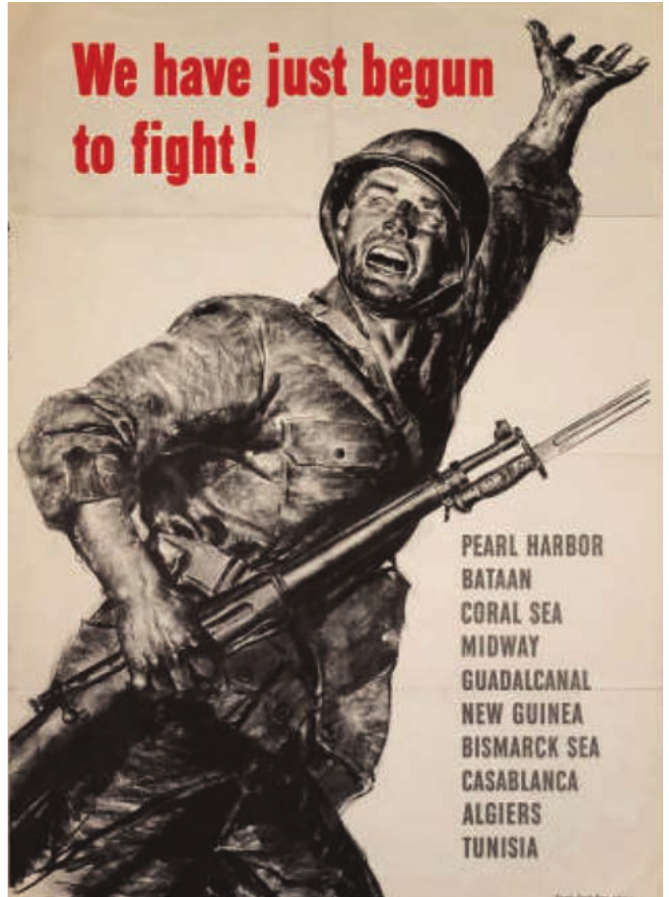
Impact on foreign policy
The Pearl Harbor attack fundamentally reversed America's isolationist policy. The nation was forced to enter the War in the Pacific and defend its interests. This marked the end of isolationism and propelled the United States into demonstrating its technological and military might with devastating effects.
The War in the Pacific and atomic weapons
American involvement in the Pacific War continued until August 1945, culminating in one of the most controversial military actions in history.
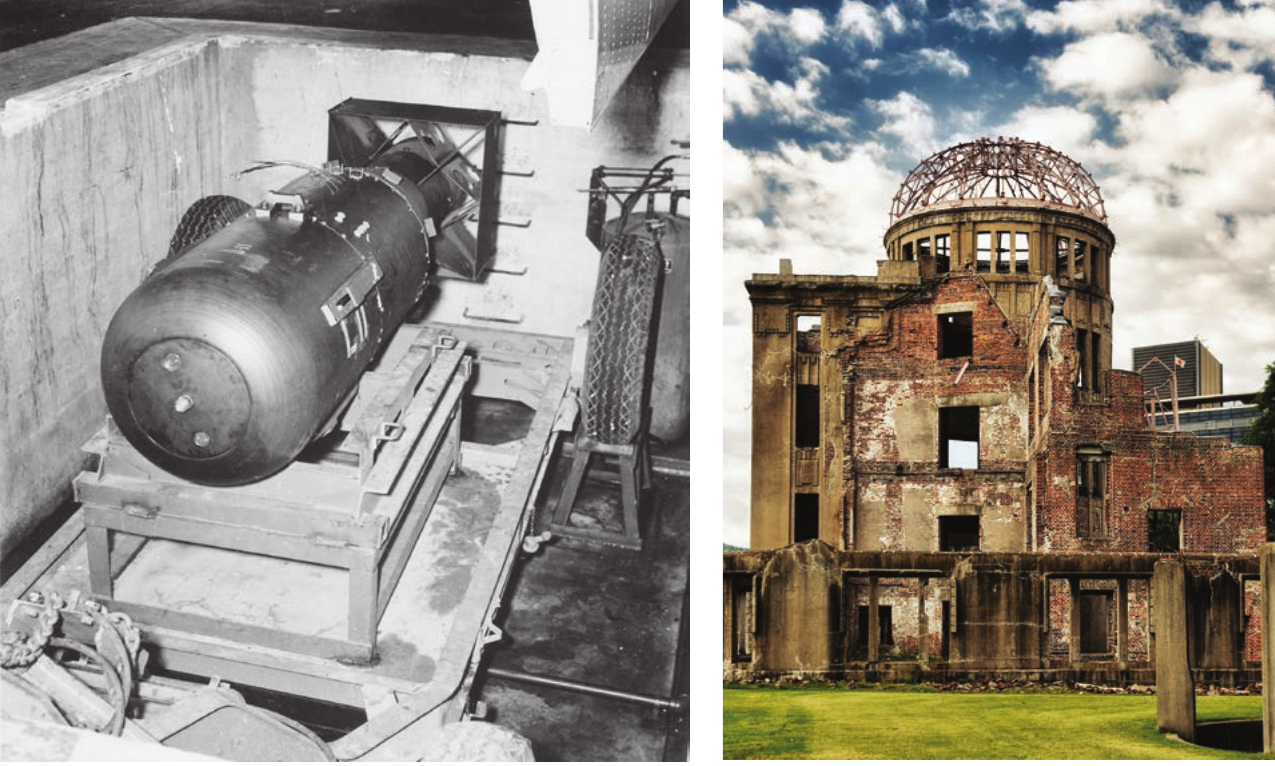
The United States developed atomic weapons through the Manhattan Project, a top-secret research and development programme. In August 1945, America dropped atomic bombs on two Japanese cities:
- Hiroshima - first atomic bombing
- Nagasaki - second atomic bombing
Important
The Atomic Bombings: A Devastating Conclusion
These attacks resulted in over 160,000 deaths and brought a swift end to the War in the Pacific.
The use of atomic weapons demonstrated how completely America had abandoned its isolationist stance. The country that had refused to intervene in international affairs during the 1930s now wielded the most destructive military technology ever created.
Historical and cultural context
Most historians agree that US interests during the 1930s were protectionist and domestically focused. Americans wanted to improve their lives following the impact of World War I and the economic changes of the 1920s.
Note
Understanding Protectionism
Protectionist refers to laws or methods intended to help a country's trade or industry by imposing taxes on foreign goods or limiting imports. This economic nationalism complemented the political isolationism of the era.
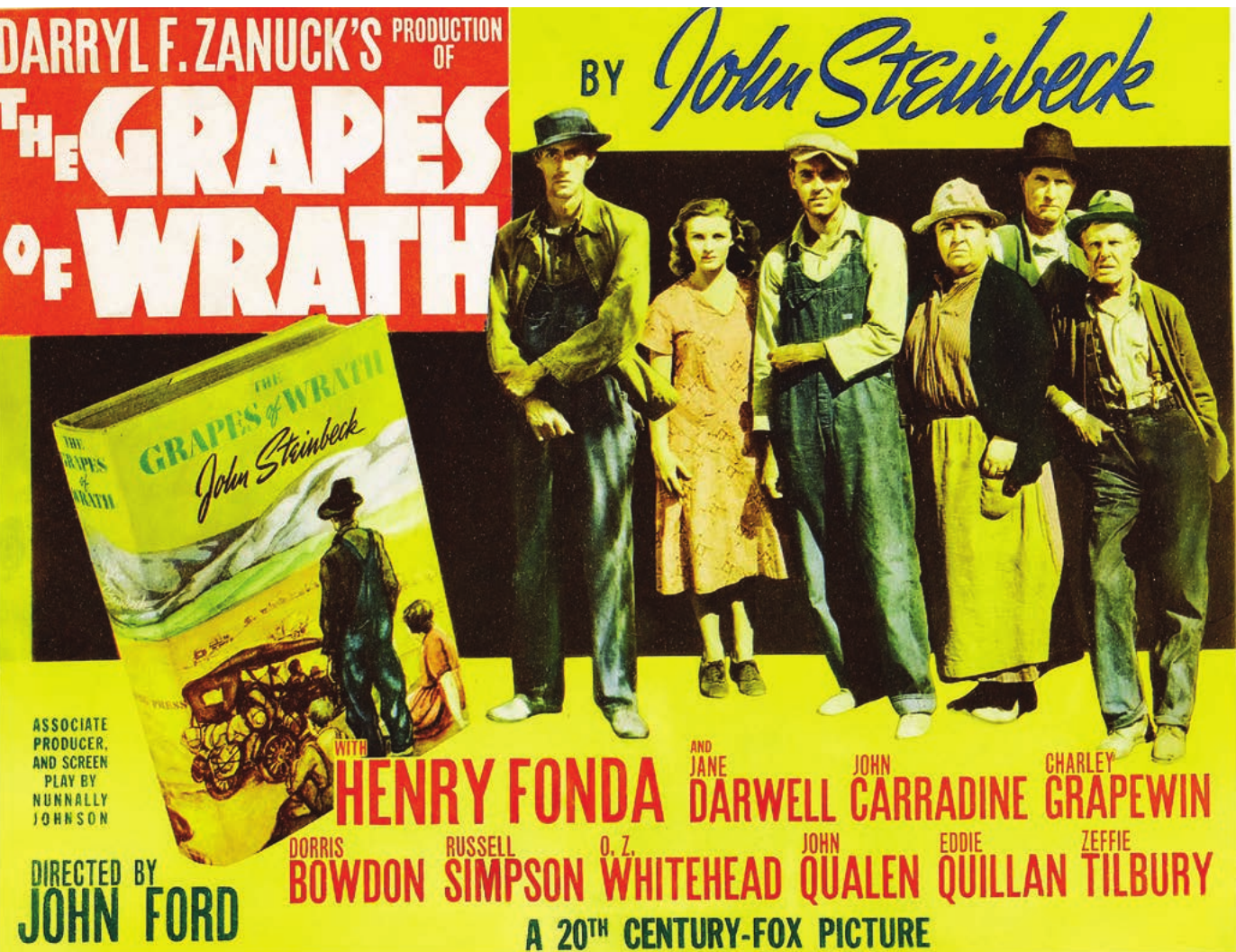
The cultural products of the period reflected this inward focus. Films and literature referenced a grand narrative of a bygone era where past success and tradition could be easily recaptured. John Steinbeck's acclaimed novel The Grapes of Wrath (1939) provided a satirical critique of a country too preoccupied with individual suffering to recognize the plight of minority groups deeply affected by inadequate social welfare.
The period from 1930 to 1941 was characterized by competing values: industrialization, consumerism, nationalism, capitalism, and liberalism all vied for pre-eminence. It was simultaneously an era of self-interest and hedonism, fascination with domestic affairs and foreign restraint, and brief experimentation with government regulation and quasi-socialist policies.
Exam tips
When writing about US foreign policy in this period:
- Always provide specific examples of isolationist policies rather than making general statements
- Link causes to consequences - explain how WWI casualties led to isolationism, and how Pearl Harbor ended it
- Use precise dates - 1931 (Manchuria), 1934 (Johnson Act), 7 December 1941 (Pearl Harbor), August 1945 (atomic bombs)
- Acknowledge historiographical debate - some historians question whether isolationism was absolute
- Consider multiple perspectives - FDR's opposition to isolationism versus Congressional support for Neutrality Acts
- Connect foreign policy to domestic priorities - isolationism allowed focus on Depression-era economic recovery
Summary
Key Points to Remember
-
Isolationism defined US foreign policy throughout the 1930s, driven by WWI losses (over 53,000 battle deaths) and desire to focus on domestic economic recovery.
-
Key isolationist policies included the Stimson Doctrine (condemning but not preventing aggression), the Johnson Debt Default Act (requiring debt repayment), and Neutrality Acts (limiting involvement in European conflicts).
-
The Pearl Harbor attack on 7 December 1941 killed over 2,400 Americans and destroyed significant naval capacity, including the USS Arizona and 12 other ships.
-
Pearl Harbor ended American isolationism overnight, forcing US entry into World War II and demonstrating that domestic focus could not protect against direct attacks on American interests.
-
The Manhattan Project and atomic bombings of Hiroshima and Nagasaki in August 1945 (killing 160,000+) showed how completely America had abandoned isolationism, becoming a dominant military power with devastating technological capabilities.