Course of the European War (HSC SSCE Modern History): Revision Notes
📚Revision Notes
Course of the European War
German advances
Introduction to Blitzkrieg
The term Blitzkrieg means 'lightning war' in German. It describes the Nazi strategy of rapid military attacks that swept through Europe during World War II. However, Blitzkrieg was more than just a military tactic - it was part of Hitler's overall approach to political and economic problems.
The core idea was to fight quick wars against diplomatically isolated opponents, defeating them before they could fully mobilise their forces. This strategy allowed Germany to avoid moving from a peacetime to a wartime economy, which had crippled Germany during World War I.
Important
Avoiding WWI Mistakes
The Blitzkrieg strategy was specifically designed to prevent repeating Germany's World War I experience. By fighting quick wars without full economic mobilisation, Hitler aimed to avoid the resource exhaustion and economic collapse that had devastated Germany in the previous conflict.
Key features of the Blitzkrieg strategy:
- Germany rapidly built up its military from basically no armed forces in 1935 to an extraordinarily well-trained and equipped force by 1939
- Hitler aimed for Germany to be economically independent by 1940, but the country was not prepared for prolonged conflict in September 1939
- The plan was to attack smaller, isolated opponents like Poland without triggering intervention from major powers like Britain and France
- Hitler believed his pact with the Soviet Union would deter British involvement
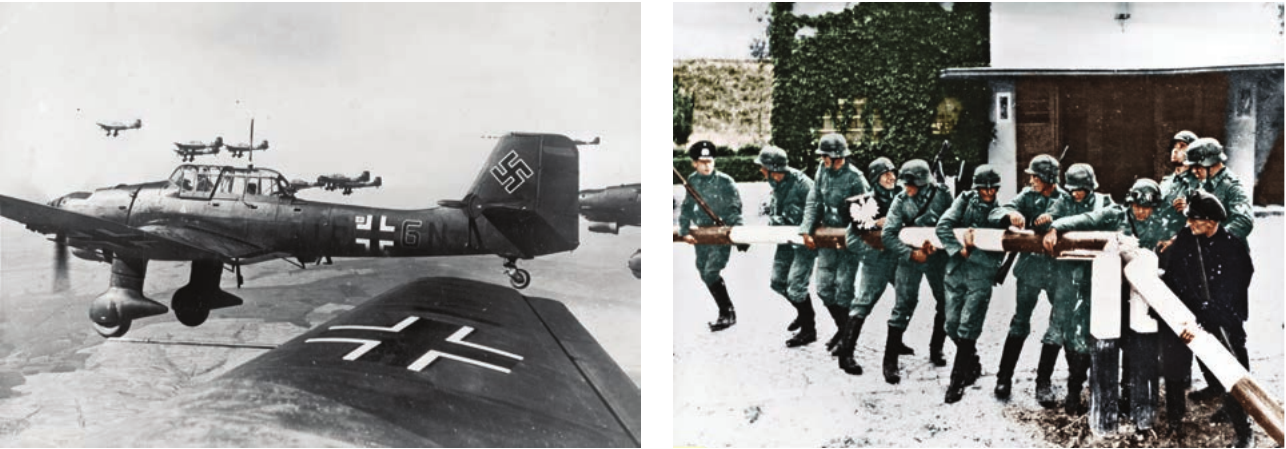
How Blitzkrieg worked
Armoured forces (Panzers - tanks):
- Smashed through border defences
- Encircled large groups of enemy troops
- Moved deep into enemy territory
Motorised infantry:
- Travelled in trucks and personnel carriers
- Consolidated gains made by tanks
- Freed up traditional infantry to move forward
Traditional infantry:
- Followed behind to secure territory
- Released motorised units to keep advancing
Air power (Luftwaffe):
- Provided close support for ground operations
- Attacked enemy positions ahead of advancing troops
Overall emphasis:
- Speed, movement, and flexibility
- Complete opposite of the slow trench warfare of World War I
Note
Multi-Level Strategy
The Blitzkrieg strategy operated at multiple levels - political, economic, and military - all based on fighting quick wars without full mobilisation, then moving to the next isolated opponent. This comprehensive approach made it particularly effective in the early stages of the war.
The fall of Poland, September 1939
When Britain and France declared war on Germany in September 1939, they surprised Hitler by honouring their obligations to Poland. However, there was nothing practical that either country could do to help Poland at that time. British and French military thinking remained defensive, with no real plans to attack Germany and relieve pressure on Poland. The Poles were left to defend themselves alone.
The period from September 1939 to April 1940 became known as the 'Phoney War' because, although Germany was technically at war with Britain and France, no actual combat occurred between these major powers in Western Europe.
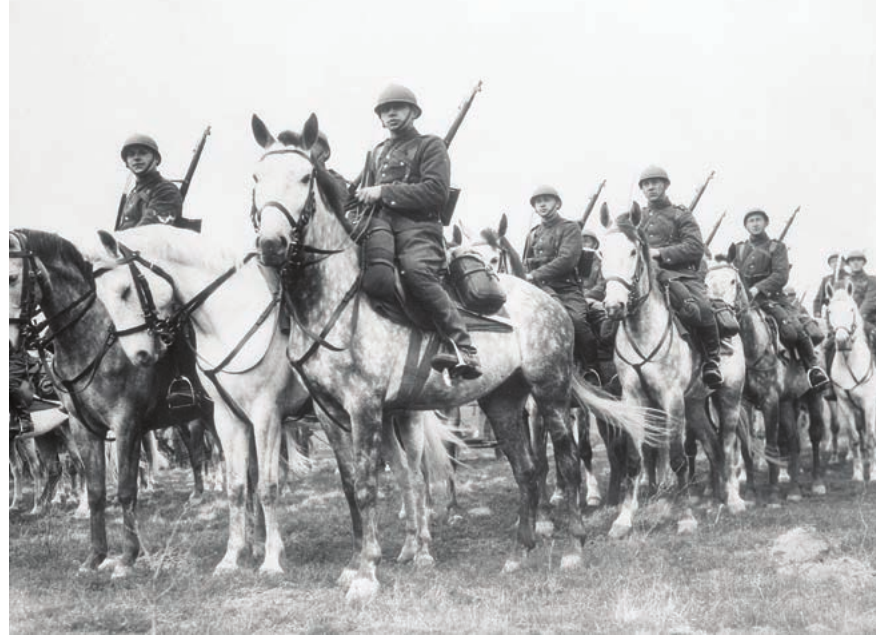
The German invasion
On 1 September 1939, Germans learned through radio that Polish forces had allegedly attacked a German radio station on the border. Since daybreak, German forces had been 'responding' with force. Unlike 1914, there were no cheering crowds - instead, there was enormous disappointment and depression in Germany. Hitler's popularity had been built on achieving foreign policy victories peacefully, without bloodshed.
The Polish campaign - 'Case White':
The campaign was a terrific success and the first real Blitzkrieg in action. From the beginning, Poland was outmatched:
Important
Overwhelming German Advantage
- Armour advantage: 1,500 German tanks versus only 310 Polish tanks
- Strategy: Two great pincer movements to trap the Polish Army west of Warsaw and destroy it
- Goal: Not to take territory, but to annihilate the Polish Army
Timeline:
- Warsaw reached by 8 September (one week after hostilities began)
- 17 September: Soviet forces invaded from the east under the Nazi-Soviet Pact
- End of September: Poland devastated and forced out of the war
Calls from Poland for Britain and France to attack Germany's unguarded western frontier went unheeded. The British were not ready to mobilise, while the French focused on their own defence. By the end of September, Germany and the Soviet Union had completed another partition of Poland.
The Russo-Finnish War
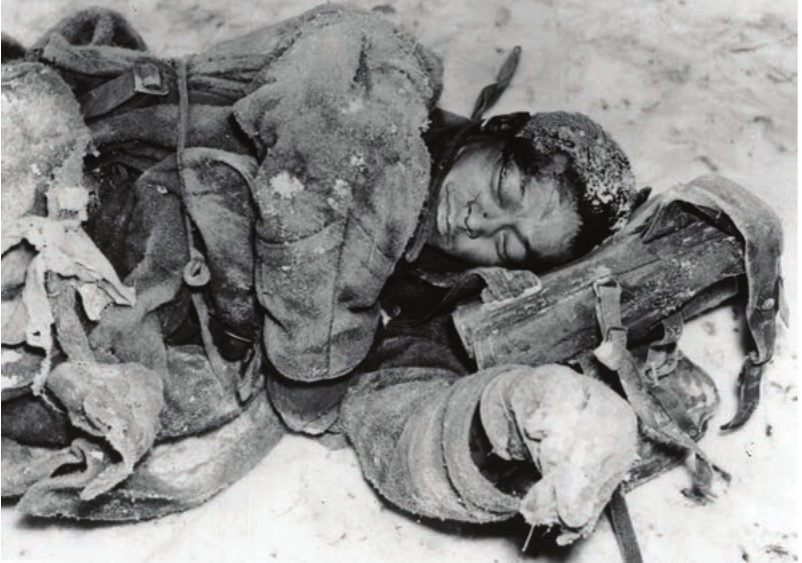
In November 1939, the Soviet Union attacked Finland in what became known as the Russo-Finnish War (or Winter War), lasting until March 1940. Stalin worried that Finland would fall under German influence, and Finland sat only 20 miles from Leningrad, the Soviet Union's second-largest city.
A mismatched conflict
The Soviet Red Army outnumbered the Finns by 50 to 1 and had enormous advantages in equipment. The Soviets expected the Finns to be completely unprepared and unable to resist. However, under Field Marshal von Mannerheim, the Finnish forces fought with great skill and courage.
Note
Finnish Tactical Advantages
Despite being vastly outnumbered, the Finns had several key advantages:
- Wore white uniforms for camouflage in snow
- Superior knowledge of terrain and weather conditions
- Excellent tactical skills
- High motivation to defend their homeland
The Red Army quickly became bogged down and suffered humiliating defeats and heavy casualties throughout the campaign. Western media covered these Finnish victories with great delight.
Significance
Although the Soviets eventually prevailed through sheer numbers, the war had important consequences. It severely damaged the Red Army's international reputation. When Germany attacked the Soviet Union in 1941, German commanders would underestimate Soviet military capabilities and the Red Army's actual strength based on this poor performance.
The fall of Scandinavia and the Low Countries
By 1940, German forces had focused their advances on Germany's east. Britain showed no inclination to negotiate. As weather improved in the west in 1940, enabling further advances, Britain began campaigning in anticipation of a new German offensive in Western Europe.
Scandinavia - April 1940
In April 1940, Germany launched an attack on Scandinavia. German intelligence reported that Britain and France were preparing to seize ports in Norway, so Hitler ordered a pre-emptive strike.
Denmark (9 April 1940):
- Germany invaded with virtually no opposition
- Quickly overran the entire country
Norway:
- Only 10,000 German troops seized Norway and its strategic ports
- These remained part of the Nazi empire for the duration of the war
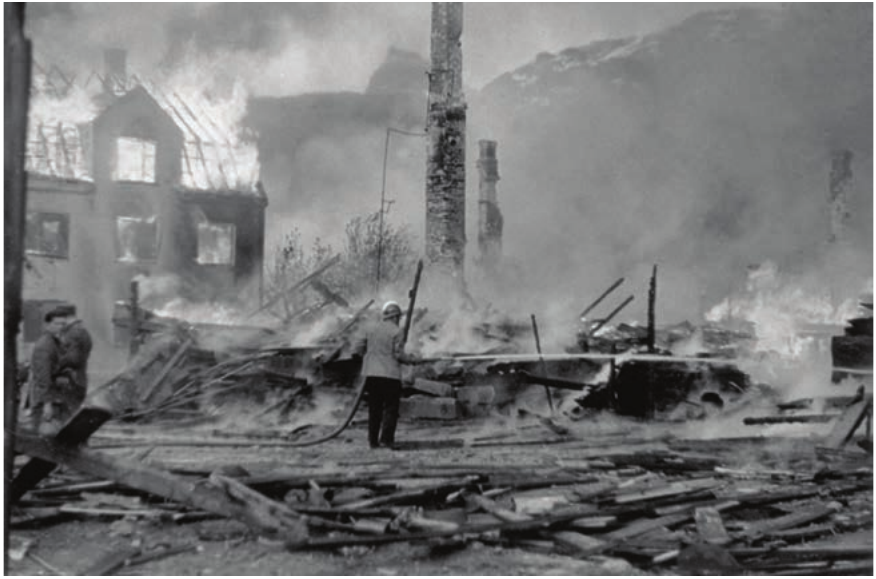
The Low Countries - Operation Fall Gelb (10 May 1940)
From Scandinavia, German forces attacked the Low Countries as part of Operation Fall Gelb (Fall Yellow).
Netherlands:
- Dutch Army numbered 400,000 men
- Germans cut through Dutch forces quickly, just as with Denmark
- Rotterdam bombed to almost nothing on 14 May
- Netherlands surrendered within days
Belgium:
- Luftwaffe bombed Belgian airfields on 10 May
- Fort Eben Emael, at the northern defence line, captured by 'glider troops'
- Belgian Army surrendered a few weeks later
Note
These victories strategically positioned Germany for success in Western Europe, setting the stage for the assault on France.
The fall of France
The real key to understanding France's defeat in 1940 lies in examining French military and political leadership failures. There were significant problems with French military strategy, tactics, and organisation.
French weaknesses
Defensive mindset:
- British and French military thinking during the interwar years remained dominated by defensive considerations from World War I
- France had suffered the highest per capita losses in World War I and could not afford such casualties again
The Maginot Line:
- France built a series of defensive fortifications
- Designed to allow France to defend without mass slaughter
- However, this created a static, defensive mentality
Population concerns:
- France had 42 million people
- Could not sustain World War I casualty levels
- This influenced strategic thinking towards defence rather than offence
Important
Command and Political Problems
France faced critical leadership failures:
- Lack of unified command within the French Army
- Poor communication between headquarters
- Lack of political cohesion within France's Third Republic
- Prime Minister Daladier resigned March 1940
- Succeeded by Paul Reynaud, who (like Churchill) had criticised appeasement
British preparations
During the interwar years, Britain developed:
Fighter defences:
- High-tech fighter aircraft: Hurricane and Spitfire
- These would prove crucial during the Battle of Britain in summer 1940
Strategic bombing doctrine:
- Using air power not for close support of military operations
- But to strike at enemy's industrial capacity to make war
- Attacking energy sources, factories, transportation systems, and vital infrastructure
The campaign
In September 1939, the British Expeditionary Force (BEF) departed for north-western France, ready for the Germans. Numerically and technologically, the British and French position was not bad - France had the largest army in Western Europe.
However, the real problems were:
- Lack of unified command
- Poor organisation
- Lack of political cohesion
German strategy:
German General von Bock advanced through Belgium with a massive force towards France. Allied commanders saw this as a repeat of 1914, and French General Gamelin (Supreme Allied Commander) ordered half their forces to deal with this threat. However, this was a diversion.
On 11 May, General von Leeb started attacks along the Maginot Line, tying down Anglo-French forces.
The decisive move was von Rundstedt's thrust into France through a plan called sichelschnitt ('sickle cut'). The German advance was so rapid that forward units were in danger of being cut off and running out of fuel.
Note
Timeline of France's Fall
- Battle of France: 11-day campaign
- German panzer units pushed towards the English Channel on France's western side
- 24 May: Hitler ordered forces to halt to consolidate positions
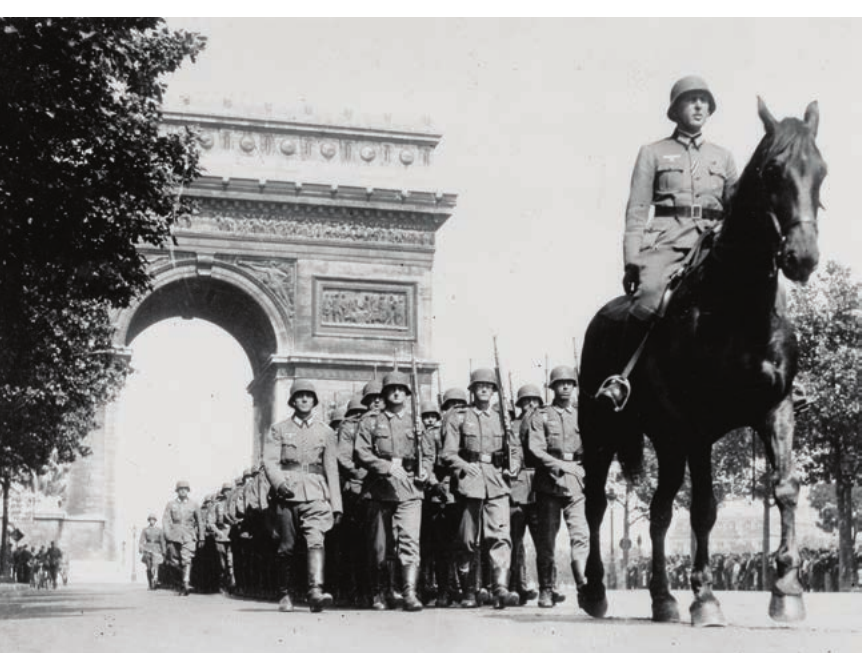
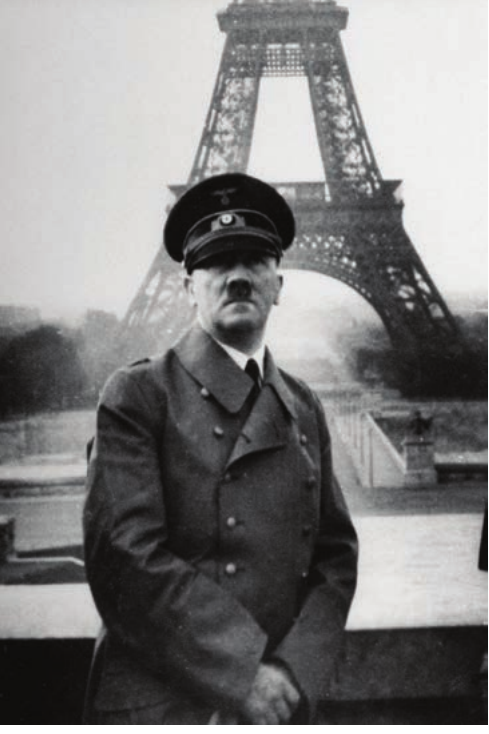
- 14 June 1940: Germans entered Paris
- 22 June 1940: France surrendered
The shock
This was probably the biggest surprise of the war. Globally, military experts, political figures, and the public had counted on the French Army providing heroic resistance as they had in World War I (1914-18). Instead, the nation that had fought for over four years in the previous war collapsed within a month.
Operation Dynamo
By late May 1940, Germany had won the Battle of France. The Western Allies (French, Belgian, and British forces) had collapsed under the Blitzkrieg onslaught.
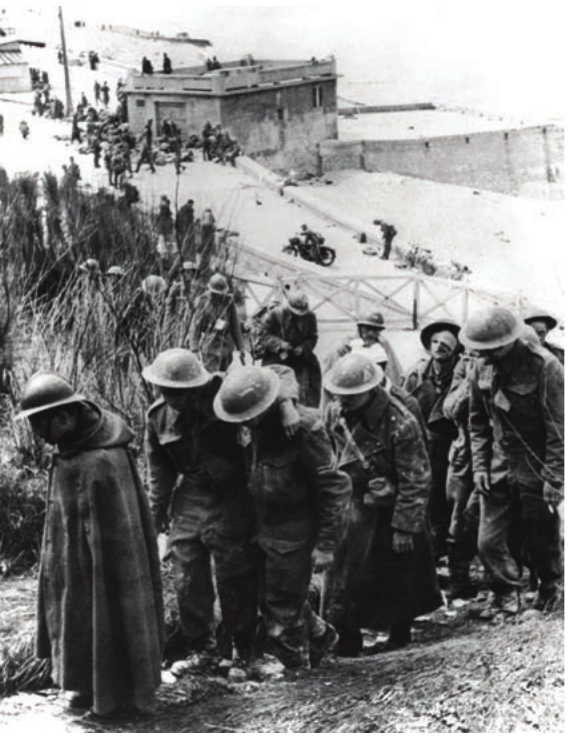
Between 28 May and 4 June, a tremendous evacuation of Allied forces occurred from the beaches at Dunkirk in northern France. This became known as the 'Miracle at Dunkirk'.
The evacuation
About 300,000 troops escaped across the English Channel to England, even though they were virtually surrounded by Germans.
Note
Operation Dynamo Details
- Churchill gave the order to evacuate all Allied troops to England
- Some 850 sea-going vessels of all kinds participated
- Ranging from British Navy warships to small fishing boats skippered by civilians
- Almost 340,000 Allied troops rescued, including:
- 85% of the British Expeditionary Force (BEF)
- 139,067 French and Belgian soldiers and civilians
- Royal Air Force (RAF) fighters and bombers provided air support
Significance
Although the British escaped with the 'Miracle at Dunkirk', there was no disguising that Hitler and his allies completely dominated all of Europe. This was the high point of Hitler's popularity at home.
Within Germany, news of the victory over France was met with euphoria. This was the complete reversal of fortunes that Germans had sought during the interwar years. German troops in Paris - something denied them for four years in World War I - was accomplished in just 35 days.
Important
At the end of June 1940, Adolf Hitler was the master of the European continent.
The air war and its effects
Britain's situation - June to August 1940
Now that Germany dominated Europe, Britain faced the real prospect of a German invasion. In June-August 1940, there was no aid to be expected. As Churchill said, Britain now 'stood alone' to confront the German threat.
The British Chiefs of Staff agreed that Britain could not win the war - indeed, could not even continue the war - without considerable support from the United States. However, at this point, America was focused on domestic issues and had not entered the war. Britain would have to defend itself.
British defensive strategies
After Dunkirk, the British Army was extraordinarily weak for any offensive operations. However, Britain had three clear tactics for defence:
Note
Britain's Three-Pronged Defence Strategy
1. Strategic use of air power (bombing runs)
- Bombing targets vital to war infrastructure was one way to fight back
- Recognised as the only practical way for Britain to strike Germany for the foreseeable future
- The RAF had been independent from the British Government since 1918 and had already begun planning
- Construction of heavy bombers underway - large, four-engine planes capable of reaching Berlin
2. Insurrection - 'setting Europe ablaze'
- Churchill organised the Special Operations Executive (SOE) in 1940
- Covert operation sending secret agents into occupied Europe
- Agents would help develop resistance forces
- Carry out sabotage, espionage, and assassinations to cause trouble for Germans
3. Naval blockade
- British Navy still very strong; Germany's was quite weak
- July 1940: British issued ultimatum to French fleet
- Churchill did not want French ships to fall into German hands
- British attacked French fleet at Mers-El-Kebir, North Africa, killing over 1,500 French sailors
- This controversial action prevented German access to French naval forces
Preparing for invasion
In July 1940, the Germans seemed poised for a cross-Channel invasion, and Britain was woefully unprepared:
British problems:
- Although 300,000 troops escaped from Dunkirk, all heavy equipment (tanks, vehicles) was left behind
- Britain had no real fighting force to challenge the Wehrmacht (German Army)
British preparations:
- Government privately began shipping Britain's gold and foreign reserves to Canada
- This was in case the war had to be continued from abroad
- Feverish work along the British coast: beaches mined, tank traps set
- Civil defence arrangements, including paramilitary training for civilians
Important
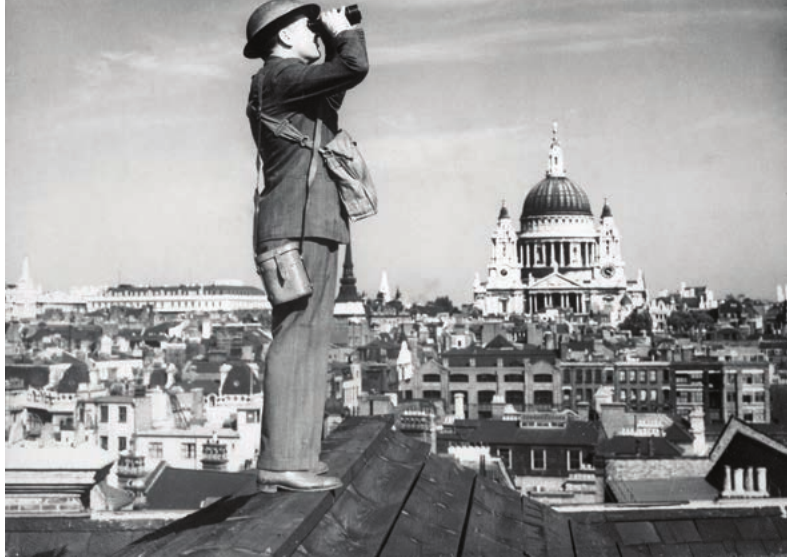
It was clear that Britain's future would be decided largely in the air. The key would be the RAF's ability to deny Germany air superiority over the Channel and potential invasion beaches.
The Battle of Britain
German invasion plans - Operation Sea Lion
After France fell, Hitler expected Britain would negotiate peace. When this did not happen, the German High Command was given responsibility for planning an invasion of Britain. For the first time, Germans confronted the realities of what an invasion across the English Channel would mean.
Operation Sea Lion was an improvisation from the beginning. Not even the most basic plan for invading Britain had been drafted when France fell in June 1940.
German requirements:
- To invade Britain, Germany needed to establish and maintain air superiority
- Something they had failed to achieve at Dunkirk due to RAF efforts
- Hermann Goering's Luftwaffe would be charged with driving the Royal Navy away and destroying the RAF
Note
The Chaotic Invasion Plan
Army invasion plan:
- Called for 500,000 German troops to land along a 200-mile coastal front
- In south and south-eastern England
- This revealed the Army's complete lack of faith in the Luftwaffe
- Wide dispersal would protect forces if the air force failed to achieve air superiority
Navy concerns:
- Admiral Raeder (head of German Navy) was mortified by the plan
- He lacked adequate naval forces to deal with the Royal Navy
- He lacked ships to transport troops
- Desperately suggested using tugboats to pull German troops across the Channel
When compared to the months of detailed Allied planning for the cross-Channel invasion going the other direction in 1943-44, Operation Sea Lion was clearly improvised. Hitler had never really intended to invade Britain (compared to his desire for Soviet territory). For Britain, geography (the Channel was a major natural barrier), military training, and technology could be used against Germany.
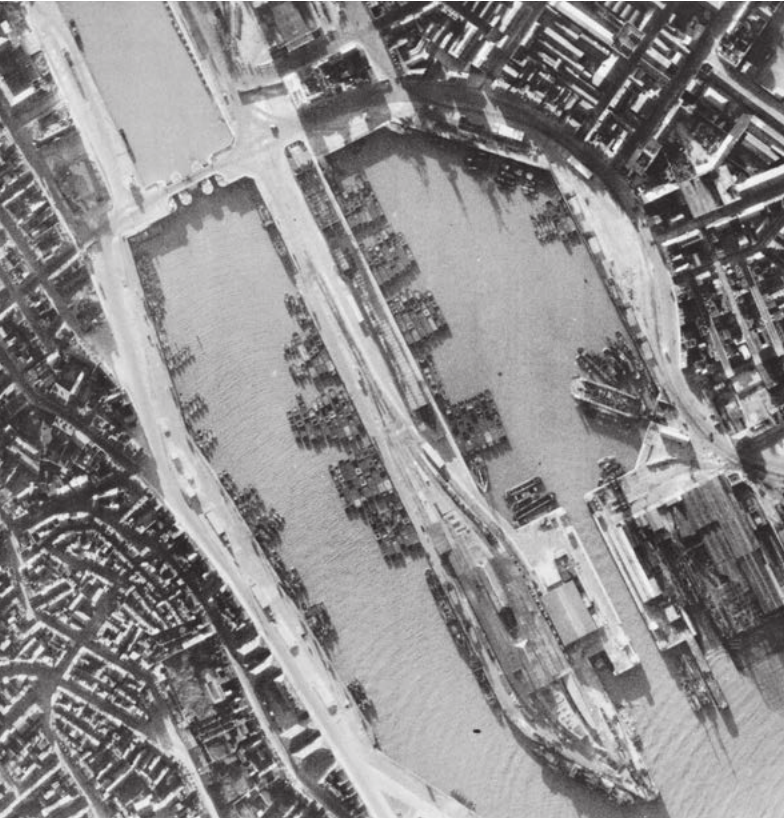
British advantages
The Battle of Britain took place from July to October 1940. As both sides confronted problems with a cross-Channel invasion, Britain held significant advantages:
Leadership:
- Air Marshal Hugh Dowding led British Fighter Command
- Significant experience with the RAF
Aircraft:
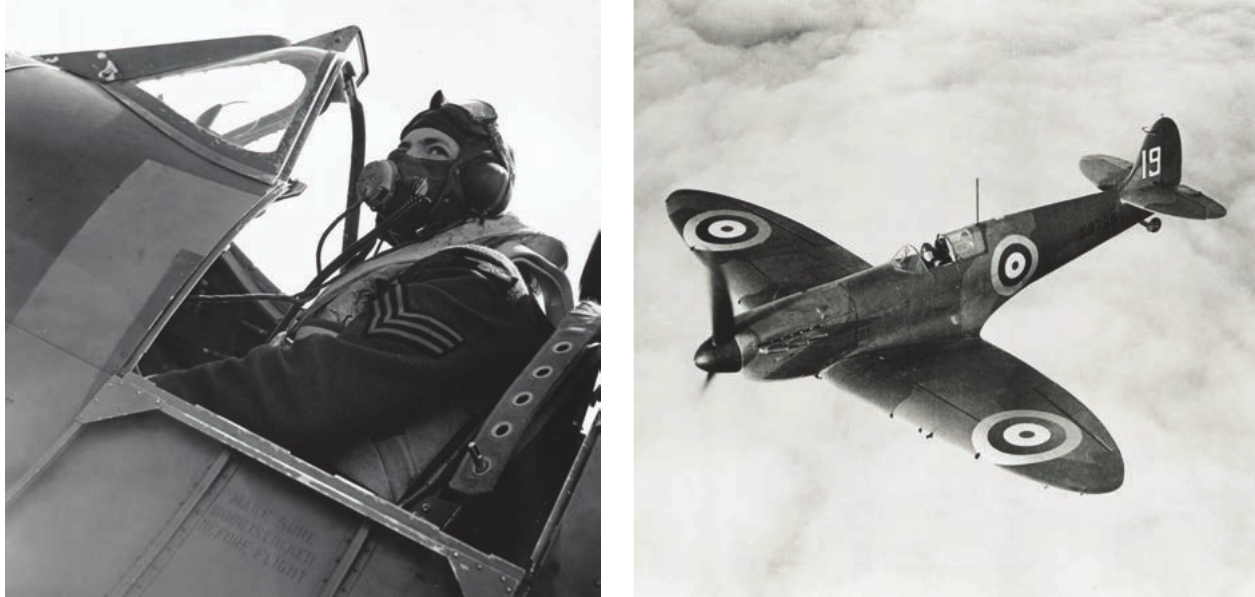
- Two excellent fighters: Spitfire and Hurricane
- Both flew at speeds exceeding 300 miles per hour
- Well-armed and highly effective
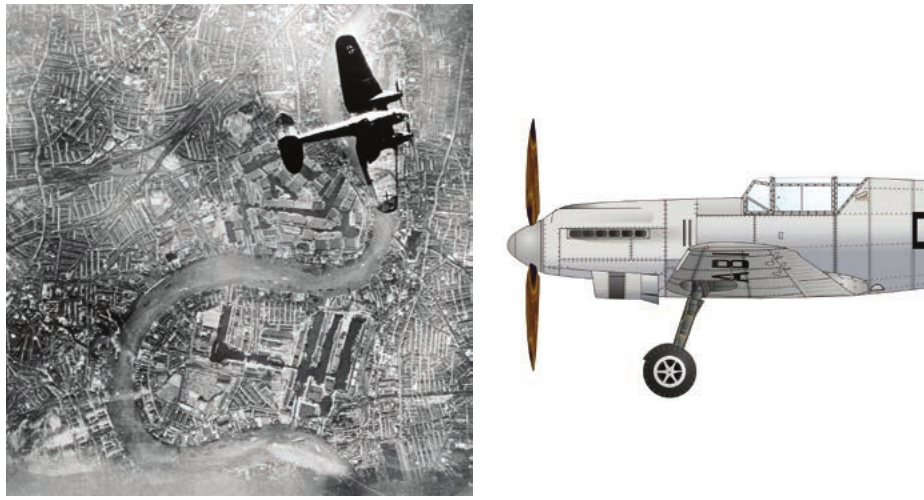
- Could match German aircraft
Important
British Production Advantage
Production:
- Aircraft production for fighters jumped dramatically in summer 1940
- During crucial months of 1940, Britain actually produced more fighters than Germany
- Ratio of almost four to one
- Britain produced aircraft 24 hours a day
- Germans never resorted to 24-hour factory operations during the entire war
- Britain driven by desperation and fear of imminent invasion
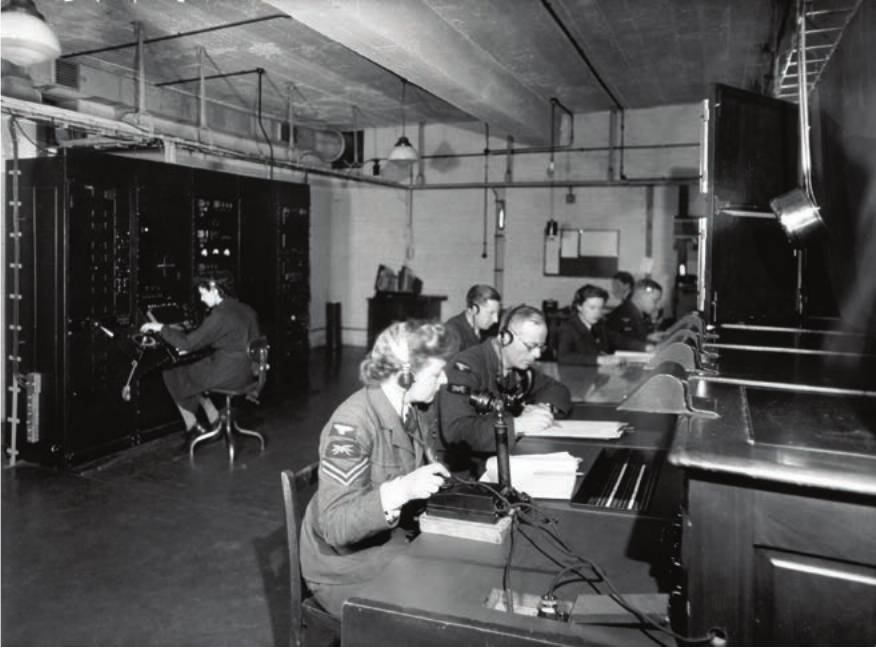
Radar technology:
- Britain possessed technological asset of inestimable value
- By 1937, about 50 radar installations covered British east coast
- Provided early warning against approaching aircraft from the continent
- Using radar warnings, Fighter Command could direct squadrons to intercept enemy planes
- Germans never fully appreciated radar's role during Battle of Britain
- Extraordinarily, Germans never launched systematic attacks on radar installations
Ultra intelligence:
- Group of secret code-breakers
- Ability to read German coded communications
- Could determine location of German airfields in France and Holland
- Provided sense of Luftwaffe strength
Phases of the battle
Phase 1: July 1940 - Coastal attacks
- German bombers appeared over coastal England on 10 July
- Attacking port cities including Plymouth, Dover, and Portsmouth
- For almost three weeks, German planes attacked coastal defences and shipping
- Sank over 40,000 tons of British supplies
- However, never really damaged Royal Navy's strength in the Channel
- Attacks on RAF airfields began 8 August
- Surprisingly little contact between Luftwaffe and RAF in this phase
Phase 2: August 1940 - Operation Eagle
- Invasion of Britain set for 15 September
- Germans launched Operation Eagle on 13 August
- Objective: 'breaking the English Air Force' in the shortest possible time
- Germans inflicted heavy casualties, shooting down over 100 British planes
- But Germans also absorbed great casualties themselves
Important
Phase 3: 24 August - 6 September - Critical phase
- 24 August: Luftwaffe shifted objective to airfields themselves
- This would be the crucial phase of the Battle of Britain
- During last week of August, RAF lost so many planes and pilots that replacements could not keep pace
- Fighter Command in desperate position
- Alarm swept the government
- Fighter Command lost almost 300 aircraft between 24 August and 6 September
- Far more than German fighter losses in same period
Phase 4: 7 September onwards - German shift to London
- 7 September: Luftwaffe miraculously (from British view) shifted priorities
- Redirected attacks away from airfields to focus on London
- Drastic change in targets at absolutely critical moment
- This shift was favoured by Goering and approved by Hitler
- At the moment when Britain seemed down and out, RAF launched air raid on Berlin
- First British raid coincided with Soviet Foreign Minister Molotov's visit to Berlin
- Somewhat embarrassing for Germans
London bombing:
- London heavily defended
- For 10 days in mid-September, skies over south-eastern England filled with German bombers
- 2,000 anti-aircraft guns awaited them
Note
By mid-September, the result was clear:
- Germans had failed to attain strategic objectives
- RAF had not been broken
- British morale had not cracked
- Luftwaffe unable to secure necessary air superiority for cross-Channel invasion
17 September 1940: Hitler ordered postponement of Operation Sea Lion
Referring to RAF pilots, Churchill said: 'Never in the field of human conflict was so much owed by so many to so few.'
Battle of Britain statistics
| Category | Britain | Germany |
|---|---|---|
| Total planes destroyed | 1,250 | 1,700 |
| Total aircrew fatalities | 1,420 | 2,662 |
After Churchill's famous speech, RAF pilots gained the nickname 'the Few'.
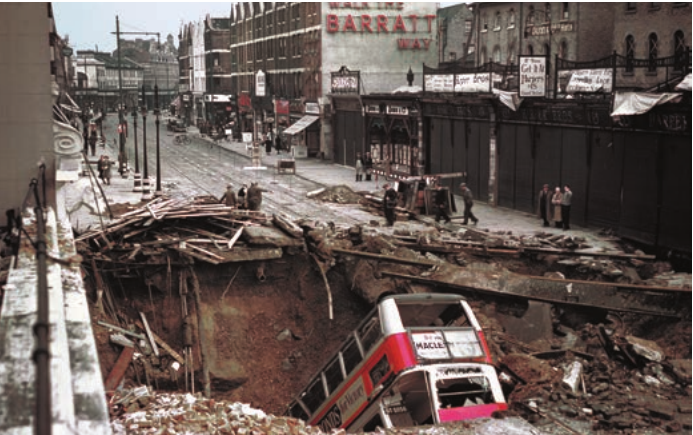
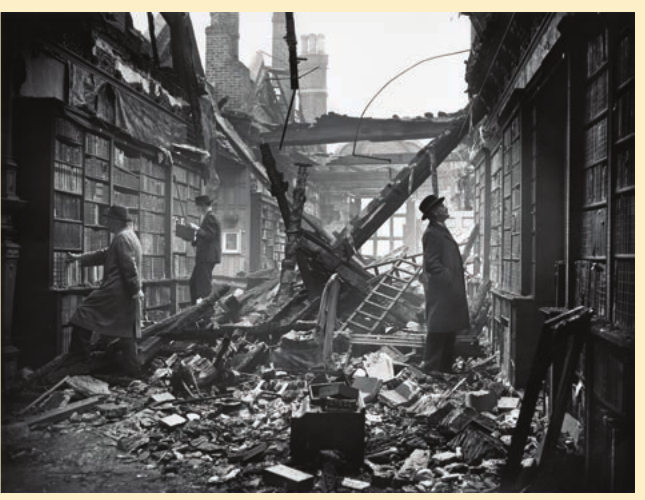
The Blitz
The Battle of Britain was over, but German attacks continued. There was no longer danger of German invasion, but Britain was not out of trouble.
Night-time terror raids
In September 1940, Germans shifted to night-time raids. Up to this point, all air operations had taken place during daytime because:
- No sophisticated aiming devices for aircraft existed
- Bombing techniques were crude
- Air crews had to see targets
- Daylight operations were enormously costly in aircraft losses
The raids became largely terror raids, either to break British morale or simply to continue pressure on Britain.
Note
Timeline of the Blitz
- September 1940: Night-time bombing began
- London endured German bombing for 57 consecutive nights
- From beginning of autumn in September to end in November
- Lull in winter
- March-April 1941: Attacks resumed
- Series of terror attacks on central London and other cities
- Late April-early May 1941: Air attacks began to subside
- End of May 1941: Attacks stopped altogether
Impact on British morale
The idea that Germans could break British morale with bombing proved false. This was one of the great unlearned lessons of World War I: you don't break civilian morale with bombing.
Important
British morale would not be broken during the Battle of Britain or during the Blitz. It became a regular feature of British life and was a preview of what the air war would bring to cities of Germany and Japan.
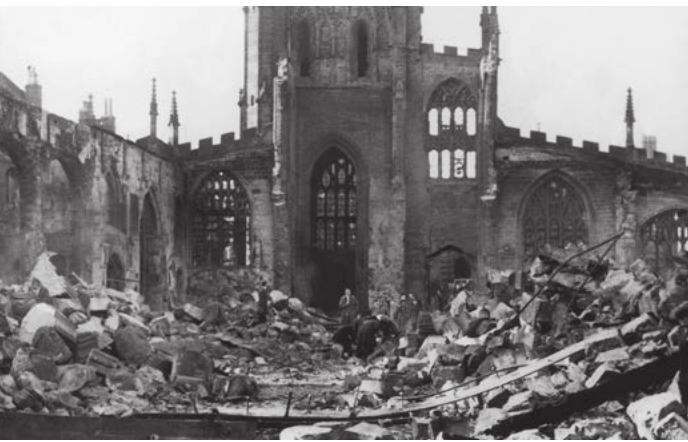
November 1940 - Coventry Raid
Germany expanded raids to other cities, including Coventry. The attack destroyed the old fourteenth-century Gothic cathedral in Coventry - a powerful symbol of the destruction.
Why attacks stopped
Hitler had given up on sustained attacks on Britain and was preparing for what was to be the main event: the largest military operation in human history - not Operation Sea Lion, but Operation Barbarossa: the invasion of the Soviet Union.
This is where German aircraft had gone. At the end of both the Battle of Britain and the Blitz, Britain had stood alone and survived. It was a major turning point in World War II.
Allied bombing of Germany
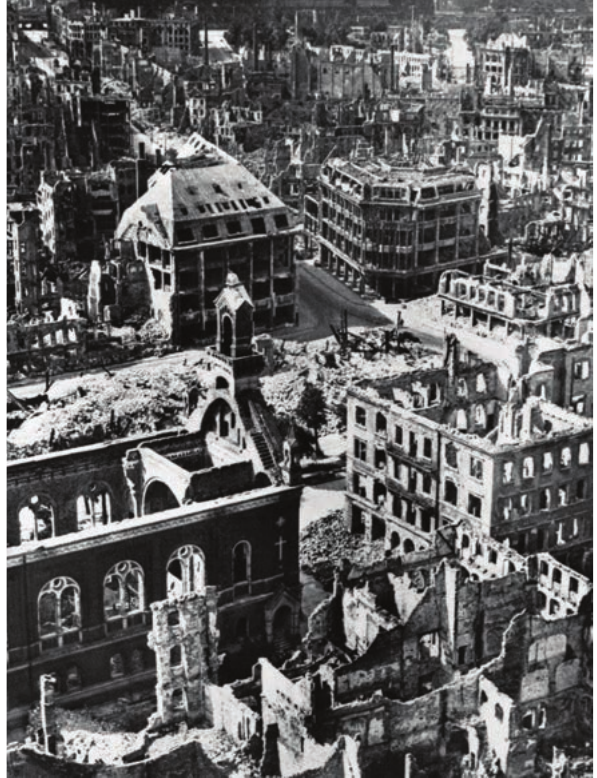
Compared to the Blitz, Allied bombing had a massive influence upon German morale and social life. Throughout the war, massive strategic bombing operations were conducted, originally intended for military targets. As the war continued, Allied strategy changed to carpet bombing and firebombing, leading to near-destruction of entire cities.
Key cities bombed included:
- Hamburg
- Frankfurt
- Dresden (severely firebombed in 1945)
Note
Impact on German Morale
According to historian R. Evans: when asked after the war what the hardest thing had been for civilians in Germany, 91% said the bombing; more than a third said it lowered people's morale, including their own. It did even more than defeats at Stalingrad and in North Africa to spread popular disillusion about the Nazi Party.
Operation Barbarossa and the Russian campaign
Hitler's motivations
In December 1940, the German High Command began serious preparations for Operation Barbarossa, named after the medieval German emperor who had driven east to establish territory for the German empire.
For Hitler, war against the Soviet Union had always been the main event:
Important
Why Hitler Invaded the Soviet Union
Ideological reasons:
- Nazi ideology argued Soviet Union was centre of global Judeo-Bolshevik conspiracy
- War would have major ideological advantages
Geopolitical reasons:
- Seizing territory
- Providing Germany with Lebensraum ('living space')
Hitler's assumptions
At this stage, Hitler was convinced of two things:
- Britain eliminated as power factor: Although Germany had been unable to invade Britain, Hitler believed Britain was eliminated as a European power. Therefore, turning east wouldn't commit the sin of a two-front war.
- Red Army was weak:
- Purges of Red Army in 1930s had devastated command structure
- Soviet performance in Russo-Finnish War (1939-40) proved Red Army was not serious military force
- Altogether 36,671 officers were executed, imprisoned, or dismissed
- Of 706 officers at brigade commander rank and above, only 303 remained untouched
Special orders
In late summer 1940, Hitler shifted attention to the east. Despite the Non-Aggression Pact, he began planning invasion of Soviet Union.
Hitler warned his generals this would not be a war like those against France or Britain - this would be fought with unusual rules beyond traditional warfare practices.
Important
The Commissar Order
- Issued to top military commanders
- Most essential aim 'against the Jewish Bolshevist system' was 'complete crushing of its means of power and extermination of Asiatic influences in European region'
- Instruction for troops to be ruthless and go beyond norms of warfare
Einsatzgruppen:
- Special SS commando units
- Would accompany standard German troops into Soviet Union
- Given 'special tasks'
- Had committed atrocities during invasion of Poland in September 1939
- Rounded up Jewish community members
- Shocked German military commanders and troops
- Before Soviet invasion, Army told Einsatzgruppen had orders from highest level (Hitler himself)
Preparations
German troops began moving across Europe in summer and spring 1941, involving:
- Millions of men
- Thousands of horses
- Thousands of tanks
- Thousands of planes and artillery pieces
Weather problems:
- One of wettest springs in twentieth-century European history
- Terrain in eastern Poland and Soviet Union very difficult to negotiate, especially for tanks
- Military considered postponing attack
Note
Mussolini's Impact on Timeline
Mussolini's misadventures:
- Germany sent troops south into Yugoslavia and Greece
- This postponed invasion date for Operation Barbarossa until late June
- Would prove a costly postponement
Launch of Operation Barbarossa
22 June 1941: Germans launched largest military operation in human history
- Exactly 129 years after Napoleon's armies invaded Russia in 1812
- In first 48 hours, Germans enjoyed unparalleled success
- Caught Russian troops completely unprepared
- Overran initial Red Army positions
- Entire Soviet air force destroyed (most on the ground)
- Red Army operated without significant air cover
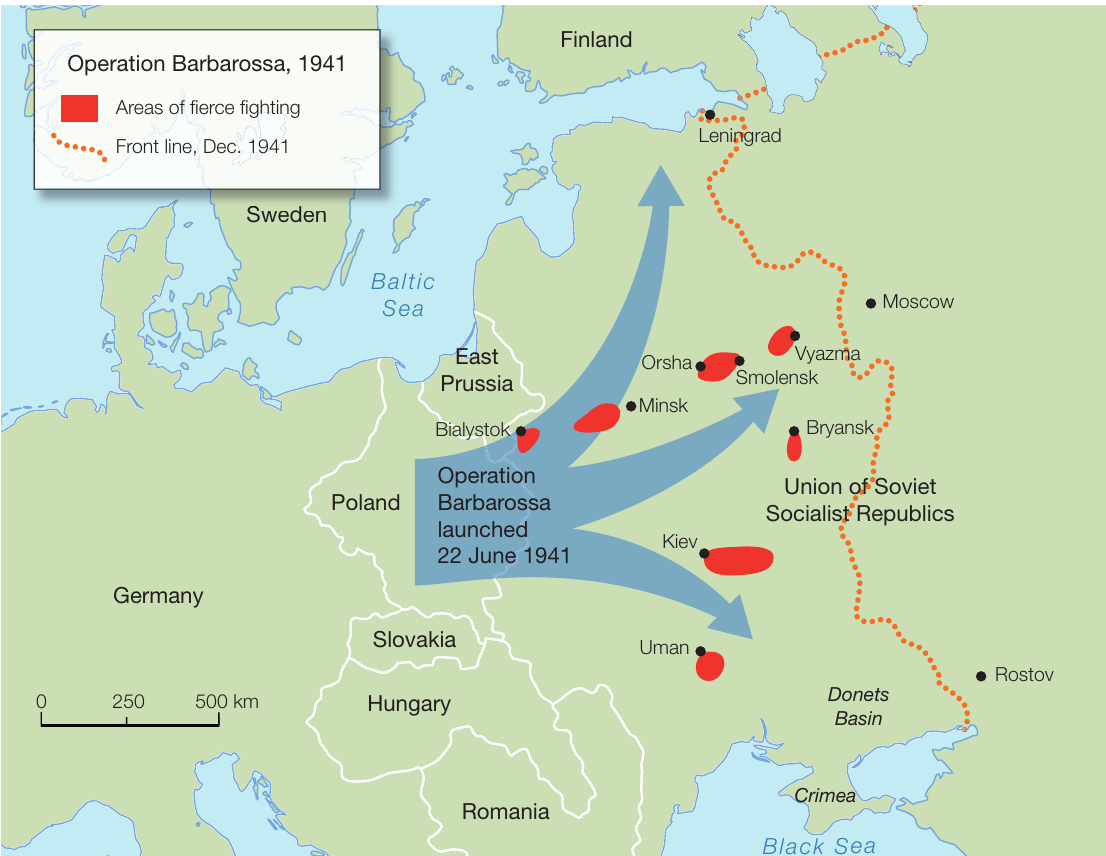
Three army groups:
- Northern Group: Pressing towards Leningrad
- Army Group Centre: Pressing towards Moscow
- Army Group South: Heading towards Kiev
Initial German successes
Real objective:
- Destroy Red Army in western Russia within 3-6 weeks
- Then move on Moscow against little resistance
- Hitler convinced Soviet Union would simply crumble
First weeks:
- Within days, Germans drove deep into Soviet Union
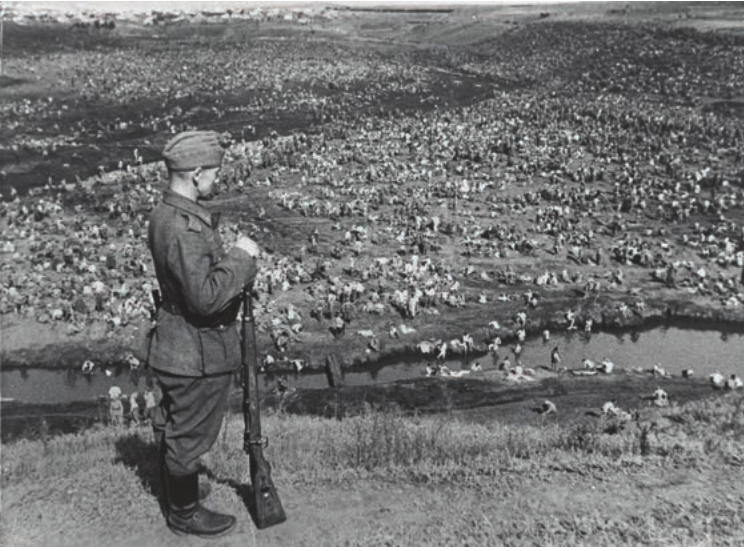
- Soviets suffered staggering casualties
- Hundreds of thousands died in huge battles
- Chaotic scenes for Red Army
- Several battles saw Red Army encircled by Blitzkrieg tactics
- 300,000 prisoners of war taken
- Red Army seemed on verge of collapse
Note
German Overconfidence
German confidence:
- General Halder wrote in diary: 'It would not be too much to say that Soviet Union lost the war in first 48 hours of conflict'
- Month into invasion: 'The Soviets have lost; it's only a matter of time'
- Early October 1941: Hitler ordered German economy back on peacetime footing
Soviet resistance
Despite achieving significant successes, the Red Army, though suffering unbelievable casualties and giving up terrain, refused to give up:
- Huge pockets of resistance remained behind German lines
- Germans suffered their own casualties
- German soldiers staggered at level of Soviet resistance
- As German lines moved deeper, supply lines became more difficult
- Roads shown on German maps as good roads were barely paved, narrow roadways
By autumn 1941, Germany failed in first objective - destruction of Red Army in western Russia within six weeks. October brought first frosts.
German problems mount
Important
The Winter Crisis
Equipment losses:
- By autumn, Germans lost about half of 3,500 tanks they began campaign with
- Tanks lost not simply to Russian resistance, but maintenance problems
Winter gear catastrophe:
- At campaign start (intended to last six weeks from late June), Hitler issued no winter gear
- Afraid issuing order for winter gear would signal to German population war wasn't going to be brief
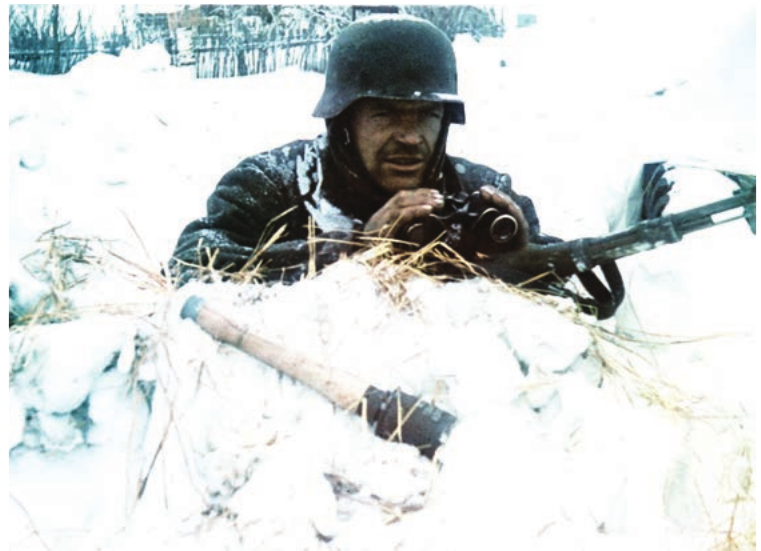
- German troops wore summer denim uniforms in near-freezing temperatures
- Winter uniforms finally issued in November when clear fighting would continue
Weather impact:
- Early December 1941: Temperatures on Eastern Front dropped below 0° Fahrenheit
- German military vehicles froze
- Tank treads wouldn't function in cold
- Many machines broke down
Soviet counter-offensive
5-6 December 1941: Russians launched massive counterattack outside Moscow
- Caught Germans completely by surprise
- For Hitler, Soviet counter-offensive halted Blitzkrieg phase of war
- Made clear a long war of attrition (which High Command greatly feared) was upon them
Note
Halder's Realization
From General Halder's diary: 'We had underestimated the Russian giant' ... at start of war we reckoned on 200 enemy divisions ... Time favours them, they are near their own resources. We are moving farther and farther away from ours. Our troops sprawled over an immense line are subjected to enemy's incessant attacks ... in these enormous spaces too many gaps have to be left open.'
Hitler declares war on United States
7 December 1941: Japanese attack on Pearl Harbor brought United States into conflict
11 December 1941: Hitler declared war on United States
This was one of the strangest decisions made by Hitler during World War II. It solved President Franklin D. Roosevelt's problem of wanting to formally join the fight against Nazi Germany (United States had been secretly providing war matériel and money to Britain).
In terms of domestic politics, United States had been kept out of war due to great unpopularity with public. Pearl Harbor changed public opinion towards war. Hitler's declaration of war allowed United States to split forces between Pacific and European theatres of war. This would prove catastrophic for Germany.
Summary
Key Takeaways: The Course of the European War
-
Blitzkrieg strategy was Hitler's approach to avoid repeating Germany's WWI mistakes - quick wars against isolated opponents using speed, tanks, air power, and motorised infantry, without full economic mobilisation
-
Poland fell in September 1939 in the first successful Blitzkrieg campaign, while Britain and France entered a 'Phoney War' period where they were technically at war but took no action to help Poland
-
France's surrender in June 1940 shocked the world - the nation that fought for over four years in WWI collapsed in just 35 days due to poor leadership, defensive mindset, and Germany's innovative sichelschnitt strategy
-
The Battle of Britain (July-October 1940) was a crucial turning point where RAF successfully defended Britain using advantages in radar, Ultra intelligence, excellent fighters (Spitfire/Hurricane), and high aircraft production, forcing Hitler to postpone Operation Sea Lion invasion plans
-
Operation Barbarossa launched on 22 June 1941 as the largest military operation in history, but despite initial German successes, Soviet resistance, supply problems, lack of winter preparations, and the Soviet counter-offensive in December 1941 turned the tide, beginning Germany's long path to defeat