Militarism, Nationalism, and Internationalism (HSC SSCE Modern History): Revision Notes
📚Revision Notes
Militarism, Nationalism, and Internationalism
Introduction
By the turn of the twentieth century, three powerful forces were shaping Europe: militarism, nationalism, and internationalism. These competing forces would ultimately determine whether Europe headed towards war or peace. Understanding how these forces developed and interacted is essential to comprehending the outbreak of World War I in 1914.
Militarism and the arms race
What was militarism?
Militarism was an ideology that glorified military ideals and culture. It involved three key beliefs:
- Building up strong military forces was essential
- Promoting a military spirit throughout society was necessary
- Using military force to achieve national goals was acceptable
By 1900, militarism had reached fever point across Europe. Each of the Great Powers adopted a militaristic approach to the world, engaging in an arms race on a scale never seen before in human history.
Note
The arms race of the early twentieth century was unprecedented in scale and intensity. Nations competed not just to maintain defensive capabilities, but to achieve military superiority over potential rivals. This competition consumed vast resources and created an atmosphere of tension and suspicion across Europe.
Militarism in society and education
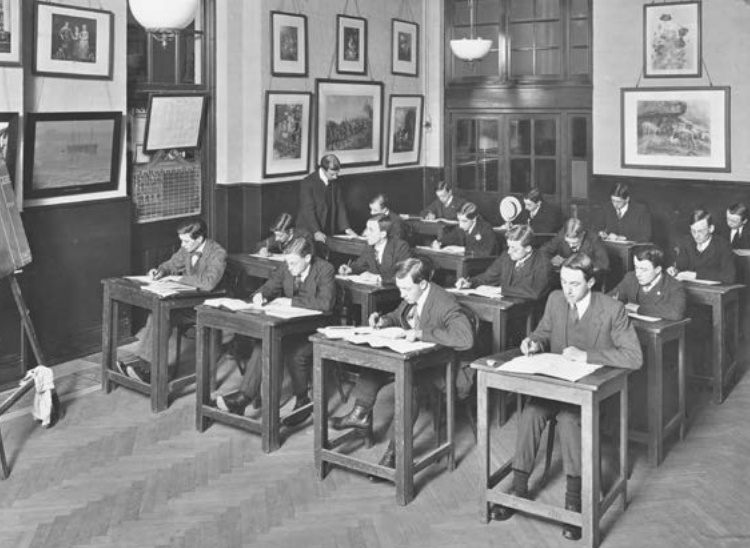
Militarism wasn't just about building armies – it penetrated deep into European society, shaping values, education, and social norms.
In education:
- State-run schools inculcated a martial (military) spirit in children
- Students were taught strong patriotic feelings for their country
- Young people were encouraged to be willing to serve in war, even to the point of sacrificing their lives
- Patriotism (loving your country more than any others) was promoted, though it could quickly turn into extremism and intolerance
Masculinity and militarism:
- By the end of the nineteenth century, masculinity became linked to militarism
- War was regarded as the ultimate test of manhood
- This was especially true for educated men throughout Europe
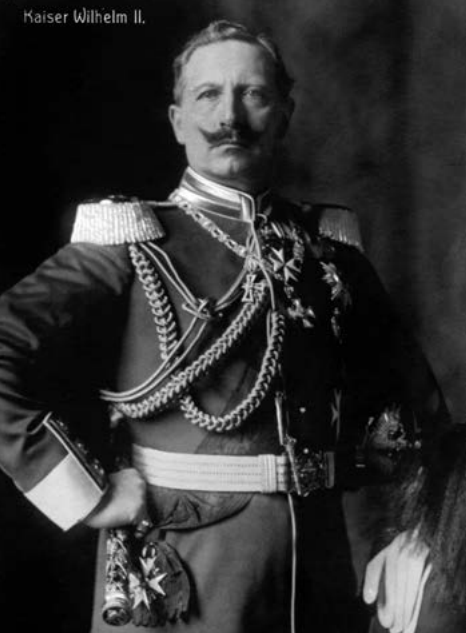
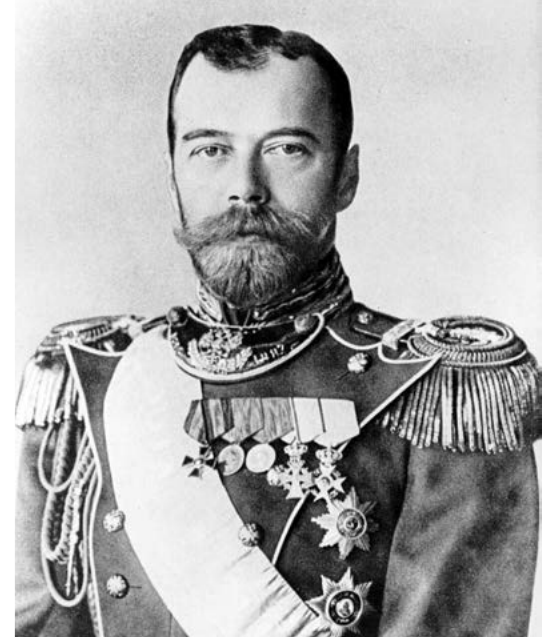
Social status of the military:
- Generals and the officer class were held in high esteem across European society
- Political leaders often played up their military prowess
- Some government leaders even dressed in military uniform to impress the people
The military buildup of the Great Powers
Vast sums of money were spent by the ruling elites of the Great Powers to build massive military capabilities that far exceeded the needs of pure defence. Five European powers – Germany, Russia, Austria-Hungary, France, and Italy – built large armies using conscription (compulsory military service). Britain was the exception, as its Liberal government refused to introduce conscription based on its belief in 'free service'.
Important
The standing army (a nation's regular and professional armed force) was only part of the story. In the event of war, all those who had previously been trained would also be mobilised, creating massed armies bigger than at any other time in the past. This mobilisation capacity meant that any European war would involve millions of soldiers, far exceeding previous conflicts.
| Country | Population (millions) | Standing Army | Fully Mobilised Army |
|---|---|---|---|
| Britain | 46 | 255,000 | 700,000 |
| France | 40 | 823,000 | 4.5 million |
| Germany | 65 | 880,000 | 5.7 million |
| Austria | 50 | 480,000 | 2.3 million |
| Russia | 167 | 1.4 million | 5.3 million |
| Italy | 35 | 125,100 | - |
Key observations:
- Russia had by far the largest population and standing army
- Germany had the largest standing army in Western Europe
- When fully mobilised, Germany and Russia would have the largest forces
- The size of fully mobilised armies showed the scale of potential warfare
Naval power and the arms race
The naval arms race was equally intense, with Britain maintaining its position as the dominant naval power:
| Country | Dreadnoughts | Pre-dreadnoughts | Battle Cruisers | Cruisers | Light Cruisers | Destroyers | Submarines |
|---|---|---|---|---|---|---|---|
| Britain | 24 | 38 | 10 | 47 | 61 | 225 | 76 |
| France | 14 | 15 | 0 | 19 | 6 | 81 | 76 |
| Germany | 13 | 30 | 6 | 14 | 35 | 152 | 30 |
| Austria | 3 | 12 | 0 | 3 | 4 | 14 | 14 |
| Russia | 4 | 7 | 1 | 8 | 5 | 106 | 36 |
| USA | 10 | 26 | 0 | 21 | 11 | 50 | 39 |
| Japan | 4 | 2 | 2 | 9 | 15 | 56 | 15 |
Note
Britain's naval superiority was clear, especially in dreadnoughts (the most modern and powerful battleships) and battle cruisers. The Royal Navy's dominance was a cornerstone of British imperial power and a constant source of concern for rival nations, particularly Germany, which sought to challenge British naval supremacy.
Germany's military advantage: The Schlieffen Plan
The statistics of military prowess can be misleading. The effectiveness of a nation at war depends on many factors beyond just numbers. Germany was acknowledged to have significant advantages:
- Superior military leadership
- Technological advantages
- Plans for speedy mobilisation and deployment
- A proud tradition of military success (Franco-Prussian War 1870-71, war with Austria 1866)
However, the Franco-Russian alliance of 1894 counterbalanced Germany's advantages. Though Russia would be slow to mobilise, its sheer size made it formidable. This alliance meant that any war Germany had with either France or Russia would inevitably mean war with both.
Important
Germany's Two-Front War Dilemma
The Franco-Russian alliance created Germany's greatest strategic nightmare: the possibility of fighting a two-front war simultaneously against France in the west and Russia in the east. This geopolitical reality would prove to be one of the most significant factors shaping German military planning and, ultimately, the outbreak of World War I.
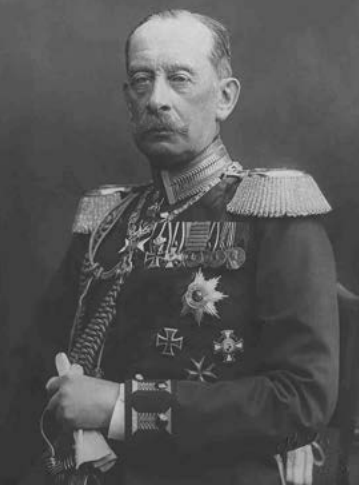
The Schlieffen Plan was Germany's response to this dilemma:
- Proposed in 1905 by Count Alfred von Schlieffen, chief of the German general staff
- Designed to allow Germany to wage a successful two-front war
- Required Germany to deploy all forces to the west first
- Aimed to defeat France within six weeks
- Then forces would move to battle Russia on the Eastern Front
- The assumption: Russia would be slow to mobilise, giving Germany a six-week window
Nationalism: A driving force of the nineteenth century
The emergence of nationalism
Nationalism is a strong identification with others who share a common language and heritage, and a belief that the interests of one's state are of primary importance. It was one of the driving forces of the nineteenth century.
Though the legal concept of the modern nation-state was born from the Treaty of Westphalia in 1648, it wasn't until the nineteenth century that the peoples of Europe began to truly value being part of a nation with common language, beliefs, and traditions.
Traditional identity:
- For most of history, people barely looked beyond their local area to define their identity
- If they did, it was in terms of their lord or monarch
- National identity was not a major part of how people saw themselves
The French Revolution and the birth of modern nationalism
This all changed dramatically with the French Revolution in 1789:
- The monarchy was overthrown
- A new sense of equality as members of a nation emerged
- French pride in revolutionary achievements fuelled love of country
- National identity became a powerful force
Note
The French Revolution marked a fundamental shift in how people understood their relationship to the state. Instead of being subjects of a monarch, people became citizens of a nation, with both rights and responsibilities. This transformation created a new sense of collective identity and purpose that would spread across Europe and shape the modern world.
Napoleon and the spread of nationalism
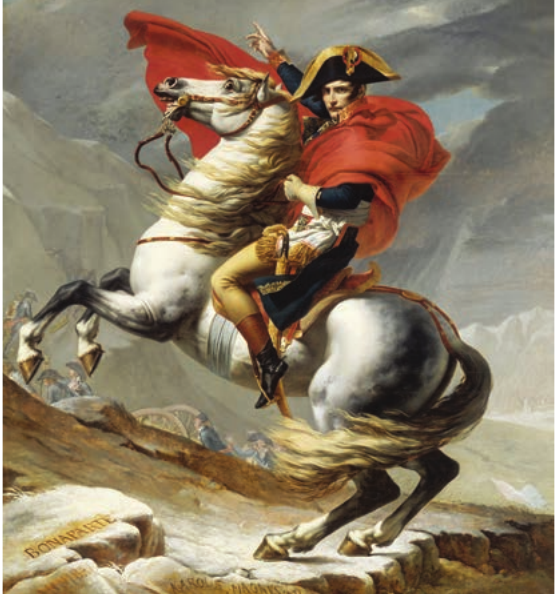
Under Napoleon Bonaparte, the French took their revolutionary fervour across Europe:
- Napoleon won battle after battle and nearly unified Europe
- However, this was Europe ruled by French nationalism
- Napoleon failed to engender a sense of being European
- His method of ruling by installing relatives or cronies in power fuelled resistance
- Declaring himself Emperor contradicted revolutionary ideals
Result: Each national group struggled against French domination. As coalition forces (English, French, and Russians) smashed Napoleon's empire, nationalism spread across Europe. Once ignited, the flame of nationalism continued to burn. The kingdoms of Italy and Germany both unified and became nation-states in 1871.
The problem of frustrated nationalism
Not all peoples who shared a common language and tradition lived in nation-states with defined borders. These peoples were frustrated in their nationalistic fervour, creating tensions that would eventually explode into conflict.
The Balkans problem:
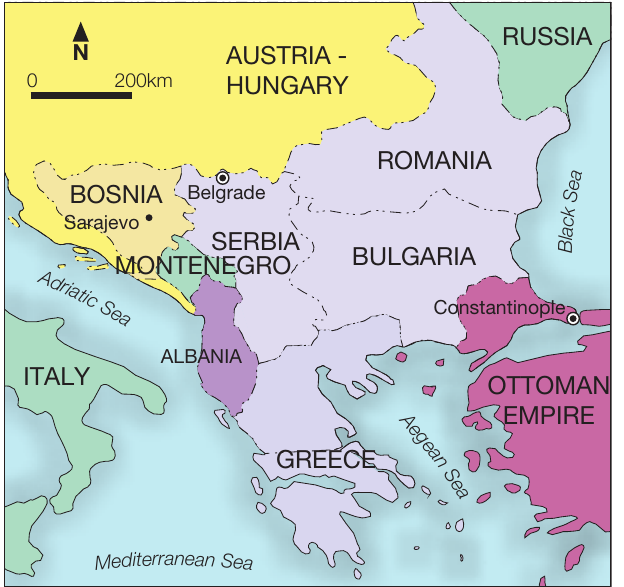
Most of the Balkans in south-east Europe fell into this category:
- Many ethnic groups did not rule themselves
- Those that did had only recently won independence from the Ottoman Empire
- The Austro-Hungarians feared that Slav peoples (members of Eastern European races who speak Slavic languages) in the Balkans would encourage Slavs within their empire to rebel
- Russia had developed an affinity with the ethnically related Slavs of Serbia
- Russia sought to further Serbian interests in the Balkans
Important
The Balkans: "The Powder Keg of Europe"
The Balkans were a dangerous mix of frustrated nationalism and geopolitical rivalry. They were an unending source of concern for the rest of Europe. This volatile region, where competing empires, ethnic groups, and nationalist movements clashed, would ultimately provide the spark that ignited World War I with the assassination of Archduke Franz Ferdinand in Sarajevo in 1914.
Internationalism
The emergence of internationalism
While militarism and nationalism were powerful forces pushing towards conflict, another force emerged in the nineteenth century that offered hope for peace: internationalism – the belief that countries can achieve more by working together and understanding each other than by arguing and fighting wars.
From the mid-nineteenth century, the concept of internationalism emerged in the Western world. Intellectuals grappled with the problem of relations between nations, which were often characterised by anarchy (a situation with no organisation or control). Europe tended towards disunity, and thinkers debated how to respond.
Key historical context:
- Napoleon's failed efforts to build a single European government
- The Concert of Europe from 1815 (an agreement by victorious powers after the Napoleonic Wars to maintain peace and stability)
- Fierce intellectual debate about how to govern relations between nations
The development of internationalism
The term 'international' was coined by English philosopher Jeremy Bentham (1748-1832). By the mid-nineteenth century, 'internationalism' had become publicly accepted.
Internationalism represented:
- A reaction to narrow and aggressive nationalism
- An emerging philosophical concept
- An unstoppable social force driven by science and technology
According to historian Mark Mazower in Governing the World (2012):
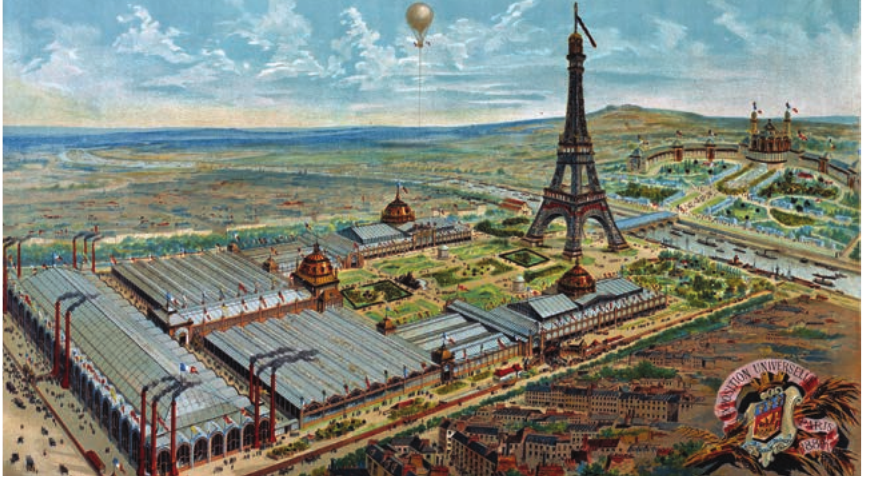
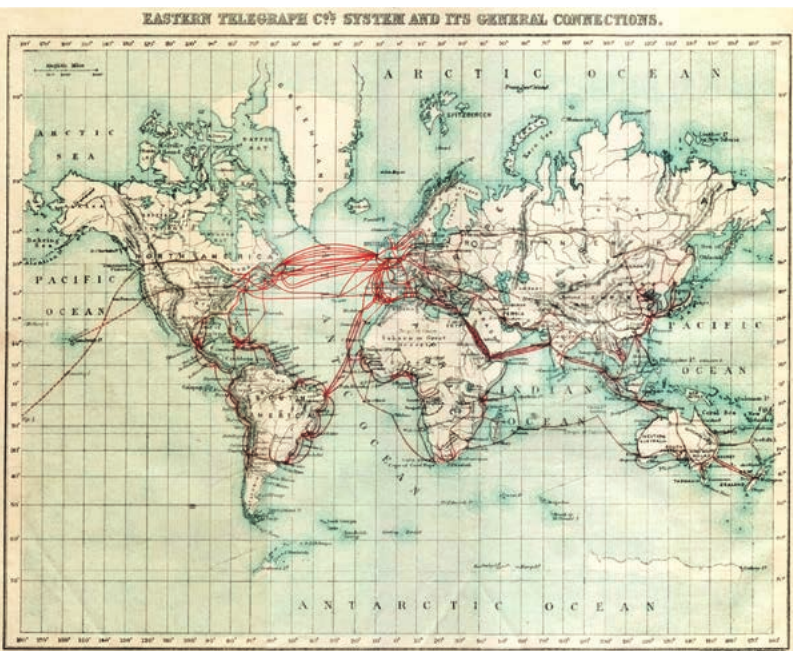
This consciousness of the world as an interconnected whole cannot be separated from the impact of steamships, rail, the telegraph, and airpower and the sense of living through an epoch of unprecedented technological advance.
Note
Technology as a Unifying Force
The technological revolution of the nineteenth century didn't just change how people lived – it fundamentally transformed how they saw the world. Steamships, railways, telegraphs, and eventually airpower shrank distances and connected people across borders in ways never before possible. This created both the practical means and the psychological impetus for international cooperation.
The growth of international organisations
Over the nineteenth century, there was unprecedented growth in:
- International governmental organisations (IGOs) – organisations set up by governments to perform specific functions
- International non-governmental organisations (NGOs) – groups that try to achieve social or political aims but are not controlled by governments
According to historian FSL Lyons in Internationalism in Europe 1815-1914 (1963), the most important factor in this dramatic growth was the growing ease of communication and economic activity.
Evidence of this trend (1860-1880):
- Five of eleven IGOs formed were concerned with transport, international postage, and standardisation of weights and measures
- Two were monetary unions
- Science and technology were creating an international society
- Countries learned that opportunities could only be met through international cooperation
Note
Lyons concluded that the internationalist movement up to World War I provided "the indispensable experience in international cooperation" and in the working of international institutions upon which every subsequent effort towards unity has been based. Surprisingly, much of what was built in those years "withstood the shock of two world wars."
Key intergovernmental organisations (IGOs)
In 1815, around the time of the Congress of Vienna, the first intergovernmental organisation in history was established: the European Commission for the Navigation of the Rhine.
Other early IGOs included:
- European Commission of the Danube (1856)
- International Telegraphic Union (1865)
- Universal Postal Union (1874)
These organisations were very different from ad hoc diplomatic conferences. They had:
- A permanent administrative structure
- A common purpose
- Stable membership
Note
IGOs have become an indispensable aspect of daily life in developed economies from the twentieth century to the present day. From postal services to telecommunications standards, from aviation regulations to maritime law, these international organisations quietly coordinate the systems that allow modern global society to function.
The rise of non-governmental organisations (NGOs)
The Red Cross:
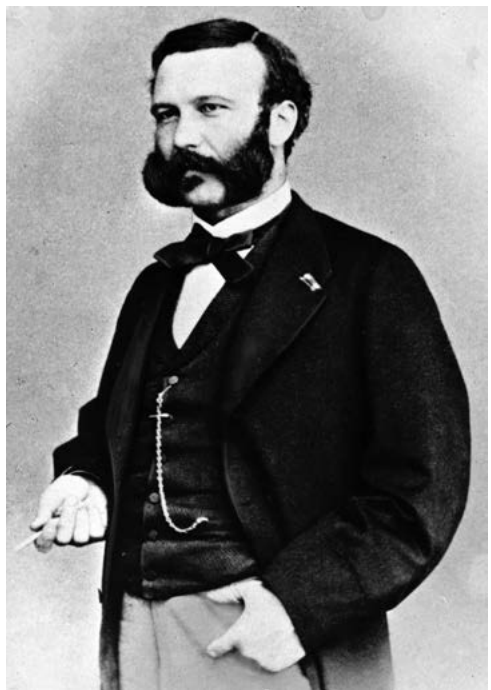
One of the first NGOs was the Red Cross, founded in 1863 by Swiss philanthropist Henri Dunant. The Red Cross was instrumental in:
- Drawing up and championing the first Geneva Convention of 1864
- Beginning the modern development of the laws of war (international humanitarian law)
- Drafting and enforcing the Geneva Conventions of 1925, 1929, 1949, and protocols of 1977
- Influencing the Hague Conventions of 1899 and 1907 (agreements calling for regulation of hostilities and conduct in war)
Growth of NGOs:
- By 1914: 176 NGOs existed
- By 1956: 1,000 NGOs
- By 1970: 2,000 NGOs
- By 1990s: 27,000 NGOs
- By 2000s: Over 40,000 NGOs
Example
The Red Cross: A Model for International Humanitarian Action
The Red Cross pioneered the concept of neutral humanitarian assistance in conflict zones. Its founding principle – that wounded soldiers should receive care regardless of which side they fought for – represented a revolutionary idea. By 1914, the Red Cross had established itself in countries across the world, creating a network of humanitarian aid that would prove invaluable during World War I and beyond.
NGOs in the late nineteenth century included:
- Humanitarian movements
- Peace movements
- Suffrage movements
- International law organisations
- Socialist organisations
Multilateral cooperation and global economic integration
Globalisation before World War I
Globalisation refers to the widening, intensifying, speeding up, and growing impact of worldwide connectedness in areas of trade, finance, investment, transport, communications, and information.
When looking at the years before World War I, historians are tempted to view the outbreak of war in 1914 as inevitable. However, this wasn't how people at the time saw it. While they were concerned about war, they didn't fall into fatalism (the belief that events cannot be avoided).
Why optimism existed:
The generation of 1914 had witnessed exceptional change:
- Rapid economic growth
- Expanding world trade
- Rapid technological advances in manufacturing
- A communications revolution
- Non-government transnational networking
- Transformed life for those in the Western world
Important
The First Golden Age of Globalisation
This was the first golden age of globalisation. All this happened despite class struggle, imperial rivalry, the arms race, militarism, and opposing alliance systems. In 1914, optimism abounded. As historian Margaret MacMillan stated in The War that Ended Peace, there were forces for war and forces for peace. The tragedy was that in 1914, the balance tipped towards war. This unprecedented period of prosperity was brought to a halt in August 1914.
Multilateral Great Power initiatives
Multilateral cooperation occurs when nations work together for a common purpose. The desire for nations to act together to strengthen international law and prevent war intensified as the destructive power of wars increased.
Historical examples of peace through power:
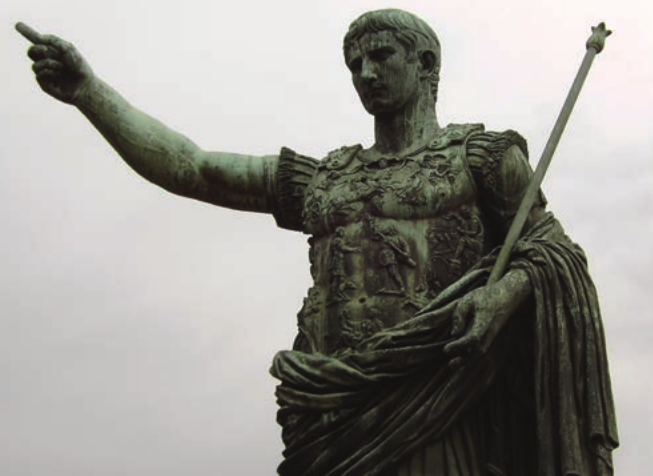
The Pax Romana (Roman Peace) was a period of sustained peace and stability for about 200 years at the height of the Roman Empire. However, such periods usually resulted from:
- Imperial rule
- Successful suppression of opposition
- A strong imperial power
In the past, peace was also preserved through bilateral treaties (treaties between two nations). However, in the last 350 years, a new phenomenon arose: the prevention of war through multilateral cooperation.
Key multilateral agreements
The Treaty of Westphalia (1648):
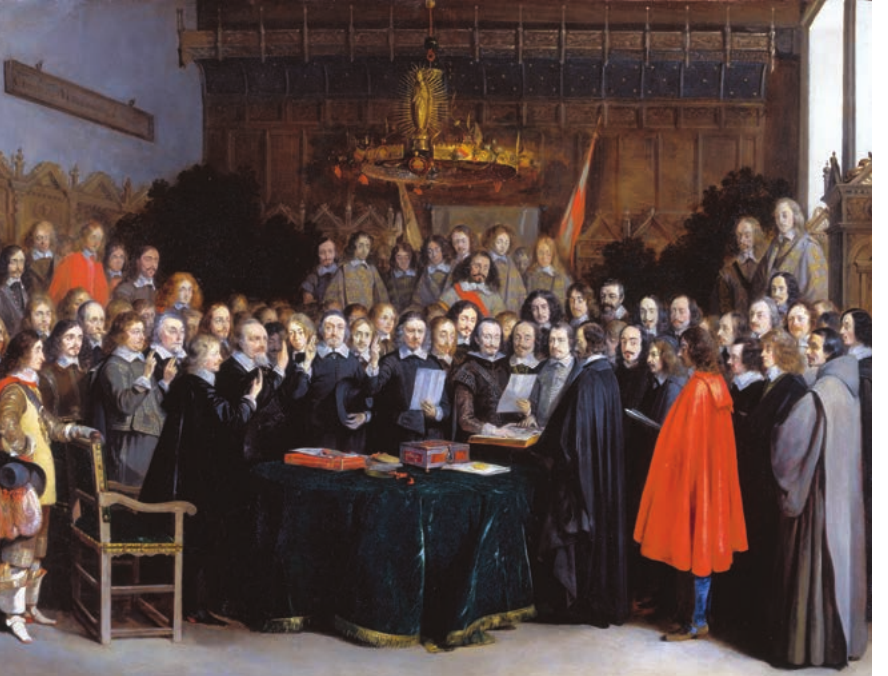
- The first example of multilateral cooperation
- Ended thirty years of religious war in Europe (ten million people died)
- For international lawyers, marks the beginning of the legal concept of the nation-state
- This concept continues to the present day
The Concert of Europe (1815):
- Established after the Napoleonic Wars
- An agreement by conservative European leaders to:
- Cooperate to maintain order and stability in Europe
- Prevent the outbreak of war between European nations
Note
The Concert of Europe represented a revolutionary approach to international relations. Rather than allowing the balance of power to shift through conflict, the major powers agreed to meet regularly and resolve disputes through negotiation. While imperfect, this system helped maintain relative peace in Europe for much of the nineteenth century.
The Hague Conferences (1899 and 1907):
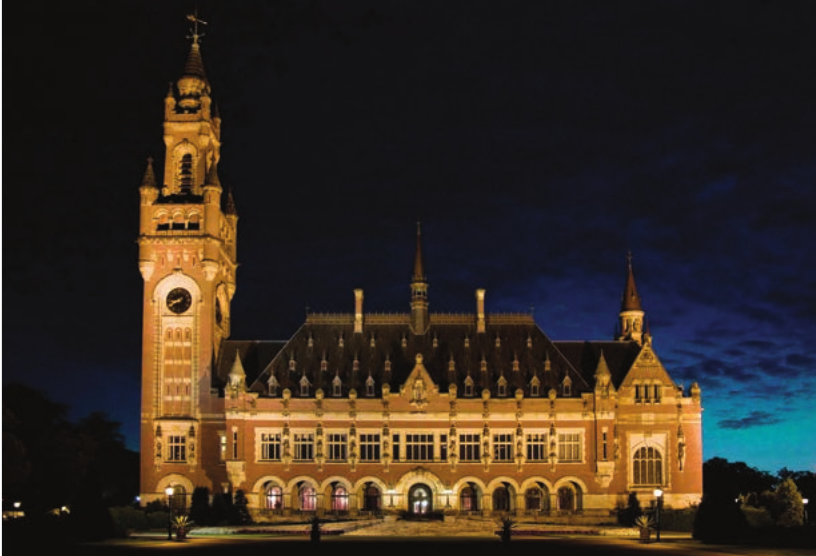
As the century progressed, awareness grew among political leaders and educated people that:
- New weaponry had awesome destructive power
- The arms race was accelerating
- Mass conscription was being introduced
- Imperial rivalry, jingoism (extreme belief that your own country is always best), and militarism were intensifying
- These factors could lead to a general European war of disastrous proportions
The Hague Conferences acted as a kind of global legislature:
- Discussed limitation of certain types of weapons and disarmament
- Created the Permanent Court of Arbitration to settle international disputes
- The court was based in The Hague (the seat of government of the Netherlands, which became home to international courts)
Challenges to the status quo
While there were many progressive developments in the nineteenth century, several driving forces for change were taking Western civilisation into uncharted waters. The monarchical-based regimes of Europe were too rigid to cope with these winds of change.
Class inequality:
- A major feature of nineteenth-century Europe
- The Industrial Revolution created a relatively well-off middle class
- Most working-class people had only basic living conditions
- This persisted despite the growth of democracy
Limited democracy:
- In Britain: roughly 50% of men could vote by 1900
- In Germany: 76% of men voted in 1898 Reichstag elections
- No European government had granted female suffrage by the start of World War I
- Russia was the most autocratic, with no democracy until limited reforms after the 1905 Revolution (which were swept away by WWI)
Pressure for change:
By the end of the nineteenth century:
- There was an unmistakable trend towards democracy
- Growing middle and working classes demanded a larger say in governance
- Pressure built on aristocracies, who still largely controlled politics
- Forces of liberalism, socialism, and internationalism challenged the status quo
- Globalisation's economic imperatives accelerated change
Important
The Paradox of Progress
Europe in 1914 stood at a crossroads. On one hand, unprecedented economic integration, technological advancement, and international cooperation suggested a future of peace and prosperity. On the other hand, militarism, aggressive nationalism, rigid class structures, and imperial rivalries threatened to tear the continent apart. The old order was crumbling, but what would replace it remained uncertain.
Remember!
Summary
Key Points to Remember:
-
Militarism glorified military power and penetrated deep into European society through education, linking masculinity to war and creating an unprecedented arms race among the Great Powers.
-
Nationalism emerged from the French Revolution and spread across Europe under Napoleon, becoming a powerful force that unified some nations (Germany, Italy) but frustrated others (especially in the Balkans), creating dangerous tensions.
-
Internationalism developed as a counterforce to militarism and nationalism, driven by technological advances in communication and transport, leading to the creation of international organisations and multilateral cooperation efforts like the Hague Conferences.
-
By 1914, three competing forces shaped Europe: militarism and nationalism pushed towards conflict, while internationalism and globalisation created unprecedented economic integration and cooperation. The tragedy was that the balance tipped towards the forces of war.
-
The growth of IGOs and NGOs in the nineteenth century laid foundations for international cooperation that survived even the devastation of two world wars, demonstrating that not all the "lamps went out in Europe in 1914 – and not forever."