The Failure of the League of Nations (HSC SSCE Modern History): Revision Notes
📚Revision Notes
The Failure of the League of Nations
Introduction
The League of Nations, established after World War I to prevent future conflicts, ultimately failed in its mission. Despite initial optimism in the 1920s, the League collapsed in the 1930s when it was most needed. Understanding why the League failed helps us appreciate both the challenges of international cooperation and the lessons that shaped the modern world order.
The League's foundational problems
Built on a punitive peace
The League's most serious weakness was its foundation upon the harsh Treaty of Versailles (1919). This treaty:
- Placed total blame for the war on Germany and the Central Powers
- Demanded substantial reparations (compensation payments) from the defeated nations
- Created lasting resentment and instability
- Contradicted the ideals of many League supporters who wanted a just settlement
Important
This was very different from the fair and balanced peace settlement that British and American supporters of the League had envisioned. Many believed that for the League to succeed, Germany and its former allies should have been welcomed as founding members from the very beginning.
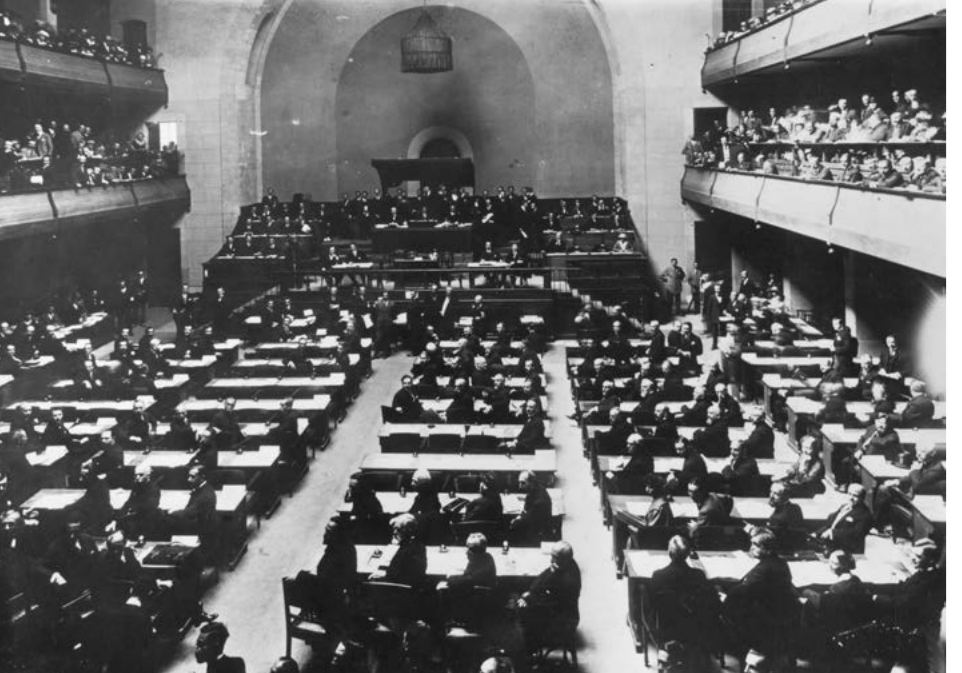
Absence of key powers
The League was severely weakened by missing some of the world's most important nations:
Note
United States: Despite President Wilson's role in creating the League, the US Senate refused to ratify membership. America remained outside the League throughout its entire existence, removing a crucial source of economic and military power.
Note
Soviet Union (USSR): The new Communist government was deliberately excluded from membership because Allied nations feared the spread of communist revolution. The USSR was only admitted in 1934, after more than a decade of exclusion.
Note
Germany: Although supporters argued Germany should be admitted immediately, it took six years before Germany was accepted as a League member in 1926. This delay reinforced German resentment and undermined the League's credibility.
Important
These absences meant the League never recovered its intended authority. Without major powers committed to enforcing its decisions, the organisation lacked the strength to maintain peace effectively.
The 1920s: a decade of optimism
Despite its serious flaws, the League experienced considerable success and hope during most of the 1920s. Several factors contributed to this period of "League-optimism":
Initial idealism and support
The Covenant of the League of Nations was an impressive founding document that outlined:
- Mechanisms for peaceful dispute resolution
- Collective security arrangements
- A vision of international cooperation based on law rather than force
Many prominent leaders in Allied countries genuinely believed in the League's ideals and actively engaged in its work. The League also captured public imagination, with widespread goodwill toward this new international body across many nations.
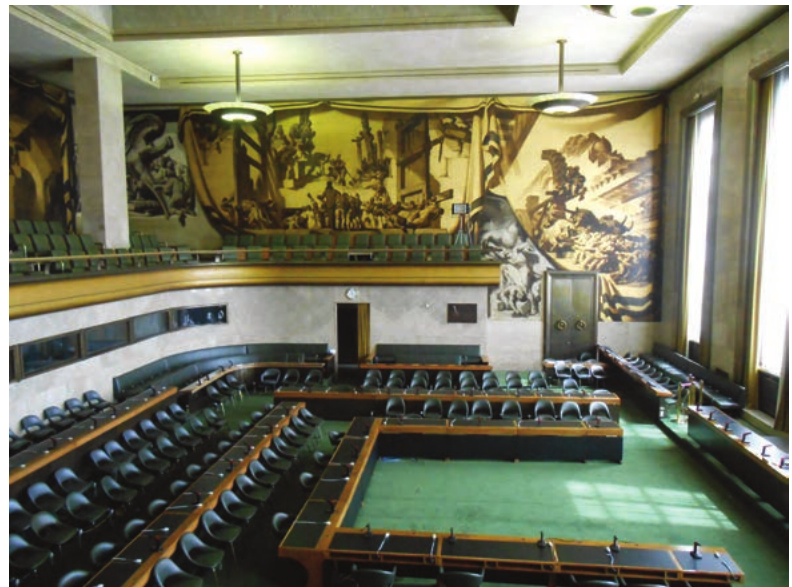
Successful dispute settlements
The League proved effective at resolving conflicts between smaller nations during the 1920s. It successfully forced smaller countries to compromise in several disputes, demonstrating that international arbitration could work. Fortunately for the League, no major power committed aggression during this decade, so its mechanisms were never seriously tested.
Growing membership
League membership expanded steadily:
- 1920: 48 member nations
- 1929: 54 member nations
- Germany admitted in 1926
- USSR admitted in 1934
This growth suggested increasing international acceptance of the organisation.
Limited American involvement
Although the US never joined the League, it did not completely withdraw from international affairs during the 1920s:
- Washington Conference of Disarmament (1921): The US participated in this major arms reduction conference
- Kellogg-Briand Pact (1928): America signed this international treaty renouncing war as an instrument of national policy
Note
These actions gave hope that eventually the US might recognise the benefits of League membership and join the organisation.
Hopes for lasting peace
Many people genuinely believed the League could prevent another world war, giving meaning to the immense sacrifices of 1914-1918. This idealism sustained support for the League throughout the relatively peaceful 1920s.
Leadership challenges
Britain and France as main powers
Of the League's original 42 member nations, only Britain and France possessed sufficient military and economic power to play a significant leadership role in maintaining international security. This created several problems:
Insufficient resources: Two nations alone could not effectively police the entire world or deter aggression by other major powers.
Lack of effective leadership: Neither Britain nor France could provide the strong, consistent direction the League needed to succeed.
Different national approaches
Important
Britain and France viewed the League's purpose quite differently, creating a fundamental disagreement that undermined unified action.
British approach:
- Saw the League primarily as a forum for discussing grievances
- Wanted to avoid military commitments
- Preferred diplomatic solutions
French approach:
- Expected the League to enforce the Treaty of Versailles strictly
- Believed the treaty had not gone far enough to weaken Germany
- Wanted stronger measures against Germany
The Ruhr occupation (1923)
France's occupation of Germany's Ruhr industrial region in 1923 illustrated these tensions. When Germany defaulted on reparations payments, France acted unilaterally rather than through the League, demonstrating limited faith in the organisation's authority.
Reluctance to use force
Both Britain and France were determined to avoid war at any cost, having suffered devastating losses during World War I. Political leaders were therefore reluctant to commit armed forces to League operations, even though the League theoretically could raise military forces from member states.
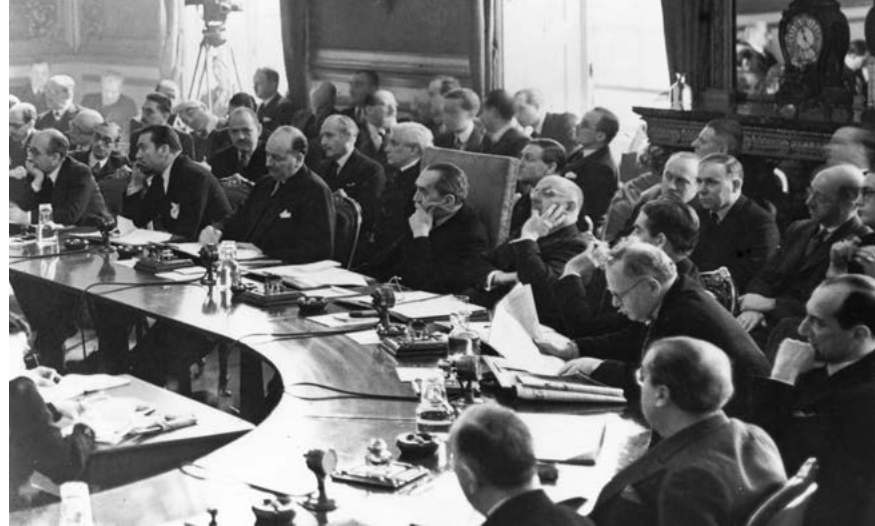
The 1930s: the League's collapse
During the 1930s, the League completely failed to achieve its primary aim of preventing war. Multiple factors doomed the organisation:
Critical structural flaws
Important
Unanimous voting requirement: Both the League's Assembly and Council required unanimous agreement from all members before taking any action. This gave every member state, regardless of size, an effective veto. In practice, this made decisive responses to aggression virtually impossible.
Equal voting rights: All member states had equal voting power, meaning small nations could block decisions by major powers.
Mass departures
Countries that disagreed with League decisions simply withdrew from the organisation:
- 1933: Japan and Germany left
- 1937: Italy left
- 1939: USSR expelled/left
- 1940: France left
Note
These departures removed any remaining authority the League possessed.
The Great Depression
The unexpected onset of a global economic depression in 1929 created conditions that intensified international tensions. Economic hardship contributed to the rise of aggressive nationalist governments in Japan, Italy, and Germany.
American isolationism
As international tensions increased, many hoped the US might finally join the League to strengthen Britain and France's resolve against aggression. However, America moved in the opposite direction:
President Roosevelt and the World Court (1935): Although President Roosevelt favoured US membership in the World Court, the Senate refused to ratify this limited international engagement.
Neutrality Acts: Congress passed legislation prohibiting trade with nations at war, intending to prevent America being drawn into another major conflict as it had been in 1917.
Important
The US remained a spectator while Britain and France struggled to lead the League's response to aggression.
Failure to counter aggression
The League proved completely ineffective against aggression by major powers:
- 1931-1933: Japanese invasion of Manchuria and expansion in China
- 1935-1936: Italian invasion of Ethiopia
- 1936-1939: German remilitarisation, expansion, and aggression
Britain and France, the League's main powers, lacked both the will and resources to stop these acts of aggression effectively.

Australia's role
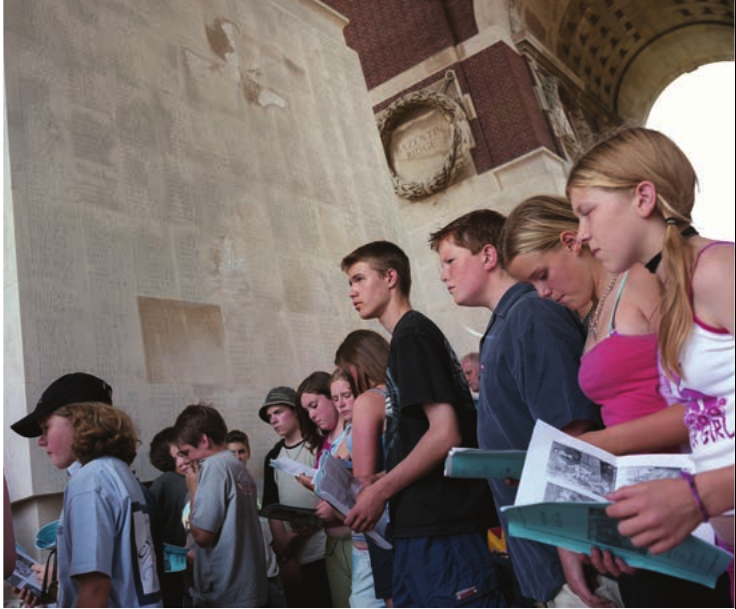
Australia participated actively in the League of Nations from its founding. Several Australians served in League positions, with former Prime Minister Stanley Melbourne Bruce being the most notable Australian representative. Australia's involvement reflected the nation's hope that international cooperation could prevent future wars.
Exam tips
Note
Understanding the League's failure requires analysis, not just memorisation:
- Understand causes, not just events: Examiners want you to explain why the League failed, not just describe what happened
- Make connections: Link the League's foundational problems to its ultimate failure
- Use specific evidence: Reference specific dates, countries, and events (e.g., Japan and Germany leaving in 1933)
- Consider multiple perspectives: Understand different national approaches (British vs French views of the League)
- Assess significance: Evaluate which factors were most important in causing the League's failure
Remember!
Summary
Key Points to Remember:
-
The League was fatally weakened from its inception by being built upon the punitive Treaty of Versailles and by the absence of major powers (US, USSR initially, Germany for six years).
-
The 1920s represented a period of optimism and limited success when the League settled minor disputes and grew in membership, but it was never tested by major power aggression.
-
Only Britain and France had sufficient power to lead the League, but neither could provide effective leadership, they had different visions for the organisation, and both were determined to avoid war.
-
Structural flaws made the League ineffective in crises: the requirement for unanimous decisions meant any member could block action, making decisive responses to aggression impossible.
-
The League collapsed in the 1930s when major powers (Japan, Germany, Italy) committed aggression, key members withdrew from the organisation, and the US remained isolationist despite hopes it would join to strengthen the League's authority.