The Historical Debate Continues (HSC SSCE Modern History): Revision Notes
📚Revision Notes
The Historical Debate Continues
The enduring legacy of World War I
More than a century after its conclusion, World War I continues to cast a long shadow over our understanding of the modern world. The conflict's impact extended far beyond the Armistice of 1918, shaping the entire twentieth century and influencing events that still affect us today. Both positive and negative consequences emerged from this unprecedented conflict, and certain unresolved issues from 1914-1919 remain relevant in the twenty-first century.
The massive scale of death and destruction, facilitated by modern industrial technology, remains confronting for those who visit the battlefields and memorials scattered across Europe and beyond. However, the violence did not cease with the 1918 Armistice. Instead, it persisted in various forms for decades, ultimately escalating again with the outbreak of World War II in 1939.
Note
The term "modern industrial technology" refers to the mechanised warfare that made WWI uniquely deadly - including machine guns, artillery, poison gas, tanks, and aircraft. This was the first major conflict where industrial production capabilities directly determined military outcomes.
The unprecedented scale of destruction
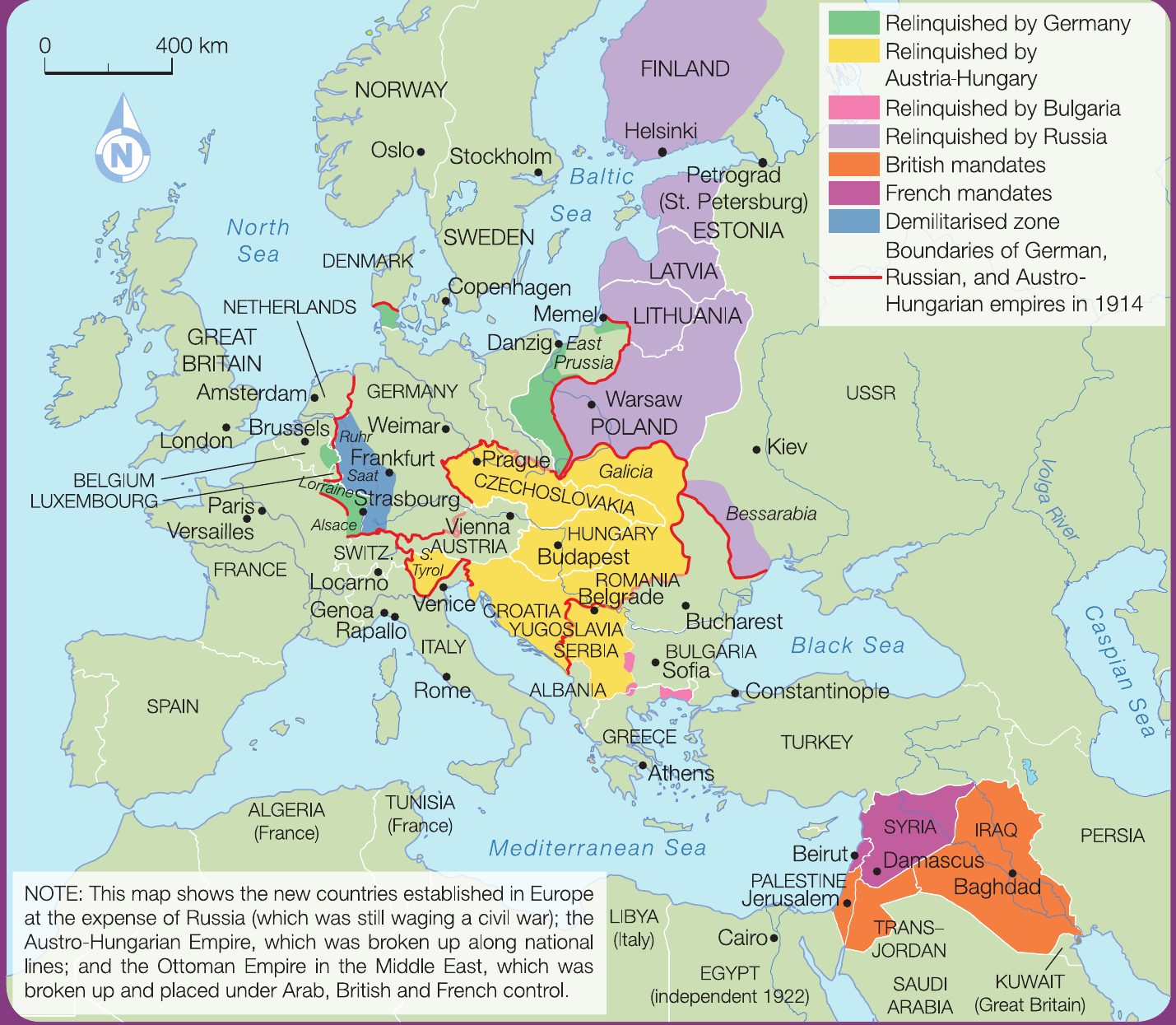
World War I earned its title as "The Great War" because humanity had never before experienced anything comparable in scale or horror. The statistics paint a grim picture of the conflict's human cost.
During the war's 1560-day duration, approximately 18 million people lost their lives. Of these, 6 million were civilians who perished far from the battlefields. This translates to roughly 2750 deaths every single day of the war - a daily toll roughly equivalent to the number who died in the terrorist attacks on 11 September 2001 in New York and Washington DC.
Important
Understanding the Scale of Death
To put these numbers in perspective: the daily death toll of WWI (approximately 2750 deaths) was equivalent to a 9/11-scale tragedy occurring every single day for over four years. This sustained level of carnage was unprecedented in human history.
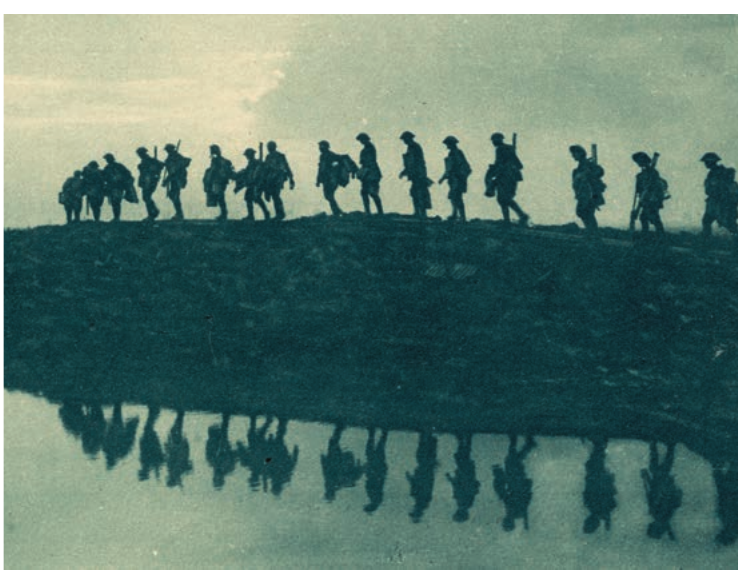
This staggering level of destruction led some people during the conflict to hope desperately that this would prove to be "the war to end all wars". Surely, they reasoned, the world would learn from this horrific experience and never allow such carnage to happen again. Yet many observers remained sceptical, fearing that humanity might repeat such destruction again and again, potentially leading to the extinction of civilisation itself.
Why historians still debate World War I
Despite more than a hundred years of intensive study, tens of thousands of books and articles, and countless primary sources and documents from the period, historians have not reached a shared understanding of World War I's significance for the modern world. Fundamental questions about the conflict remain vigorously contested.
There is still no consensus on why the war started. Historians continue to debate many aspects of the conflict, including how it was fought, its brutality and inhumanity, why it continued year after year, and what its lasting legacy means for us today.
Note
Christopher Clark's Observation
As historian Christopher Clark observed in his 2014 book The Sleepwalkers, the debate over why World War I happened began even before the first shots were fired. Clark noted that there is no reason to believe this debate has run its course - in other words, historians will likely continue arguing about the Great War for generations to come.
Perhaps most troubling is that despite all this scholarly attention, there remains no clear consensus on what the war was fundamentally about and whether it was even necessary. This lack of agreement reflects the profound complexity of the conflict and its causes.
Two competing historical interpretations
Historians have generally aligned themselves behind two contrasting views of World War I. These competing interpretations offer dramatically different ways of understanding the conflict and its meaning.
The "dire necessity" interpretation
Some historians argue that World War I was a necessary evil - a conflict that had to be fought to the bitter end for the good of civilisation. According to this view, however prolonged and bloody the war proved to be, it must be accepted as unavoidable.
Historians who subscribe to this interpretation believe we should take pride in the Allied victory and firmly reject any suggestion that the war was futile. The sacrifice of millions was tragic, but it served a vital purpose in defending freedom and democracy.
Example
Trevor Wilson's "Dire Necessity" Argument
Australian military historian Trevor Wilson expressed this view in his 1986 book The Myriad Faces of War. Wilson acknowledged that World War I could not really be described as a "good war", but he nevertheless insisted it was "one of freedom's battles".
From this perspective:
- The war represented a struggle between civilisation and barbarism
- The conflict pitted freedom against tyranny
- The defeat of German militarism justified the sacrifices made
- Allied victory was essential for the preservation of democratic values
Exam tip: When discussing this interpretation, emphasise that it focuses on the war's aims and outcomes rather than its human cost. Supporters of this view argue that the defeat of German militarism justified the sacrifices made.
The "tragic school" interpretation
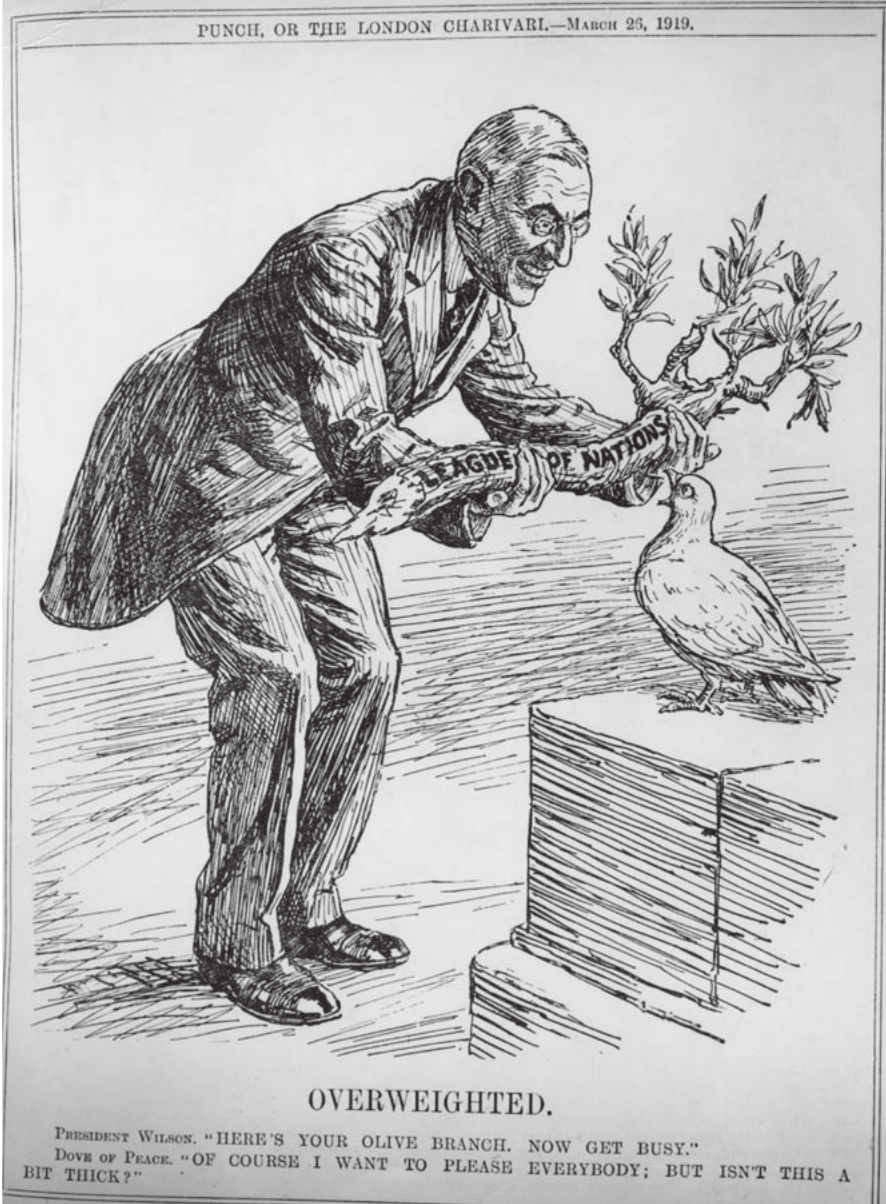
Other historians take a fundamentally different view, arguing that World War I was an avoidable tragedy. They contend that political leaders, diplomats, and military strategists had alternative options available to them, and that they made disastrous choices at numerous critical moments.
These historians are more conscious of the immense death and destruction than of any positive outcomes. Their regret and sorrow over the war's human cost overshadow any sense of pride in victory.
Australian historian Douglas Newton articulated this perspective powerfully in his 2014 book Hell Bent. Newton argued that the war was "eminently avoidable" and that "had politicians, diplomats, and strategists made different decisions, at a dozen different points, peace was achievable". He concluded that Europe's worst instincts only narrowly overwhelmed its better angels, leading to an unnecessary tragedy.
Important
Douglas Newton's Key Lessons from WWI
Newton identified several crucial lessons that challenge traditional narratives about the necessity of war:
- War is a blunt instrument that unleashes evil and cannot be precisely controlled
- Unqualified loyalty to powerful allies can trap nations in their friends' mistakes
- The war aims publicly declared to citizens often differ from the real reasons wars are prolonged
- War is never a simple choice between victory and defeat - other options always exist
- Negotiated peace represents a courageous and innovative alternative to continued bloodshed
- Wars prove so destructive that even victory can be hollow, failing to provide lasting peace or vindication for the killing
Exam tip: When analysing this interpretation, note how it challenges traditional narratives of military glory and necessary sacrifice. The "tragic school" asks us to consider what might have been if different choices had been made.
Evaluating the debate
These two interpretations reflect fundamentally different values and priorities. The "dire necessity" view emphasises principles, ideals, and long-term geopolitical outcomes. The "tragic school" focuses on immediate human suffering and the possibility of alternatives.
Note
Neither interpretation has decisively won the historical debate. Both continue to attract scholarly support, and both offer important insights into the complex reality of World War I. Understanding both perspectives helps us appreciate why the war remains so controversial more than a century after its conclusion.
Modern commemoration and continuing relevance
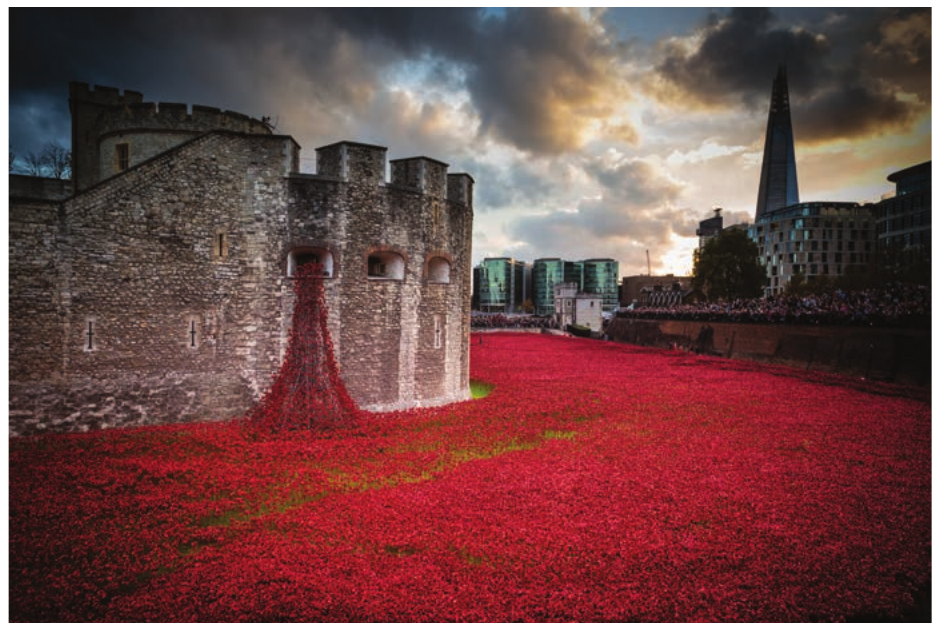
The centenary of World War I, marked between 2014 and 2020, demonstrated that the conflict retains enormous significance in contemporary society. Nations around the world staged elaborate commemorations to honour those who served and died.
One particularly striking memorial appeared at the historic Tower of London in 2014. The "Blood Swept Lands and Seas of Red" installation featured 888,246 ceramic poppies - one for each British or colonial serviceman who died during the war. The final poppy was planted on Armistice Day, 11 November 2014. This powerful artwork reminded visitors of the staggering human cost of the conflict and the importance of remembering individual lives lost.
These centenary commemorations also reignited historical debates about the war. Should we honour the sacrifice of those who served, or should we focus on the tragedy of unnecessary loss? Can we do both simultaneously? These questions demonstrate that World War I remains a living issue, not merely a historical curiosity.
Note
Why WWI Still Matters Today
The lessons of World War I continue to matter today because they raise fundamental questions about war, peace, and international relations:
- How should nations respond to threats?
- When is war truly necessary?
- How can we prevent future conflicts?
The Great War's legacy forces us to grapple with these difficult issues that remain relevant in contemporary international politics.
Remember!
Summary
Key Points to Remember:
-
World War I remains intensely debated more than 100 years after its conclusion, with no consensus on fundamental questions about its causes, necessity, or meaning.
-
The war's scale was unprecedented, with approximately 18 million deaths over 1560 days - roughly 2750 deaths per day, equivalent to a 9/11-scale tragedy occurring daily for over four years.
-
Two main interpretations divide historians: the "dire necessity" view (the war had to be fought for civilisation's sake) versus the "tragic school" view (the war was an avoidable tragedy with alternatives at many points).
-
Key historians represent opposing views: Trevor Wilson argued WWI was "one of freedom's battles" despite its horrors, while Douglas Newton contended it was "eminently avoidable" and resulted from bad decisions.
-
The debate continues to matter today because it raises crucial questions about war, peace, and how nations should respond to international threats - questions that remain highly relevant in the twenty-first century.