The Lessons of World War I (HSC SSCE Modern History): Revision Notes
📚Revision Notes
The Lessons of World War I
Introduction: learning from history
Learning the lessons of World War I has been an ongoing field of historical debate. However, many important lessons from WWI were successfully applied to the next major conflict by world leaders who understood history well. The two most notable statesmen in this regard were Winston Churchill and Franklin Roosevelt.
Note
Key initiative: Churchill and Roosevelt took early action during World War II to identify clear and progressive war aims. This happened through:
- The Atlantic Charter (1941) - a joint declaration of broad war aims by President Roosevelt and Prime Minister Churchill on 14 August 1941, influenced by Roosevelt's earlier 'Four Freedoms Speech'
- The Declaration of the United Nations (1942) - signed on 1 January 1942
These early declarations helped create a large multilateral coalition that ultimately defeated the Axis Powers.
After victory, the nations worked together to lay foundations for a just and lasting peace - something that had been lacking after World War I.
Comparing World War I and World War II
One effective way to understand our view of World War I is to compare it with World War II. The following comparison highlights key differences:
Causes
| World War I | World War II |
|---|---|
| Causes were complex. Blame for the war can be shared between a group of diplomats and political leaders of the Great Powers. | The cause was blatant aggression by Italy, Japan and Germany. |
WWI: The outbreak of war resulted from complicated diplomatic failures and tensions among multiple Great Powers. Responsibility was shared across various nations and their leaders, making it difficult to assign clear blame to any single party.
WWII: In contrast, the causes were much clearer. The aggressive actions of three specific nations - Italy, Japan and Germany - directly led to the conflict. This made the moral dimension of the war much more straightforward.
War aims
| World War I | World War II |
|---|---|
| The real (annexationist) war aims were hidden from the people on both sides of the conflict for most of the war. Only near the end of the war did the Allies appear to adopt fair war aims with President Wilson's 'Fourteen Points' but Entente Powers were not committed to these as their war aims. | The war aims of Nazi Germany came straight out of Mein Kampf (1924) and involved the conquest of Europe and large sections of the USSR. The Allied war aims, on the other hand, were summed up in the 1942 Declaration of the United Nations and reflected the progressive vision contained in the Atlantic Charter. |
Note
WWI: For most of the war, the true objectives (which often involved territorial annexation) were kept secret from citizens on both sides. Only towards the end did President Wilson introduce his idealistic 'Fourteen Points'. However, the other Allied powers (the Entente) never fully committed to these principles as their actual war aims.
WWII: Nazi Germany's aggressive aims were openly stated in Hitler's book Mein Kampf (1924), which outlined plans to conquer Europe and large parts of the Soviet Union. The Allied powers, however, clearly articulated progressive and defensive war aims through the 1942 Declaration of the United Nations and the Atlantic Charter, making their moral position transparent from early in the conflict.
Legacy
| World War I | World War II |
|---|---|
| A League of Nations was created to preserve the peace between nations, but it was undermined from the start due to the harsh terms of the Treaty of Versailles and the absence of both the US and the Soviet Union from the organisation. The international system created at the end of the war began to break down after only 10 years. | A United Nations was agreed to in principle in 1942, and operated as a multilateral alliance for the rest of the war; then a permanent organisation was created in 1945. The United Nations and key UN treaties signed after 1945 became the legal and moral foundation of the international system for over 70 years. |
WWI: The League of Nations was established to maintain peace, but it faced critical weaknesses from the beginning:
- The harsh terms imposed by the Treaty of Versailles created resentment
- Both the United States and the Soviet Union were absent from membership
- The international system began failing after just 10 years
WWII: The United Nations proved far more successful:
- It was agreed upon in principle in 1942, even before the war ended
- It operated as a multilateral alliance during the war
- It became a permanent organisation in 1945
- UN treaties signed after 1945 provided the legal and moral foundation for international relations for over 70 years
Important
Important contrast: Although World War II was far more destructive than World War I, its positive legacy has been much more enduring. The United Nations has proven far more successful than the League of Nations in dealing with global problems over more than 70 years of its history.
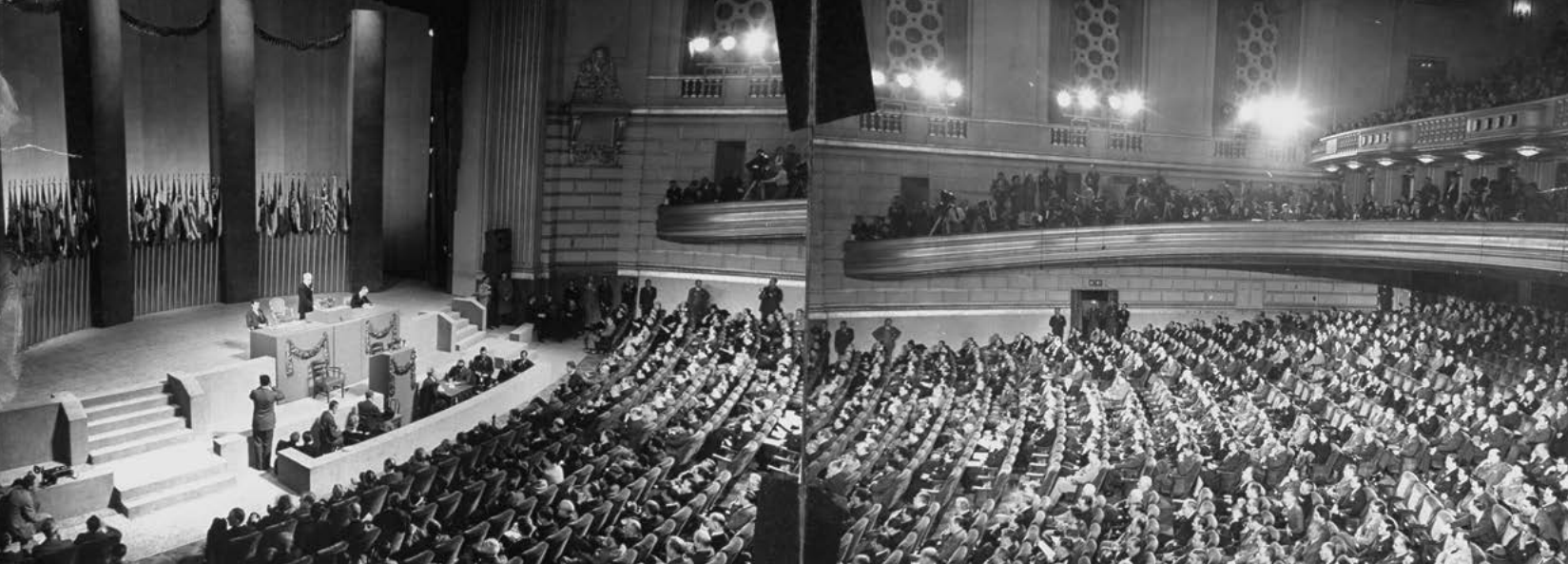
Post-World War II international order
After World War II, the international community faced many serious problems. However, there was a greater sense of hope and determination to create a better world. Over time, this led to far more stability, even after the onset of the Cold War.
Contrasting legacies:
- World War I legacy: A lost peace, marked by instability and the eventual breakdown of international cooperation
- World War II legacy: Hope based on international cooperation and determination to create a better world
Key international treaties
The determination to build a better world was evident in key international documents agreed after World War II. These laid the legal and moral foundation of the postwar order:
- Charter of the United Nations (1945) - established the framework for the UN organisation and its operations
- Universal Declaration of Human Rights (1948) - set out fundamental human rights to be universally protected
- Genocide Convention (1948) - made genocide a crime under international law
- Geneva Conventions (1949) - established rules for humanitarian treatment during armed conflict
- Refugee Convention (1951) - defined refugee rights and state responsibilities towards refugees
Note
These treaties represented a comprehensive attempt to address the failures and atrocities of the past and prevent their recurrence.
The Bretton Woods system
In addition to the treaties above, the 'Bretton Woods system' was created to ensure global financial stability. This system involved two crucial global institutions:
- International Monetary Fund (IMF) - promotes international monetary cooperation and financial stability
- World Bank or International Bank for Reconstruction and Development (IBRD) - provides financial assistance for development projects
Note
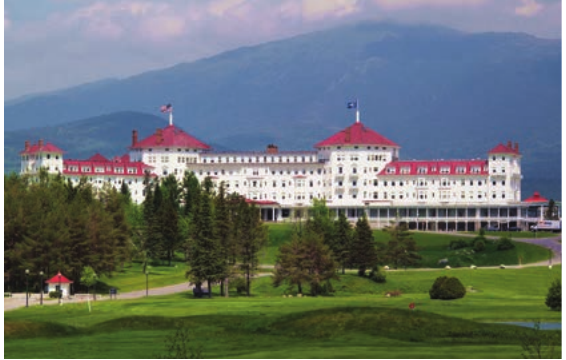
Historical context: These institutions were created at a conference held at the Mount Washington Hotel in New Hampshire, USA, between 1 July and 22 July 1944.
Why were these institutions necessary? The delegates at Bretton Woods had learned important lessons from the 1930s. They recognised that policies adopted during the Great Depression had made things worse:
- High tariffs restricted trade
- Currency devaluations created instability
- Trading blocs excluded nations and fostered resentment
These protectionist policies fostered international instability and deepened the Depression's effects.
Important
Returning to Wilson's ideas: US policy-makers at Bretton Woods returned to President Woodrow Wilson's concept that free trade promotes both international peace and global prosperity. The countries at Bretton Woods believed that international economic cooperation was essential for achieving peace and prosperity for all.
Since their creation, the IMF and World Bank have played crucial roles in ensuring global financial stability.
The enduring legacy and contemporary questions
Several factors have been crucial to maintaining relative international peace and security since 1945:
- The key treaties establishing international legal frameworks
- The economic institutions promoting financial stability
- The role of the United States as the richest and most dominant economic power in underwriting the liberal international order
Learning from both world wars
Historian William Mulligan notes that peacemaking after 1945 drew on ideas, institutions and personnel shaped by World War I and its aftermath. The post-WWII settlement included:
- Reconstruction of the European economy with American aid
- Integration of national economies in Europe
- Promotion of transnational civil society
- Tying West Germany into the Atlantic world
- Support for democracy in Western Europe
Note
These initiatives echoed ambitions from the generation that had experienced World War I. Importantly, the founders of the United Nations learned from the flaws of the League of Nations and drew on the expertise of League officials.
Contemporary relevance
Many would agree that the international community did eventually learn the lessons of World War I - but not until after World War II. This raises important questions for today:
- Has the world forgotten the lessons of World War II?
- Does the international community take for granted what was achieved in the post-World War II settlement?
Modern tools for peace: Today, we have significant advantages that the world lacked 100 years ago:
- International law and legal frameworks
- The UN Security Council and General Assembly as venues for diplomacy rather than war
- Technology to address underlying problems like poverty, hunger, displacement and environmental degradation
- Understanding of the catastrophic consequences of global war in the nuclear age
Important
Ongoing challenges: The question remains whether we will use these tools effectively. As economist Jeffrey Sachs argues, we must demand peace through diplomacy and address the root causes of conflict - poverty, disease and environmental degradation - through global, regional and national initiatives. The alternative in a nuclear age could be catastrophic.
Remember!
Summary
Key takeaways:
- Churchill and Roosevelt learned from WWI mistakes by establishing clear, progressive war aims early in WWII through the Atlantic Charter and Declaration of the United Nations
- WWII had clearer causes (Axis aggression) and more transparent war aims compared to the complex and hidden objectives of WWI
- The post-WWII settlement was far more successful than the post-WWI settlement, creating enduring institutions like the UN rather than the failed League of Nations
- Key post-WWII achievements included important treaties (UN Charter, Human Rights Declaration, Geneva Conventions) and economic institutions (IMF and World Bank) based on lessons from the 1930s Depression
- The question for today is whether the international community still remembers and applies these hard-won lessons from both world wars