1915: The Expansion of the Conflict (HSC SSCE Modern History): Revision Notes
📚Revision Notes
1915: The Expansion of the Conflict
Introduction: The role of alliances in expanding the war
By 1915, the nature of World War I had fundamentally changed. What began as a conflict over the assassination of Archduke Franz Ferdinand had transformed into a global struggle with far-reaching imperial ambitions. The warring powers pursued three key strategic objectives through their alliance systems:
- Maintaining existing alliances: Ensuring current allies remained committed to the war effort (achieved through agreements like the Pact of London in September 1914)
- Securing new allies: Attracting additional nations to join their side to guarantee victory
- Attacking weak points: Targeting the weakest partner in the enemy alliance as a strategy to break the stalemate on the Western Front
The Entente Powers (Britain, France and Russia) successfully pursued all three objectives during 1915. However, this expansion came at a significant cost. By the end of 1915, both sides had committed themselves to war aims that extended far beyond the original justifications of August 1914 or claims of fighting a defensive war.
Note
Grand strategy: A deeply held set of concepts about a country's goals and orientation in international affairs. This became increasingly important as nations developed longer-term objectives beyond immediate military victories.
Secret treaties and the partition of empires
The Straits Agreement (March 1915)
On 18 March 1915, Britain signed a secret agreement with France and Russia that fundamentally changed the nature of the war. This treaty, known as the Straits Agreement, outlined plans for dividing the Ottoman Empire after an Allied victory.
The key provisions included:
- Russia would receive: Control over the strategically vital Straits (Dardanelles), the Ottoman capital Constantinople, and surrounding territories including the Gallipoli peninsula
- Britain and France would divide: The remaining Ottoman territories between themselves
Note
This agreement had immediate military implications. Russia considered these territories their future "spoils of war" and insisted that any Allied military operations in the region required Russian approval. This meant Britain and France needed Russia's agreement before launching attacks on Turkish-controlled areas, with the understanding that these territories would be handed to Russia at war's end.
The Treaty of London (26 April 1915)
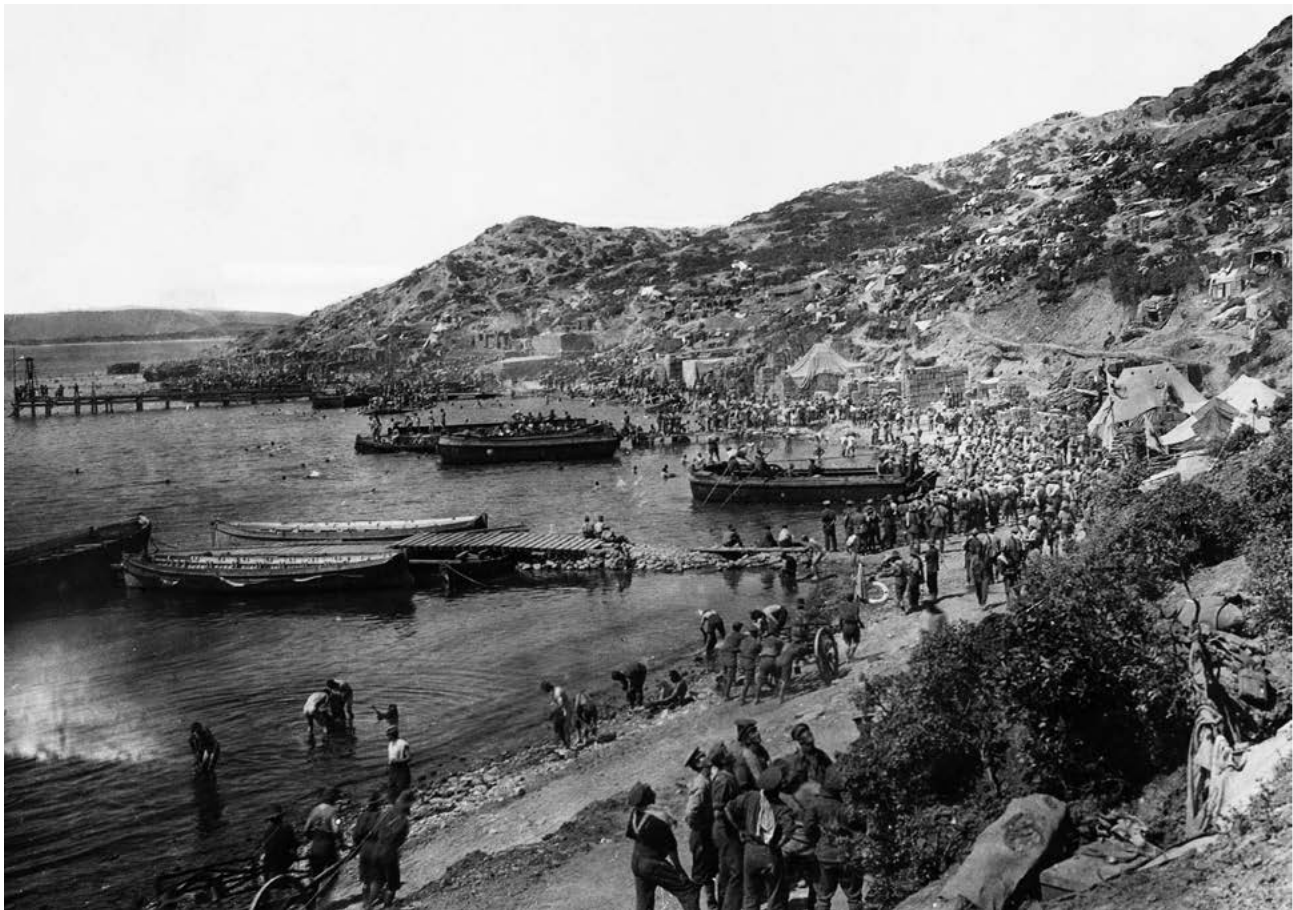
The day after the Gallipoli landings began, Italy joined the alliance planning to divide the Ottoman Empire. The Treaty of London, signed on 26 April 1915, brought Italy into the war on the side of the Entente Powers.
Note
Why the timing mattered: Italy only committed to joining the Allies when Britain and France demonstrated their commitment to defeating the Ottoman Empire through the Gallipoli landings on 25 April 1915. With the British and French actively engaged in fighting Turkey, the Italians believed victory was imminent and joined the cause.
Italy's contribution: In return for territorial promises from the Ottoman Empire, Italy agreed to open a new front against Austria-Hungary in the Alps to the north. Italy formally entered the war on 23 May 1915.
The Sykes-Picot Agreement (16 May 1916)
The following year, the Allies formalised their plans for carving up the Middle East with even greater detail. The Sykes-Picot Agreement represented a comprehensive plan for post-war imperial control of the region.
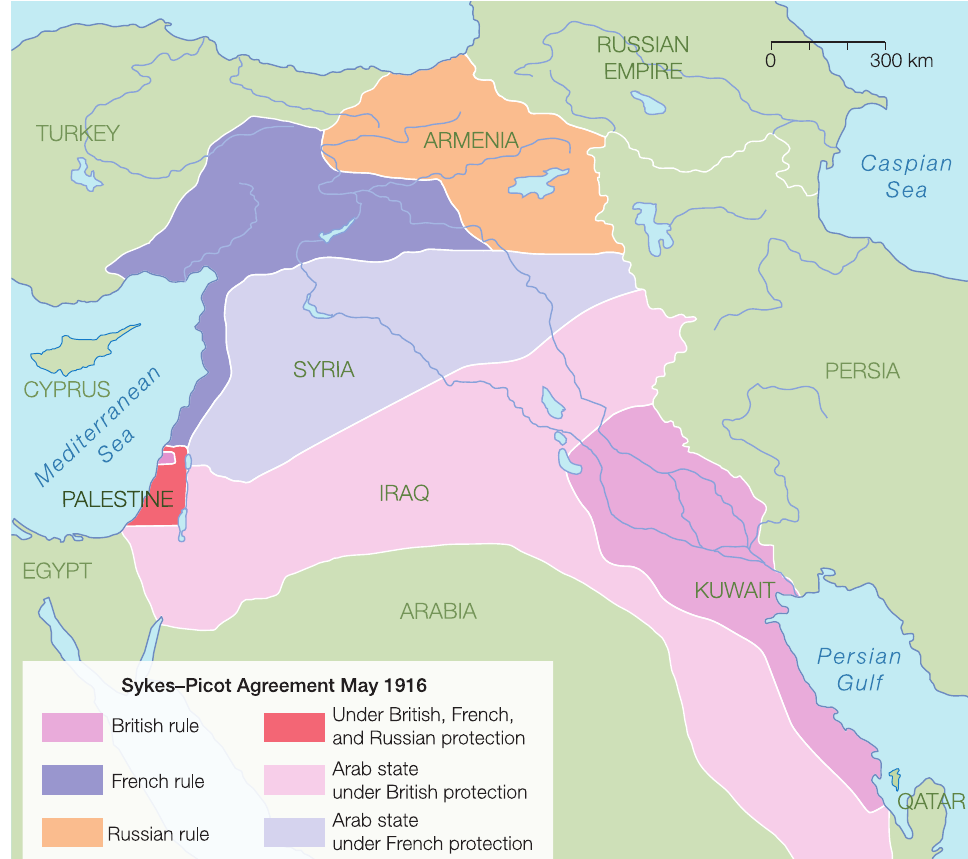
Key features of the agreement:
- Direct territorial control by Britain, France and Russia in specific zones
- Creation of nominally independent Arab states that would actually fall under British or French spheres of influence
- Division of the oil-rich Middle East among the Allied powers
Important
The real motivation: The Ottoman Empire became a major target for the Allies not simply because it was allied to Germany, but because the Allied Powers coveted Middle Eastern territory and resources.
The hidden reality of Allied war aims
The secret treaties revealed a stark contrast between public justifications for the war and private imperial ambitions. Allied leaders successfully portrayed the war to their populations as:
- A defensive struggle
- A fight to protect Belgium's neutrality
- A war to prevent German domination of Europe
However, the secret diplomatic agreements told a very different story. The Allied leadership had committed to:
- The post-war dismemberment of the Central Powers
- The partition of the Ottoman Empire
- Significant territorial annexations in the Middle East
Important
The soldiers' ignorance: Only those in the highest levels of government leadership knew the true war aims. Soldiers fighting in the trenches in France had no idea they were also fighting to enable Britain, France, Italy and Russia to divide Turkey and the Middle East among themselves. Australian soldiers at Gallipoli were unaware they were merely pawns in a British grand strategy that planned to hand the Gallipoli peninsula, the Straits and Constantinople to Tsar Nicholas II's autocratic Russian regime.
Important
Exam tip: When analysing the nature of World War I, it's crucial to distinguish between publicly stated war aims (defence of small nations, resistance to aggression) and the secret imperial objectives revealed in these treaties. This demonstrates how governments manipulated public opinion whilst pursuing expansionist goals.
An Australian historian's perspective on Gallipoli
Australian historian Douglas Newton argues that the Gallipoli campaign served multiple imperial purposes beyond its stated military objectives. He writes that Australian soldiers "died there, with the New Zealanders, the British, the Indians, and the French, for many reasons – for Russian war aims, for Italian ambition, for the empire's safety from Islamic unrest, and for all the resources of the Middle East."
Newton identifies the beneficiaries of Australian sacrifice as a list of largely unknown European politicians and diplomats: Sazonov, Benckendorff, Trubetskoi, Izvolski, Cambon, Paléologue, Imperiali, Salandra, and Sidney Sonnino. His perspective emphasises that Australians had been given a role in "a gigantic struggle to force a breathtaking slicing-up of the whole Turkish Empire – with great chunks of territory going to the Entente powers."
The impact of the war on the home front
Overview: Total war and civilian involvement
World War I impacted civilians in ways no previous war had done. By early 1915, governments on both sides recognised several crucial realities:
- The war would have an enormous impact on civilian populations
- Victory would depend as much on the home front as on the armed forces at the front
- Civilians would need to make extraordinary sacrifices
- Maintaining civilian morale was essential for continuing the war effort
Note
The nature of civilian suffering:
- Grief over losing loved ones at the front
- Caring for soldiers returning with horrific injuries
- Food shortages and widespread hunger
- Rationing (first voluntary, then government-imposed)
- Transformation of industries for war production
- Massive national debt
Common patterns across all nations
Both the Allies and Central Powers experienced similar developments on the home front:
- Initial surge of nationalism: Governments demanded unity and patriotic support
- Information control: Populations were subjected to intense propaganda whilst censorship was tightened
- Economic transformation: Industries converted to war production, causing national debt to balloon
- Food scarcity: Shortages became normal, leading to hunger and rationing systems
- Growing dissent: As the military stalemate continued into 1916, war-weariness increased along with dissatisfaction over government war aims
- Suppression of opposition: Civil liberties were gradually eroded, and dissent was demonised and sometimes savagely suppressed
Note
Propaganda: The use of biased, distorted or false information to promote a political cause or point of view.
Censorship: The practice of preventing access to information with the aim of limiting freedom of thought.
Propaganda purposes
Governments used propaganda on the home front for multiple purposes:
- Stirring up hatred for the enemy
- Encouraging voluntary rationing
- Promoting the purchase of war bonds
- Recruiting workers for munitions industries
- Promoting each nation's cause internationally (particularly to potential allies or neutral countries)
Important
Notably, propaganda was rarely used to encourage soldiers to fight. When soldiers did encounter propaganda, they generally found its exaggerations distasteful. Propaganda was not effectively directed at enemy soldiers during most of the war, partly due to limited means of delivery. Only in 1918 did the British begin dropping propaganda leaflets from aeroplanes.
The British home front
Government messaging and war aims
British Prime Minister Herbert Asquith worked to rally the nation from the war's beginning. In his 6 August 1914 speech to Parliament, he declared:
The British government had made every effort for peace. But this war has been forced upon us... We are fighting to vindicate the principle that small nationalities are not to be crushed, in defiance of international good faith, by the arbitrary will of a strong and overmastering power.
By November 1914, Asquith was preparing the nation for a prolonged struggle. In the Times newspaper on 9 November, he outlined British war aims, stating it was "going to be a long drawn-out struggle" and that Britain would "never sheathe the sword" until:
- Belgium recovered fully from what it had sacrificed
- France was adequately secured against future aggression
- The rights of smaller European nationalities were placed on an unassailable foundation
- The military domination of Prussia was wholly and finally destroyed
Public interpretations: "A war to end all wars"
Some British intellectuals promoted idealistic interpretations of the war's purpose. In August 1914, H.G. Wells wrote in the Daily News:
We have to impose upon this war the idea that this war must end war. We have to create a wide common conception of a re-mapped and pacified Europe, released from the private trade in armaments, largely disarmed and pledged to mutual protection.
This idealistic view resonated with many people, and the phrase "a war to end all wars" became associated with World War I. However, Wells himself later regretted these words when he realised the British government sought a vengeful peace rather than one that would prevent future wars.
Contrasting voices: Calls for total victory
Not everyone shared Wells' idealism. Other political figures demanded complete victory:
- Kennedy Jones (16 August 1917): "We are out to beat the German and then to skin him alive... The Prime Minister must make it clear that we are going on to the bitter end, however long it might take us."
- David Lloyd George (29 September 1916): "The fight must be to a finish – to a knock-out... There are no quitters among the Allies. 'Never Again' has become our battle cry."
Government controls: The Defence of the Realm Act (DORA)
Parliament passed the Defence of the Realm Act in August 1914, granting the government extensive powers:
- Establishing state-run munitions factories
- Taking control of coalmines, railways and shipping
- Placing restrictions on information that could be published (D-Notices)
Despite these controls, the British press was not directly controlled by the government. Newspapers generally self-censored, but there remained lively debate about military situations and war aims throughout the war. Publications such as The Nation, the Labour Leader, the Daily News and Common Sense were generally free to print material critical of the government.
Propaganda and recruitment
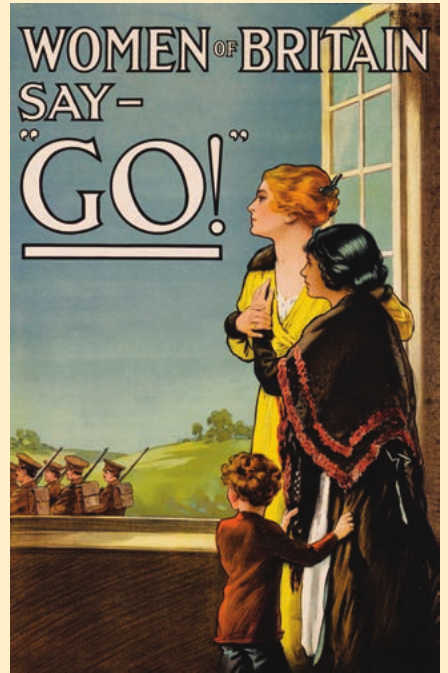
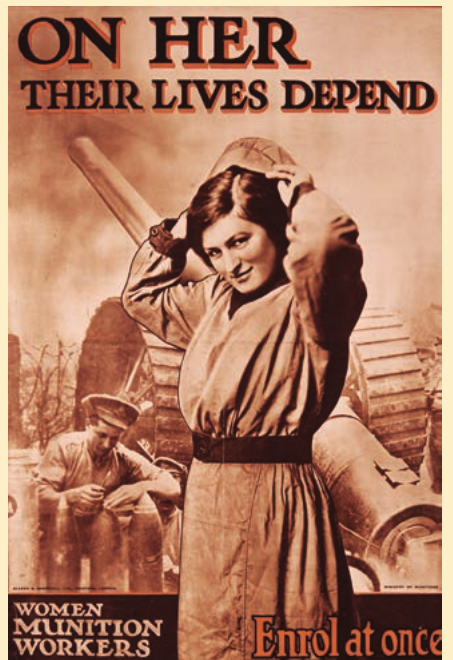
British propaganda during 1914-1915 focused heavily on recruitment, using various approaches to encourage men to join the armed forces.
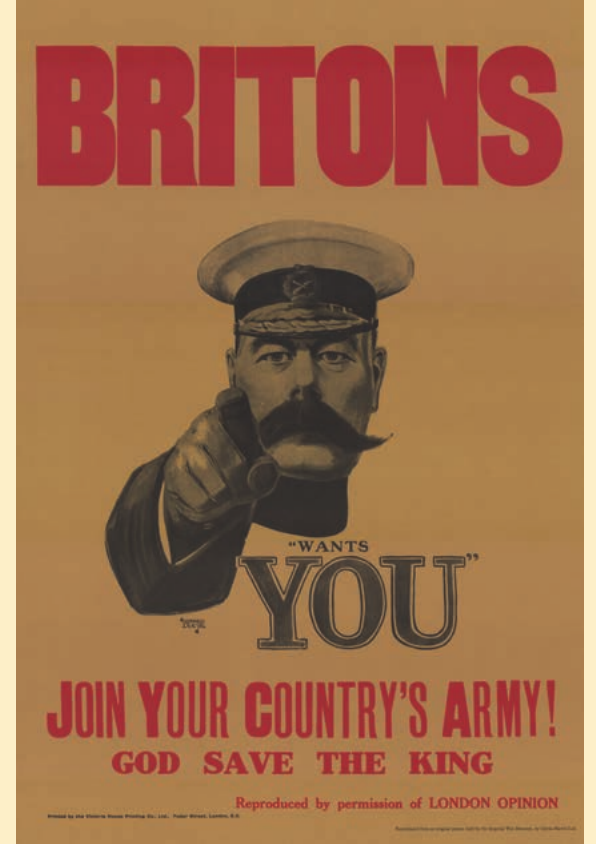
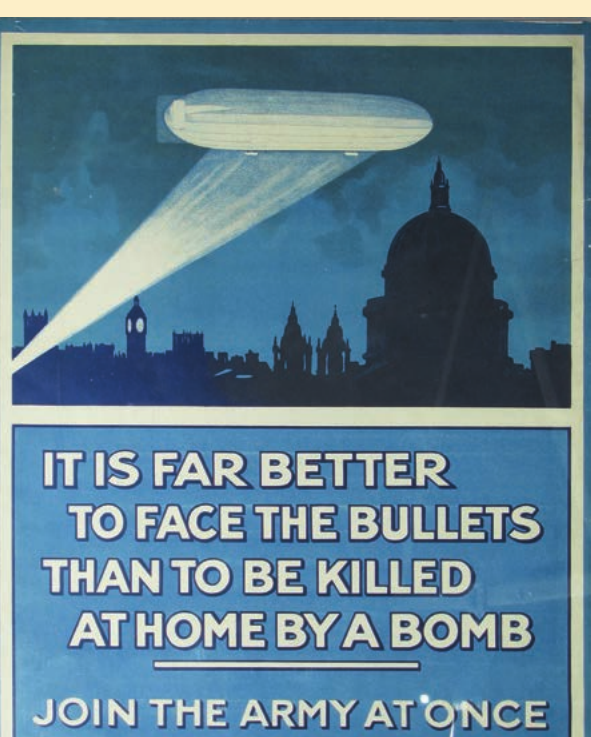
Posters also encouraged women to support the war effort by working in munitions factories and other occupations, replacing men who had enlisted.
Note
Recruitment: The process of urging people to voluntarily join the armed forces.
Conscription: The use of legal means to force people to join the armed forces.
As voluntary recruitment slowed in 1915, Britain introduced conscription for adult males in May 1916. Britain was the only major participating country that had relied solely on voluntary recruitment at the war's beginning.
Important
Exam tip: The contrast between voluntary recruitment and conscription reveals important differences in how nations mobilised for war. Britain's late adoption of conscription reflected its initial underestimation of the war's duration and scale.
Dissent and resistance
Despite extensive government propaganda, significant dissent existed throughout the war.
Example
Siegfried Sassoon's protest: The famous war poet Siegfried Sassoon, who had experienced front-line combat, made a public statement to the press in June 1917:
I am making this statement as an act of wilful defiance of military authority, because I believe that the War is being deliberately prolonged by those who have the power to end it... I am acting on behalf of soldiers. I believe that this War, on which I entered as a war of defence and liberation, has now become a war of aggression and conquest.
Sassoon's fame protected him from harsh punishment for this dissent.
Example
Corder Catchpool's stand: Other dissenters faced much harsher treatment. Corder Catchpool, a Quaker opposed to all violence, initially served at the front as a stretcher-bearer with the Friends Ambulance Unit, rescuing wounded soldiers under enemy fire.
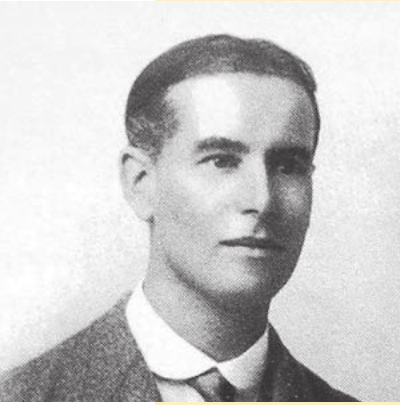
When Britain militarised ambulance units in 1916, Catchpool resigned and returned to England. After refusing conscription and declaring himself a conscientious objector, a tribunal sentenced him to prison with hard labour. He spent two years imprisoned, was released, then re-arrested and imprisoned again for continuing to refuse military service. He was not released until after the war ended.
Important
The significance of dissent: These examples demonstrate that despite intense pressure for national unity and support for the war effort, principled opposition continued throughout the conflict. The varying treatment of dissenters (Sassoon's relative protection versus Catchpool's harsh imprisonment) reveals how class and fame influenced government responses to anti-war sentiment.
The German home front
Calls for national unity
German leaders similarly demanded national solidarity. Chancellor Bethmann-Hollweg declared to the Reichstag on 4 August 1914:
Now the great hour of trial has struck for our people. But with clear confidence we go forward to meet it. Our army is in the field, our navy is ready for battle – behind them stands the entire German nation united to the last man.
Industrial leaders reinforced this message. Coal baron Hugo Stinnes stated in May 1915:
Together with the whole German people, those in business are determined to endure to the end, notwithstanding every sacrifice, in this struggle that has been forced upon Germany, in order that Germany may emerge stronger, assured of a lasting peace.
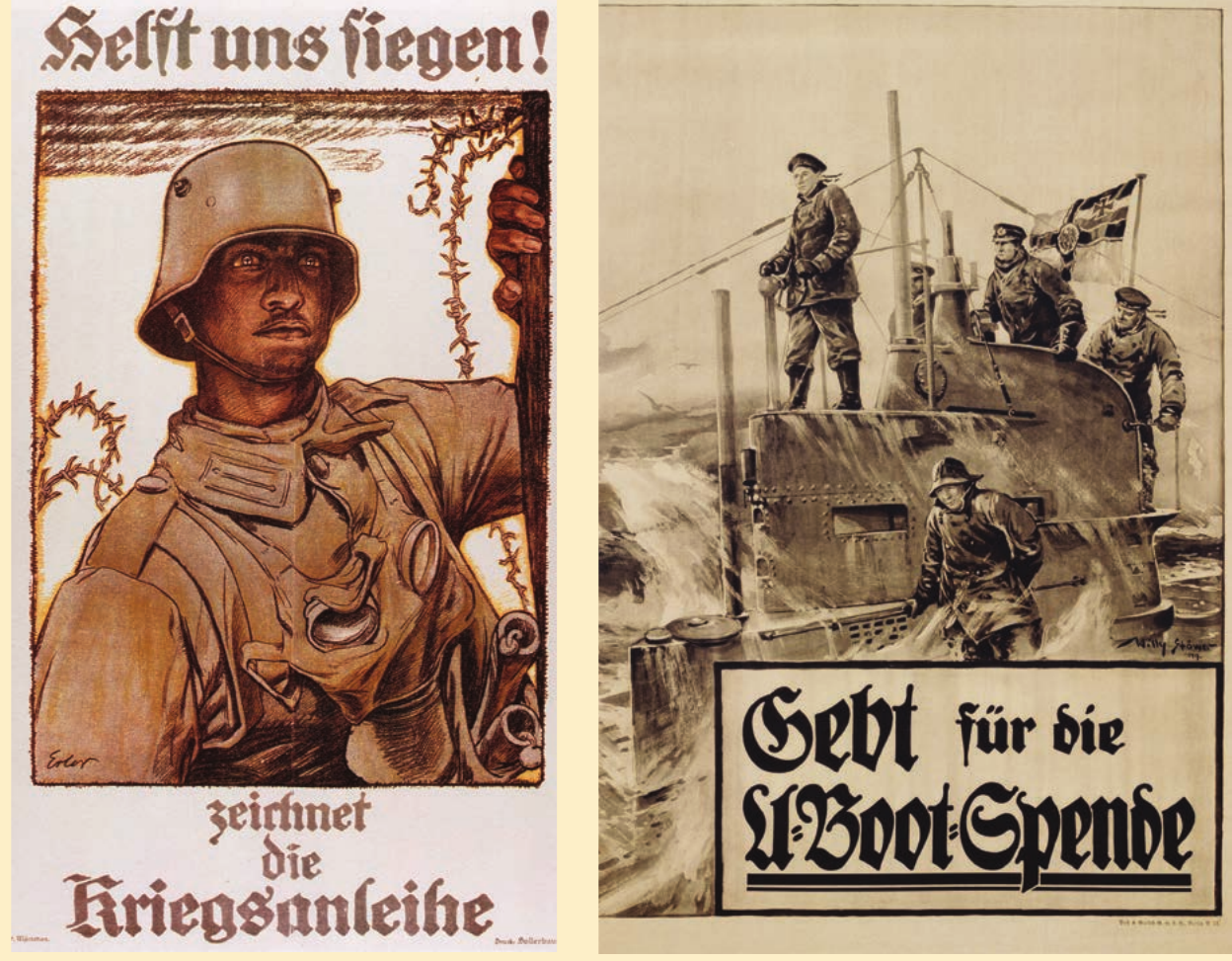
German propaganda
Because Germany already had conscription before the war, propaganda did not focus on recruitment. Instead, it emphasised:
- Boosting civilian morale
- Encouraging financial support through war bonds
- Supporting the submarine warfare campaign
- Maintaining unity behind the war effort
German dissent and opposition
Germany also experienced significant dissent throughout the war. From the very beginning, a vocal minority questioned the government's narrative about the war's purposes.
Example
Karl Liebknecht's bold opposition: In a speech to the Reichstag on 2 December 1914, Karl Liebknecht spoke out courageously:
This war is not a defensive war for Germany. It is impossible for us to trust a capitalist Government when it declares that it is for the defence of the country that it asks for the credits. A peace made as soon as possible and which will humiliate no one is what must be demanded.
Important
The dispute over war aims: The ongoing controversy about Germany's true objectives plagued the German home front throughout the war. This led to:
- The split in the Social Democratic Party (SDP) in January 1917
- The Reichstag Resolution of July 1917 (calling for a negotiated peace)
- The Revolution of November 1918
This underlying tension over war aims helps explain why the German home front collapsed rapidly in November 1918 when General Ludendorff lost his nerve and advised the Kaiser to hand government over to the Reichstag and seek an armistice.
Peace movements and mediation attempts
The Union of Democratic Control (UDC)
Not everyone in the belligerent nations accepted their government's explanation for the war. In September 1914, a group formed in Britain to lobby the government, which they suspected had committed the nation to imperialist war aims, to work instead for a just and lasting peace.
The Union of Democratic Control (UDC) began as a small group of disgruntled Radical (left-leaning) Liberals but grew dramatically to reach a membership of 600,000 by 1917.
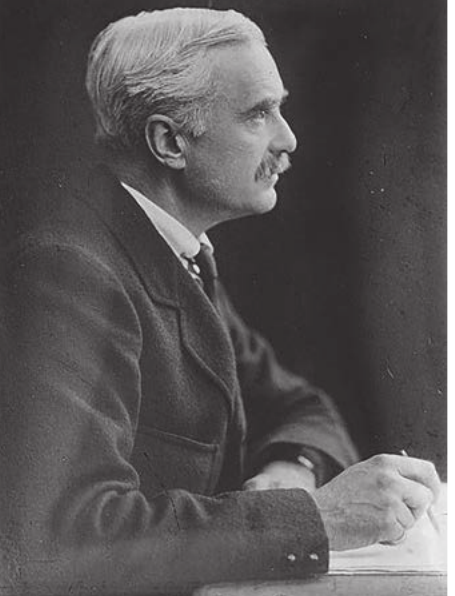
Founding members:
- Edmund Dene Morel
- Ramsay MacDonald
- Arthur Ponsonby
- Norman Angell
The No Conscription Fellowship (NCF)
The UDC was one of many pacifist and anti-war groups that emerged in Britain during the war years. Another prominent organisation was the No Conscription Fellowship (NCF), which opposed compulsory military service.
The renowned mathematician and philosopher Bertrand Russell served as a high-profile member of the NCF's executive committee, lending intellectual credibility to the anti-conscription movement.
The possibility of neutral mediation
From the war's beginning, some peace activists believed neutral nations could play a crucial role in ending the conflict. British academic Goldsworthy Lowes Dickinson wrote to American peace activist Julia Grace Wales on 27 December 1914:
If the neutral powers, headed by the United States, could but make representations on the basis on which those who care about peace are generally agreed, it would be the best hope.
Note
President Wilson's stance: American President Woodrow Wilson maintained strict neutrality, as he and most Americans had little sympathy for either side's aims. Several factors influenced American neutrality:
- Lack of consensus about the war (immigrant populations included many people of German or Irish descent who had no interest in helping Britain)
- Wilson's deeply-held personal views about avoiding conflict
- Recognition that prolonged war increased the likelihood of American involvement
From August 1914 onwards, Wilson repeatedly offered his services to mediate an end to the war. These offers continued over the following years, though they were consistently rejected by the warring powers.
The International Congress of Women at The Hague (April–May 1915)
In April 1915, an extraordinary gathering took place in the neutral Netherlands. The Women's Congress in The Hague attracted approximately 1,800 women delegates, many travelling from belligerent countries.
Important
British obstruction: The British delegation of 300 women was prevented from attending when the British navy refused permission for their ship to cross the English Channel. This governmental interference revealed official hostility to peace initiatives.
Despite this setback, the Congress, chaired by American social activist Jane Addams, proved highly successful. Women from opposing countries and neutral nations mixed freely, debating the war and potential paths to peace.
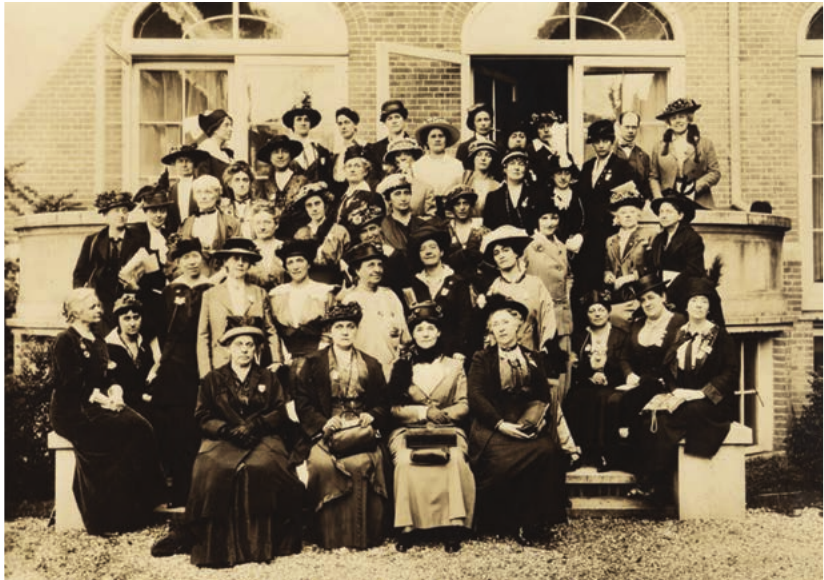
Key outcomes:
On the final day, 1,300 women agreed to the "Nineteen Points" – a comprehensive plan for ending the war and securing a just and lasting peace. A twentieth point was added at the last minute: the Congress would send delegations to meet personally with heads of government in European countries to present their mediation plan.
Note
The delegations' efforts: Over subsequent months, two small delegations visited leaders of both neutral and belligerent countries to press their case. The American delegation, upon returning to the United States, arranged a meeting with President Wilson.
Wilson's response: Jane Addams and her colleagues presented their detailed peace plan and urged Wilson to lead neutral European countries in a public appeal for both sides to call a truce and negotiate. Wilson thanked the women and called their plan "the best plan he had seen for ending the war". However, he declined to involve himself in mediation at that stage.
Historical significance: The Women's Congress led to the formation of the Women's International League for Peace and Freedom (WILPF), which has remained one of the most effective peace organisations for over one hundred years.
Key question for consideration: Should private groups involve themselves in trying to solve intractable problems such as war, or should they leave this to the experts?
The Peace Ship (December 1915)
Another private mediation attempt occurred in November 1915 when Henry Ford, the automobile magnate, financed a mission by American pacifists to neutral European capitals.
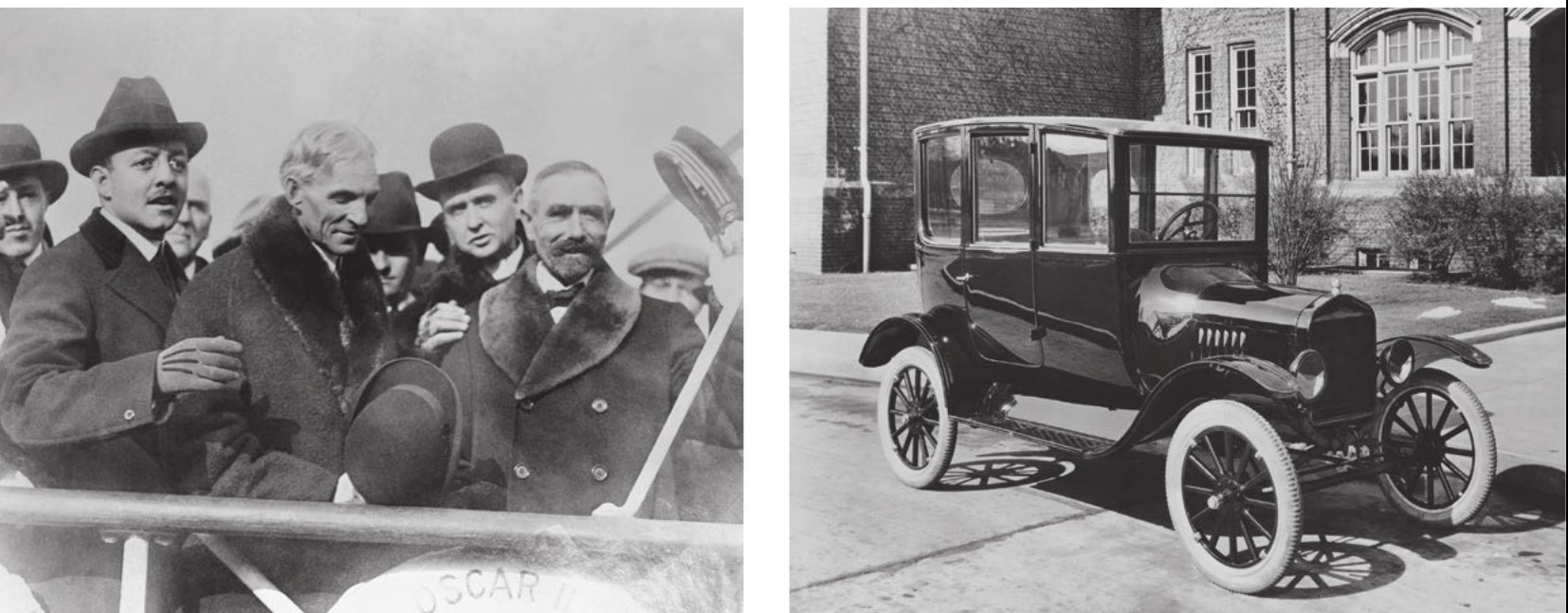
The mission: A ship called the Oscar II (nicknamed the "Peace Ship") sailed to Europe with American peace activists aboard. Their aim was to initiate a mediation process that would involve government heads.
Example
Ford's commitment: When pacifist leaders approached Ford with their idea for a neutral conference for "continuous mediation," he immediately committed his full support. He declared: "If I can be of any service whatever in helping end this war and keeping America out of it, I shall do it if it costs me every dollar and every friend I have."
When asked about the chances for peace, Ford answered simply: "Peace is nothing but common sense."
Outcome: Despite their efforts, the mission was plagued by internal divisions and ultimately came to nothing. A small group remained in Holland to pursue some promising leads whilst the rest of the peace activists returned to the United States.
Important
What this reveals: The failure of private peace initiatives demonstrates the determination of warring governments to pursue military victory rather than negotiated settlement. Governments on both sides were not inclined to listen to dissenting views about the war or suggestions for ending it short of outright military victory. Neither were they willing to accept confidential offers of mediation from US President Wilson or Pope Benedict XV.
The military situation by the end of 1915
Alliance changes
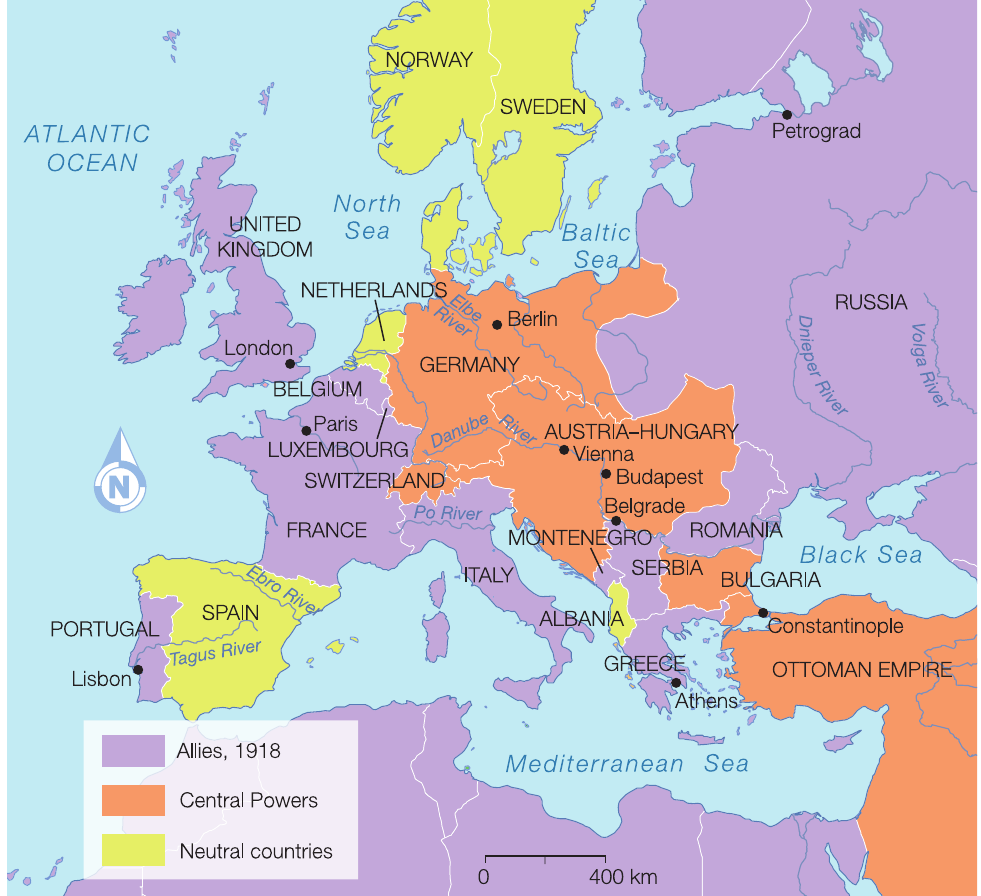
By the end of 1915, the alliance structures had shifted significantly:
The Central Powers: Germany's alliance, now including Bulgaria, was referred to as the Central Powers.
The Allies: The Entente Powers, now including Italy, were referred to as the Allies.
Western Front stalemate
Both sides attempted repeatedly without success to break the stalemate on the Western Front. According to historian Keith Robbins, "No army was so demoralised that it could not envisage future success – given the necessary reorganisation and re-equipment." In 1915, victory still seemed possible to all sides.
The enormous scale of casualties led to:
- Restructuring of entire armies
- For Britain, intensified recruitment efforts (being the only participating country without conscription)
- Careful consideration of the balance between soldiers needed for combat and workers needed for war production
Failed Allied offensives elsewhere
Gallipoli campaign: The bold British plan to attack the Ottoman Empire by landing forces at Gallipoli proved to be a complete disaster. After eight months of fighting, the Allies sustained 200,000 casualties with absolutely nothing to show for it. This attempt to break the war's deadlock failed utterly.
Balkan intervention: The Allied intervention in the Balkans also failed to achieve its objectives.
Mesopotamia: The British invasion of Mesopotamia was decisively halted by Turkish forces.
Italian front: Italy fared no better on the Isonzo Front against Austria-Hungary.
Introduction of poison gas
On 22 April 1915, the Germans introduced a new weapon in an attempt to break the stalemate – poison gas. Used against French troops at Ypres, it initially caused a significant gap in French lines. However, the Germans lacked sufficient reserves to exploit this breakthrough.
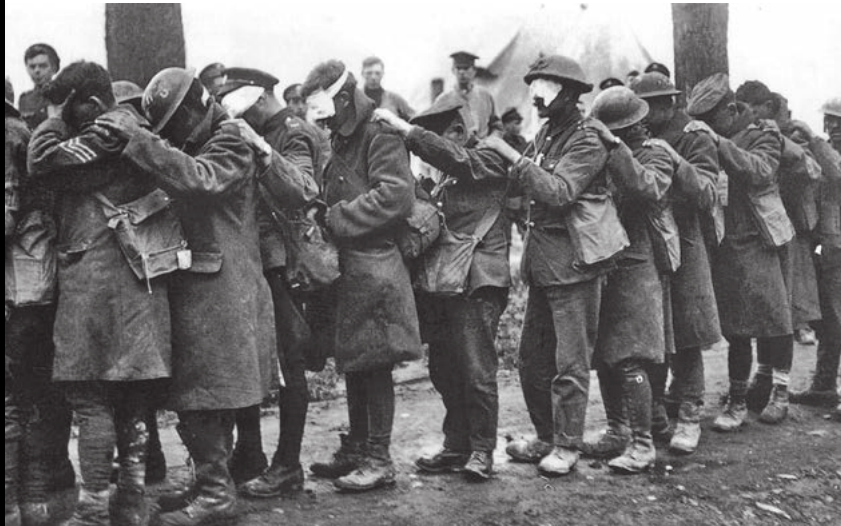
From that point onwards, both sides used poison gas throughout the war. Though it was a horrific weapon, its use did nothing to break the stalemate at any point during the conflict.
Important
Modern significance: The use of poison gas (chemical weapons) in World War I led to the creation of the Geneva Protocol in 1925, which prohibited the use of "asphyxiating, poisonous or other gases, and of all analogous liquids, materials or devices" and "bacteriological methods of warfare." This prohibition was strengthened by the Chemical Weapons Convention in 1997. The use of chemical weapons by the Assad regime in the Syrian Civil War has been viewed as a "crime against humanity". However, there remains no legal prohibition on the use of nuclear weapons in war, representing an even greater threat to humanity.
The Central Powers' position
The Central Powers were in no better position by the end of 1915:
- German indecision: The German High Command remained uncertain whether to concentrate efforts on the Western or Eastern Front
- Limited successes against Russia: Germany achieved some victories against Russian forces but could not exploit them due to the need to transfer troops to the Western Front
- Russian resilience: Russia had to divide its forces to fight both Germany and Austria-Hungary. Despite losing two million men by the end of 1915, Russia remained in the fight
- Tsar's fateful decision: On 5 September, the Tsar made the unwise decision to take personal command of his army – a choice that would have serious consequences later
Note
Stalemate: A situation in which neither group involved can win or gain an advantage and no action can be taken.
Remember!
Summary
Key Points to Remember:
-
The expansion of 1915 transformed the war's nature: What began as a conflict over the assassination in Sarajevo became a global struggle with extensive imperial objectives, particularly regarding the partition of the Ottoman Empire.
-
Secret treaties revealed hidden war aims: The Straits Agreement, Treaty of London, and Sykes-Picot Agreement showed that Allied leaders privately pursued imperial expansion whilst publicly claiming to fight a defensive war for small nations' rights.
-
The home front became crucial to victory: Both sides recognised that winning depended as much on maintaining civilian morale and industrial production as on military success at the front. This led to extensive propaganda, censorship, and the mobilisation of entire societies for war.
-
Dissent persisted despite repression: Despite intense pressure for national unity, significant opposition to the war continued in all nations. Dissenters faced varying degrees of punishment, from relative tolerance (Sassoon) to harsh imprisonment (Catchpool), revealing how governments struggled to maintain consensus.
-
Peace initiatives consistently failed: Private mediation attempts by women's groups, industrialists like Henry Ford, and offers from neutral leaders like President Wilson were all rejected by warring governments determined to pursue military victory rather than negotiated settlement.
-
Military stalemate remained unbroken: By the end of 1915, despite new alliances, failed offensives on multiple fronts, and the introduction of poison gas, neither side had achieved a breakthrough. The war of attrition would continue, with even more devastating battles planned for 1916.