1916: Stalemate (HSC SSCE Modern History): Revision Notes
📚Revision Notes
1916: Stalemate
By the beginning of 1916, the Central Powers faced a difficult strategic situation. The German High Command remained uncertain about whether to focus their military efforts on the Western Front or the Eastern Front. This indecision meant they could not fully exploit their successes against Russia, as troops constantly needed to be transferred westward. Meanwhile, Russia had to divide its forces to fight both Germany and Austria-Hungary simultaneously. Although Russia had suffered approximately two million casualties by the end of 1915, it remained in the war. However, Tsar Nicholas II made the questionable decision to assume personal command of the Russian army on 5 September 1915, a choice that would have serious consequences.
Note
Strategic Dilemma of 1916
The Central Powers entered 1916 in a paradoxical position: they had achieved significant military successes, particularly against Russia, but lacked the unified strategic direction to exploit these victories. This indecision between Eastern and Western fronts would prove costly throughout the year.
Both sides believe victory is possible
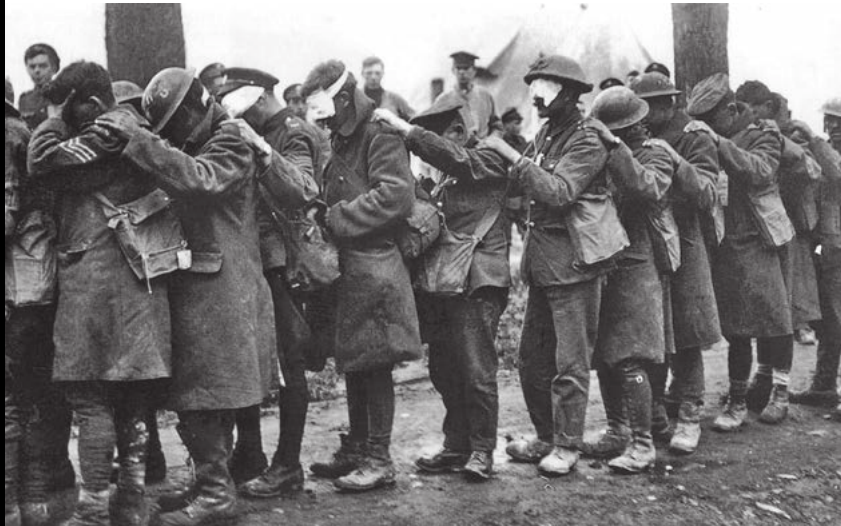
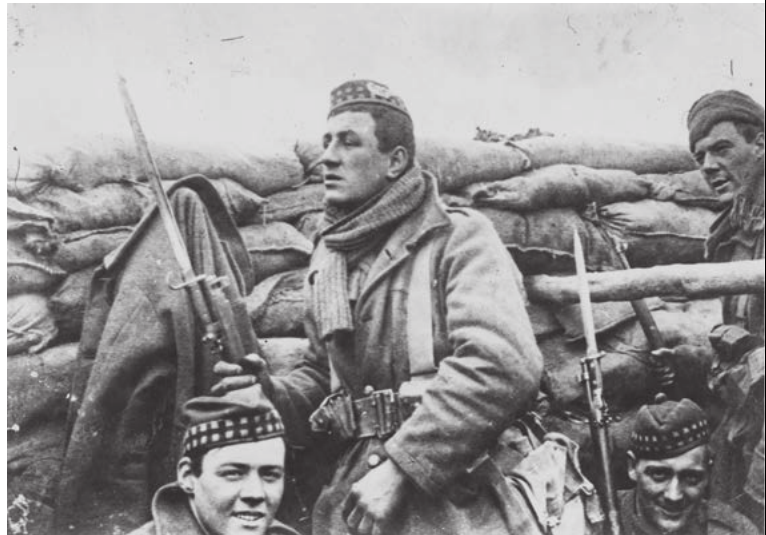
As 1916 began, both the Allied Powers and the Central Powers were convinced they could achieve victory by year's end. This confidence led both sides to undertake massive military operations on an unprecedented scale. These were not simply battles in the traditional sense, but rather enormous campaigns involving millions of soldiers and lasting many months. The two largest of these "mega battles" were Verdun and the Somme, both of which would become synonymous with the horror and futility of World War I.
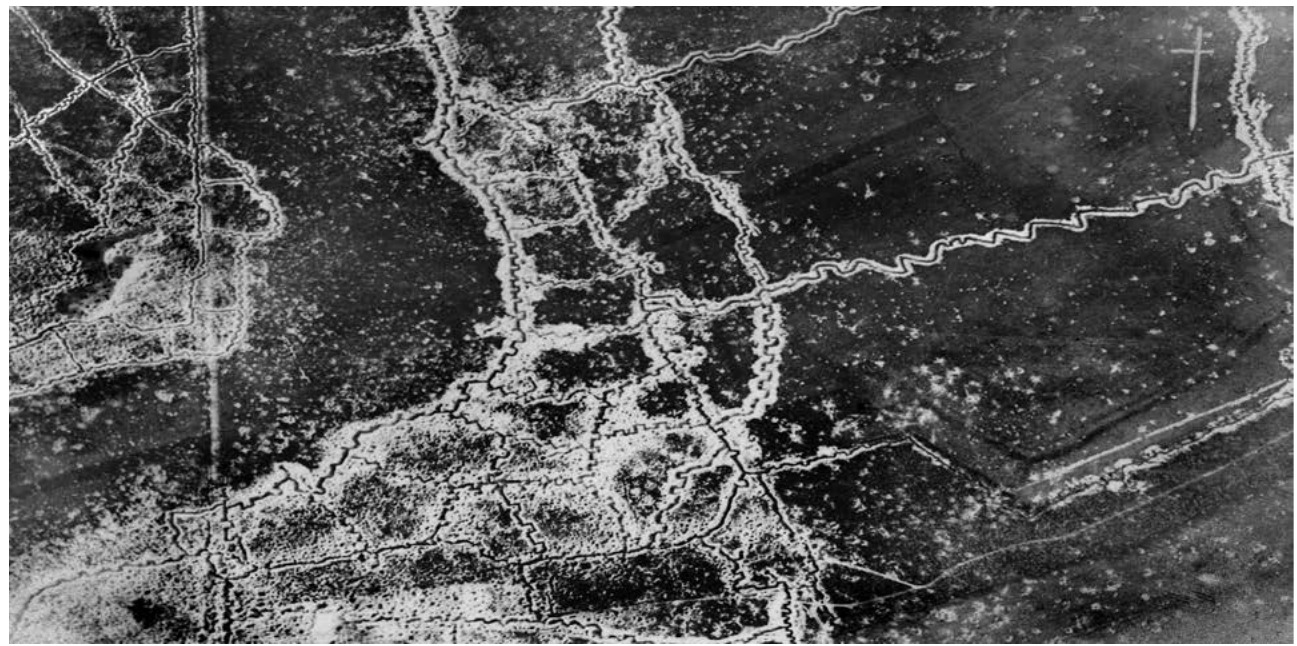
General Douglas Haig was appointed Commander-in-Chief of the British Expeditionary Force (BEF) in France. The British and French military planners developed a strategy for a joint offensive along the Somme River. However, it was the Germans who struck first on the Western Front in 1916.
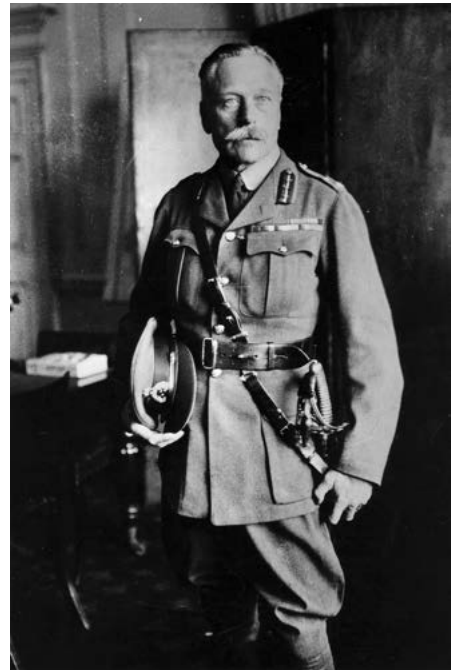
The Battle of Verdun (21 February - 18 December 1916)
General Erich von Falkenhayn, Chief of the Imperial German General Staff, held a clear view about how Germany could win the war. He believed Britain was the principal enemy and that victory must be achieved on the Western Front. To accomplish this, Falkenhayn devised a strategy to target France, Britain's main continental ally.
In early 1916, Falkenhayn launched an attack on the French fortress of Verdun with the stated aim to "bleed the French army white". His strategy was to draw French forces into the Verdun salient - a part of the front line that projected into German-held territory, making it vulnerable to attack from three sides. The Germans would then systematically destroy the French forces through massive artillery bombardment. Verdun's location, only 200 kilometres east of Paris, meant that a German victory there would deal France an enormous psychological blow. The French government and military command understood this perfectly and were determined to defend Verdun at any cost.
Important
Falkenhayn's Strategy of Attrition
The German strategy at Verdun was fundamentally different from previous battles. Rather than seeking a breakthrough, Falkenhayn aimed to inflict unsustainable casualties on the French army through relentless artillery bombardment. He believed this war of attrition would force France to surrender or withdraw from the war, thereby isolating Britain on the Western Front.
The Battle of Verdun lasted an agonising ten months, from February to December 1916. It featured relentless artillery bombardments using 1,200 artillery pieces, attacks with phosgene gas, merciless machine-gun fire, and desperate hand-to-hand combat. The French commander, Philippe Pétain, organised an effective defence by constantly rotating troops through the Verdun sector for short periods rather than leaving them there until they were destroyed. He also maintained an efficient supply line that kept the defenders well-provisioned. Despite the horrific conditions, Falkenhayn's strategy failed to break the French army.
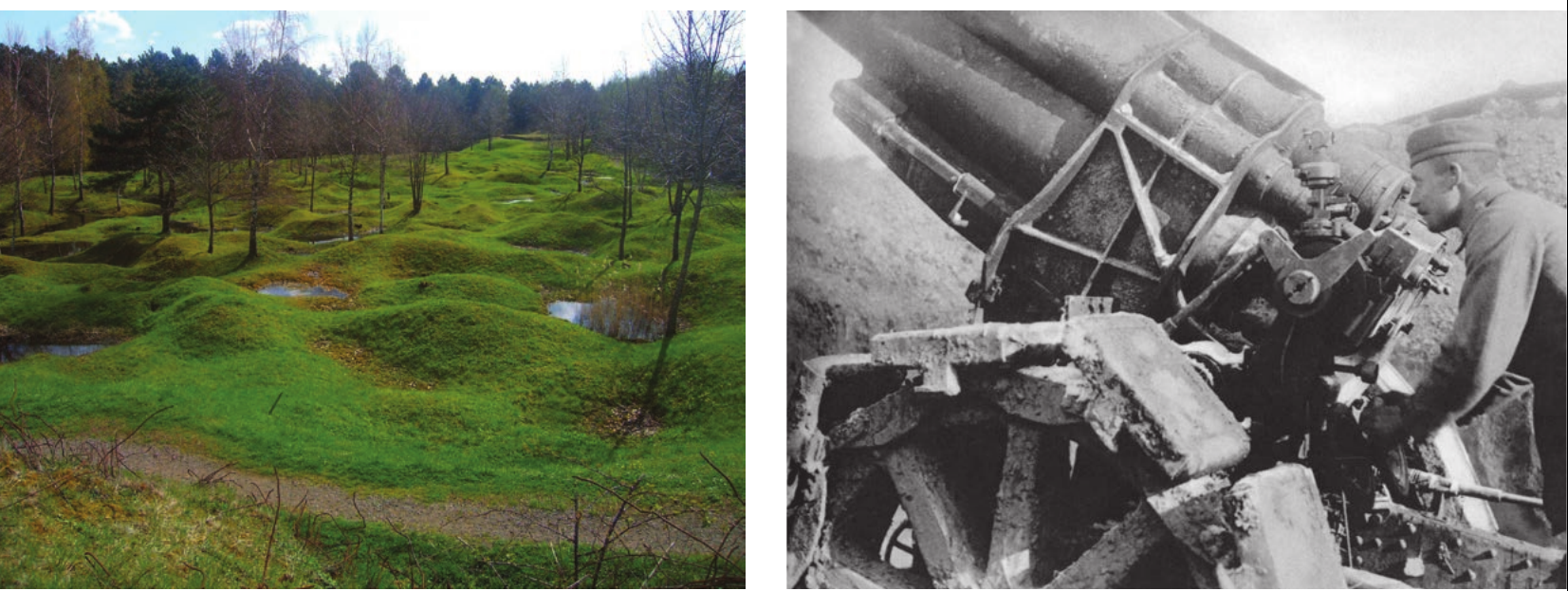
The cost of the Battle of Verdun was horrifying for both sides. The French suffered approximately 377,000 total casualties, with about 162,000 killed. German casualties were estimated at around 337,000, with approximately 100,000 dead. This meant that roughly 700,000 French and German soldiers were killed, wounded, or went missing at Verdun - and neither side gained a significant strategic advantage.
The Battle of the Somme (1 July - 18 November 1916)
The Somme Offensive was originally planned as a joint French and British operation. However, because the French were fighting desperately at Verdun, their contribution to the Somme attack would be minimal. French military leaders pleaded with General Haig to begin the Somme offensive as soon as possible, hoping it would force the Germans to transfer troops away from Verdun.
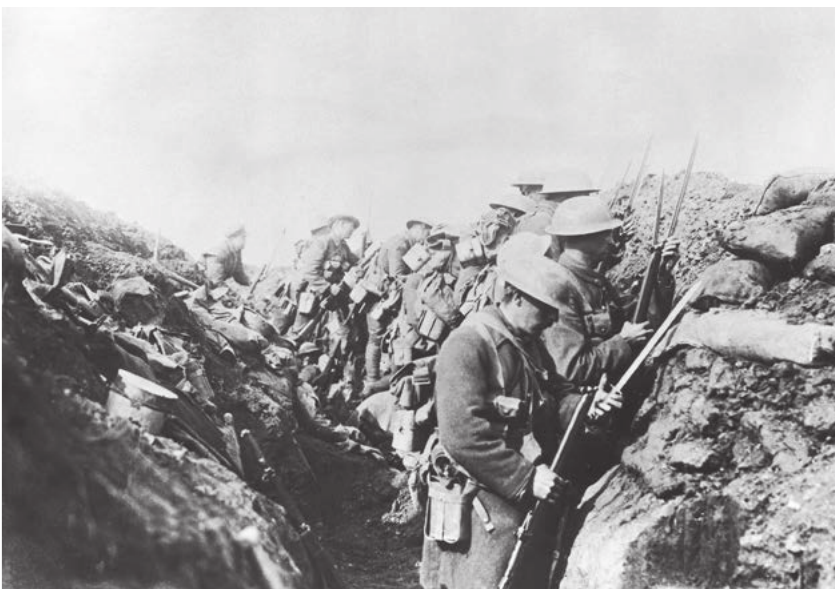
Haig scheduled the main infantry attack for 1 July 1916. For eight days before this, British artillery pounded the German lines using more than 2,000 artillery pieces. British commanders believed this bombardment would be so devastating that their infantry would face relatively light opposition. They were tragically mistaken.
Important
The Catastrophic First Day of the Somme
When the attack was launched on 1 July, mass waves of British soldiers climbed "over the top" of their trenches and advanced across no-man's-land. However, the German forces had not been destroyed by the artillery bombardment. Many had sheltered in deep dugouts and now emerged to man their machine guns. They mowed down the advancing British troops in horrifying numbers.
On the first day alone, the British sustained approximately 60,000 casualties, with 20,000 killed. This remains the worst single day in British military history.
Despite this catastrophe, Haig continued the offensive month after month with minimal progress. By November, when the battle finally ended, Allied forces had captured only about 12 kilometres of German-held territory.
The casualty figures for the entire Somme Offensive were staggering:
- British: approximately 420,000 casualties, with 95,000 killed
- French: 200,000 casualties, with 50,000 killed
- German: estimated at between 465,000 and 600,000, with about 146,000 killed
The Somme Offensive affected British society and politics in much the same way that Verdun had impacted France - it was an enormous psychological blow that led to political consequences for the government. However, both Verdun and the Somme did succeed in seriously weakening the German army's strength and morale.
The Eastern Front: the Brusilov Offensive (14 June - 20 September 1916)
Russian General Alexei Brusilov planned a major offensive against Austria-Hungary in 1916. His primary aim was to force Germany to transfer troops from the Western Front to assist their Austro-Hungarian allies, thereby weakening German forces at Verdun and the Somme. Brusilov launched his attack in Galicia, a region of modern-day Poland and Ukraine.
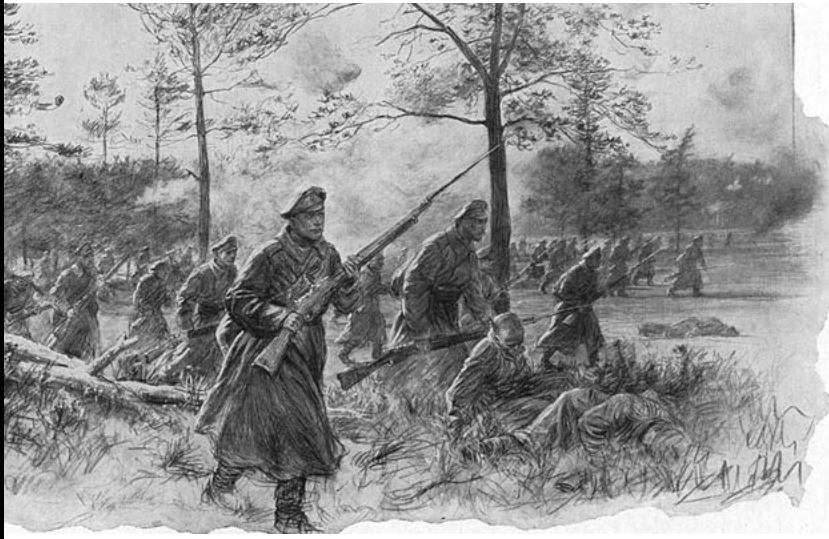
The Brusilov Offensive initially achieved remarkable success, breaking through the Austro-Hungarian lines and inflicting massive casualties. Brusilov pioneered innovative tactics, using small elite squads of specialist troops to identify and attack weak points in enemy lines rather than launching massive frontal assaults along broad sections of the front. This approach was far more effective than traditional tactics.
Note
Brusilov's Tactical Innovations
General Brusilov pioneered new approaches to offensive warfare that would influence military thinking for decades. Rather than concentrating forces for a single massive assault at one point, he used:
- Small, highly trained specialist squads
- Multiple simultaneous attacks across a broad front
- Careful reconnaissance to identify weak points
- Rapid exploitation of breakthroughs
These tactics broke through Austro-Hungarian lines more effectively than the frontal assaults being attempted on the Western Front.
The offensive severely weakened the Austro-Hungarian military and marked a high point in Russia's contribution to the war. As Brusilov had hoped, the Germans were forced to halt their attack on Verdun to send reinforcements eastward. On 28 July 1916, General Hindenburg was given command of forces on the Eastern Front, including most Austro-Hungarian units.
The Germans reorganised the Central Powers' forces and mounted an effective counter-offensive. Brusilov's advance was hampered by poor supply lines, and casualties mounted on both sides. When the offensive finally concluded on 20 September 1916, the Russians had little to show for their enormous losses. However, the Austro-Hungarian army had been greatly demoralised by defending its home territory. Strategically, Austria-Hungary lost virtually all freedom of action, with most of its forces now under German High Command control.
Romania enters the war
Romania had been encouraged by the initial success of the Brusilov Offensive to enter the war. Both the Allied Powers and the Central Powers had tried to entice Romania to join their side, as Romania possessed the only significant oil fields in Europe - a crucial strategic resource. Germany had been purchasing Romanian oil, but now Romania saw an opportunity to join the Allies.
The decisive factor for Romania was the prospect of capturing Transylvania, a region with a large ethnic Romanian population, from Hungary. On 18 August 1916, Romania signed a secret treaty with the Allies, and on 27 August officially entered the war on the Allied side.
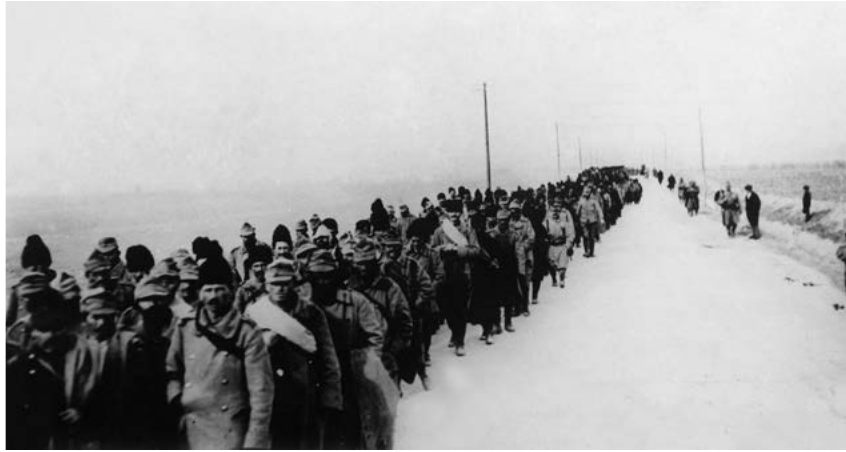
This development greatly concerned the Germans, as at this time the British were pressing hard at the Somme and the Russians were still pushing against Austro-Hungarian forces. However, the Germans responded with remarkable efficiency and force. Over the following months, they captured most of Romania, including its capital Bucharest on 9 December 1916.
The Kaiser established the Supreme War Council, which placed all Central Powers' armies under General Hindenburg's unified command. By December 1916, the Central Powers had weathered a crisis and, despite horrific losses over the previous twelve months, ended the year on a relatively strong position.
The possibility of neutral mediation
Throughout the war, geopolitics - the application of political and economic geography to international relations - played a crucial role. This included supporting existing allies and attracting new ones. However, many neutral governments were more interested in encouraging both sides to end the conflict than in joining either alliance.
Neutral European countries such as Spain, Portugal, Holland, Denmark, Norway, Sweden, and Switzerland wanted the war to end quickly through negotiation. They communicated this desire through confidential diplomatic channels to both the Allies and Central Powers, but were largely ignored. However, there was one neutral power that neither side could afford to offend: the United States of America.
President Wilson's mediation efforts
President Woodrow Wilson had made clear from the war's beginning, through confidential diplomatic channels, that the United States stood ready to help mediate an end to the conflict. His initial offer in August 1914 was ignored by both sides.
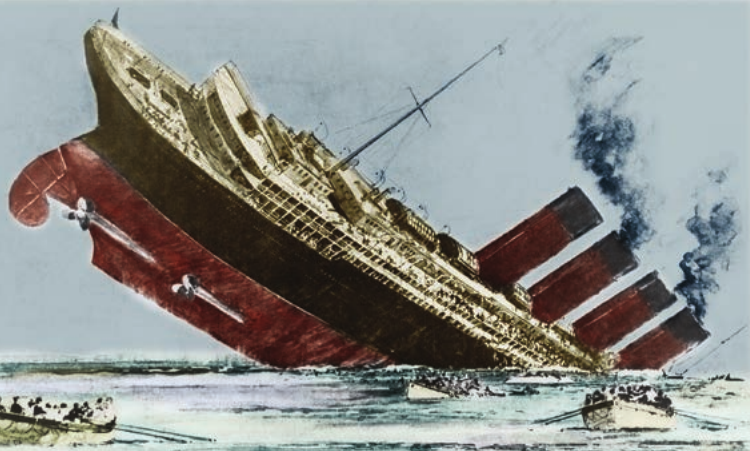
When the passenger liner Lusitania was sunk off the Irish coast on 7 May 1915 by a German U-boat, killing 1,198 people including 128 Americans, Wilson faced enormous pressure to declare war on Germany. Instead, he extracted a pledge from the German government that they would abide by "cruiser rules" in future, which required submarines not to sink neutral ships without warning. Wilson was determined to keep the United States out of the war while actively pursuing the possibility of mediating a peaceful settlement.
The House-Grey Memorandum
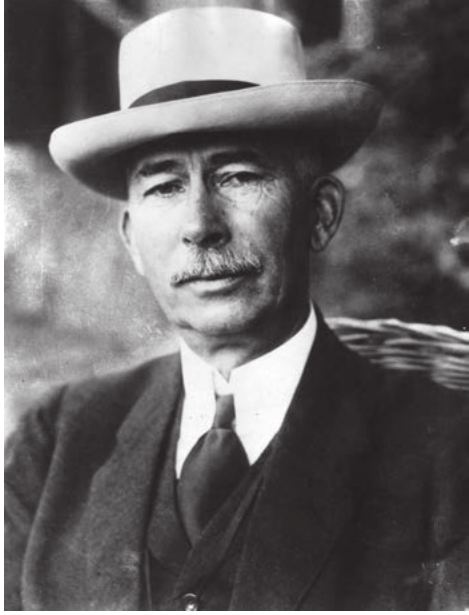
At the beginning of 1916, President Wilson took his first concrete steps towards mediating an end to the war. He assigned this task to his trusted adviser, Colonel Edward Mandell House, who conducted confidential discussions with British Foreign Minister Sir Edward Grey.
Note
The House-Grey Memorandum: Wilson's First Peace Initiative
The result of these secret negotiations became known as the House-Grey Memorandum, issued on 22 February 1916. In this document, the mutually agreed plan was for the United States to invite the warring powers to a peace conference. If the Allied Powers accepted the invitation but the Central Powers rejected it, then the United States would "probably enter the war against Germany".
The British government never took Wilson up on this offer because in early 1916 they still hoped to achieve victory through their massive offensive planned for later that year. Additionally, winning an outright victory would ensure the Allied Powers received the territorial gains promised in their secret treaties.
Wilson's 'league of nations' speech
Britain's failure to accept Wilson's offer in the House-Grey Memorandum frustrated and angered the American president. He was also annoyed by the effect of the British naval blockade on American shipping and by Britain's brutal suppression of the Easter Rebellion in Ireland.
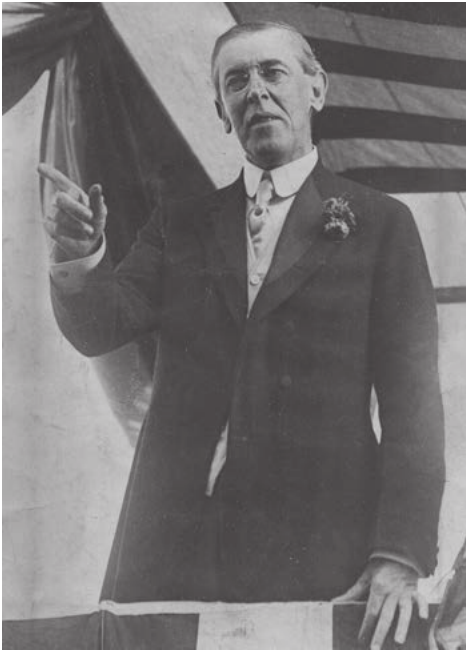
Having tried secret diplomacy without success, Wilson decided to go public. On 23 May 1916, he delivered a landmark speech to an American organisation called the League to Enforce Peace. In this speech, Wilson pledged American support for establishing a "league of nations" at the end of the war - an international organisation that would help prevent future conflicts.
This speech sparked considerable interest in war-weary Europe. British newspapers published letters to the editor discussing the "league of nations" concept. By the end of 1916, after the carnage at Verdun and the Somme, both British Foreign Minister Grey and German Chancellor Bethmann-Hollweg made public statements supporting the idea of a "league of nations" once the war ended.
Political changes in Britain
Herbert Asquith had been Britain's Liberal Prime Minister since 1908. He led Britain into the war in August 1914 and used the emergency situation to postpone controversial legislation on Irish home rule and women's suffrage. His Liberal Cabinet faced constant criticism from Conservatives, who believed the government was not conducting the war effectively enough.
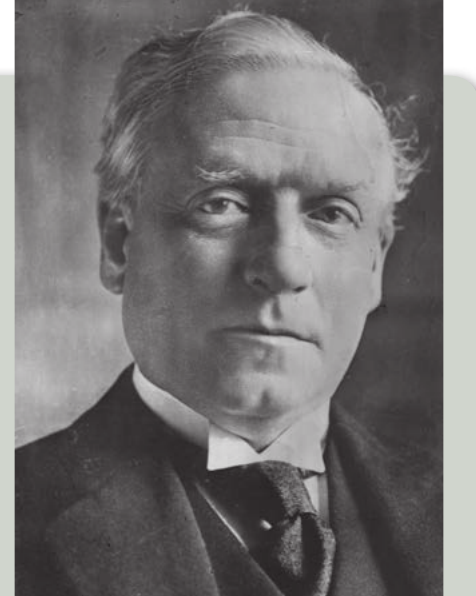
In May 1915, Asquith was forced to form a coalition government that included members of the Conservative Party and one Labour representative. However, his leadership continued to be viewed as weak and ineffectual. By late 1916, the British War Cabinet feared the nation was approaching bankruptcy and that without continued American credit, they would be unable to pay for the war.
Note
Prime Minister Asquith began asking his cabinet ministers to consider alternatives, including the possibility of a negotiated peace. Secretary of State for War David Lloyd George was appalled by this suggestion. In September 1916, he gave an interview to an American journalist declaring that Britain would never negotiate but would fight to a "knock-out blow". This was widely interpreted as an attack on Asquith's leadership.
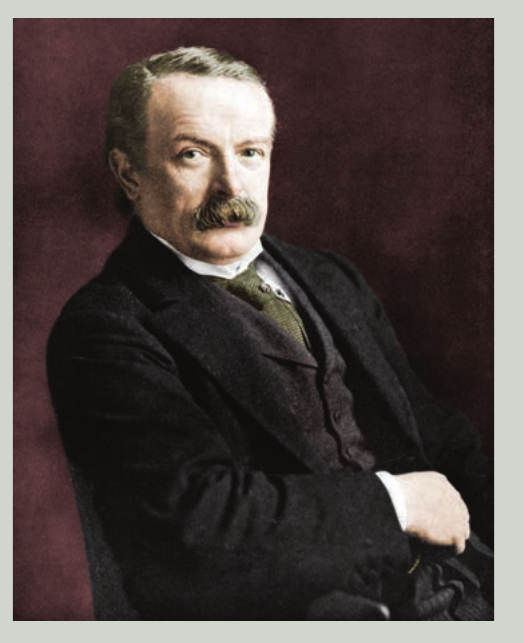
On 5 December 1916, Lloyd George orchestrated a political coup that forced Asquith from power. Lloyd George became Prime Minister at the head of a Conservative-Liberal coalition government, which his opponents dubbed the "Knock-out Blow Coalition". This government would reject any peace initiatives and pursue total military victory.
The German Peace Note (12 December 1916)
Meanwhile in Germany, Chancellor Bethmann-Hollweg was concerned that Germany was running out of time. He reasoned that if the war continued, Germany would eventually lose because the Allies had greater resources and manpower. The German Chancellor believed Germany should seek a negotiated peace while it could still negotiate from a position of strength.
The timing seemed right. The German army had just achieved a complete victory against Romania, capturing Bucharest on 6 December 1916. This was significant because Romania, like Italy before it, had been enticed by secret treaty to join the Allies with promises of territorial gains. The Germans made hints to President Wilson that they might be receptive to American mediation.
On 12 December 1916, the German government issued a Peace Note that was published in newspapers around the world. This note proposed that both sides come to the negotiating table to end the war. The German Chancellor felt this was the perfect moment to pursue peace: Germany held considerable occupied territory and had just achieved victory in Romania, while the Allies appeared to be at a low point after the bloodbaths of Verdun and the Somme.
Important
The Rejection of German Peace Overtures
However, the timing was unfortunate in one crucial respect: Lloyd George had become British Prime Minister just seven days earlier. Unlike Asquith, who might have seriously considered the German proposal, Lloyd George and his new War Cabinet rejected the German Peace Note immediately and emphatically. They dismissed it as insincere and issued in an arrogant manner, consistent with Lloyd George's declared policy to "fight to the finish" until achieving a "knock-out blow".
The American Peace Note (18 December 1916)
President Wilson had been working on his own diplomatic initiative to end the war. He had been drafting a Peace Note since his election victory in November 1916. Wilson had campaigned on a platform of maintaining American neutrality, with his campaign using the slogan "He Kept Us Out of War". His commitment to establishing a "league of nations" had been the centrepiece of his foreign policy platform.
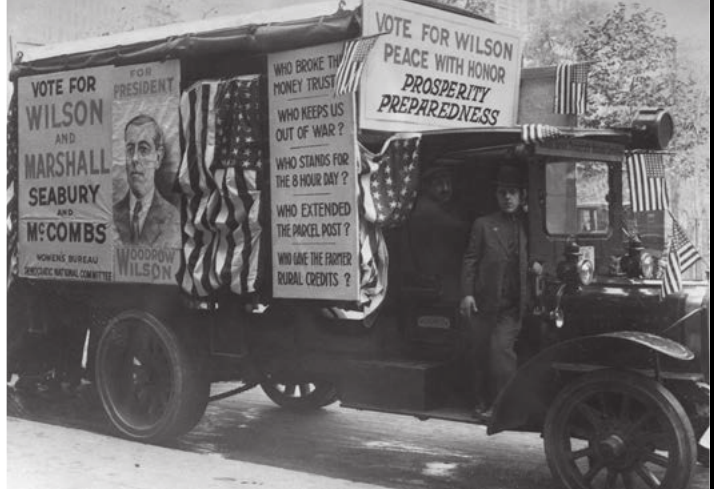
When the German Peace Note was issued on 12 December, Wilson was dining at the White House with Jane Addams, a prominent social reformer and peace activist whose support had helped him secure his narrow election victory. The German initiative spurred Wilson into action.
On 18 December 1916, Wilson issued his own American Peace Note, which made headlines in newspapers worldwide. In this note, Wilson called on both sides to state their war aims and to consider negotiated peace with American mediation.
Note
British Dependence on American Credit
The Lloyd George government was shocked and felt betrayed by what they viewed as the meddlesome American President interfering in European affairs. It was reported that King George V wept upon hearing news of the American Peace Note. The British War Cabinet was now under serious pressure to consider Wilson's proposal seriously. They could not simply reject the American peace initiative outright because by this point, the Allied war effort depended heavily on American credit. If American financial support was withdrawn, Britain and its allies could not continue paying for the war.
If the British government was going to reject American mediation, they would need to do so carefully, in a manner that would not alienate the United States.
Assessment of 1916
Over the following weeks, the British War Cabinet consulted with allied governments and drafted a reply to the American peace initiative. Meanwhile, the end of 1916 saw war-weariness impacting all the home fronts and low morale affecting troops on all sides. Nothing of strategic value seemed to have been gained by either alliance.
If a negotiated peace had been seriously pursued based on the German and American Peace Notes, there probably would have been few voices of opposition from the war-weary public or exhausted troops. However, there were no other statesmen among the belligerent countries with sufficient courage or political power to seriously attempt ending the war through negotiation.
As 1916 drew to a close, there was a brief glimmer of hope for many people in the capital cities of both the belligerent and neutral countries who followed press reports of the Peace Notes. For a moment, it seemed possible that the war might soon end and that loved ones would return from the front. However, the alternative to ending the war through negotiation was to escalate the conflict and pursue total military victory - and this was the path the major powers chose to follow.
Remember!
Summary
Key Points to Remember:
-
1916 saw enormous battles with horrific casualties but no strategic breakthrough. Both Verdun (700,000 casualties) and the Somme (over 1 million casualties) resulted in minimal territorial gains, demonstrating the brutal futility of attritional warfare.
-
The first day of the Somme (1 July 1916) was the worst single day in British military history. British forces suffered 60,000 casualties, including 20,000 killed, highlighting the disastrous failure of artillery bombardment to destroy German defences.
-
The Brusilov Offensive severely weakened Austria-Hungary but at enormous cost to Russia. While pioneering new tactical approaches, the offensive ultimately failed to achieve decisive strategic results and contributed to growing Russian war-weariness.
-
The end of 1916 saw a genuine possibility of negotiated peace. The German Peace Note (12 December) and American Peace Note (18 December) offered opportunities to end the war, but Lloyd George's new British government rejected these initiatives in favour of pursuing total victory.
-
Political changes shaped the war's continuation. Lloyd George's replacement of Asquith as British Prime Minister and the increasing influence of Hindenburg and Ludendorff in Germany meant hardliners opposed to negotiation gained control, ensuring the war would continue into 1917 and beyond.