Adaptations for Cold Environments (VCE SSCE Biology): Revision Notes
📚Revision Notes
Adaptations for Cold Environments
Introduction
Cold environments present extreme challenges to living organisms. When water inside cells freezes, it typically causes cell rupture and death. However, some remarkable organisms have evolved extraordinary adaptations to survive and even thrive in freezing conditions.
Note
The wood frog of North America demonstrates one of nature's most remarkable survival strategies. This small amphibian can survive with up to 65% of its body water frozen, remaining in this state for up to seven months at temperatures as low as -18°C, then thawing completely unharmed when conditions warm. The secret to this incredible feat lies in where the water freezes within the frog's body - a strategy we'll explore in detail later.
Understanding how organisms adapt to cold environments reveals the diverse strategies that evolution has produced. Animals employ structural, physiological, and behavioural adaptations, whilst plants rely on structural and physiological modifications alone.
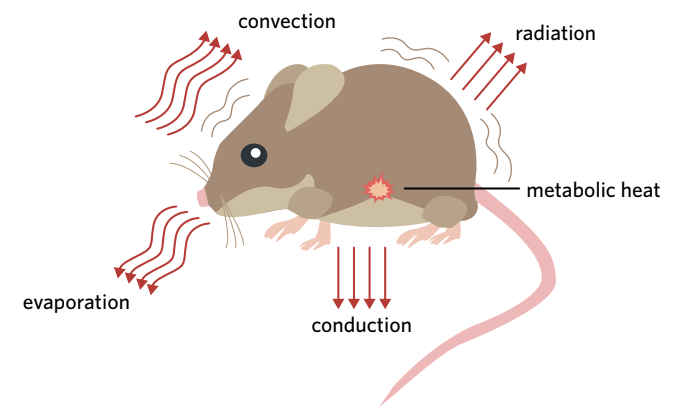
The challenges of cold environments
The most influential abiotic factor in cold environments is extremely low temperature. Cold environments can also be characterized by their biotic factors, but the main abiotic challenges organisms face include:
Low temperature - At low temperatures, the biochemical reactions required for life slow down or stop completely. Additionally, water may freeze inside cells, forming ice crystals that can rupture cell membranes and damage cell contents.
Piercing winds - High winds exert strong physical pressures and forces on plants and can dramatically increase the rate of heat loss from an organism's body through convection.
Low availability of nutrients - Plants absorb nutrients from soil and use them as building blocks for macromolecules such as proteins. A lack of nutrients restricts macromolecule synthesis and limits overall growth rate.
Precipitation as snow - When precipitation falls as snow instead of rain, and surface water freezes in sub-zero temperatures, organisms struggle to obtain the liquid water required for their survival.
Important
These four challenges are interconnected. For example, low temperatures cause precipitation to fall as snow rather than rain, which makes water less accessible. Similarly, low temperatures slow biochemical reactions, making it harder for organisms to extract limited nutrients from the environment. Organisms must adapt to multiple simultaneous stressors, not just cold alone.
Key terminology
Abiotic factor: a property of the environment relating to non-living things. Examples include temperature, nutrient availability, and water availability.
Biotic factor: a property of the environment relating to living things. Examples include predator-prey relationships, competition, and symbiotic relationships.
Structural adaptation: evolved modifications to an organism's physical structure.
Physiological adaptation: evolved modifications to an organism's internal functioning or metabolic processes.
Behavioural adaptation: evolved modifications to an organism's actions.
Adapting to the cold: animals
Animals have evolved three main types of adaptations to cope with cold environments: structural, physiological, and behavioural. These adaptations work together to minimize heat loss through convection, radiation, evaporation, and conduction, whilst maximizing heat retention and production.
Structural adaptations
Structural adaptations are physical features of an organism's body that help it survive. In cold environments, animals have evolved structures that conserve heat rather than release it.
Insulation
Animals in cold environments typically possess thick insulating layers covering their entire body. This insulation usually consists of thick fur, dense plumage (feathers), or substantial subdermal fat deposits. These layers trap air and create a barrier that provides maximum protection against heat loss to the environment.
Surface area to volume ratio
An animal's surface area to volume ratio (SA:V) significantly impacts the rate of heat transfer both into and out of the body. Animals with lower SA:V ratios release heat more slowly, increasing the time it takes for body temperature to drop. In cold environments, animals that more closely resemble a sphere (the shape with the lowest possible SA:V ratio) find it easier to maintain a constant body temperature.
Example
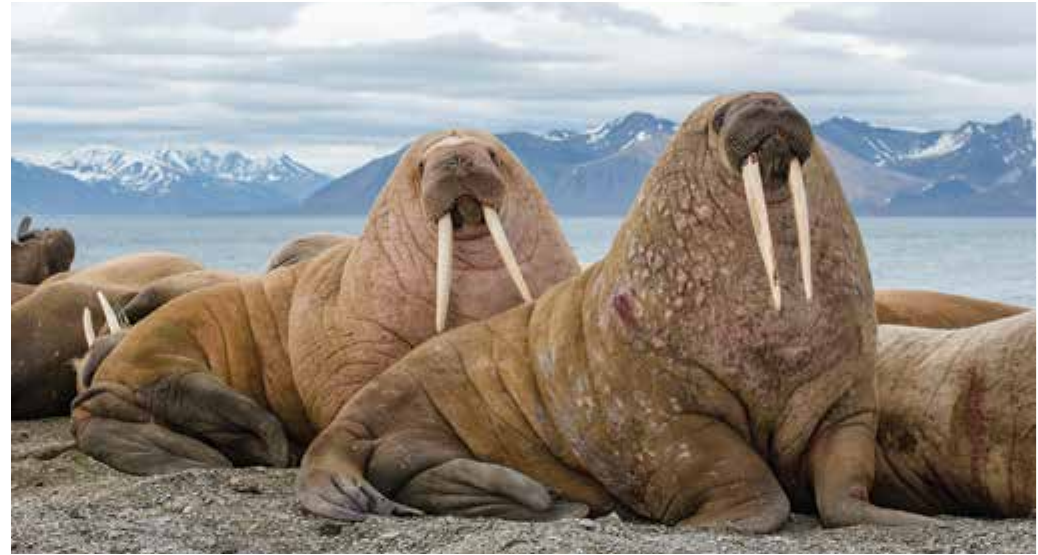
The Walrus: A Master of Heat Conservation
The walrus provides an excellent example of both insulation and low SA:V ratio working together:
-
Insulation: Walruses possess thick layers of blubber (fat) beneath their skin, often several centimeters thick. This fat layer acts as an effective thermal barrier between the warm body core and the cold ocean water.
-
Body shape: Their compact, rounded body shape minimizes unnecessary heat loss in both aquatic and terrestrial environments. The bulky, barrel-shaped torso reduces the surface area exposed to the environment relative to their body volume.
These two structural adaptations work synergistically - the insulation reduces heat transfer, whilst the shape minimizes the surface area through which heat can escape.

When comparing body shapes, individuals with more body fat and a rounder shape have lower surface area to volume ratios, allowing them to conserve heat more effectively in cold conditions.
Physiological adaptations
Physiological adaptations are internal processes and mechanisms that help organisms survive. In cold environments, these internal modifications are crucial for maintaining stable body temperatures.
Endotherms versus ectotherms
Cold environments contain a greater proportion of endotherms (warm-blooded animals) rather than ectotherms (cold-blooded animals). This occurs because animals cannot obtain heat through convection or conduction from an environment with a lower temperature than their body. Therefore, maintaining a stable body temperature through internal metabolic heat production is typically advantageous in cold climates.
Since ectotherms generally have body temperatures that match the ambient environmental temperature, cold-adapted ectotherms must be able to tolerate extremely low body temperatures. Many cold-adapted ectotherms burrow underground during the coldest months, where temperatures remain just above freezing. When temperatures rise during summer, these animals return to the surface to feed and breed.
Torpor
Torpor is a physiological state in which an animal's metabolism is reduced to conserve energy. There are different types of torpor suited to different environmental challenges:
Hibernation: prolonged torpor in response to seasonal cold conditions. Occurs in endotherms such as mammals and birds.
Brumation: prolonged torpor in response to seasonal cold conditions. Occurs in ectotherms such as snakes and lizards.
Both hibernation and brumation are triggered by seasonal drops in temperature. These states help animals survive extended periods of low metabolic activity and reduced body temperature.
Note
Torpor is beneficial because the dramatic reduction in metabolic rate allows the animal to survive on very little food or water, and remaining inactive in shelter allows animals to avoid harsh weather conditions. This strategy is particularly effective when food is scarce and temperatures are dangerously low.
Example
Case Study: Mountain Pygmy Possum
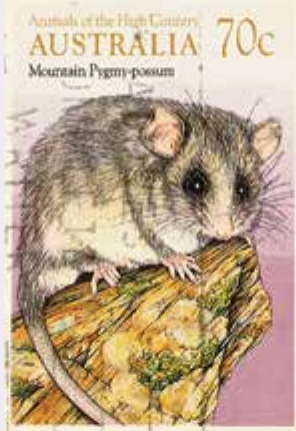
The mountain pygmy possum (Burramys parvus) demonstrates the effectiveness of hibernation as a survival strategy in extreme alpine conditions.
Physical characteristics:
- Average weight: only 40 grams
- Habitat: alpine and subalpine regions of south-eastern Australia
- Unique status: the only marsupial restricted entirely to alpine environments, and one of Australia's only hibernating marsupials
Hibernation strategy: During hibernation, mountain pygmy possums burrow beneath a thick layer of insulating snow. In this state:
- Their resting metabolic rate drops drastically
- Internal body temperature can fall as low as 2°C without causing damage
- They can subject themselves to seven months of yearly torpor
- Once environmental temperatures begin to rise in early spring, the possum resurfaces to feed and breed
Conservation status: The species was known only from fossils and believed extinct until a live individual was discovered on Mount Hotham, Victoria in 1966. Considered critically endangered, only approximately 2,000 of these possums remain in the wild. Challenges include decreasing habitat due to ski resort construction, rising global temperatures, invasive predators, and dwindling supplies of their favourite food source, the bogong moth.
Circulation adaptations
The circulatory system plays a critical role in thermoregulation in cold environments. As blood is pumped from the heart, it carries the animal's core body temperature. If this warm blood were to circulate freely to the extremities (periphery), the large temperature gradient between the body and environment would cause substantial heat loss. Two main circulatory adaptations prevent this heat loss: vasoconstriction and countercurrent circulation.
Vasoconstriction
Vasoconstriction is the narrowing of blood vessels. When animals need to conserve heat, the body sends signals to constrict small blood vessels in the skin, reducing overall blood flow to surface tissues. This minimizes heat loss from the blood to the environment.
Countercurrent circulation
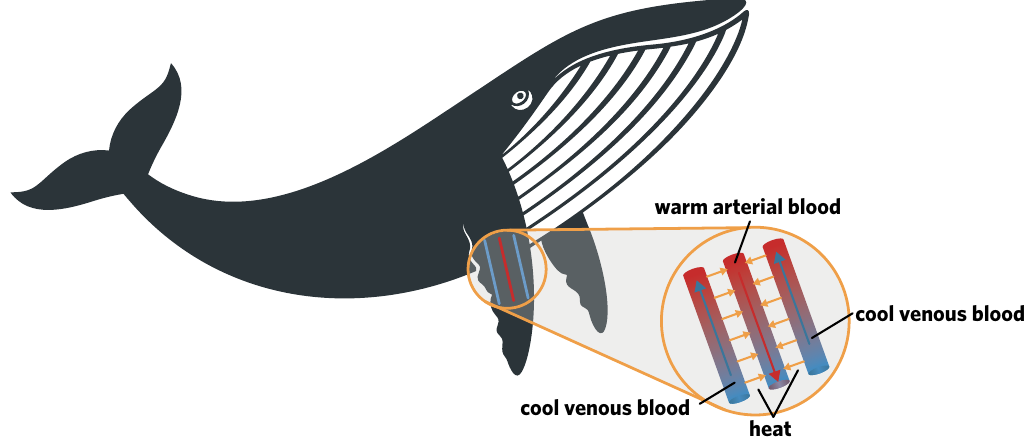
Countercurrent circulation is an efficient heat transfer method where separate components of the circulatory system flow next to each other in opposite directions. This system is used to cool blood heading to the outer surface and heat blood heading back to the body's core.
Important
How Countercurrent Circulation Works
Countercurrent circulation is one of the most efficient thermoregulation mechanisms in nature. Here's how it functions:
-
Warming returning blood: The heat in warm arterial blood travelling from the heart heats the cool venous blood returning from the animal's extremities. This means the core body temperature is not lowered by cold returning blood.
-
Cooling outgoing blood: This process cools the arterial blood heading towards the periphery, reducing the temperature gradient between the body's surface and the environment, which means less heat is released.
-
Combined effect: The combination of both effects makes countercurrent circulation highly effective for maintaining a stable core body temperature.
Marine mammals such as whales have evolved this sophisticated heat exchange mechanism, allowing them to survive in frigid ocean waters whilst maintaining active metabolism.
Periphery: the outside surface or boundary of a structure. In an animal, the peripherals refer to structures such as the arms, legs, or skin.
Behavioural adaptations
Behavioural adaptations are conscious or instinctive actions animals take to survive. In cold environments, these behaviours help minimize heat loss.
Reducing exposed surface area
Objects with lower surface area to volume ratios release less heat. Many animals reduce their effective SA:V ratio by hiding or protecting their extremities as temperatures drop. Mammals may curl into a ball, and birds often stand on only one leg to reduce heat loss.
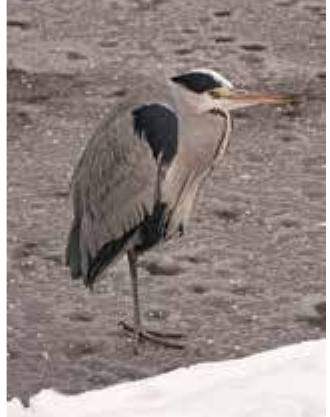
Since birds' legs have little insulation, standing on one leg whilst tucking the other into their feathers helps conserve heat.
Huddling
Emperor penguins provide a famous example of huddling behaviour during the Antarctic winter, when temperatures often reach as low as -40°C. By huddling together in groups, animals artificially decrease their individual surface area to volume ratio. When penguins huddle, each individual reduces its exposed surface area, which decreases the average amount of heat lost per penguin in the colony.
Seeking shelter
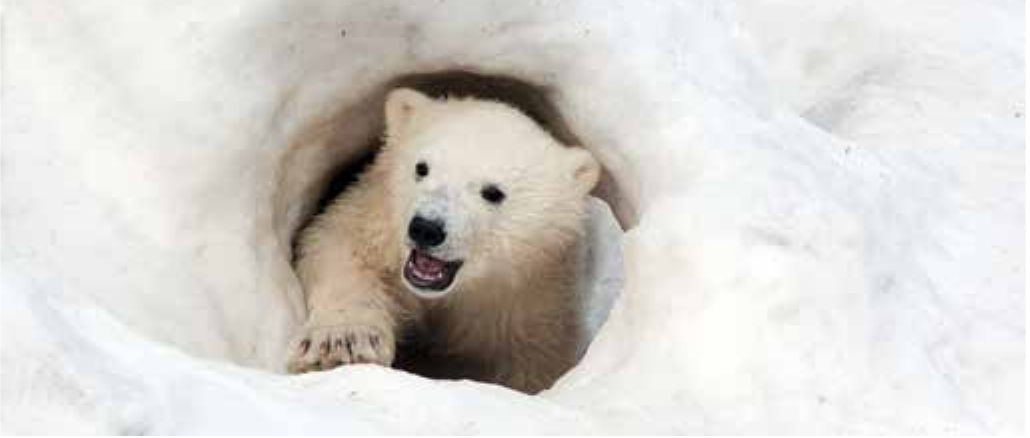
Critically low temperatures and wind chill can rapidly drop body temperature, causing permanent damage or death. By seeking shelter, animals surround themselves in a stable microclimate with little or no wind and more moderate temperatures. Animal shelters typically include underground burrows, dens, or rocky outcrops.
Note
Polar bears create dens in the snow where cubs are born and where the family hibernates during the harshest winter months. These snow dens provide insulation and protection from extreme cold and wind. The insulating properties of snow might seem counterintuitive, but packed snow contains trapped air pockets that effectively prevent heat loss, creating a refuge that can be significantly warmer than the outside air temperature.
Migration
Migration is the seasonal movement of animals from one area to another. During warmer summer months, alpine regions bloom into areas rich in biodiversity and resources. During winter, however, these same areas are often covered in thick snow, making it difficult to access food and water. Rather than adapt to extreme cold, many animals simply migrate to lower altitudes or more moderate latitudes where resources are more readily available. Warmer climates are also typically easier for breeding and raising newborns.
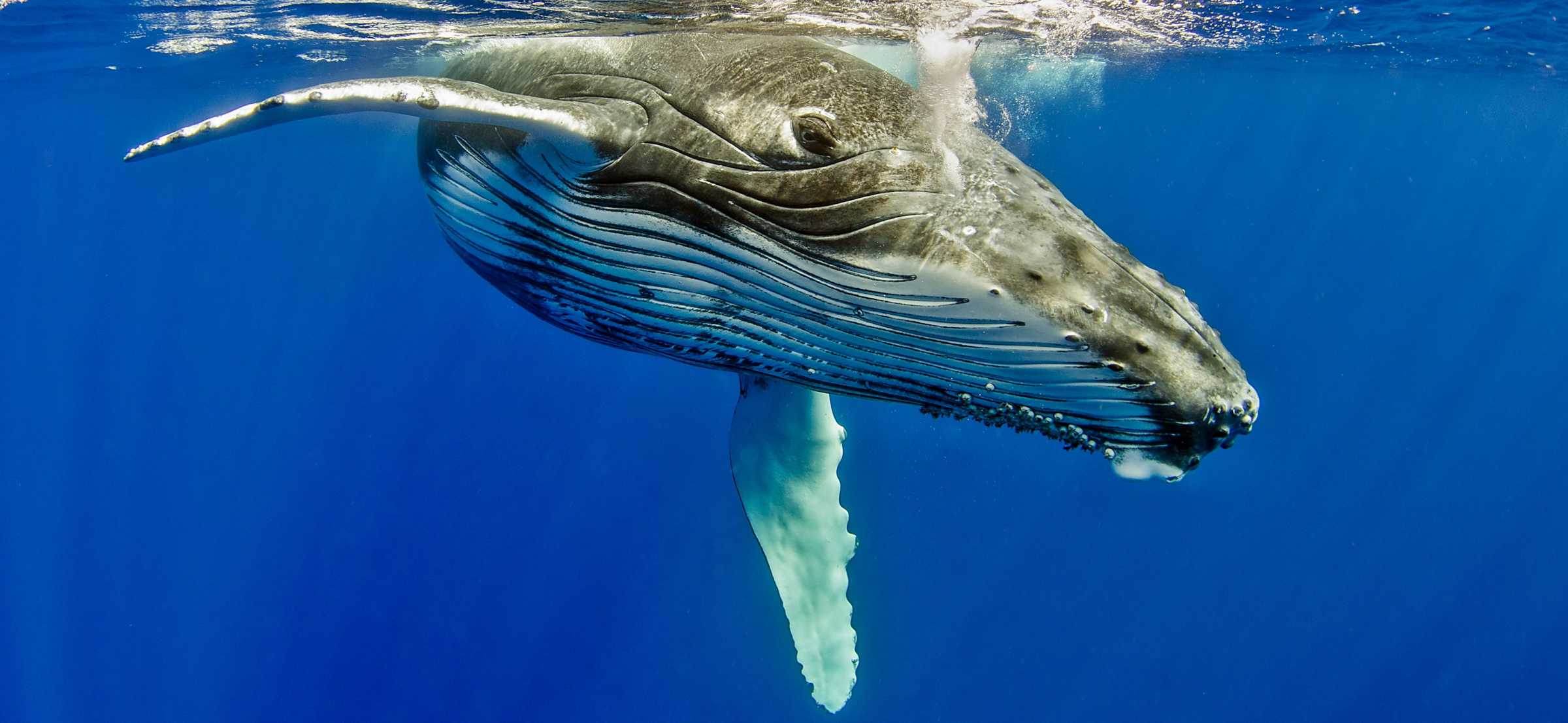
Humpback whales spend their entire lives migrating around the world to avoid low temperatures, track food sources, and to mate and give birth. They travel thousands of kilometers between feeding grounds in cold polar waters and breeding grounds in warmer tropical waters.
Adapting to the cold: plants
Plants face unique challenges in cold environments because they cannot use behavioural adaptations. They cannot seek shelter, huddle together, or migrate to warmer climates. Instead, plants rely entirely on structural and physiological adaptations to survive freezing conditions.
Tree lines and temperature limits
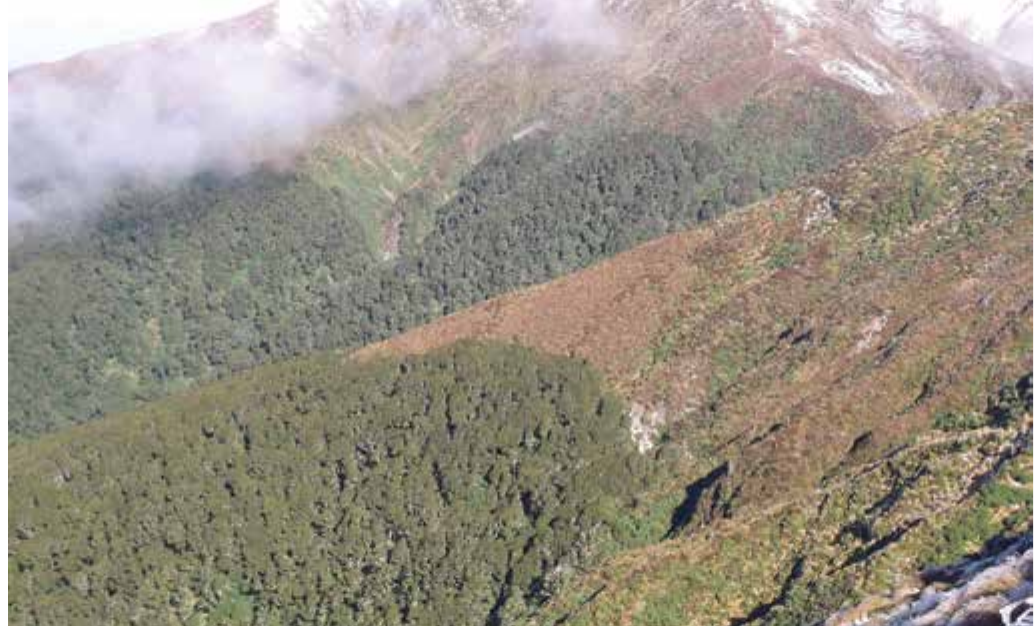
Freezing presents a significant challenge for alpine and cold-adapted plants. The barrier between tolerable and intolerable temperatures can be dramatic, as evidenced by tree lines visible on mountains. Above certain elevations, temperatures become too low to support large tree growth. Low temperature is the major cause of tree lines, although precipitation, wind, and nutrient availability also play roles.
Important
Why Tree Lines Exist
Tree lines exist because the transport systems in plants rely on liquid water. If water freezes in the xylem (which transports water from roots to leaves) or phloem (which transports nutrients throughout the plant), these systems cannot function, and the plant cannot survive.
This creates a sharp boundary on mountainsides where trees can no longer grow. Below the tree line, temperatures remain warm enough for liquid water transport; above it, freezing conditions make tree survival impossible.
How plants prevent freezing
Freezing presents multiple problems for plants. Enzyme and protein-driven biochemical reactions progress slowly at lower temperatures. Additionally, ice crystal formation within cells can rupture cell membranes and damage other cellular contents. When the vascular system is blocked by ice, plants cannot transport nutrients. Plants have evolved several strategies to prevent or tolerate freezing.
Cell membrane modifications
At low temperatures, cell membrane fluidity decreases, which can quickly lead to disruption of the lipid bilayer, decreased membrane protein effectiveness, and leakage of cell contents. To combat this, many cold-adapted plants modify the lipid and chemical composition of their cell membranes to maintain functionality at low temperatures.
Freezing point depression
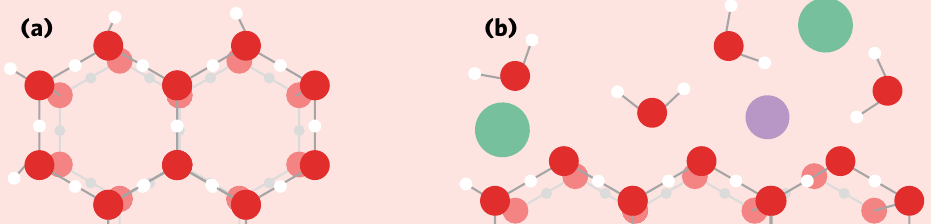
The freezing point of pure distilled water is 0°C. However, as the concentration of dissolved solutes increases, the freezing point becomes lower. Plants exploit this phenomenon to their advantage. When temperature drops, plant cells receive signals to increase the concentration of solutes such as glucose within their cells. This increases the plant cell's resistance to freezing through a process called freezing point depression.
Note
The diagram shows how dissolved ions (represented by large green and purple spheres) and molecules disrupt the orderly crystal lattice structure that water molecules form when freezing, thereby lowering the temperature at which ice can form. This is the same principle behind why salt is spread on icy roads - the dissolved salt lowers the freezing point of water, preventing ice formation.
Antifreeze proteins
Particular cold-adapted plants can produce antifreeze proteins in response to cold temperatures. These specialized proteins disrupt the formation of ice crystals within cells, enabling water to remain liquid at temperatures below its normal freezing point. Interestingly, similar antifreeze proteins have been found in cold-adapted fish and other organisms across different kingdoms of life.
Deciduous trees
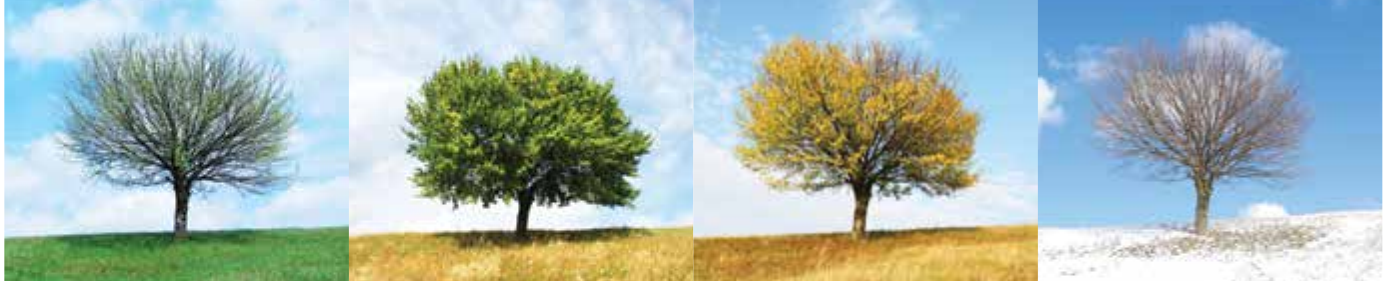
A deciduous tree is one that seasonally drops all of its leaves at once to avoid harsh conditions. Whilst some drought-adapted trees drop leaves due to excessive water loss during hot periods, the most recognizable deciduous trees are cold-adapted. When compared to evergreen trees, cold-adapted deciduous trees have several advantages:
- Deciduous trees avoid damage to frozen leaf tissue during winter
- They require less energy and water to survive during winter months when photosynthesis is impossible
- They experience less branch breakage during periods of heavy snowfall and strong winds because bare branches are lighter and more flexible
By dropping their leaves in autumn, remaining dormant through winter, and regrowing leaves in spring, deciduous trees synchronize their active growth with favorable environmental conditions.
Seed dormancy
A dormant seed is one that is unable to germinate during a specific time under certain environmental conditions. Seed dormancy is a trait of many cold-adapted plants. Seeds are dispersed before winter months and remain dormant until warmer spring weather arrives. When seeds detect increases in temperature or light availability, they rapidly sprout and grow during the favorable living conditions of summer months. This ensures seedlings don't emerge during harsh winter conditions when survival would be impossible.
Example
Case Study: Cushion Plants
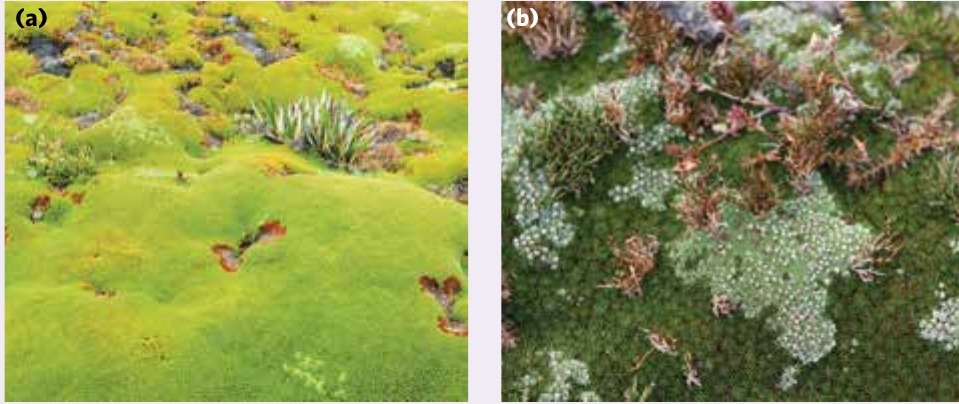
Many alpine regions appear to be barren rocky outcrops, scattered with small round 'cushions' of vegetation. These cushion plants demonstrate a remarkable structural adaptation to extreme cold.
Structure and function:
- Each 'cushion' is actually a tight-knit community of similar, yet individual, plant species
- These species work together to form a compact structure facing the environment
- The structure reduces the exposed surface area of individual leaves
- It provides resistance to wind and snow
The interior microclimate: The cushion plant has a hollow interior separated from the harsh external environment. This interior is warmed by the metabolic activities and stored heat of the plants, providing resilience to freezing. The cushion structure represents a sophisticated structural adaptation that reduces heat loss through decreased surface area exposure - similar in principle to the huddling behaviour seen in animals.
Example
Case Study: Antifreeze Proteins in Fish
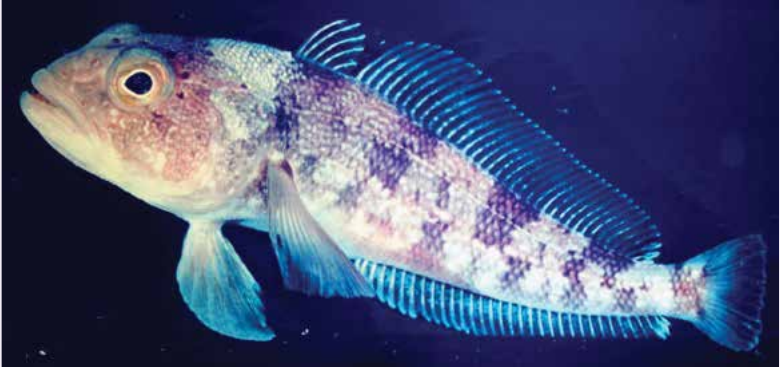
Antifreeze proteins are not limited to plants. Some fish living in extremely cold waters also produce similar proteins, demonstrating convergent evolution.
Antarctic notothenioid fish: The emerald rockcod (Trematomus bernacchii) and related species live in ocean waters that remain liquid down to -1.9°C due to high salt content. These ectothermic fish produce antifreeze proteins similar to those in plants, preventing the formation of large ice crystals in their bodies.
Convergent evolution: Remarkably, similar antifreeze proteins have been found in organisms from every kingdom of life, representing convergent evolution in response to freezing conditions. Different organisms independently evolved similar molecular solutions to the same environmental challenge.
The wood frog's survival secret
Returning to our opening example, how does the wood frog survive with 65% of its body water frozen? The key is where the water freezes, not how much freezes.
Important
The Wood Frog's Freeze Tolerance Strategy
When wood frogs sense steep temperature drops, they employ a sophisticated two-part strategy:
Inside cells (intracellular):
- Accumulate urea and glucose to concentrations much greater than normal
- Produce specific antifreeze proteins that accumulate within cells
- This massively reduces the intracellular freezing temperature through freezing point depression
- Tissue inside cells remains liquid at low temperatures
Outside cells (extracellular):
- The concentration of urea and glucose in extracellular fluid (between cells) is not greatly increased
- This extracellular fluid may freeze
- However, ice crystals in these regions cause relatively little damage because they don't rupture cell membranes or destroy internal cell structures
The result: When environmental temperatures rise naturally, the extracellular fluid thaws and the frog resumes normal activity, completely unharmed. By controlling where freezing occurs, the wood frog can tolerate having most of its body water frozen whilst protecting the critical cellular machinery needed for life.
Summary of adaptations
The table below summarizes the key structural, physiological, and behavioural adaptations that enable organisms to survive in cold environments:
| Organism type | Adaptation category | Specific adaptations |
|---|---|---|
| Animals | Structural adaptations | - Insulation techniques (thick fur, plumage, or subdermal fat) - Decreased surface area to volume ratio (SA:V) |
| Physiological adaptations | - Endotherms more common than ectotherms - Vasoconstriction of peripheral blood vessels - Countercurrent circulation - Torpor (hibernation in endotherms, brumation in ectotherms) - Antifreeze proteins | |
| Behavioural adaptations | - Reducing exposed surface area (curling up, standing on one leg) - Huddling - Seeking shelter (burrows, dens, rocky outcrops) - Migration to warmer climates | |
| Plants | Structural and physiological adaptations | - Modifications to cell membrane composition - Increasing solute concentration (freezing point depression) - Seed dormancy - Antifreeze proteins - Deciduous behaviour (seasonal leaf loss) |
Remember!
Summary
Key Points to Remember:
Challenges of cold environments:
- Cold environments present four main challenges: low temperature, piercing winds, low nutrient availability, and precipitation as snow
- These challenges are interconnected and organisms must adapt to multiple stressors simultaneously
Animal adaptations (SPB - Structural, Physiological, Behavioural):
- Structural: Insulation through thick fur/plumage/fat, and low SA:V ratios to minimize heat loss
- Physiological: Torpor (hibernation/brumation), vasoconstriction, countercurrent circulation, and antifreeze proteins
- Behavioural: Huddling, seeking shelter, reducing exposed surface area, and migration
Plant adaptations:
- Plants cannot use behavioural adaptations, so they rely entirely on structural and physiological modifications
- Key strategies include: cell membrane modifications, freezing point depression through increased solute concentration, antifreeze proteins, deciduous behaviour, and seed dormancy
Critical mechanisms:
- Countercurrent circulation is a highly efficient heat conservation mechanism where warm arterial blood heats cold returning venous blood, maintaining core body temperature whilst cooling blood heading to the periphery
- Freezing point depression works by disrupting ice crystal formation - dissolved solutes prevent water molecules from arranging into solid ice structures, lowering the temperature at which freezing occurs
- The location of freezing (intracellular vs extracellular) is often more important than the amount of freezing for organism survival